Are Research Peptides Safe to Use?
Introduction
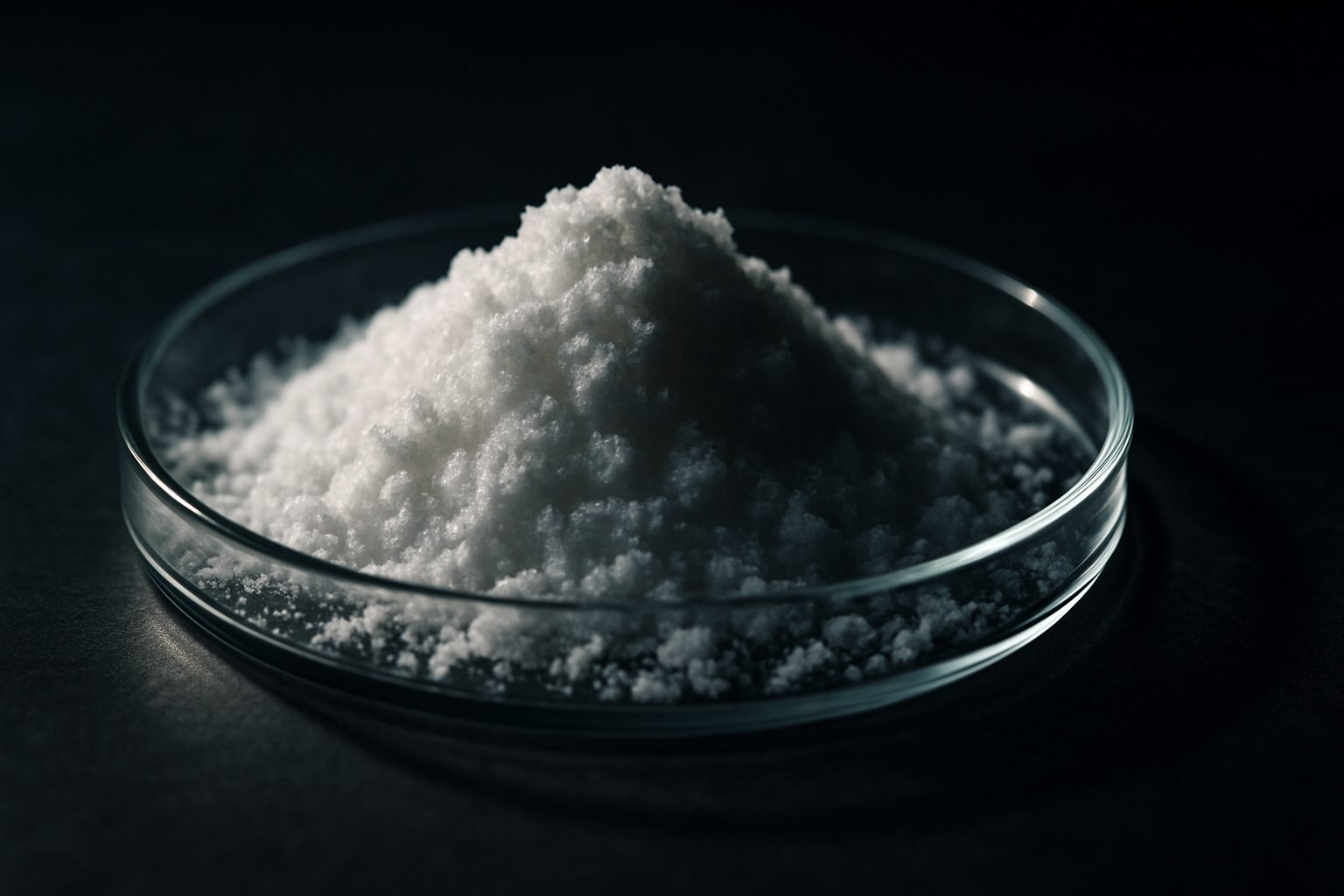
Research-grade peptides are not regulated as drugs and are sold with “not for human consumption” labeling. The safety profile is unknown because identity, purity, and contamination aren’t verified to pharmaceutical standards. People use them anyway, but the actual risk is meaningfully higher than compounded peptides from a licensed 503A pharmacy.
The peptides themselves (BPC-157, TB-500, ipamorelin, etc.) may have reasonable safety in studies of pharmaceutical-grade material. The problem with research-grade is that you don’t know whether the vial contains what the label claims, in what concentration, with what contaminants.
At TrimRx, we believe that understanding your options is the first step toward a more manageable health journey. You can take the free assessment quiz if you’re ready to see whether a personalized program is a fit for you.
What Does “Research Grade” Actually Mean?
The label is essentially a legal disclaimer. Research-grade peptides are sold for in vitro use in laboratories. The supplier has no FDA registration, no GMP requirement, and no obligation to verify human safety. The “not for human consumption” warning shifts liability if a buyer injects.
Quick Answer: “Research grade” means no FDA oversight, no required testing, no human-use approval
This is a parallel market that exists because the underlying compounds aren’t approved for human use. There’s no legal pathway to sell them as drugs, so they’re sold as research chemicals with the disclaimer.
Quality among research suppliers varies. Some operate at near-pharmaceutical purity. Others sell whatever powder they can source, with minimal verification.
What Can Go Wrong with a Research-grade Vial?
Identity errors. The vial labeled “BPC-157” may contain a different peptide, a related fragment, or a placeholder substance. Mass spectrometry of seized research-chemical samples regularly shows discrepancies.
Purity issues. Synthesis byproducts, residual solvents, and partial sequences contaminate the final product. HPLC purity of 95 percent sounds high, but the 5 percent impurities can include immunogenic fragments or toxic synthesis intermediates.
Concentration errors. The labeled mass may be wrong. A 5 mg vial may contain 3 or 8 mg of peptide. Dosing accurately becomes guesswork.
Endotoxin contamination. Bacterial endotoxins (lipopolysaccharide from gram-negative bacteria) cause fever, chills, and systemic inflammatory response when injected. Pharmaceutical preparations are tested for endotoxin. Research-grade often isn’t.
Microbial contamination. Bacteria or fungi in the vial cause injection site infection or systemic illness.
How Do You Know If a Research-grade Vial Is Contaminated?
You generally don’t, until you inject. Visual inspection (cloudiness, particles, color change) can catch gross contamination but misses microbial growth and endotoxin contamination, which leave the solution looking clear.
Reputable research suppliers provide a third-party certificate of analysis showing mass spectrometry identity, HPLC purity, and ideally endotoxin levels. Many don’t.
Lateral flow assays and HPLC testing for personal use exist but are expensive and impractical for most buyers.
What’s the Documented Harm From Research Peptides?
Documented harm is rare in published literature, partly because users don’t report problems and partly because attribution is hard. The most-cited incident in compounded GLP-1 medications was the FDA report of compounded semaglutide preparations causing dosing errors that led to hospitalizations, but that was compounded (not research) material.
Anecdotal case reports of injection site infections, abscesses, and systemic febrile reactions from research-chemical peptides exist on harm-reduction forums. These haven’t been systematically collected.
The clearest documented harm is in unregulated bodybuilding circles, where mystery vials have been linked to a range of adverse events including injection site necrosis and hospitalizations.
How Does Research-grade Compare to Compounded?
Compounded peptides from a licensed 503A or 503B pharmacy operate under USP 797 and 800 standards. The pharmacy is licensed, the facility is inspected, the compounding personnel are trained, and final products are typically tested for sterility, endotoxin, identity, and purity.
503A pharmacies serve individual prescriptions with patient-specific medical need. 503B outsourcing facilities operate at cGMP level and can produce non-patient-specific stock.
Research-grade has none of this. The supplier is unregulated, the facility is uninspected, personnel may have no pharmacy training, and testing varies.
The cost difference is real (research-grade is often 50 to 80 percent cheaper) but the quality and safety gap is also real.
Key Takeaway: Bacterial endotoxin contamination is the highest practical risk
Are There Safer Research-grade Suppliers?
Some research suppliers run reasonable quality programs and post third-party certificates of analysis from independent labs. They’re more expensive than the bottom of the market but still cheaper than compounded.
Red flags include: no certificate of analysis, refusal to specify the source of raw material, prices well below market, packaging without lot numbers, and shipping in non-temperature-controlled packaging.
Even the better research suppliers operate outside drug regulation. Quality may be high but legal accountability is limited if something goes wrong.
What About Counterfeit and Adulteration?
Counterfeit research peptides have been documented, including vials labeled as one peptide containing another (cheaper) peptide. Adulteration with cutting agents (mannitol, dextrose, sucrose) inflates apparent volume.
In compounded medications, the FDA has flagged adulterated compounded semaglutide preparations, sometimes containing semaglutide salt forms (sodium or acetate) that don’t deliver the labeled active ingredient. This is a regulated-market problem; the research market problem is worse.
Should You Use Research Peptides?
The harm-reduction view is that if someone is going to use unapproved peptides anyway, the better choice is to work with a licensed clinician and a 503A or 503B compounding pharmacy. This adds prescription oversight, dose calibration, and quality control.
For peptides without a compounding pathway (because no clinician will prescribe them), the safer approach is to reconsider whether you need them. The risk profile of mystery vials is meaningfully higher than the marginal benefit of unproven peptides.
For weight management specifically, FDA-approved semaglutide, FDA-approved tirzepatide, and compounded versions through programs like TrimRx have strong evidence and proper oversight. Research-grade GLP-1 peptides are unnecessary and add risk.
Bottom line: Compounded peptides from 503A pharmacies are the safer alternative
FAQ
Are Research Peptides Legal to Buy?
In the US, possession of research peptides without intent to sell is generally not prosecuted, but the supplier’s sale “for research” is the legal fig leaf. Importation and sale specifically for human use can run afoul of FDA regulation. Laws vary by jurisdiction.
Why Are Research Peptides So Much Cheaper?
Lower production costs, no GMP compliance, no quality testing, no clinical infrastructure, no regulatory burden. The cost difference reflects what’s missing, not what’s better.
Can I Get a Research Vial Tested?
Yes, some independent labs offer peptide identity and purity testing for around $100 to $300 per sample. This catches gross identity and purity issues but doesn’t catch sterility or endotoxin problems for already-reconstituted material.
What If My Compounding Pharmacy Can’t Get a Specific Peptide?
This is increasingly common as FDA has tightened compounding lists. The honest answer is that if a peptide can’t be obtained through a 503A/503B pharmacy, the alternative is to do without or accept the research-grade risk profile. There isn’t a middle option.
Does TrimRx Use Research-grade Material?
No. TrimRx works with licensed compounding pharmacies operating under 503A or 503B standards, with documented quality control for their compounded semaglutide and tirzepatide. Patients can review the source and certification through the free assessment quiz process.
Are There Peptides Where Research-grade Is the Only Option?
Yes, for some less-mainstream peptides like DSIP, epitalon, and certain experimental compounds, the only practical supply is research-grade. The question is whether the use case justifies the risk. For most users, the answer is no.
Is Reconstituting with Sterile Bacteriostatic Water Enough to Make a Research Peptide Safe?
No. Bacteriostatic water reduces microbial growth in the reconstituted vial but doesn’t fix identity, purity, or endotoxin issues that were present in the lyophilized powder. Sterile technique is necessary but not sufficient.
Disclaimer: This content is for informational purposes only and does not constitute medical advice. It is not intended to diagnose, treat, cure, or prevent any disease or condition. Individual results may vary. Always consult a qualified healthcare professional before starting any weight loss program or medication.

Transforming Lives, One Step at a Time
Keep reading


Tesamorelin for Visceral Fat: What It Is and WHO It Is For
People often collapse two different goals into one: losing visceral fat and losing weight overall. They overlap. They are not the same job.



