How Long After Surgery Can You Take Mounjaro®?
Introduction
Preparing for surgery often involves a long checklist of “dos and don’ts,” and for those using Mounjaro® for weight management or type 2 diabetes, the rules around timing are critical. You may be wondering if you need to pause your routine or how quickly you can get back on track once you are in the recovery room. At TrimRx, we understand that consistency is the key to long-term success, but your safety during and after a surgical procedure must always come first.
This post covers the essential timelines for restarting your medication, the clinical reasons behind these delays, and the specific signs that indicate your body is ready. If you are new to our platform and want to see whether a personalized plan is a fit, you can take the free assessment quiz. We will also look at how different types of procedures, from minor outpatient surgeries to major abdominal operations, change the approach. The primary goal is to ensure you resume your health journey only when your digestive system is fully prepared to handle the effects of the medication.
Quick Answer: Most patients can resume Mounjaro® 24 to 48 hours after minor surgery, provided they are eating and drinking normally. However, for major or gastrointestinal surgeries, you may need to wait several days or weeks until bowel function is fully restored and your surgical team provides explicit clearance.
Understanding the Role of Mounjaro® in Your Body
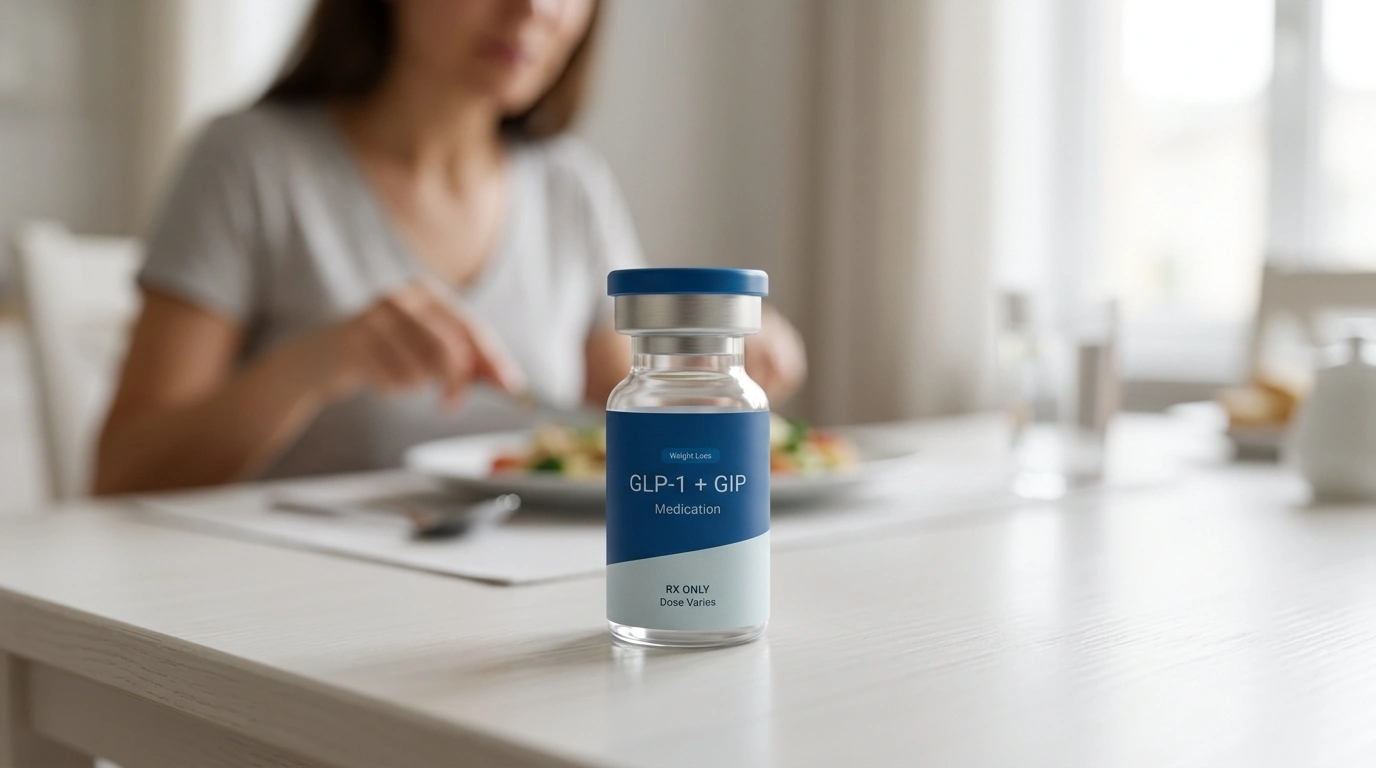
To understand why timing matters after surgery, it is helpful to look at how Mounjaro® (tirzepatide) functions. Tirzepatide is a dual-acting medication known as a GLP-1 and GIP receptor agonist. It mimics two natural hormones in the body: glucagon-like peptide-1 (GLP-1) and glucose-dependent insulinotropic polypeptide (GIP). Together, these hormones help regulate your blood sugar and influence how your brain perceives hunger.
One of the most significant effects of this medication is delayed gastric emptying. This means the medication slows down the speed at which food leaves your stomach and enters your small intestine. For a deeper explanation of that process, see our guide on how GLP-1 delays gastric emptying. While this is highly effective for helping you feel full longer and managing weight, it creates specific challenges during the perioperative period—the time surrounding a surgical procedure.
Why Surgery Requires a Temporary Pause
The primary concern doctors have regarding Mounjaro® and surgery involves anesthesia safety. When you undergo general anesthesia, your body’s protective reflexes, like coughing or swallowing, are suppressed. If there is still food or liquid in your stomach, there is a risk that it could move back up the esophagus and into your lungs while you are unconscious.
This complication is known as pulmonary aspiration, and it can lead to severe lung infections or pneumonia. Because tirzepatide keeps food in the stomach for an extended period, the standard fasting window (usually six to eight hours) may not be enough to ensure your stomach is empty. If you are planning surgery and need to understand the pause-and-restart process more fully, our tirzepatide before surgery guide walks through the same safety considerations in more detail. Most clinical guidelines now recommend pausing the medication at least one week before a scheduled surgery to allow the stomach to empty at a normal rate.
General Timelines for Resuming Mounjaro®
The question of “how long” does not have a single fixed answer because every surgery and every patient’s recovery is different. However, we can break down the timing based on the complexity of the procedure and your body’s response.
Minor Procedures and Local Anesthesia
For minor surgeries that do not require general anesthesia—such as dental work, minor skin procedures, or some types of biopsies—the wait time is usually very short. If you were not required to fast and did not receive deep sedation, you may be able to take your next scheduled dose on time. Always confirm with your surgeon, but generally, if you are eating and drinking normally without nausea, you are likely ready.
Major Surgery with General Anesthesia
For most major surgeries, the standard advice is to wait at least 24 to 48 hours after the procedure. This gap allows the anesthesia to fully leave your system and ensures that your digestive tract has “woken up” after the stress of surgery.
Gastrointestinal and Bariatric Surgery
If your surgery involved the digestive tract itself—such as a gastric sleeve, gastric bypass, or bowel resection—the timeline is significantly longer. In these cases, the internal environment of your stomach and intestines has been physically altered. Many bariatric surgeons recommend waiting until your weight loss from the surgery itself begins to plateau, which could be several weeks or even months later.
Key Takeaway: Resuming medication is not about a specific number of days, but rather about reaching specific recovery milestones like regular eating and normal bowel movements.
Signs You Are Clinically Ready to Restart
Before you reach for your next dose, your body must provide several clear indicators that it is ready to process the medication safely. Resuming too early can lead to severe nausea, vomiting, or dehydration, which can hinder your surgical healing.
You must be able to tolerate solid foods. If you are still on a clear liquid diet or a “full liquid” post-op diet, it is usually too early to restart a medication that further slows digestion. You should be able to eat a regular meal appropriate for your recovery stage without experiencing discomfort or a feeling of excessive fullness.
Bowel function must be fully restored. Anesthesia and pain medications often cause the digestive system to slow down significantly, sometimes leading to constipation or a temporary halt in bowel movements. Because Mounjaro® also slows the digestive tract, taking it before your bowels are moving regularly could increase the risk of a “backup” or severe discomfort.
Post-operative nausea must be resolved. Many people experience nausea as a side effect of anesthesia or pain relief. Since nausea is also a common side effect of GLP-1 medications, introducing the drug while you are already feeling ill can make the symptoms unmanageable. If you want a fuller overview of what those symptoms can look like, our article on common GLP-1 side effects is a helpful reference.
Note: If you are taking Mounjaro® for type 2 diabetes management, your restart timeline may be more urgent to maintain blood sugar control. In this scenario, your endocrinologist or primary doctor will coordinate with your surgeon to balance the risks of aspiration versus the risks of high blood sugar.
Factors That Influence Your Personal Timeline
Several individual factors can speed up or slow down your path back to your weight loss program. At TrimRx, we encourage a personalized approach because a “one-size-fits-all” timeline rarely accounts for the nuances of human health.
- Type of Anesthesia Used: General anesthesia (where you are fully unconscious) carries the highest risk and requires the most caution. Moderate sedation or “twilight” anesthesia may allow for a faster return to your routine.
- Presence of Complications: If you experience any post-surgical complications, such as an infection, fever, or delayed wound healing, your doctor will likely advise you to stay off the medication until you are fully stable.
- Nutritional Status: Surgery places high demands on the body for repair. If you are struggling to meet your protein and calorie needs because of a reduced appetite from surgery, adding Mounjaro® too soon could lead to malnutrition or muscle loss.
- Pain Management: If you are taking high doses of opioid pain medications, your digestion will already be significantly slowed. Combining these with tirzepatide can lead to severe constipation.
The Importance of Professional Guidance
You should never make the decision to restart Mounjaro® on your own. A consultation with your surgical team is mandatory. Your surgeon understands the specific internal healing occurring in your body, while your prescribing provider understands how the medication interacts with your metabolism.
When you speak with your surgical team, consider asking the following questions:
- Is my digestive system moving well enough to handle a medication that slows gastric emptying?
- Have I reached a stage in my post-op diet where the medication won’t interfere with my nutrition?
- Are any of my current post-op medications (like pain relievers) likely to interact with tirzepatide?
Bottom line: Safety trumps speed. Skipping a dose or two to ensure a safe surgical recovery will not ruin your long-term weight loss progress.
Managing Your Medication Schedule
If you have to miss a dose due to surgery, you might be confused about how to get back on track. The general rule for tirzepatide is that if you miss a dose, you should take it as soon as possible within four days (96 hours) of your scheduled day. If more than four days have passed, you should skip the missed dose and wait for your next regularly scheduled day.
However, if you have been off the medication for more than two or three weeks due to a long recovery, you may need to restart at a lower dose. Your body can lose its tolerance for the medication during a long break. Jumping back in at a high dose could cause intense gastrointestinal distress. If you need help deciding whether to restart treatment after a gap, you can complete the free assessment quiz to review your next step with a provider. We recommend discussing a “re-titration” plan with your healthcare provider if your break lasts longer than one full dosing cycle.
Supporting Your Recovery with TrimRx
At TrimRx, we focus on more than just the prescription. Our mission is to provide a personalized, telehealth-based environment where your health history and current needs—like recovering from surgery—are at the forefront. We connect you with licensed providers who can help you navigate these timing questions through our platform.
During your recovery, you might also consider how supplemental support can help. Once you are cleared to resume your program, products like GLP-1 Daily Support can help ensure you are getting the essential nutrients your body needs while your appetite is suppressed. This is especially important during the post-surgical phase when your body is working hard to repair tissues.
How to Prepare for Your Next Step
If you are planning a surgery and are currently on a weight loss program, or if you are looking to start a program once you have recovered from a recent procedure, the process is straightforward.
Step 1: Inform your surgeon. As soon as a procedure is scheduled, tell your surgical team exactly what medication you are taking and your current dosage. Step 2: Consult your prescribing provider. Discuss the upcoming surgery with the team managing your weight loss to create a “pause and restart” plan. Step 3: Complete a health assessment. If you are new to our platform, our free assessment quiz is the first step. It helps determine your eligibility and allows a provider to review your surgical history. Step 4: Focus on healing. Prioritize hydration, protein intake, and rest. The medication will be there when your body is ready.
Myth vs. Fact: Surgery and GLP-1 Medications
Myth: “I will gain all my weight back if I stop Mounjaro® for two weeks for surgery.” Fact: A short break for medical reasons will not result in immediate weight regain. Your metabolism does not reset overnight, and focusing on a safe recovery is the best way to ensure you can continue your journey later.
Myth: “I only need to stop taking my medication the day before surgery.” Fact: Because Mounjaro® stays in your system for a long time and slows digestion, most specialists recommend stopping it seven to fourteen days before surgery to ensure the stomach is empty.
Summary of Post-Surgery Readiness
Resuming your weight loss journey after surgery is an exciting milestone, but it must be done with caution. The “golden rule” is to wait until you are eating solids, have normal bowel movements, and have zero lingering nausea. By following these guidelines and working closely with your medical team, you can transition back to your program safely and effectively.
Whether you are looking for Compounded Tirzepatide or exploring branded options like Mounjaro® or Zepbound® through your local pharmacy, the clinical safety rules remain the same. If you are ready to see whether a personalized program is right for you after recovery, you can take the free assessment quiz. We are here to support you with the tools, specialists, and personalized plans needed to make your weight loss journey sustainable, even when life requires a brief detour for medical care.
FAQ
How long should I wait to take Mounjaro® after a tummy tuck?
For cosmetic procedures like a tummy tuck (abdominoplasty), most surgeons recommend waiting until you are off narcotic pain medications and your bowel function has returned to normal. This usually takes about 3 to 7 days, but you must receive explicit clearance from your plastic surgeon first.
Can I restart Mounjaro® if I am still on a liquid diet?
It is generally not recommended to restart Mounjaro® while you are still restricted to a liquid diet after surgery. The medication’s appetite-suppressing effects can make it very difficult to consume enough protein and nutrients for healing if you are already limited to liquids. If you want nutritional support while you recover, GLP-1 Daily Support may be worth exploring once your clinician says you are ready.
What happens if I take my dose too soon after surgery?
Taking the medication too soon can lead to severe nausea, vomiting, and a potential “ileus,” which is a temporary paralysis of the digestive tract. This can lead to dehydration and may require a return to the hospital for IV fluids and monitoring. For more context on digestive side effects, see our guide on common GLP-1 side effects.
Should I lower my dose when I restart after a surgical break?
If you have missed more than two weeks of doses, you should consult your healthcare provider about potentially lowering your dose. Restarting at a high dose after your body has cleared the medication can cause significant gastrointestinal side effects. If you need help deciding how to move forward, complete the free assessment quiz so a provider can review your situation.
Disclaimer: This content is for informational purposes only and does not constitute medical advice. It is not intended to diagnose, treat, cure, or prevent any disease or condition. Individual results may vary. Always consult a qualified healthcare professional before starting any weight loss program or medication.

Transforming Lives, One Step at a Time
Keep reading

Mounjaro Alternatives: What Else to Consider
If Mounjaro isn’t the right fit, the closest alternatives are other GLP-1 medications, chiefly semaglutide (Ozempic for diabetes, Wegovy for weight), along with a…

Mounjaro vs Zepbound: Same Drug, Two Brands
Like their semaglutide counterparts, Mounjaro and Zepbound are the same medication (tirzepatide) sold under two names for two purposes: Mounjaro is approved for type…

Retatrutide vs Mounjaro: Triple Agonist vs Dual Agonist
The core difference between retatrutide and Mounjaro comes down to how many hormone targets each hits: retatrutide activates three receptors, while Mounjaro (tirzepatide) activates…


