Where to Dispose of Used Wegovy Pens Safely and Legally
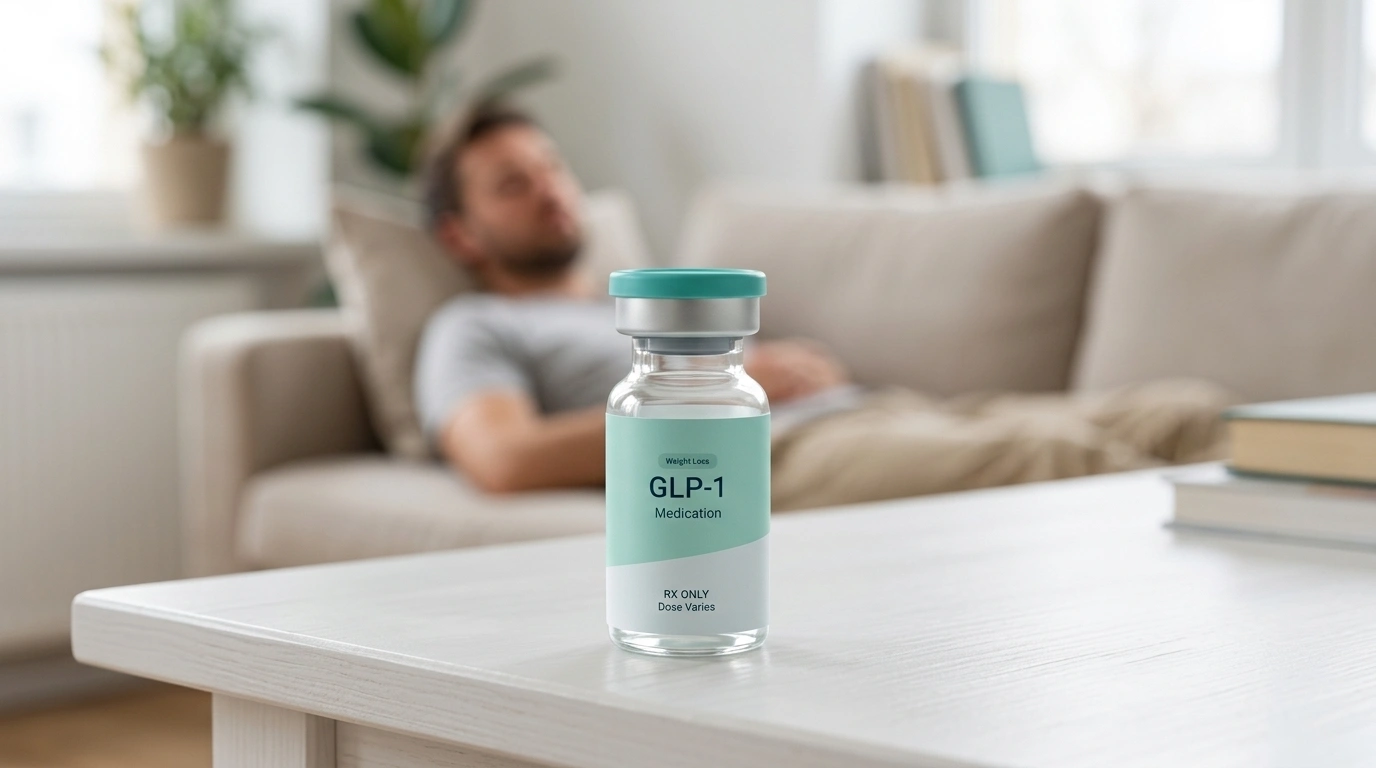
Introduction
The final “click” of a Wegovy® pen often brings a sense of accomplishment. It marks another successful step in a personalized weight loss journey. However, once the dose is administered, a practical and safety-related question remains: what should you do with the device now? Improperly discarding medical sharps can lead to accidental injuries for your family, pets, and sanitation workers. At TrimRx, we believe that a successful health transformation involves not only the treatment itself but also the responsible management of your medical supplies. This article covers everything you need to know about where to dispose of used Wegovy pens, how to use sharps containers, and how to find local disposal programs. Understanding these safety protocols ensures that your path to better health remains safe for you and your community.
Quick Answer: Used Wegovy pens must be placed in an FDA-cleared sharps container immediately after use. When the container is approximately 75% full, it should be disposed of at a designated collection site, such as a pharmacy, hospital, or through a certified mail-back program. Never place loose pens or needles in regular household trash or recycling bins.
Why Proper Disposal of Wegovy Pens Matters
When you use an injectable medication like Wegovy® (semaglutide), you are handling what the medical community calls “sharps.” This clinical term refers to any medical device with sharp points or edges that can puncture or cut the skin. Because Wegovy pens contain an integrated needle, they cannot be treated like standard household waste.
The primary concern is the prevention of needle-stick injuries. Even if you are the only person using the medication, a used needle can carry bloodborne pathogens or cause painful punctures. If a pen is thrown into a regular kitchen trash bag, it can easily poke through the plastic and injure a family member or a waste management professional. Sanitation workers handle thousands of bags a day; a loose needle in the trash is a significant occupational hazard for them.
Furthermore, medical devices made of plastic and metal do not belong in standard recycling bins. Most municipal recycling centers are not equipped to handle medical waste. Placing a pen in a blue bin creates a hazard for the workers who often sort materials by hand. Proper disposal protects your household and ensures that medical waste is treated according to environmental regulations.
The Environmental Impact
Beyond immediate physical safety, there is an environmental component to medical waste management. Injectable pens contain residual medication and complex mechanical parts. If these items end up in a landfill, there is a risk of chemical leaching into the soil or water supply over long periods. While the amount of medication left in a “spent” pen is minimal, the cumulative effect of millions of users matters. High-temperature incineration at specialized facilities is the standard way to destroy these devices, ensuring that both the biological and chemical risks are neutralized.
The Standard: Using an FDA-Cleared Sharps Container
The safest and most recommended way to store your used pens is in an FDA-cleared sharps disposal container. These are specialized containers made of heavy-duty, puncture-resistant plastic. They are usually bright red and marked with a biohazard symbol to indicate that the contents are dangerous.
You can typically find these containers at local pharmacies, medical supply stores, or through online retailers. Most are designed with a one-way entry point, making it easy to drop a pen in but difficult for anything to fall out. They are built to withstand the rigors of transport and disposal without breaking or leaking.
| Feature | FDA-Cleared Sharps Container | Standard Trash Bin |
|---|---|---|
| Material | Puncture-resistant, heavy-duty plastic | Thin plastic liners or metal/plastic bins |
| Lid Type | Locking, leak-proof, permanent seal | Open or loose-fitting |
| Safety Symbol | Biohazard warning included | None |
| Disposal Path | Specialized medical waste processing | Landfill or standard recycling |
Manufacturer and Mail-Back Programs
The manufacturer of Wegovy®, Novo Nordisk, provides dedicated resources for patients to manage their waste. Because they are committed to the safe use of their products, they often offer a free sharps disposal container program for individuals prescribed their medication.
When you sign up for these programs, the company ships a container directly to your home. This container often comes with a pre-paid return shipping label or specific instructions on how to mail the container back once it is full. This “mail-back” system is incredibly convenient for those who do not live near a dedicated medical waste drop-off site. We recommend checking the official manufacturer website or the patient information leaflet included with your prescription for the most current details on these free programs.
Key Takeaway: Using an FDA-cleared container is the “gold standard” for safety. These are specifically engineered to prevent needles from poking through the sides, even if the container is dropped or crushed.
DIY Disposal: Creating a Safe Temporary Container
If you do not have an FDA-cleared sharps container immediately available, you can create a temporary disposal container using common household items. However, not every plastic bottle is suitable. To be safe and compliant with health guidelines, your DIY container must meet several strict criteria.
The Right Material
The container must be made of heavy-duty plastic. Thin plastics, such as water bottles, soda bottles, or milk jugs, are not acceptable. A needle can easily pierce through the side of these materials. An empty, thick-walled laundry detergent bottle or a heavy-duty liquid fabric softener container is usually the best choice. These materials are thick enough to resist punctures from the small needles used in GLP-1 (glucagon-like peptide-1) receptor agonist pens.
The Lid and Seal
A safe container must have a tight-fitting, puncture-resistant lid. You should be able to screw the lid on tightly so that it cannot be easily removed by a child. Once the container is ready for final disposal, you should further secure the lid with heavy-duty tape, such as duct tape, to ensure it remains sealed during transit.
Stability and Labeling
The container should be able to stand upright and remain stable on a flat surface. You must also clearly label the outside of the container. Use a permanent marker to write “SHARPS – DO NOT RECYCLE” or “BIOHAZARD” in large, legible letters on multiple sides of the bottle. This alerts anyone who might come across the container that it contains hazardous materials.
Myth: A coffee can is a safe alternative for needle disposal.
Fact: Most modern coffee cans are made of thin plastic or have flimsy lids that can pop off if dropped. A heavy-duty laundry detergent bottle with a screw-top lid is a much safer DIY option because the lid is more secure and the plastic is denser.
Step-by-Step Guide: How to Dispose of Your Wegovy Pen
Managing your medical waste doesn’t have to be complicated. Following a consistent routine after each injection will help you stay organized and safe. For additional guidance on injection preparation and post-injection handling, review this Wegovy injection and disposal guide.
Step 1: Immediate Disposal.
Right after you hear the final click and remove the pen from your skin, place the entire pen into your sharps container. Do not attempt to remove the needle or recap the pen. Recapping is one of the most common ways people accidentally stick themselves with a needle.
Step 2: Monitor the Fill Line.
Never wait until a sharps container is overflowing to dispose of it. Most containers have a “fill line” marked on the outside. As a general rule, when the container is about 75% full (three-quarters of the way), it is time to stop adding pens and start the final disposal process.
Step 3: Secure the Container.
Once you reach the 75% mark, close the lid tightly. If you are using a DIY container, wrap duct tape around the lid and the neck of the bottle to create a permanent seal. This prevents the lid from coming loose if the container is jostled during transport.
Step 4: Find a Drop-Off Location.
Take the sealed container to a designated disposal site. Depending on where you live, this could be a pharmacy, a hospital, or a local hazardous waste facility.
Note: If you do experience an accidental needle stick from a used pen, wash the area immediately with soap and water and contact a healthcare professional or an urgent care center for guidance.
Where to Take Full Containers: Local Disposal Options
Finding a place to take your full sharps container depends largely on your local and state regulations. While some areas allow for specific types of residential disposal, many have strict rules about medical waste.
Supervised Collection Sites
Many healthcare facilities act as “drop-off” points for the community. These can include:
- Local hospitals and clinics
- Some retail pharmacies (always call ahead to confirm)
- Medical waste facilities
- Doctors’ offices
These sites are equipped to handle large volumes of medical waste and ensure that your container is incinerated or processed according to safety standards. In some states, like New York, hospitals are legally required to accept properly contained home sharps.
Household Hazardous Waste Sites
Many cities have Household Hazardous Waste (HHW) collection centers. These are the same places where you might take old paint, motor oil, or batteries. Because medical sharps are considered hazardous, many HHW sites have dedicated bins for sharps containers. Check your local government website for a list of locations and operating hours.
Residential Special Waste Pickup
In some communities, you can arrange for a special waste pickup directly from your home. This is often a service provided by your local trash collection company. They may provide you with a specific box or bag to place your sharps container in before they collect it.
Mail-Back Programs
If you cannot find a local drop-off site, mail-back programs are an excellent alternative. Several companies sell FDA-cleared sharps containers that include a pre-paid shipping box. Once the container is full, you simply place it in the box and drop it off at a post office or shipping center. This is often the most reliable method for those in rural areas.
Bottom line: Disposal rules vary significantly by zip code. Always check with your local health department or use a local sharps disposal directory to find the specific requirements for your area.
Traveling with Wegovy: Disposal on the Go
Maintaining your weight loss routine while traveling is important, but it requires a bit of extra planning for waste disposal. You should never leave a used pen in a hotel trash can or an airport restroom bin.
When traveling, consider carrying a “travel-size” sharps container. These are small, portable versions of the standard red containers that can fit easily into a carry-on bag or backpack. If you do not have one, you can use a small, sturdy plastic travel container—like a small detergent bottle or a travel-sized soap container—as a temporary holder until you return home or find a proper disposal site.
If you are flying, the TSA allows you to carry your medication and used sharps, provided they are stored in a puncture-resistant container. To make the security process smoother, it is helpful to keep your prescription label or a letter from your doctor with your supplies. Many large airports also have sharps disposal kiosks in the restrooms or near medical clinics.
Managing Other Supplies: Vials and Packaging
While the Wegovy® pen itself requires special handling, other parts of the packaging do not. This distinction can help you reduce the amount of space your sharps container takes up.
What goes in the Sharps Container:
- The used Wegovy pen (containing the internal needle)
- The pen cap (it is best to leave it on the pen when you drop it in)
- Any other used needles or syringes
What goes in the Regular Trash or Recycling:
- The outer cardboard box (this can usually be recycled)
- The paper medication guide and instructions (can be recycled)
- Alcohol prep pad wrappers (the pads themselves should be thrown in the trash)
- The plastic tray that holds the pens inside the box (check local recycling rules for this specific plastic type)
By separating the paper and cardboard from the medical waste, you can keep your sharps container dedicated only to the items that actually pose a puncture risk, extending the time it takes to reach that 75% fill line.
Common Mistakes to Avoid
Even with the best intentions, it is easy to make a mistake when starting a new medication routine. Here are the most important things to avoid when disposing of your pens:
- Never flush them: You should never flush used needles or pens down the toilet. They can cause major clogs in your plumbing and eventually end up in the water supply or on beaches.
- Avoid the “Recycle” bin: As mentioned earlier, even if the pen is made of plastic, it is medical waste. Putting it in the recycling bin endangers workers who handle the materials.
- Don’t overfill: Forcing a pen into a container that is already full is a major cause of needle-stick injuries. Respect the 75% fill line to keep your hands away from the opening.
- No loose needles: Never throw a loose pen or needle directly into a trash bag, even if you think it is buried deep inside. Bags tear, and workers often lift bags from the bottom, where a needle could be protruding.
For more practical information, see this guide to disposing of Wegovy pens safely and legally.
Personalized Support Through TrimRx
Safe disposal is just one small part of a larger commitment to your health. At TrimRx, we understand that the logistical side of weight loss—like managing supplies, navigating telehealth, and understanding your medication—can sometimes feel overwhelming. Our mission is to simplify that process by providing a clear, supportive path toward your goals.
Our platform connects you with licensed providers who can help determine if GLP-1 medications are right for your body and your lifestyle. Whether you are prescribed branded options or compounded semaglutide—which is prepared by FDA-registered, inspected compounding pharmacies—we prioritize transparency. While compounded medications are not FDA-approved, they can be an accessible part of a personalized program for eligible patients.
We offer a comprehensive service model that includes doctor consultations, lab work, and unlimited support. We also provide targeted supplements like GLP-1 Daily Support to help manage the transition and support your body’s nutritional needs during weight loss. From our initial free assessment quiz to ongoing support from specialists, we prioritize empathy every step of the way. Our goal is to help you build sustainable habits, and that includes the safe and responsible management of your medical journey from start to finish.
Conclusion
Properly disposing of your used Wegovy® pens is a vital responsibility that ensures the safety of your home and community. By using an FDA-cleared sharps container, participating in manufacturer mail-back programs, or following local hazardous waste guidelines, you can manage your medical supplies with confidence. Remember to always prioritize heavy-duty plastic for storage, avoid regular trash bins, and seal your containers before final disposal.
Key Takeaway: Taking the time to dispose of your pens correctly is a reflection of the care and discipline you are putting into your overall health journey. It protects those around you while ensuring your treatment remains as professional and safe as possible.
If you are ready to explore a comprehensive, medically supervised weight loss program that fits your life, we invite you to take the free assessment quiz to see how a personalized plan can support your long-term wellness goals.
FAQ
Can I throw the pen in the regular trash if I put the cap back on?
No, you should never throw a Wegovy® pen in the regular household trash, even with the cap on. During the waste collection and compaction process, caps can easily become dislodged, exposing the needle and creating a risk of injury for sanitation workers. Always use a puncture-resistant sharps container for any device containing a needle.
Where can I find a drop-off location near me?
The best way to find a local disposal site is to contact your local health department, pharmacy, hospital, or municipal trash collection service for specific community guidelines. You can also use a local sharps disposal directory to search for locations by zip code across the United States.
What should I do if I accidentally prick myself with a used needle?
If you experience an accidental needle stick, stay calm and immediately wash the area thoroughly with warm water and soap. You should then contact a healthcare provider or visit an urgent care clinic as soon as possible for evaluation. They can determine if any preventative treatments or blood tests are necessary based on your medical history.
Can I recycle the plastic Wegovy pen?
Wegovy® pens cannot be placed in standard household recycling bins because they are classified as medical waste containing needles and residual medication. While the outer casing is plastic, the internal components and biological risk mean they must be processed at a specialized facility that typically uses high-heat incineration.
How can I learn more about getting GLP-1 treatment through telehealth?
If you are considering prescription GLP-1 treatment, you can complete a free eligibility assessment. You can also review how online GLP-1 prescriptions work before deciding whether a telehealth program fits your needs.
Disclaimer: This content is for informational purposes only and does not constitute medical advice. It is not intended to diagnose, treat, cure, or prevent any disease or condition. Individual results may vary. Always consult a qualified healthcare professional before starting any weight loss program or medication.

Transforming Lives, One Step at a Time
Keep reading
Horseback Riding on Wegovy or Ozempic
For a lot of people, horseback riding is one of the activities weight once put out of reach. Stables and trail outfitters set rider…
Should You Suggest Wegovy to a Family Member?
When a treatment changes your life, you want the people you love to have the same chance. Maybe your sister has struggled with her…
Injecting Wegovy With Stiff or Shaky Hands
A weekly injection takes a minute for most people. If you have arthritis in your hands, a tremor, weak grip strength, or numb fingers,…


