How to Discard Ozempic Pen Safely and Correctly
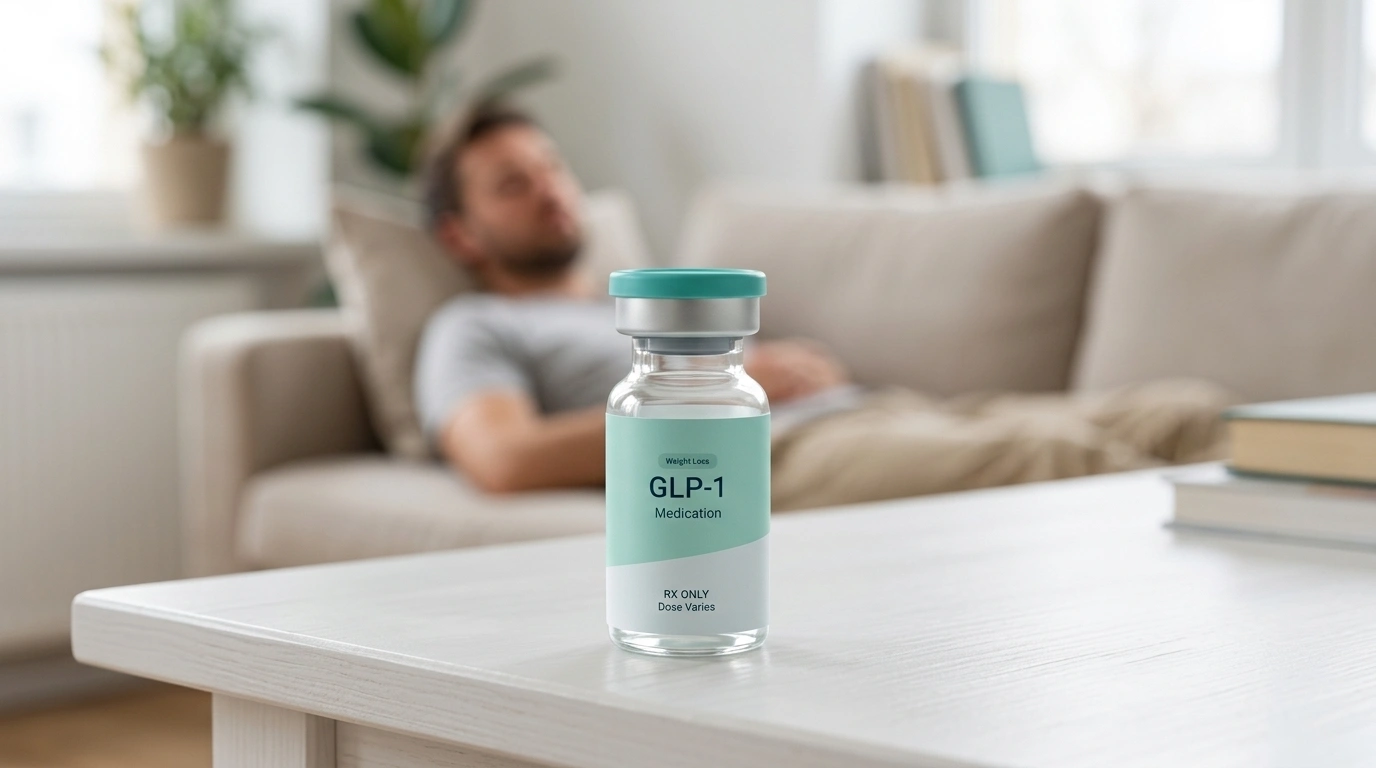
Introduction
Starting a weight loss journey often involves learning new habits, from adjusting your nutrition to managing your weekly medication. For many individuals, using a GLP-1 medication like Ozempic® is a significant step toward better metabolic health. However, once you have finished your dose, a common question arises: what is the right way to get rid of the device? Knowing how to discard Ozempic pen components is not just about keeping your home tidy; it is a vital part of public safety and environmental responsibility.
At TrimRx, we prioritize your safety at every stage of your program, including the moments after your injection is complete. If you are ready to take the next step, you can take the free assessment quiz to see whether a personalized plan is a fit. This post covers exactly how to handle used needles, where to find disposal containers, and how to navigate local regulations. By following these steps, you ensure that your health journey remains safe for you, your family, and your community.
Why Proper Disposal Matters
When you finish your weekly injection, you are left with two distinct pieces of waste: the needle and the pen itself. Neither of these belongs in your regular kitchen trash can or your blue recycling bin. There are three primary reasons why following a specific disposal protocol is necessary.
First, safety is the most immediate concern. Used needles, also known as sharps, can carry blood-borne pathogens. If a needle is thrown into a standard trash bag, it can easily puncture the plastic and injure sanitation workers, janitors, or even curious pets and children at home.
Second, the pen device is a complex piece of medical equipment. Even when the reservoir appears empty, trace amounts of medication may remain. Furthermore, the internal mechanisms are made of a mix of plastics and metals that are not compatible with standard municipal recycling programs.
Third, many states and local municipalities have strict laws regarding medical waste. Improperly disposing of sharps can lead to fines or a refusal of trash pickup in certain areas. Following the correct steps protects you from legal headaches and keeps the waste management system running smoothly.
Key Takeaway: Proper disposal prevents accidental needle sticks and ensures that medical waste does not contaminate local recycling streams or endanger workers.
The Essential Role of a Sharps Container
The most important tool for discarding your medication components is a sharps disposal container. These are heavy-duty, puncture-resistant boxes designed specifically to hold used needles and pens.
FDA-Cleared Sharps Containers
The gold standard for safety is an FDA-cleared sharps container. You can typically find these at local pharmacies, medical supply stores, or through online retailers. These containers are usually bright red and feature a locking lid that prevents items from falling out if the box is tipped over. They also have a clear “fill line” to let you know when it is time to stop adding waste and start the final disposal process.
Using Household Containers as an Alternative
If you do not have an FDA-cleared container immediately available, you can create a temporary one using a household item. However, not any bottle will do. The container must meet specific criteria to be safe:
- Material: It must be made of heavy-duty, thick plastic.
- Closure: It must have a tight-fitting, puncture-resistant lid.
- Stability: It must be able to sit upright and remain stable during use.
- Leak Resistance: It must be able to hold any residual liquid without leaking.
Empty laundry detergent bottles or heavy-duty bleach containers are often acceptable choices. You should never use glass jars, thin plastic water bottles, or cardboard boxes, as needles can easily break or poke through these materials. If you use a household container, always label it clearly with a warning that says “BIOHAZARD” or “DO NOT RECYCLE – SHARPS INSIDE.”
Step-by-Step Guide: How to Discard Ozempic Pen
The process of discarding your pen should begin the moment your injection is finished. Do not leave the used needle on the counter or in a common area “for later.”
Step 1: Remove the needle. After your injection, carefully unscrew the needle from the pen. Do not try to put the small plastic needle cap back on with your hands, as this is a common time for accidental needle sticks. Use the larger outer needle cap to unscrew it or drop the needle directly into your sharps container if your container has a built-in removal notch.
Step 2: Place the needle in the sharps container. Drop the needle immediately into your designated sharps bin. The needle is the highest-risk component of the device and must be secured first.
Step 3: Handle the empty pen. The Ozempic® pen body is also considered medical waste. While the needle is the primary “sharp,” the pen itself should also be placed into the sharps container or a designated medicine return container. Do not attempt to take the pen apart or pry out the internal glass cartridge.
Step 4: Secure the container. Keep your sharps container in a safe, high place where children and pets cannot reach it. Always ensure the lid is snapped shut after every use, even if you haven’t reached the fill line yet.
Bottom line: The needle and the pen should be separated, with the needle going immediately into a puncture-proof container to prevent injury.
Where to Take Your Full Sharps Container
Once your container reaches the “full” line (usually about three-quarters of the way to the top), it is time to dispose of the container itself. You should never force more items into a container that is already full, as this increases the risk of a needle stick.
At TrimRx, we encourage all our members to research their specific local guidelines, as the rules for “the final destination” of medical waste vary significantly by state and even by county.
Community Drop-Off Sites
Many towns have designated locations where residents can bring their full sharps containers. These might include:
- Local hospitals or clinics
- Health department offices
- Fire stations
- Designated “hazardous waste” collection days at local parks or community centers
Pharmacy Take-Back Programs
Some retail pharmacies participate in needle disposal programs. They may provide you with a new container when you drop off your full one. It is always best to call ahead and ask if your local pharmacy accepts used sharps, as many are limited by space or local regulations.
Mail-Back Services
Mail-back programs are a convenient option for those who live in rural areas or have limited mobility. For a fee, a company will send you a specially designed shipping box and a pre-paid mailing label. Once your container is full, you seal it inside the shipping box and send it to a licensed medical waste facility. Some branded medication manufacturers, like Novo Nordisk, offer their own disposal programs that may provide free containers or mail-back options for their specific products.
Household Trash (Limited Areas)
In a small number of jurisdictions, it is legal to place a sealed, taped, and labeled sharps container in the regular household trash. However, this is becoming less common. You must verify that this is allowed in your specific area by visiting your local sanitation department’s website. If you choose this route, you must use heavy-duty duct tape to secure the lid and ensure the “DO NOT RECYCLE” label is clearly visible.
Environmental Responsibility and Recycling
A frequent question we hear is whether the plastic from the pen can be recycled. It is a natural impulse to want to be eco-friendly, especially when using a medication every week for several months or years.
Unfortunately, Ozempic® pens and other similar GLP-1 devices cannot be recycled through your curbside program. There are two reasons for this. First, they are categorized as medical waste, which means recycling facilities are not equipped to handle them. If a pen ends up on a sorting belt at a standard recycling plant, the entire batch of plastic may have to be thrown into a landfill to avoid potential biohazard contamination.
Second, the pens are made of “multi-material” construction. They contain high-density plastics, metal springs, and rubber components. Standard recycling works best with single-material items like milk jugs or aluminum cans. Separating the parts of a medical pen is dangerous and labor-intensive.
Myth: “If I remove the needle, the plastic pen can go in the recycling bin.” Fact: Even without the needle, the pen body is considered medical waste and contains mixed materials that standard recycling centers cannot process safely.
Managing Disposal While Traveling
If you are traveling while on a GLP-1 program, you must still maintain safe disposal habits. You should never leave used needles in hotel trash cans or airplane seat pockets.
To make travel easier, our guide to traveling with GLP-1 medications covers TSA rules, storage, and international considerations in more detail.
- Travel-Sized Containers: You can purchase small, pocket-sized sharps containers designed specifically for travelers. These fit easily into a carry-on bag or purse.
- The “Wait and See” Approach: If you do not have a travel container, you can carefully re-cap the needle using the “one-handed scoop” method (placing the cap on a flat surface and sliding the needle into it without using your other hand), then store the used pen and needle in a secure, hard-sided case until you return home to your main sharps bin.
- TSA Guidelines: The TSA allows you to carry used and unused needles in your carry-on luggage, provided they are accompanied by the medication. It is helpful to keep your prescription label or a letter from your provider with you to make the security process smoother.
Personalized Care Beyond the Injection
Understanding the logistics of your treatment is just as important as the clinical side of weight loss. At TrimRx, we believe that a successful health transformation requires a supportive environment and clear information.
Our telehealth platform connects you with licensed providers who can help you navigate the complexities of GLP-1 medications, including semaglutide and tirzepatide. We provide a streamlined, online-only experience that includes your medical consultation and medication coordinated through trusted pharmacies. If you want nutritional support alongside your treatment, the GLP-1 Daily Support supplement is designed for that kind of routine support.
By handling the clinical details and providing education on topics like safe disposal, we allow you to focus on what matters most: your progress and your well-being. If you are ready to start a program tailored to your unique health profile, complete the free assessment quiz to see your options.
Conclusion
Discarding your Ozempic® pen correctly is a vital final step in your weekly health routine. By using a puncture-resistant sharps container, separating the needle from the device, and following your local community guidelines for medical waste, you protect yourself and those around you. Remember that while these devices are incredible tools for metabolic health, they require a specific end-of-life process that differs from standard household waste.
As you continue your journey, keep these takeaways in mind:
- Always use a sharps container (FDA-cleared or a heavy-duty DIY version).
- Never recycle medical pens or needles in curbside bins.
- Identify a local drop-off site or mail-back program before your container is full.
- Keep all medical waste out of reach of children and pets.
TrimRx is dedicated to making modern weight loss accessible, safe, and transparent. If you want energy support during your broader weight loss routine, the Weight Loss Boost supplement is another option to explore. We are here to support you not just with medication, but with the knowledge you need to manage every aspect of your treatment with confidence.
Key Takeaway: Safe disposal is the final act of a responsible weight loss journey. Taking the time to do it correctly ensures your health goals never come at the expense of community safety.
FAQ
Can I throw the Ozempic pen in the trash if I put the cap back on?
No, you should not throw the pen or the needle in the regular trash even with the cap on. Caps can easily pop off during the trash compaction process, exposing sanitation workers to potential needle sticks. Always use a puncture-resistant sharps container for both the needle and the pen body.
Where can I get a free sharps container?
Many state health departments or local clinics offer free sharps containers to residents. Additionally, the manufacturer of Ozempic®, Novo Nordisk, often provides free disposal containers through their patient support programs. You can also check with your local pharmacy to see if they provide them as part of their pharmacy services.
What should I do if I accidentally prick myself with a used needle?
If you experience a needle stick injury, wash the area immediately with soap and water or use a skin disinfectant like rubbing alcohol. You should contact a healthcare provider or go to an urgent care center right away. They can assess the risk of infection and determine if you need any preventative treatments or follow-up testing.
Is the disposal process different for compounded semaglutide?
The disposal process for needles used with compounded semaglutide is exactly the same as for branded pens. All used needles are considered sharps and must be placed in a puncture-resistant container. If your compounded medication comes in a vial rather than a pen, the empty glass vial should also be placed in your sharps container to prevent breakage and ensure safe handling.
Disclaimer: This content is for informational purposes only and does not constitute medical advice. It is not intended to diagnose, treat, cure, or prevent any disease or condition. Individual results may vary. Always consult a qualified healthcare professional before starting any weight loss program or medication.

Transforming Lives, One Step at a Time
Keep reading
Want to Stop Ozempic but Your Provider Says Stay? How to Discuss It
Lead with your actual reason, because the conversation usually goes wrong when you argue about the evidence instead. Your provider is not wrong about…

Regained Weight After Stopping Ozempic? Don’t Restart at Your Old Dose
No. Whatever else you do, do not pick up where you left off. Tolerance to a GLP-1 is not assumed to persist through a…
Eating Less Than Ever on Ozempic but the Scale Won’t Move
Whatever else is true here, the answer is not to eat less. That needs saying first, because it is the direction this situation pushes…


