Safe Disposal of Mounjaro Pens: A Guide for Your Health Journey
Introduction
A truly responsible approach to wellness extends to every detail, encompassing mindful choices even after a medication has served its purpose. The increasing use of injectable weight loss medications, such as Mounjaro, has brought transformative health benefits to many, but it also highlights a critical, often overlooked, aspect of responsible medication management: proper disposal of used pens and sharps. This isn’t merely a matter of following instructions; it’s a vital commitment to protecting ourselves, our families, our communities, and the environment from potential harm.
This guide aims to illuminate the crucial practices for safely disposing of Mounjaro pens and other medical sharps. We understand that embarking on a weight loss journey is a significant step, and managing all its facets, including the practicalities of medication use and disposal, is part of building a sustainable, healthier lifestyle. For individuals utilizing injectable medications, understanding these precise steps is not just beneficial—it’s essential. We will delve into why safe disposal matters, the essential tools you’ll need, detailed disposal options available across various communities, and how to navigate local regulations. What makes this post unique is its commitment to connecting these practical guidelines to the broader context of a supportive and personalized wellness philosophy, much like the holistic, medically supervised care we champion at TrimRx.
Ultimately, proper sharps disposal is an integral, often overlooked, component of a responsible and sustainable health journey. By the end of this article, you will have a clear understanding of where to dispose Mounjaro pens and other sharps safely and effectively, reinforcing your dedication to a comprehensive approach to health. We will explore this topic thoroughly, from the fundamental reasons behind safe disposal to specific community programs and best practices, empowering you with the knowledge to manage every aspect of your wellness journey confidently.
Why Safe Sharps Disposal is Non-Negotiable
The act of safely disposing of medical sharps, including Mounjaro pens, is a fundamental responsibility that underpins public health, environmental stewardship, and personal safety. It’s a small but significant action that carries far-reaching implications.
Protecting Public Health and Safety
The most immediate and critical reason for careful sharps disposal is to prevent accidental needle-stick injuries. Used needles and other sharps can inadvertently cause cuts, punctures, and injuries to anyone who comes into contact with them—from household members and pets to waste management personnel and even children. A loose needle in a trash bag or a public area poses a severe health risk. Beyond the physical injury, there’s the dangerous potential for transmitting bloodborne pathogens, such as HIV, Hepatitis B, and Hepatitis C, if a used needle punctures the skin. These diseases can have profound and lasting impacts on an individual’s health. By immediately placing used sharps into an appropriate container, we dramatically reduce these risks, creating a safer environment for everyone.
Environmental Responsibility
Our commitment to a healthier lifestyle extends beyond our personal well-being to the health of our planet. When sharps are improperly discarded, they can become environmental pollutants. Needles found in parks, beaches, or landfills can injure wildlife, contaminate natural ecosystems, and pose risks to individuals recreating in these areas. The careful segregation of hazardous waste, such as medical sharps, prevents these items from entering general waste streams where they could cause ecological damage or endanger sanitation workers. Embracing proper disposal practices is a tangible way to practice environmental stewardship, aligning with a broader commitment to sustainable practices and the well-being of all living things.
Legal and Ethical Obligations
Disposal of medical waste, including used sharps, is governed by a patchwork of federal, state, and local regulations. These laws are in place to mitigate public health risks and ensure environmental protection. While specific guidelines can vary significantly from one community to another, the overarching principle remains consistent: sharps must never be disposed of loosely in household trash, recycling bins, or toilets. Understanding and adhering to these rules is not only a legal obligation but an ethical one. It demonstrates respect for community safety and health infrastructure. At TrimRx, we advocate for informed and responsible health practices across every dimension of your wellness journey. Our commitment to transparent service includes empowering you with comprehensive information to make safe choices, ensuring your health journey is managed with the highest standards of care and responsibility.
Understanding Your Mounjaro KwikPen and Vial Disposal Needs
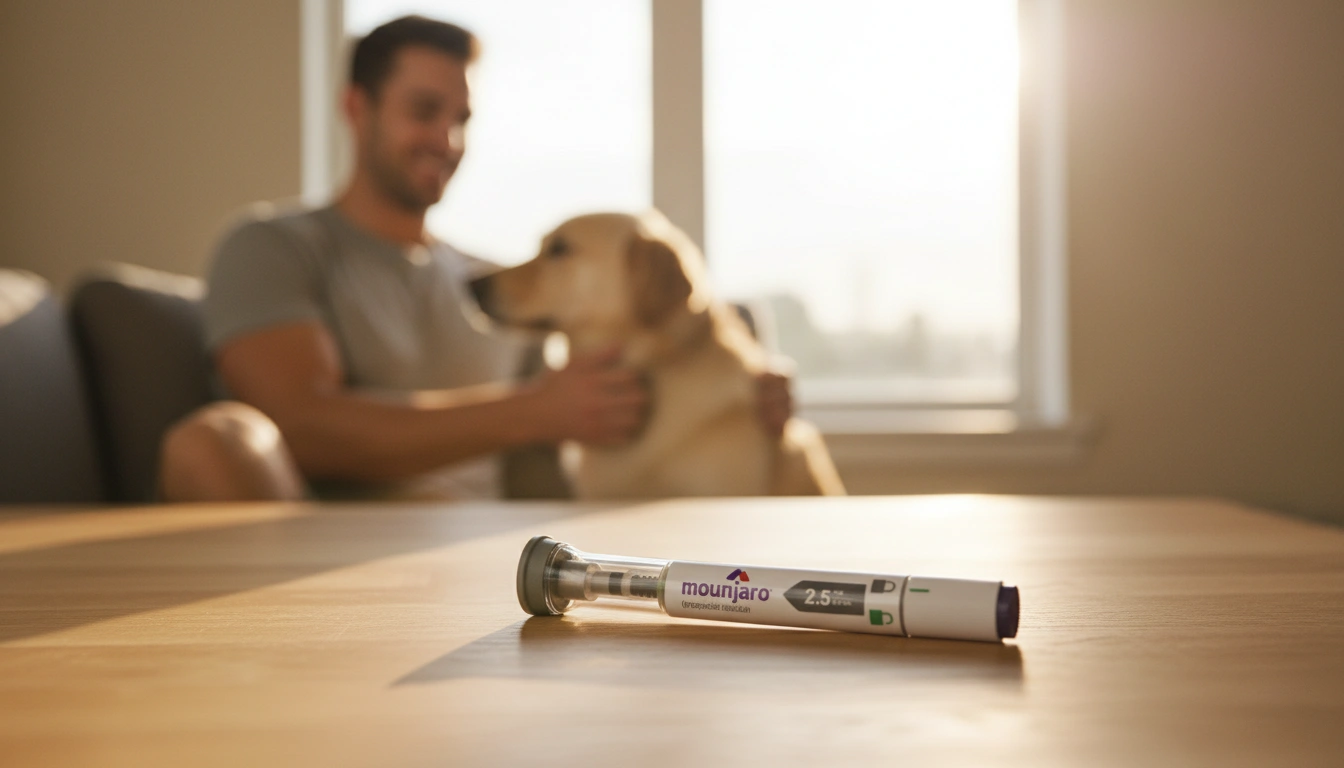
Mounjaro, containing tirzepatide, is an effective medication delivered via injection, often through a pre-filled pen called a KwikPen. Understanding the specific disposal requirements for these devices is crucial for safety and compliance.
Mounjaro KwikPen Specifics
The Mounjaro KwikPen is designed for convenience, delivering precise doses over several weeks. However, its multi-dose nature means there are specific guidelines for when to discontinue its use and how to dispose of it. The Mounjaro KwikPen should be discarded after you have received four weekly doses, or no later than 30 days after its first use, even if some medication might still remain in the pen. This timeframe is critical not only for ensuring the medication’s stability and efficacy but also for maintaining its sterility and preventing potential contamination. Adhering to this timeline protects the integrity of your treatment and ensures the safe handling of the device once it’s no longer in use.
Vial, Syringe, and Needle Disposal
While the KwikPen is a common delivery method, some individuals may use Mounjaro from vials, requiring separate syringes and needles for administration. In such cases, each component—the used Mounjaro vial, the syringe, and the needle—must be discarded safely and immediately after use in a puncture-resistant container. It is important to remember that all opened vials should be discarded after use, even if there appears to be medicine left inside. The reason for this is primarily sterility; once opened, a vial’s sterility cannot be guaranteed for extended periods, and any residual medication should not be used. Proper disposal of these individual components prevents accidental exposure to potential biological contaminants and sharp edges.
For those engaging with our personalized programs, which may include options such as Compounded Tirzepatide or Oral Tirzepatide, or branded medications like Mounjaro®, Zepbound®, Ozempic®, Wegovy®, Compounded Semaglutide, or Oral Semaglutide, understanding the specific disposal instructions for your prescribed medication and its delivery device is a cornerstone of safe and effective treatment. We encourage you to consult the full instructions for use provided with any medication and to utilize resources like our free assessment quiz to explore the most suitable personalized treatment plan for your needs.
Essential Tools for Safe Sharps Disposal: Sharps Containers
The cornerstone of safe sharps disposal is the appropriate container. Understanding what constitutes a “sharps disposal container” and why it’s indispensable is key to protecting yourself and others.
What is a Sharps Disposal Container?
A sharps disposal container is a specialized receptacle designed explicitly for the safe containment of used needles, syringes, lancets, and other sharp medical instruments. These containers are engineered to prevent accidental punctures, leaks, and spills, thereby safeguarding individuals who handle waste.
Key characteristics of an effective sharps disposal container include:
- Heavy-Duty Plastic Construction: Made from durable, rigid plastic that resists punctures and crushing.
- Tight-Fitting, Puncture-Resistant Lid: Designed to securely close and prevent sharps from escaping or protruding.
- Leak-Resistant: Prevents any residual fluids or medication from leaking out.
- Upright and Stable During Use: Shaped to remain stable on a flat surface, minimizing the risk of tipping over.
- Properly Labeled: Often marked with a biohazard symbol or a clear warning of hazardous waste inside.
These containers are engineered to provide a secure barrier between used sharps and anyone who might come into contact with them.
Why Standard Trash Cans Aren’t Enough
Disposing of Mounjaro pens or other sharps directly into a standard household trash can, recycling bin, or toilet is profoundly dangerous and strictly prohibited.
- Lack of Puncture Resistance: Ordinary plastic trash bags and thin-walled household containers offer no protection against sharp objects. Needles can easily pierce through them, becoming exposed and dangerous.
- Risk to Waste Handlers: Sanitation workers, who handle countless bags of trash daily, are at severe risk of needle-stick injuries when sharps are improperly discarded. These injuries can lead to serious infections and long-term health complications.
- Exposure Risk: Loose sharps can injure children, pets, and anyone who might interact with household waste. If flushed down a toilet, needles can clog plumbing systems and potentially end up in public waterways, posing environmental and public health hazards.
Using a designated sharps container is the only truly safe and responsible method for initial collection.
Where to Acquire a Sharps Container
Obtaining a sharps disposal container is typically straightforward:
- Local Pharmacies: Many pharmacies, including major chains, stock and sell FDA-cleared sharps containers. It’s advisable to call ahead to confirm availability.
- Online Retailers: A wide array of sharps containers can be purchased through online medical supply stores or general e-commerce platforms.
- Healthcare Providers: Some doctors’ offices, clinics, or hospitals may provide sharps containers or direct you to resources for obtaining them, especially when prescribing injectable medications.
- Manufacturer Programs: While not universal for all medications, some manufacturers offer free sharps containers and even mail-back programs for their specific products. While this may be seen with medications such as Wegovy, it’s always best to inquire with your healthcare provider or pharmacy regarding Mounjaro.
Ensuring you have access to a proper sharps container is an essential first step in your journey toward responsible medication management. This commitment aligns with our TrimRx values of empowering individuals with safe, effective weight loss solutions and comprehensive support, including the practicalities of medication use.
Navigating Disposal Options: Where to Dispose Mounjaro Pens
Once your sharps disposal container is about three-quarters full, it’s time to responsibly dispose of the entire container. The specific methods available will vary depending on your local community guidelines. It’s crucial to investigate and understand the options in your area.
Drop Box or Supervised Collection Sites
Many communities offer designated drop-off locations where you can safely dispose of your full sharps container. These sites provide a secure and convenient way to ensure proper disposal.
- Locations: Common drop box sites include hospitals, clinics, doctors’ offices, local pharmacies, community health departments, fire stations, and even some police stations. Certain medical waste facilities or specialized retail stores may also offer this service.
- How it Works: You simply bring your securely sealed sharps container to the designated drop box. Some sites may have specific hours or require you to inform staff.
- Benefits: This method is often convenient, provides immediate peace of mind, and can sometimes be free or available for a nominal fee. It ensures that the sharps are handled by professionals equipped to manage medical waste safely.
- How to Find Them: The best way to locate these sites is by contacting your local health department, waste management authority, or pharmacy. They can provide a list of approved drop-off locations in your vicinity.
Mail-Back Programs
Mail-back programs offer a convenient solution, particularly for individuals in rural areas or those with limited local drop-off options.
- Mechanism: These programs involve purchasing a special, FDA-cleared sharps disposal container that comes with a pre-paid, pre-addressed shipping label.
- Process: Once your container is full and securely sealed, you package it according to the manufacturer’s specific instructions and send it via the postal service (often USPS). The package is then routed to a licensed medical waste disposal facility.
- Benefits: Mail-back programs provide a safe and regulated method for sharps disposal from the convenience of your home. They are a reliable option when local drop boxes or hazardous waste sites are not accessible.
- Considerations: Fees apply, typically covering the cost of the container, shipping, and disposal. Strict adherence to the program’s specific packaging, labeling, and shipping rules is absolutely critical to ensure safe transit and compliance with postal regulations. Always use only FDA-clecleared containers specifically designed for mail-back.
Household Hazardous Waste (HHW) Collection Sites
Household Hazardous Waste (HHW) collection sites are established to manage various hazardous materials generated in homes, and many accept sharps containers.
- Role of HHW: These sites are equipped to handle items that pose risks to human health or the environment, such as paints, motor oils, and household cleaners.
- Acceptance: Many HHW collection sites include medical sharps in their list of accepted materials. However, it is essential to confirm with your specific local site, as acceptance policies can vary.
- How to Use: You would transport your securely sealed sharps container to the designated HHW collection facility during their operational hours.
- Benefits: HHW sites are a common and regulated avenue for disposing of various hazardous household items, making them a potentially convenient option if you are already utilizing their services for other waste.
Residential Special Waste Pick-Up Services
Some communities offer specialized services for the collection of medical waste, including sharps, directly from your home.
- Local Variations: The availability, frequency, and specific requirements for these services vary greatly by municipality.
- Requirements: These services often require sharps to be placed in specific types of containers or necessitate pre-registration and scheduling. Fees may also apply.
- Benefits: The convenience of home collection is a significant advantage, eliminating the need to transport sharps to a separate facility.
- How to Inquire: Contact your local city or county waste management department or public health services to determine if such a program exists in your area and what its specific protocols entail.
What to AVOID: Critical Disposal Errors
To safeguard health and the environment, consistently avoid these critical disposal errors:
- Never place Mounjaro pens or other sharps loosely in household trash, recycling bins, or toilets.
- Never overfill a sharps container. Once it’s about three-quarters full, it’s time for disposal to prevent accidental exposure.
- Never reuse a sharps disposal container. They are designed for single-use containment.
- Never attempt to remove needles from pens or syringes manually, as this significantly increases the risk of needle-stick injury.
By understanding and utilizing these various disposal methods, you play an active role in maintaining a safe and healthy environment for everyone, a practice that aligns with the comprehensive and caring approach we advocate for at TrimRx.
Interim Solutions: When a Sharps Container Isn’t Immediately Available
While having an FDA-cleared sharps container is the ideal, there might be situations where one isn’t immediately accessible. In such cases, it’s crucial to know how to safely store used sharps temporarily until proper disposal can be arranged.
Approved Household Alternatives
If you do not have a designated sharps disposal container, you may use certain household items as a temporary, emergency alternative. These containers must meet specific criteria to minimize risk:
- Heavy-Duty Plastic Containers: Opt for containers made of sturdy plastic that cannot be easily punctured. Examples include empty laundry detergent bottles, bleach bottles, or rigid coffee cans. Glass containers should never be used as they can break.
- Puncture-Resistant and Leak-Resistant: The container must be robust enough to prevent needles from piercing through it and must not leak any residual fluids.
- Tight-Fitting, Secure Lid: The container must have a lid that can be tightly closed and secured, ensuring that sharps cannot accidentally fall out. Screw-on caps or sturdy snap-on lids are preferable.
- Upright and Stable: The container should be able to stand upright on its own, preventing spills or tipping.
- Proper Labeling: Clearly label the container with a warning, such as “SHARPS – DO NOT RECYCLE” or “BIOHAZARD WASTE,” to alert others to its hazardous contents.
- Placement: Keep this temporary container out of reach of children and pets, in a secure location.
It is vital to emphasize that these household alternatives are temporary measures. The goal is to transition these contents into an FDA-cleared sharps container or dispose of them at an approved facility as soon as safely possible. They are not intended as long-term solutions for sharps disposal.
Travel Considerations
Managing injectable medications like Mounjaro while traveling requires foresight and planning to ensure safe disposal wherever you go.
- Planning Ahead: Always carry a small, travel-size sharps disposal container specifically designed for personal use. These are compact and easily portable.
- TSA Guidelines for Air Travel: If you are flying, it is imperative to check the Transportation Security Administration (TSA) website for the most up-to-date rules on traveling with medical sharps. Generally, sharps must be stored in an FDA-cleared sharps disposal container or a strong, plastic, puncture-resistant container with a screw-top or tightly secured lid. These containers are usually allowed in both carry-on and checked luggage. To facilitate your journey through airport security, ensure your medications are properly labeled with the type of medicine and the manufacturer’s name or a drug store label. Carrying a letter from your doctor outlining your medical necessity can also be beneficial.
- International Travel: When traveling internationally, research the specific regulations of your destination country regarding medical waste disposal. Laws can vary significantly, and being prepared can prevent complications. It’s often advisable to have a doctor’s note translated into the local language, if possible.
By being proactive and informed, you can maintain safety and responsibility for your Mounjaro pens and other sharps, whether you’re at home or exploring the world. Our commitment at TrimRx is to support you through every aspect of your health journey, ensuring you have the knowledge and tools for safe and effective care.
The Broader Context: Safe Disposal as Part of Your Personalized Health Journey
At TrimRx, we understand that a successful weight loss journey encompasses far more than just medication. It involves a holistic commitment to health, which includes responsible practices like proper sharps disposal. Our journey began with a shared vision to help individuals embrace healthier lifestyles by merging cutting-edge telehealth innovations with effective weight loss solutions. This approach means supporting you not just in how you take your medication, but also in how you responsibly manage it from start to finish.
Our Approach to Holistic Wellness
We believe that sustainable weight loss should be achieved through science, empathy, and a transparent approach. Our platform is a user-friendly and supportive space where individuals receive personalized, medically supervised care—all designed to make sustainable weight loss attainable and tailored to the individual. This holistic view extends to educating our members on all aspects of their treatment, including safe and proper medication disposal.
Our brand is empathetic, innovative, trustworthy, supportive, results-oriented, and personalized. We offer compassionate care that respects every individual’s unique journey by combining advanced medical science with modern technology. This commitment means empowering you with comprehensive information and resources for every stage of your health management.
From the moment you consider a personalized treatment plan, our free assessment quiz helps determine your eligibility for various prescription weight loss medications. These may include Compounded Semaglutide, Oral Semaglutide, Ozemp®, Compounded Tirzepatide, Oral Tirzepatide, Mounjaro®, Zepbound®, and Wegovy®. We ensure that you’re well-informed about the appropriate usage and necessary safety measures, including disposal, for your chosen path. Our commitment to transparent service means our approach remains consistent, regardless of dosage changes, always prioritizing your safety by working exclusively with FDA-registered and inspected pharmacies.
Beyond Medication: Comprehensive Support
Your health journey with TrimRx is supported by a comprehensive service that includes doctor consultations, necessary lab work, unlimited support from our team, and convenient shipping of your medication, all with no hidden fees. Our medications, whether branded like Ozempic® and Zepbound® (which are FDA-approved) or compounded options, are provided through FDA-registered and inspected pharmacies. It’s important to clarify that compounded medications are not FDA approved, but they are sourced from pharmacies that adhere to stringent FDA regulations. We believe in providing you with all the necessary tools and knowledge, and this includes guiding you through important practical aspects like where to dispose Mounjaro pens and other sharps safely. Our continuous support is there to guide you through every step, ensuring you feel confident and secure in your weight loss journey.
Supporting Your Journey with Quick-Access Supplements
Recognizing that a comprehensive approach to wellness often benefits from additional, immediate support, we also offer a range of quick-access supplements that do not require a quiz for purchase. These are designed to complement your overall well-being as you progress on your weight loss path.
Consider integrating our GLP-1 Daily Support into your routine. This supplement is formulated to provide foundational wellness support, enhancing your body’s natural processes.
Additionally, you might explore our Weight Loss Boost to give your efforts an extra push. These supplements are readily available for immediate purchase, offering direct support to complement your personalized weight loss program and overall health objectives. They exemplify our dedication to providing accessible and effective tools for a truly holistic and successful health transformation.
Finding Local Guidelines for Sharps Disposal
Understanding general guidelines for sharps disposal is a great start, but the crucial next step is to pinpoint the specific regulations and programs available in your immediate area. Disposal laws and accepted methods vary significantly across states, counties, and even cities within the USA.
State and Local Variations
It cannot be overstated: the importance of checking local guidelines is paramount. What is permissible in one city may be prohibited in another. These variations exist because local authorities are best positioned to develop solutions that address their community’s unique infrastructure, resources, and waste management capabilities.
Key resources for finding accurate, localized information include:
- Local Health Departments: Your city or county health department is often the primary source for information on medical waste disposal programs and regulations in your area. They can provide lists of drop-off sites, details on special collection events, or guidance on home disposal options.
- Waste Management Services: Your municipal or private waste management provider’s website or customer service line can offer specific instructions on how sharps containers are handled in your trash or recycling system, including details on residential pick-up services if available.
- City/County Websites: Many local government websites have dedicated sections for waste disposal, including information on household hazardous waste and sharps. A quick search using terms like “sharps disposal [your city/county]” will often yield relevant results.
- National Resources: For broader guidance, organizations like Safe Needle Disposal (1-800-643-1643 or [email protected]) can provide valuable state-specific information, including typical disposal programs and contact details for local agencies.
What Information to Look For
When you contact your local authorities or research online, focus on finding clear answers to the following questions:
- Approved Container Types: Are there specific types of sharps containers that are mandated or preferred in your area (e.g., specific sizes, colors, or brands)?
- Available Disposal Programs: What are the accepted methods for sharps disposal? This could include drop-off locations (hospitals, pharmacies, fire stations), mail-back programs, or scheduled residential pick-up services.
- Labeling and Securing Requirements: Are there specific labeling instructions for your sharps container (e.g., biohazard symbol, “DO NOT RECYCLE”)? How should the lid be secured for transport or collection?
- Final Disposal Options: Does your community allow sharps containers, even securely sealed ones, to be placed in the common household trash under any circumstances? While generally prohibited, it’s crucial to confirm. (Note: It is exceptionally rare for communities to allow sharps in common trash, emphasizing the need for specific sharps disposal methods.)
- Fees and Schedules: Are there any costs associated with disposal programs? What are the operating hours for drop-off sites, or the scheduling requirements for pick-up services?
By proactively gathering this localized information, you ensure that your disposal practices for Mounjaro pens and other sharps are fully compliant with local regulations, contributing to public safety and environmental protection within your community. This proactive approach mirrors the personalized, responsible care we advocate for at TrimRx, ensuring every aspect of your health journey is managed with diligence and precision.
Conclusion
The journey towards sustainable weight loss and improved health is multifaceted, encompassing careful medication use, lifestyle adjustments, and a commitment to overall well-being. A critical, yet often underestimated, component of this holistic approach is the responsible disposal of medical sharps, including Mounjaro pens. By understanding where to dispose Mounjaro pens safely, we not only protect ourselves and our loved ones from potential injury and infection but also safeguard our communities and the environment from hazardous waste.
We have explored the non-negotiable reasons behind safe sharps disposal, from preventing public health risks to upholding environmental responsibility and adhering to legal obligations. We’ve delved into the specifics of Mounjaro KwikPen and vial disposal, highlighted the indispensable role of FDA-cleared sharps containers, and provided a comprehensive overview of various disposal methods—including drop-off sites, mail-back programs, household hazardous waste centers, and residential pick-up services. Furthermore, we’ve outlined crucial interim solutions and emphasized the importance of tailoring your approach to your local community’s specific guidelines.
At TrimRx, our entire platform is built on the principles of science, empathy, and transparency. Our journey began with a shared vision to merge cutting-edge telehealth innovations with effective, personalized weight loss solutions. Just as we strive to make sustainable weight loss attainable through medically supervised care and comprehensive support, we also believe in empowering you with the knowledge to manage every detail of your health journey responsibly. From taking our free assessment quiz to determine eligibility for tailored prescription weight loss plans, to understanding the nuances of medication disposal, our commitment is to provide you with a supportive, results-oriented experience.
Taking proactive steps in every part of the health journey, from exploring personalized treatment options like Compounded Semaglutide, Oral Semaglutide, Ozempic®, Compounded Tirzepatide, Oral Tirzepatide, Mounjaro®, Zepbound®, and Wegovy®, to responsibly managing and disposing of medication, reflects a deep commitment to personal and communal well-being. We also encourage you to consider our immediate support supplements, such as GLP-1 Daily Support and Weight Loss Boost, to further enhance your journey. These resources are part of our dedication to your comprehensive health and success.
We invite you to explore how TrimRx can further support your journey towards sustainable health. By prioritizing safe practices and informed choices, you are not only transforming your own life but also contributing to a healthier, safer world for everyone.
Frequently Asked Questions (FAQs)
1. How soon after use should I dispose of a Mounjaro pen?
A used Mounjaro KwikPen should be discarded after you have received four weekly doses, or no later than 30 days after its first use, even if there is still some medicine left in the pen. Individual used needles from vials should be placed in a sharps disposal container immediately after a single use. Prompt disposal helps prevent accidental needle-stick injuries and ensures the medication remains sterile and effective during its intended use period.
2. Can I throw my Mounjaro pen in the regular trash if I put it in a plastic bottle first?
No, you should never throw Mounjaro pens or other sharps in your regular household trash, even if they are placed in a plastic bottle. While a heavy-duty plastic bottle can serve as a temporary emergency sharps container if a proper one isn’t available, it is not an acceptable final disposal method for household trash collection. Sharps must be disposed of through approved channels like designated sharps disposal containers, mail-back programs, or specialized collection sites to prevent injuries and contamination.
3. What should I do if my sharps container is almost full?
When your sharps disposal container is about three-quarters full, it’s time to seal it securely and prepare it for disposal. Overfilling the container increases the risk of accidental needle-stick injuries. You will then need to follow your community’s specific guidelines for disposing of full sharps containers, which may include dropping it off at a designated collection site (like a hospital or pharmacy), participating in a mail-back program, or utilizing a household hazardous waste collection service.
4. Are the disposal guidelines the same for all injectable weight loss medications?
While the general principles of safe sharps disposal (using a puncture-resistant container, not throwing in regular trash) are consistent for most injectable medications, there can be specific nuances. For instance, the timeline for discarding a multi-dose pen (like Mounjaro’s KwikPen after 4 weeks or 30 days) might differ from other pens or single-use syringes. Always refer to the specific instructions for use provided with your medication (e.g., Mounjaro®, Ozempic®, Zepbound®, Wegovy®, compounded or oral formulations) and consult your healthcare provider or local waste management authority for precise disposal guidelines applicable to your product and location.

Transforming Lives, One Step at a Time
Keep reading
How to Choose Between Ozempic and Mounjaro
If you’ve spent any time researching GLP-1 medications for weight loss, you’ve probably landed on this question eventually. Ozempic and Mounjaro are the two…
Mounjaro Savings Card: Eli Lilly Programs Explained
Mounjaro carries a list price of over $1,000 per month without insurance. For people managing type 2 diabetes or pursuing weight loss with tirzepatide,…
Effective Strategies for Managing Your Journey: What Helps Nausea From Mounjaro and How to Stay on Track
Discover what helps nausea from Mounjaro with our expert guide. Explore dietary tips, hydration strategies, and natural remedies to manage side effects effectively.


