Safety First: Can You Die From Taking Ozempic and How to Use It Safely
Introduction
In the pursuit of a healthier lifestyle, how much risk is too much? With the rise of GLP-1 medications dominating headlines and social media feeds, a critical question has surfaced among those looking for effective weight management: can you die from taking ozempic? This question isn’t just born of curiosity; it’s rooted in a deep-seated desire for safety and transparency in an era where “miracle drugs” often seem too good to be true. At TrimRx, we believe that every individual deserves a clear, science-backed understanding of the tools they use to transform their lives. Our journey began with a vision to merge cutting-edge telehealth innovations with compassionate, personalized care, ensuring that sustainable weight loss is never achieved at the expense of your well-being.
The purpose of this blog post is to provide a thorough, evidence-based exploration of the safety profile of Ozempic® and other semaglutide-based treatments. We will delve into the rare but serious risks associated with these medications, distinguish between common side effects and life-threatening complications, and discuss the vital importance of medical supervision. You will learn about the statistical realities of adverse events, the physiological impact of GLP-1 receptor agonists on the body, and how a personalized approach can mitigate potential dangers. We will also touch upon the psychological aspects of weight loss and the importance of avoiding unverified sources for medication.
Whether you are already on a weight loss journey or are just beginning to research your options, this information is vital for your health. We want to empower you with knowledge so that you can make informed decisions in partnership with healthcare professionals. This post is designed to be your comprehensive resource, moving beyond the sensationalist headlines to the core facts of medical science. By the end of this article, you will have a clear understanding of the safety protocols necessary for successful weight loss and how we at TrimRx prioritize your safety through every step of our programs. We will cover everything from the mechanism of semaglutide to the specifics of the FDA Adverse Event Reporting System (FAERS), ensuring a deep dive into the nuances of modern weight management.
What is Ozempic and How Does It Work?
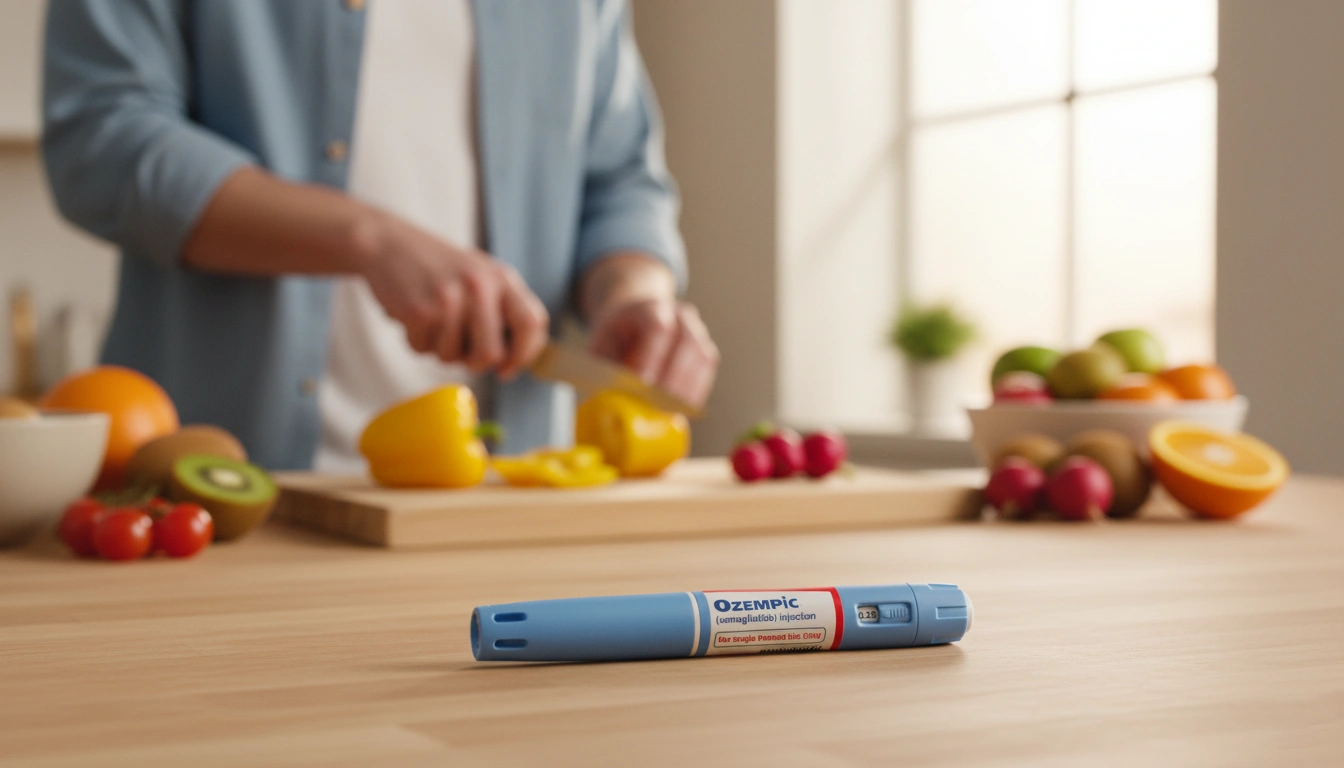
To understand the safety concerns, we must first understand what the medication actually is. Ozempic® is a brand name for semaglutide, a medication originally developed and FDA-approved to improve glycemic control in adults with type 2 diabetes mellitus. It belongs to a class of drugs known as glucagon-like peptide-1 (GLP-1) receptor agonists. These medications work by mimicking a natural hormone in your body that is released in the gut after eating.
The Biological Mechanism of Semaglutide
When you take Ozempic® or a Compounded Semaglutide, the medication binds to GLP-1 receptors in the pancreas and the brain. In the pancreas, it stimulates the release of insulin when blood sugar levels are high and suppresses the release of glucagon, a hormone that raises blood sugar. This dual action helps maintain stable glucose levels.
However, for those focusing on weight loss, the most significant action happens in the brain and the digestive system. Semaglutide targets the areas of the brain that regulate appetite and food intake. By mimicking the GLP-1 hormone, it increases feelings of fullness and reduces hunger. Furthermore, it slows down gastric emptying—the rate at which food leaves your stomach. This means you feel satisfied for longer periods after eating a smaller amount of food.
The Shift to Weight Management
While Ozempic® was specifically approved for diabetes, its sibling medication, Wegovy®, which contains the same active ingredient (semaglutide), received FDA approval specifically for chronic weight management. This approval applies to adults with obesity or those who are overweight with at least one weight-related condition, such as high blood pressure or high cholesterol. Because the biological effect is the same, many healthcare providers prescribe Ozempic® “off-label” for weight loss. At TrimRx, we recognize the life-changing potential of these medications, which is why we offer a personalized weight loss program that assesses your eligibility for both branded and compounded options.
Addressing the Risks: Can You Die From Taking Ozempic?
The direct answer to whether one can die from taking Ozempic® involves looking at rare, severe complications and the context in which the medication is used. While the vast majority of users experience manageable side effects, there have been reported fatalities associated with the use of GLP-1 medications. It is essential to distinguish between a drug causing a death and a death occurring while someone is taking a drug—a distinction often lost in public discourse.
Analyzing the FAERS Data
The FDA Adverse Event Reporting System (FAERS) is a database that contains information on adverse event and medication error reports submitted to the FDA. Recent data from this system has noted that since 2018, there have been approximately 162 deaths linked to GLP-1 medications like Ozempic®, Wegovy®, and Mounjaro®. Of these, 94 were associated with semaglutide.
It is important to understand that FAERS data consists of voluntary reports. These reports do not prove that the drug caused the event; they only indicate that the event happened to someone using the medication. Many individuals taking these drugs already have significant underlying health conditions, such as severe obesity, heart disease, or uncontrolled diabetes, which carry their own inherent risks of mortality. However, these reports serve as a critical signal for medical professionals to monitor for specific, life-threatening complications.
Potential Life-Threatening Complications
While rare, there are specific conditions associated with GLP-1 use that can become fatal if not caught and treated early. These include:
- Anaphylaxis: Like any medication, a severe allergic reaction can occur. Symptoms include swelling of the face, tongue, or throat, and difficulty breathing.
- Acute Pancreatitis: This is an inflammation of the pancreas that can lead to organ failure if it becomes necrotizing (where the tissue dies).
- Severe Hypoglycemia: While less common in those without diabetes, taking Ozempic® alongside other glucose-lowering medications can cause blood sugar to drop to dangerously low levels, leading to seizures or loss of consciousness.
- Acute Kidney Injury: Often secondary to severe dehydration caused by gastrointestinal side effects, kidney failure can be life-threatening.
Common Side Effects vs. Serious Medical Events
Most people starting a journey with Oral Semaglutide or injections will encounter some form of gastrointestinal adjustment. Understanding the difference between a “normal” side effect and a red flag is paramount for safety.
Managing Gastrointestinal Distress
The most frequent complaints include nausea, vomiting, diarrhea, and constipation. These occur because the medication significantly slows down digestion. For many, these symptoms are mild and dissipate as the body adjusts to the medication. However, if vomiting becomes persistent and prevents the intake of fluids, it can lead to severe dehydration and electrolyte imbalances.
To help manage these transitions, we often recommend supporting your body with GLP-1 Daily Support, which is designed to provide essential nutrients and support digestive health during the weight loss process.
Red Flags: When to Seek Emergency Care
While nausea is common, certain symptoms should never be ignored. If you or a loved one experiences the following, it is crucial to seek medical attention immediately:
- Severe Abdominal Pain: Sharp pain that radiates to the back can be a sign of pancreatitis.
- Persistent Vomiting: The inability to keep any food or water down for 24 hours.
- Changes in Urination: Reduced urine output or dark urine can indicate kidney stress.
- Vision Changes: Rapid changes in vision can occur, particularly in those with pre-existing diabetic retinopathy.
- Lump in the Neck: While observed primarily in animal studies, the FDA maintains a warning regarding the risk of thyroid C-cell tumors. Any new swelling or lump in the throat area should be evaluated.
The Danger of Overdose and Improper Administration
A significant factor in the safety profile of semaglutide is how it is administered. One of the reasons we emphasize our medically supervised approach is to prevent dosing errors that can lead to toxicity.
Compounded Medications and Dosing Precision
When using brand-name pens like Ozempic® or Zepbound®, the dose is often pre-set or easily dialed. However, during periods of medication shortages, many people turn to compounded versions. Compounded Tirzepatide or semaglutide often comes in a multi-dose vial where the user must draw the correct amount into a syringe.
Poison control centers have reported an uptick in calls due to individuals accidentally injecting ten times the prescribed dose because they confused “units” on a syringe with “milligrams” of the drug. An overdose of semaglutide does not usually result in immediate death, but it can cause “extreme gastrointestinal distress”—essentially non-stop vomiting and nausea that lasts for days, often requiring hospitalization for IV fluids and monitoring.
The Half-Life Factor
Semaglutide has a long half-life of about seven days. This means that if you take too much, the medication stays in your system at high levels for a long time. You cannot simply “flush it out” quickly. This is why our protocol at TrimRx involves starting with very low dosages and titrating up slowly, ensuring your body tolerates the medicine before increasing the strength.
Severe Gastrointestinal Complications: Gastroparesis and Ileus
Beyond the usual nausea, there are more permanent or severe conditions that have recently entered the spotlight. These conditions are rare but are a major part of the discussion regarding whether Ozempic® can lead to fatal outcomes.
Gastroparesis (Stomach Paralysis)
Gastroparesis is a condition where the muscles of the stomach stop working, preventing the stomach from emptying properly. Because semaglutide works by slowing the stomach, in some individuals, this slowing can become excessive. Symptoms include feeling full after just a few bites, chronic bloating, and vomiting undigested food hours after eating. In extreme cases, this can lead to malnutrition and severe electrolyte disturbances that strain the heart and kidneys.
Ileus and Intestinal Obstruction
An ileus is a temporary lack of the normal muscle contractions of the intestines. In 2023, the FDA updated the Ozempic® label to include “ileus” as a potential side effect. If the intestines stop moving entirely, it creates a blockage. This is a medical emergency because it can lead to a bowel perforation (a hole in the intestine), which causes a massive infection known as sepsis. Sepsis is a leading cause of death in hospital settings and is the primary mechanism by which an intestinal complication from Ozempic® could become fatal.
The Importance of Quality and Regulation
One of the biggest risks to consumer safety isn’t the medication itself, but where it is sourced. The internet is flooded with “research chemicals” or “fitness peptides” that claim to be semaglutide but are not regulated.
TrimRx’s Commitment to Safety
We take your safety personally. Our platform is a user-friendly and supportive space where we prioritize transparency. We partner exclusively with FDA-registered and inspected pharmacies to ensure that every medication shipped is of the highest quality. It is important to note that while we facilitate access to these medications through a comprehensive service—including doctor consultations and lab work—the medications themselves are prepared by these specialized pharmacies.
We do not believe in shortcuts. Before receiving a prescription for Mounjaro® or Compounded Semaglutide, every patient must complete our free assessment quiz to determine their medical eligibility. This screening process is designed to catch contraindications, such as a personal or family history of medullary thyroid carcinoma or Multiple Endocrine Neoplasia syndrome type 2 (MEN 2).
The Risks of Social Media Dealers
Buying semaglutide from “dealers” on social media or at unverified aesthetic spas is incredibly dangerous. You have no way of knowing the purity of the product, the concentration, or if it contains harmful contaminants. Using unverified substances significantly increases the risk of unpredictable side effects or toxic reactions. Always ensure your weight loss journey is guided by professionals who utilize regulated pharmacy partners.
Psychological Health and Disordered Eating
Weight loss is not just a physical journey; it is a mental and emotional one as well. The glorification of “skinny shots” in the media can sometimes mask the risks for individuals struggling with disordered eating.
The Impact of Diet Culture
The intense pressure to achieve a certain body type can lead some individuals to misuse GLP-1 medications. For those with anorexia nervosa or bulimia nervosa, using an appetite suppressant can exacerbate dangerous restriction patterns. This misuse can lead to severe undernutrition, muscle wasting, and heart arrhythmias.
At TrimRx, we advocate for sustainable weight loss through science and empathy. We believe in treating the whole person. If you find yourself obsessing over the scale or using medication to avoid eating entirely, it is important to speak with a healthcare provider about these feelings. Health is not just a number on a scale; it is the vitality and strength of your body and mind.
Supporting Your Journey Holistically
To ensure your body remains resilient during weight loss, we encourage the use of our Weight Loss Boost supplement. This formula is designed to support energy levels and overall wellness, helping you feel your best as you make these significant lifestyle changes.
Mitigating Risk: How to Use GLP-1s Responsibly
While the question “can you die from taking ozempic” highlights the most extreme possibilities, the reality is that for most, the medication is a safe and effective tool when used correctly. Here is how we recommend you approach your treatment to maximize safety:
1. Never Skip the Medical Screening
Your medical history is the blueprint for your safety. Conditions like gallbladder disease, history of pancreatitis, or kidney issues must be disclosed. You can start this process by taking our eligibility assessment.
2. Adhere Strictly to Dosage
More is not better. The temptation to “speed up” results by increasing your dose prematurely is dangerous. Our programs follow a strict titration schedule to allow your metabolic system to adapt. Our commitment to transparent service means your care remains consistent, focusing on your long-term health rather than a quick fix.
3. Stay Hydrated and Nourished
Because these medications reduce thirst and hunger signals, it is easy to become dehydrated. Focus on high-quality proteins and plenty of water. Utilizing GLP-1 Daily Support can help ensure you aren’t missing vital micronutrients as your caloric intake decreases.
4. Monitor Your Body’s Signals
Be an active participant in your health. Keep a log of your side effects. If something feels “off”—whether it’s an unusual pain or extreme fatigue—reach out to your support team immediately. We offer unlimited support to our members because we believe you should never feel alone in this process.
The Future of Personalized Weight Loss
The landscape of weight loss is changing rapidly. Innovations in telehealth have made it possible for more people than ever to access medical science that was once out of reach. At TrimRx, we are proud to be at the forefront of this movement, combining modern technology with the empathy of a traditional doctor-patient relationship.
We believe that the future of weight loss is not found in a “one-size-fits-all” pill, but in tailored treatment plans that respect each individual’s unique biology and goals. By providing access to medications like Ozempic®, Wegovy®, and Oral Tirzepatide, along with the necessary lab work and professional oversight, we make sustainable health attainable.
Our focus remains on safety, transparency, and results. We understand the fears surrounding these medications, and we address them by providing a structure of care that minimizes risk and maximizes well-being. Your journey to a healthier you should be a path of empowerment, not anxiety.
Conclusion
The question of whether you can die from taking Ozempic® is a serious one that deserves a nuanced answer. While the medication has been associated with rare and severe complications such as pancreatitis, ileus, and acute kidney injury, the statistical risk of death for the average user under medical supervision is extremely low. Most of the dangers arise from improper use, lack of medical screening, dosing errors with unverified products, or ignoring critical “red flag” symptoms.
At TrimRx, our mission is to ensure that you don’t have to navigate these complexities alone. We’ve built a platform based on the values of empathy, innovation, and safety. By merging advanced medical science with a supportive, personalized approach, we help you achieve the results you desire without compromising your health. We believe in the power of these medications to transform lives, but we also believe that transformation must be built on a foundation of professional care and high-quality, regulated medications.
Are you ready to take the next step in your health journey with a team that puts your safety first? We invite you to take our free assessment quiz today to see if you qualify for our personalized weight loss programs. Together, we can find a path that is tailored to your needs, helping you embrace a healthier, more vibrant lifestyle with confidence.
Frequently Asked Questions
1. Is compounded semaglutide as safe as brand-name Ozempic?
While compounded semaglutide contains the same active ingredient, it is not “FDA-approved” in the same way the branded medication is. However, TrimRx ensures safety by working exclusively with FDA-registered and inspected pharmacies. The primary risk with compounded versions is dosing errors if the user is not properly trained on how to use a vial and syringe. Our program provides the support and guidance needed to ensure you are administering your medication correctly and safely.
2. What is the most dangerous side effect of Ozempic?
The most serious, though rare, side effects include acute pancreatitis and intestinal blockages (ileus). These conditions can become life-threatening if they lead to systemic infection or organ failure. This is why it is vital to monitor for severe abdominal pain or the inability to pass gas or stool and seek immediate medical attention if these symptoms occur.
3. Can I take Ozempic if I have a history of thyroid issues?
It depends on the type of thyroid issue. Ozempic® carries a boxed warning regarding the risk of thyroid C-cell tumors, specifically medullary thyroid carcinoma (MTC). If you or anyone in your family has had MTC or Multiple Endocrine Neoplasia syndrome type 2 (MEN 2), you should not take semaglutide. For other thyroid conditions, like hypothyroidism, the medication is generally safe, but it must be discussed during your medical assessment.
4. How can I reduce the risk of kidney damage while taking weight loss medication?
The risk to the kidneys usually stems from severe dehydration caused by nausea and vomiting. To protect your kidneys, stay consistently hydrated throughout the day. If you experience persistent vomiting that prevents you from keeping fluids down, contact a healthcare provider immediately. Supplements like GLP-1 Daily Support can also help maintain your overall health during the treatment.

Transforming Lives, One Step at a Time
Keep reading

How to Get Ozempic or Semaglutide in Miami
Miami’s wellness culture runs deep, and GLP-1 medications have become a significant part of that conversation across the city. From Brickell to Coral Gables…

How to Get Ozempic or Semaglutide in Los Angeles
Los Angeles has no shortage of wellness clinics, concierge medicine practices, and weight loss programs promising access to the latest treatments. Semaglutide is at…
How to Get Ozempic or Semaglutide in Chicago
Chicago residents looking for semaglutide have more options than they might realize, and fewer of those options require setting foot in a clinic than…


