Semaglutide and Alcohol: What Science Says
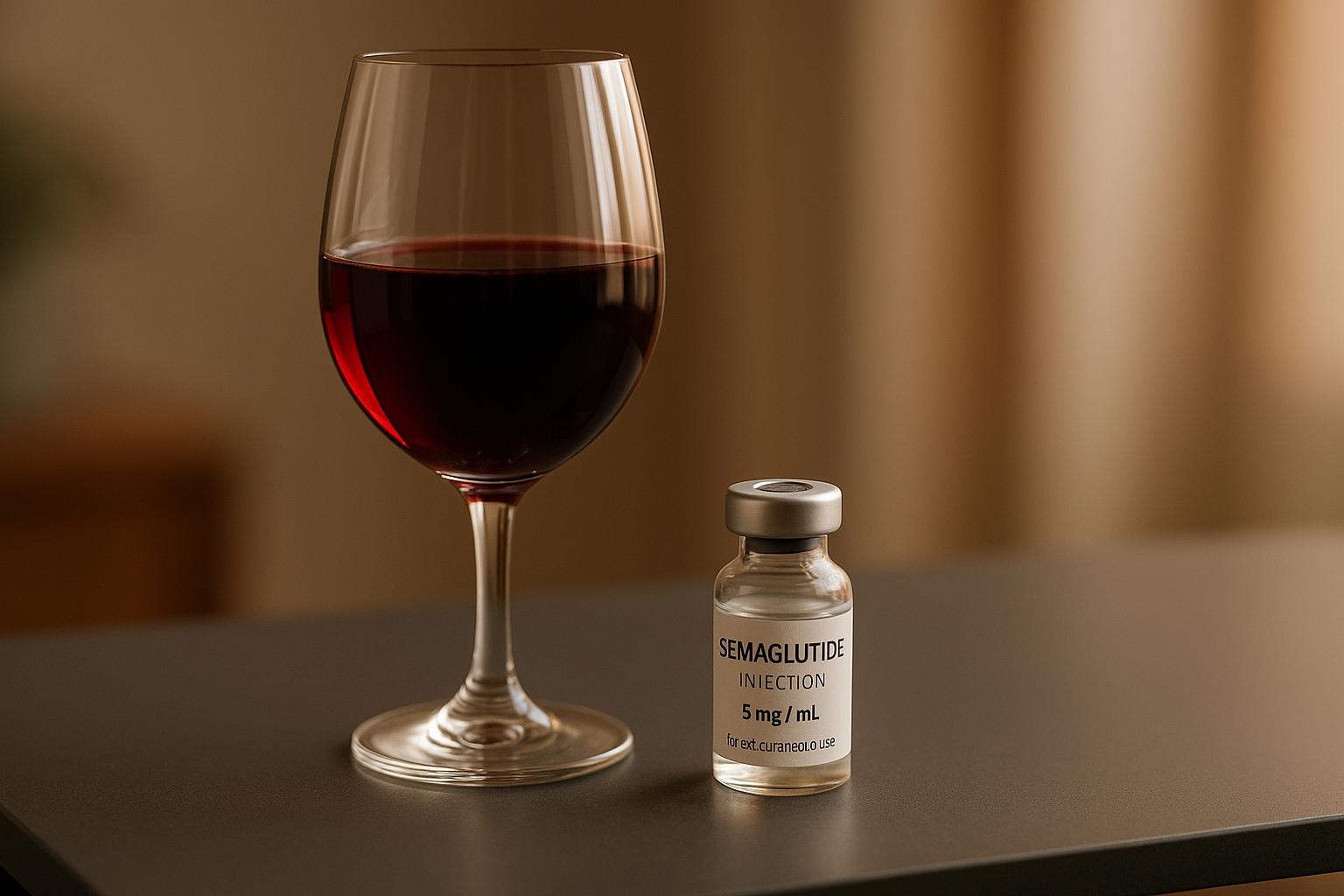
Can you drink alcohol while on semaglutide? Yes, but it’s best to limit your intake. Semaglutide, a medication for type 2 diabetes and weight management, interacts with alcohol in ways that may worsen side effects like nausea, vomiting, and blood sugar fluctuations. Early research also suggests semaglutide may reduce alcohol cravings by affecting brain reward pathways, though more studies are needed.
Key Points:
- Potential Benefits: Semaglutide may reduce alcohol cravings by acting on dopamine-linked brain circuits.
- Risks: Combining alcohol with semaglutide can worsen nausea, slow digestion, and increase the risk of dehydration and hypoglycemia.
- Medical Advice: Consult your doctor about alcohol use, especially during the early stages of treatment when side effects are more pronounced.
If you’re taking semaglutide, prioritize moderation and discuss your alcohol consumption with a healthcare provider to ensure safety.
Research Studies on Semaglutide and Alcohol Use
Major Clinical Trials and Results
Studies suggest that semaglutide may influence alcohol consumption and cravings. Through controlled trials, observational research, and neuroimaging studies, researchers have explored how this medication impacts drinking behaviors. In trials where semaglutide was compared to a placebo, participants using semaglutide often showed changes in alcohol intake and reported fewer cravings.
Neuroimaging studies add another layer of evidence, suggesting that semaglutide could affect how the brain processes rewards tied to alcohol.
However, these effects aren’t uniform. Factors like an individual’s baseline drinking habits, metabolism, and any other medications they may be taking can influence outcomes. While the findings across various studies are consistent enough to warrant further research, larger-scale studies are needed to better understand semaglutide’s potential role in addressing alcohol-related behaviors.
Semaglutide May Reduce Alcohol Consumption Groundbreaking Trial Results
How Semaglutide Affects Alcohol Use
Semaglutide influences alcohol-related behaviors by interacting with GLP-1 receptors in the brain’s reward circuits. This interaction can reduce the pleasurable effects of alcohol and may help curb cravings. These findings open the door to a deeper understanding of its role in dopamine-driven reward systems.
Brain and Behavior Effects
The primary effect of semaglutide on alcohol use lies in its ability to influence the brain’s reward system. It targets GLP-1 receptors in areas critical to dopamine signaling, which is central to feelings of pleasure and reward. These receptors are found in the ventral tegmental area (VTA) – where dopamine neurons originate – and the nucleus accumbens (NAc), which processes signals from these neurons. By acting on these regions, semaglutide can adjust how the brain processes rewards, altering the mesolimbic dopamine system that drives alcohol-seeking behavior.
"While researchers are still investigating how semaglutide affects the brain, it is believed that it attaches to certain receptors in the brain involved in dopamine signaling. This helps to decrease the desire for alcohol." – Sarah Newman, Author, American Addiction Centers
Unlike naltrexone, which disrupts the brain’s opioid-linked reward system, semaglutide directly engages with dopamine pathways that fuel the desire to consume alcohol. This distinct mechanism highlights its unique approach to addressing alcohol use.
sbb-itb-e2779c3
Safety Risks of Using Semaglutide with Alcohol
Mixing semaglutide with alcohol can make its digestive side effects worse. Since both semaglutide and alcohol affect the gastrointestinal system, combining them can lead to unpleasant and potentially harmful reactions.
Known Risks and Side Effects
The main concern when using semaglutide with alcohol is gastrointestinal issues. Semaglutide often causes nausea, vomiting, and diarrhea. Alcohol, on the other hand, irritates the stomach lining. Together, they can intensify nausea and increase the likelihood of vomiting. Both also slow down gastric emptying, which may lead to bloating, cramping, and general discomfort.
Another issue is dehydration. Vomiting and diarrhea caused by this combination can result in significant fluid loss, making dehydration more likely and worsening side effects.
Blood sugar fluctuations are another serious risk. Alcohol can cause unpredictable changes in blood sugar levels. When paired with semaglutide, which lowers glucose, the chance of hypoglycemia (low blood sugar) increases.
If you drink alcohol while on semaglutide, you might also experience more severe hangover symptoms. Nausea and abdominal pain, common during a hangover, can feel much worse.
Given these risks, consulting a healthcare provider about alcohol use during semaglutide treatment is critical.
Medical Guidelines and Recommendations
Because of its impact on the digestive system, alcohol should be consumed cautiously, especially during the early stages of semaglutide treatment. This is particularly important during the titration phase or after dosage increases, as gastrointestinal side effects tend to be more intense during these times. Once your body adjusts and side effects lessen, you might be able to reintroduce alcohol gradually, but only with medical advice.
If you choose to drink, take precautions: eat a balanced meal beforehand, stay hydrated, and pay close attention to how your body reacts. If you notice worsening symptoms, stop drinking and consult your doctor.
Known Risks of Alcohol Use with Semaglutide
Here’s a summary of the main risks:
| Aspect | Known Risks |
|---|---|
| Digestive Health | Worsened GI symptoms; delayed gastric emptying |
| Blood Sugar Control | Unpredictable glucose levels; risk of hypoglycemia |
| Hydration Status | Higher risk of dehydration from fluid loss |
| Recovery Experience | More severe hangover symptoms |
| Treatment Adherence | Increased side effects may lead to stopping treatment |
The bottom line? Limiting alcohol intake is the safest approach when taking semaglutide, especially during the early stages of treatment or when experiencing side effects. Always prioritize medical advice to ensure your safety.
Clinical Applications and Future Research
Ongoing studies exploring the relationship between semaglutide and alcohol provide promising insights but also highlight some significant gaps in our current understanding.
Large-Scale Study Data
Most of the existing evidence about semaglutide’s effects on alcohol consumption comes from preclinical studies, observational research, and smaller phase 2 trials. While these findings are intriguing, they don’t paint a complete picture – especially when it comes to how semaglutide impacts diverse patient groups. Early results hint at a potential influence on alcohol use, but larger, randomized trials are necessary to confirm these effects and establish clear cause-and-effect connections.
Another challenge is the relatively short duration of many semaglutide trials, often limited to 12 months or less. This makes it difficult to assess long-term patterns in alcohol consumption, particularly for individuals managing both weight and drinking habits. Additionally, there’s limited data on how different factors like age, gender, existing health conditions, or drinking patterns might affect a person’s response to semaglutide.
These gaps emphasize the importance of developing more tailored treatment approaches for patients.
Personalized Weight Loss Program Support
Addressing these research gaps requires a personalized approach to weight management, especially for patients who drink alcohol. Individualized medical supervision is critical for safely managing semaglutide treatment in these cases.
Programs like TrimRX offer the kind of tailored support patients need. Personalized consultations help assess unique risks and create customized treatment plans. This is particularly important during the early stages of semaglutide use, when gastrointestinal side effects are more common, and careful monitoring of alcohol intake is essential.
Flexible dosing strategies are another key component of personalized care. Instead of a one-size-fits-all approach, healthcare providers can adjust semaglutide doses based on how well a patient tolerates the medication, any side effects they experience, and lifestyle factors like alcohol consumption. Expert guidance ensures that patients understand the limitations of current research while receiving safe, evidence-based recommendations for managing alcohol use during treatment.
Future research should prioritize large-scale randomized trials that include diverse patient populations and longer follow-up periods. These studies are essential for creating clear safety guidelines and understanding how semaglutide interacts with alcohol metabolism and neurological pathways. Long-term research will also provide a better grasp of the medication’s overall risks and benefits, particularly in relation to mood and other medications.
Until more robust data becomes available, personalized care remains the safest and most effective approach for managing these complex interactions.
Conclusion: Main Findings on Semaglutide and Alcohol
Research into the interaction between semaglutide and alcohol highlights intriguing possibilities but also reveals areas needing further exploration. Early studies suggest that semaglutide may influence alcohol consumption by targeting brain reward pathways, but much of the evidence remains preliminary.
Findings point to semaglutide’s potential to reduce alcohol cravings and intake in certain individuals. This effect is likely tied to its action on GLP-1 receptors in the brain, which are involved in reward processing. Additionally, semaglutide’s impact on brain reward circuits and gastrointestinal function creates a complex interaction when alcohol is introduced. These insights pave the way for future studies on both its safety and broader implications.
When it comes to safety, the combination of semaglutide and alcohol presents mixed outcomes. While no significant contraindications have been identified, the pairing may heighten gastrointestinal side effects. However, the research so far is limited by short study durations and a lack of diverse participant samples, leaving long-term safety and effectiveness uncertain.
Given these unknowns, personalized medical guidance is crucial for those using semaglutide while consuming alcohol. Services like TrimRX provide tailored consultations and adaptable dosing plans, helping patients manage these interactions safely. Their individualized approach allows healthcare providers to fine-tune treatments based on each patient’s unique needs and lifestyle.
FAQs
Can semaglutide help reduce alcohol cravings by affecting the brain’s reward system?
Semaglutide appears to play a role in reducing alcohol cravings by targeting the brain’s reward system, especially the dopamine pathways that fuel the urge to drink. Research points to its ability to lessen the pleasurable effects of alcohol, which may help curb behaviors linked to relapse.
Additionally, findings suggest that semaglutide impacts the nucleus accumbens – a critical brain region tied to addiction – by dampening alcohol-related reward responses. This could potentially help individuals gradually cut back on their alcohol consumption.
Can I drink alcohol while taking semaglutide?
If you decide to drink alcohol while using semaglutide, it’s crucial to proceed carefully. Alcohol can impact blood sugar levels, potentially causing hypoglycemia (low blood sugar) or other unpredictable changes. These effects can be even more concerning if you’re taking semaglutide to manage conditions such as diabetes or for weight loss.
To reduce risks, try to limit your alcohol consumption and pay close attention to how your body reacts. If you’re uncertain about how alcohol might interfere with your treatment, it’s a good idea to consult your healthcare provider for tailored guidance.
Why is it important to get personalized medical advice about drinking alcohol while taking semaglutide?
When taking semaglutide, understanding how it interacts with alcohol is crucial. This medication can change the way your body handles alcohol, and factors like your dosage, general health, and drinking habits can play a role in these effects. These interactions may influence your blood sugar levels or even affect liver function.
To stay safe and on track with your treatment, it’s important to talk to your healthcare provider. They can explain the potential risks and offer advice tailored to your specific situation. Always check with your doctor before adjusting your alcohol intake while on semaglutide.
Related Blog Posts

Transforming Lives, One Step at a Time
Keep reading

GLP-1 Medications and Mental Health: What to Expect and When to Get Support
Most of what gets written about GLP-1 medications covers the body. Dosing, appetite, nausea, what to eat, what to expect on the scale. Less…

Mons Pubis Fat Loss on GLP-1s: The “Pubic Area” Change Nobody Mentions
One change that surprises people on GLP-1 medications rarely comes up in conversation: the mons pubis, the soft fat pad over the pubic bone,…

How to Adjust Weight Loss Goals on GLP-1 Medications
Adjust weight goals on GLP-1 meds by tracking body composition and labs, optimizing protein, activity, sleep, and working with your provider on dosing.


