Do You Have to Take Semaglutide on an Empty Stomach?
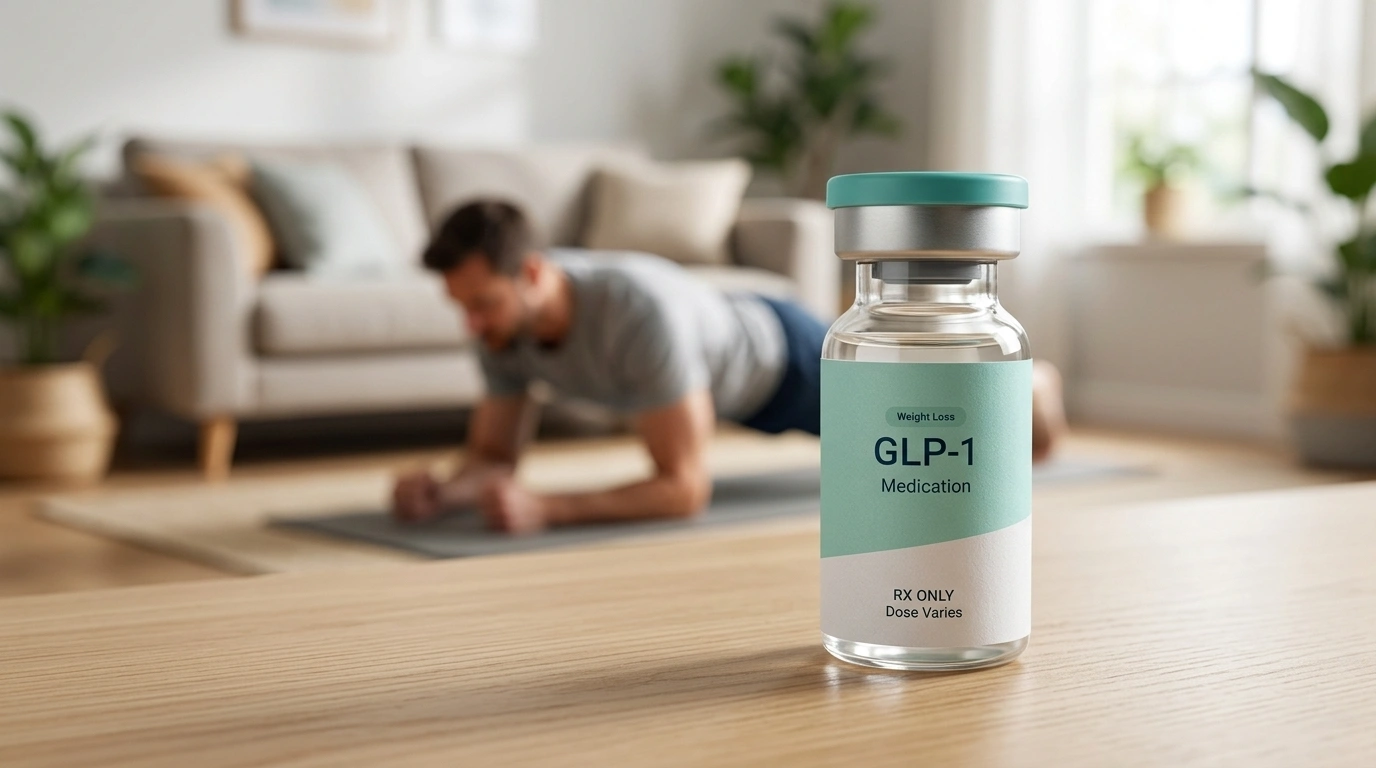
Introduction
Starting a weight loss journey often involves learning a new set of rules, and one of the most common points of confusion is whether you have to take semaglutide on an empty stomach. If you have ever stared at your medication in the morning wondering if you should eat breakfast first or wait, you are not alone. Timing your doses correctly can feel like a high-stakes puzzle when you are focused on seeing real results. At TrimRx, we understand that these clinical details can feel overwhelming, which is why we prioritize clear, actionable guidance to help you navigate your treatment with confidence, and you can take the free assessment quiz when you are ready to see what may fit your needs.
Whether you are using an injectable form or an oral tablet, the rules for timing your dose around meals depend entirely on the specific format of the medication. This post will clarify the differences between oral and injectable semaglutide, explain the science behind the “empty stomach” rule, and provide practical tips for managing your routine. For a deeper look at the oral form, this guide to semaglutide on an empty stomach breaks down the timing details in more depth.
Understanding the Two Formats of Semaglutide
Semaglutide is a medication known as a GLP-1 receptor agonist, which stands for glucagon-like peptide-1. This is a synthetic version of a hormone your body naturally produces to regulate appetite and blood sugar. While the active ingredient remains the same across various treatments, the way your body absorbs it changes based on how it is administered.
There are two primary ways people take this medication: as a once-weekly injection or as a daily oral tablet. Because the path from the medication to your bloodstream is different for each, the “empty stomach” requirement is not a universal rule.
Injectable Semaglutide
Injectable semaglutide is administered into the subcutaneous tissue — the fatty layer just beneath the skin. Common brand names for this format include Ozempic® and Wegovy®. Because the medication is injected directly into the body, it completely bypasses the digestive system.
When a medication skips the stomach and intestines, the presence of food does not interfere with how much of the drug reaches your bloodstream. This is why healthcare providers generally state that injectable semaglutide can be taken with or without food, and this semaglutide timing guide explains why meal timing matters less for injections.
Oral Semaglutide
Oral semaglutide, known by the brand name Rybelsus®, is a daily tablet. Unlike the injection, this tablet must travel through the stomach. Peptides like semaglutide are fragile and easily broken down by stomach acid or blocked by the presence of food and water. To ensure the medication is actually absorbed, the rules for taking the oral version are very strict. This format is where the “empty stomach” requirement is non-negotiable, and how to take oral semaglutide effectively is a useful companion read.
Does Food Affect Injectable Semaglutide?
For the majority of people on a weight loss program involving injections, the question of whether to eat beforehand is more about personal comfort than medical necessity.
Quick Answer: No, you do not have to take injectable semaglutide on an empty stomach. Because it is injected into the fatty tissue, food in your stomach does not change how well the medication works.
However, just because you can take it with food doesn’t always mean you should eat a large meal right before your dose. Many people find that taking their injection on an empty stomach, or after a very light snack, helps them better manage the initial “peak” of the medication, which can sometimes cause mild waves of nausea.
Timing Your Weekly Injection
Since food doesn’t impact absorption for injections, the most important factor is consistency. Most patients choose a specific day of the week and a consistent time — such as Sunday mornings or Friday evenings — to help them stay on track.
If you find that you experience mild nausea in the hours following your injection, you might experiment with taking the dose before bed so you sleep through the initial adjustment period. Alternatively, taking it in the morning on an empty stomach may work better for others. If you are comparing timing strategies, this post on semaglutide dose timing offers a helpful framework.
Why the Empty Stomach is Mandatory for Oral Tablets
If you are prescribed oral semaglutide, the “empty stomach” rule is the single most important part of your daily routine. Without following the specific timing instructions, the medication may be almost entirely wasted.
The 30-Minute Rule
Oral semaglutide must be taken first thing in the morning. To ensure it is absorbed properly, you should follow these three steps:
- Take the tablet as soon as you wake up on an empty stomach.
- Swallow it whole with a small sip of plain water (no more than 4 ounces).
- Wait at least 30 minutes before eating, drinking anything else, or taking other oral medications.
The science behind this is simple: the stomach needs to be empty so the tablet can come into direct contact with the stomach lining. If there is food or too much water in the way, the semaglutide cannot pass through the lining and into the bloodstream. Instead, it will simply be digested like food, rendered useless by your stomach’s enzymes.
Key Takeaway: Oral semaglutide has very low “bioavailability,” meaning only a tiny fraction of the pill actually reaches your blood. Following the 30-minute fasting rule is the only way to ensure the medication is effective for weight management.
Bioavailability: Why Method Matters
Bioavailability refers to the proportion of a drug that enters the circulation and is able to have an active effect. Understanding this concept helps explain why the “empty stomach” question is so central to the conversation.
- Injections: These have high bioavailability (roughly 89%). Almost all of the medication you inject is used by the body. This is why food doesn’t matter for this format.
- Tablets: These have very low bioavailability (often less than 1%). Because so much is lost during the digestive process, the tablets contain much higher doses than the injections to compensate. Even a small amount of coffee or a piece of toast taken too close to the pill can drop that absorption rate to near zero.
| Feature | Injectable Semaglutide | Oral Semaglutide |
|---|---|---|
| Frequency | Once Weekly | Once Daily |
| Empty Stomach Required? | No | Yes (Mandatory) |
| Water Intake with Dose | N/A | Max 4 ounces |
| Wait Time After Dose | None | 30 Minutes |
| Absorption Rate | High | Very Low |
Managing Side Effects Through Dosing Strategy
While the question of “do you have to take semaglutide on an empty stomach” is usually answered by looking at the medication format, there is a second reason to consider your stomach contents: side effect management.
The most common side effects of GLP-1 medications include nausea, bloating, and a feeling of “fullness.” These occur because semaglutide slows down gastric emptying — the rate at which food leaves your stomach.
Nausea and Food Interaction
Even though the injection doesn’t require an empty stomach, taking it while you are feeling very full may increase the sensation of nausea. If your stomach is already full of a heavy, high-fat meal, and you then introduce a medication that tells your stomach to stop moving food along, you may experience significant discomfort.
Many patients report that the “sweet spot” for an injection is taking it several hours after their last meal or first thing in the morning when the stomach is relatively settled. If you are struggling with nausea, we often suggest looking at what you ate in the 24 hours leading up to your dose rather than just the timing of the dose itself, and managing nausea on semaglutide can make the routine easier.
How to Support Your Body During the “Empty” Windows
If you are taking the oral version and find the 30-minute wait difficult, or if you are using the injectable version and prefer an empty stomach to avoid nausea, hydration is your best friend. While the oral version limits water to 4 ounces at the moment of the dose, you should prioritize heavy hydration throughout the rest of the day. If you want extra support during treatment, GLP-1 Daily Support is designed for those ongoing nutrition gaps that can come with GLP-1 use.
Note: If you experience persistent or severe vomiting, or abdominal pain that does not go away, you should contact your healthcare provider immediately. These can be signs of more serious issues that require medical attention.
Practical Tips for Your Daily Routine
Establishing a routine helps remove the guesswork from your weight loss program. Whether you are navigating the 30-minute wait for a tablet or the once-weekly schedule of an injection, these steps can help.
Step 1: Set a “Medication Alarm” If taking oral tablets, set an alarm for 30 minutes before you actually need to get out of bed. Keep the medication and a small glass of water on your nightstand. Take the pill and go back to sleep or use that time to scroll through the news. By the time you are ready for your morning coffee, the 30 minutes will have passed.
Step 2: Track Your “Dose Day” Reactions For weekly injections, use a journal to note how you feel when taking the dose on an empty stomach versus after a meal. Everyone’s metabolic profile is unique, and finding your personal “comfort window” can make the program much more sustainable.
Step 3: Prepare Your First Meal Since semaglutide reduces appetite, your first meal after that “empty stomach” window should be high in quality. Focus on lean protein and fiber to keep your energy levels stable, and if you need help with energy and metabolic support during weight loss, Weight Loss Boost is the supplement page to review.
The Role of Personalized Programs
At TrimRx, we believe that weight loss is not a one-size-fits-all experience. Because every individual has a different lifestyle, work schedule, and physical response to medication, a personalized approach is essential.
When you participate in our program, you aren’t just getting a prescription; you are getting a tailored plan. If you find that the “empty stomach” requirement for an oral medication doesn’t fit your hectic morning schedule, our providers can discuss whether the once-weekly injectable format might be a better fit for your lifestyle. We connect you with licensed healthcare providers who look at your medical history and goals to determine the most effective and convenient path forward, and you can complete the free assessment quiz to begin that process.
Our mission is to make these science-backed treatments accessible through a telehealth-first model. This means you can get the guidance you need on dosing, side effects, and nutrition without ever sitting in a waiting room.
Common Myths About Semaglutide and Eating
There is a lot of misinformation regarding how GLP-1 medications interact with food. Let’s clear up some of the most frequent misconceptions.
Myth: Taking the injection on an empty stomach makes it work faster. Fact: The speed of absorption for a subcutaneous injection is determined by the medication’s formulation and your body’s local blood flow, not by whether you have eaten.
Myth: You can drink coffee instead of water with your oral semaglutide tablet. Fact: Coffee, tea, and juice can interfere with the pH of the stomach and the absorption of the pill. Only plain water should be used during the initial 30-minute window.
Myth: If you miss the 30-minute window and eat early, you should take another pill. Fact: Never double your dose. If you eat too soon after taking oral semaglutide, simply accept that the dose may be less effective and try again the next morning.
Myth: You must fast for 12 hours before an injection. Fact: There is no clinical requirement to fast before a semaglutide injection. Any “fasting” is strictly for the patient’s own comfort regarding nausea management.
Diet and Nutrition: What Happens After the Empty Stomach?
Regardless of how you take your medication, what you put into your stomach after the “empty” period is over will largely determine your success. Semaglutide is a powerful tool, but it works best when supported by nutrient-dense food choices.
Because the medication slows down digestion, food stays in your stomach longer. This is why you feel full sooner. However, if you fill that limited stomach space with greasy, fried, or highly processed foods, they will sit in your digestive tract longer, often leading to increased heartburn and bloating.
Focus on Protein
When you are eating less, it is vital to ensure you are getting enough protein to protect your muscle mass. Lean meats, beans, tofu, and Greek yogurt are excellent choices for that first meal after your dose.
Small, Frequent Portions
If you are taking your medication on an empty stomach to avoid nausea, don’t follow it up with a massive “catch-up” meal. Instead, try eating smaller portions throughout the day. This keeps the digestive system moving steadily without overwhelming it.
Hydration is Key
Many people confuse thirst with hunger. Staying hydrated helps manage the dry mouth that some patients report and supports kidney health while you are losing weight. If you are on the oral medication, remember to drink the bulk of your water after that initial 30-minute waiting period.
Starting Your Journey with Confidence
Understanding the logistics of your medication is the first step toward a successful health transformation. Whether you have to take semaglutide on an empty stomach depends entirely on the tool you are using, but the goal remains the same: sustainable, healthy weight loss.
We are here to simplify this process. Our approach combines the convenience of telehealth with the clinical expertise required to manage these advanced medications. By taking the free assessment quiz, you can begin the process of discovering which format and program fits your life.
Bottom line: For injections like Wegovy® or Ozempic®, an empty stomach is optional and mostly used for comfort. For oral Rybelsus®, an empty stomach and a 30-minute wait are mandatory for the medication to function.
Summary of Next Steps
If you are ready to move forward, here is a simple checklist to get you started:
- Identify your format: Confirm if you are using an injectable or an oral version.
- Set your schedule: Pick a consistent time that minimizes disruption to your day.
- Prepare your environment: Keep your water and medication handy to avoid missing your window.
- Listen to your body: If an empty stomach makes you feel better or worse, adjust your meal timing accordingly (for injections).
- Consult a professional: If you are unsure about your dosing schedule, reach out to your support team.
At TrimRx, we are committed to providing more than just a prescription. We offer a science-backed, empathetic platform designed to help you reach your goals through personalized care and constant support. If you are ready to see whether a program is a fit, start with the free assessment quiz.
FAQ
Can I drink coffee within the 30-minute window after taking oral semaglutide?
No, you should only consume up to 4 ounces of plain water during that 30-minute period. Other beverages like coffee or juice can interfere with the way the medication is absorbed in the stomach, potentially making it less effective. For a more detailed breakdown, see how to take oral semaglutide effectively.
Does taking the injection on an empty stomach help with weight loss?
Taking an injection on an empty stomach does not increase the amount of weight you lose, as food does not impact how the medication is absorbed from the skin. However, it may help some people manage nausea, which can make it easier to stay consistent with the program and lifestyle changes, especially when paired with Weight Loss Boost for additional support.
What happens if I eat immediately after taking my oral semaglutide tablet?
If you eat immediately after taking the pill, the food will likely prevent the medication from being absorbed through the stomach lining. This means you will not get the full dose of the medication, and it may not work as intended to regulate your appetite or blood sugar.
Is it okay to take semaglutide injections at night?
Yes, many people prefer taking their weekly injection at night on a relatively empty stomach. This allows them to sleep through any initial side effects, such as mild nausea or fatigue, that might occur shortly after the dose is administered.
Disclaimer: This content is for informational purposes only and does not constitute medical advice. It is not intended to diagnose, treat, cure, or prevent any disease or condition. Individual results may vary. Always consult a qualified healthcare professional before starting any weight loss program or medication.

Transforming Lives, One Step at a Time
Keep reading

Can You Shower Right After Injecting Semaglutide?
Yes. Once the needle is out and you have held it in place for the recommended few seconds, the medication is in your subcutaneous…
What to Do If You Get Dehydrated on Semaglutide
Rehydrate with small, frequent amounts rather than large volumes, use an oral rehydration solution rather than plain water if you have lost fluid through…
Should You Still Inject Semaglutide If You Have a Fever?
A fever by itself is usually not a reason to skip a dose. Semaglutide is not an immunosuppressant, it does not interfere with your…


