Semaglutide First Week: What Happens to Your Body
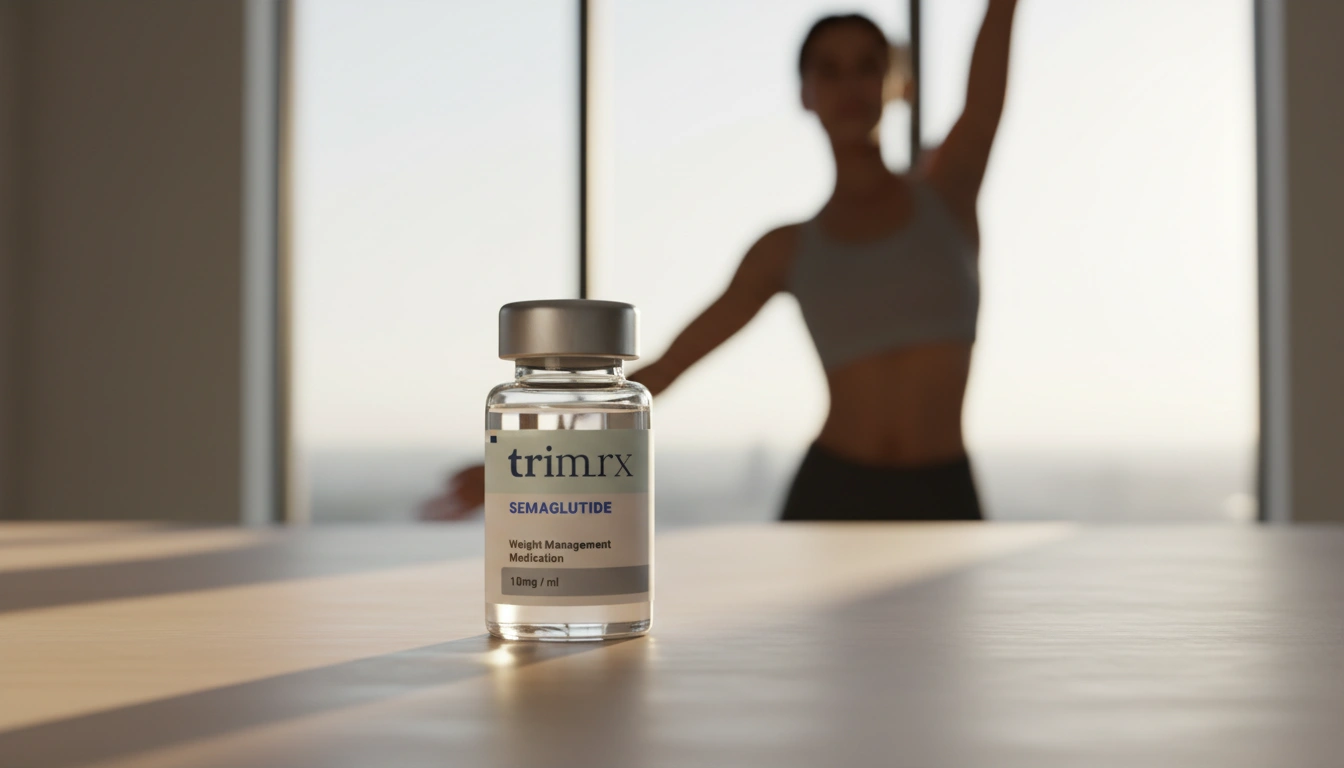
Your first week on semaglutide probably won’t bring dramatic weight loss, and that’s completely by design. The starting dose of 0.25 mg is intentionally low, meant to let your body adjust to the medication before the dose gradually increases over the following months. But even at this introductory dose, things are already happening beneath the surface. Your appetite signals are beginning to shift, your digestive system is adapting, and the biological groundwork for meaningful weight loss is being laid.
Here’s a closer look at what’s actually going on inside your body during that first week, what side effects to watch for, and how to set yourself up for the best possible outcome.
How Semaglutide Works From Day One
Semaglutide is a GLP-1 receptor agonist, which means it mimics a hormone your body already produces called glucagon-like peptide-1. Naturally, GLP-1 is released by cells in your small intestine after you eat, and it plays a role in telling your brain you’re full. The problem is that natural GLP-1 breaks down in minutes. Semaglutide, on the other hand, has been structurally modified to last about a week in your system, which is why you only inject it once every seven days.
From the moment of your first injection, semaglutide starts binding to GLP-1 receptors in several key areas. In the brain, particularly the hypothalamus, it activates neurons associated with satiety while quieting the ones that drive hunger. Peripherally, it slows gastric emptying, meaning food stays in your stomach longer than usual, which contributes to that feeling of fullness after smaller meals.
A randomized, placebo-controlled trial published in Diabetes, Obesity and Metabolism found that semaglutide led to a 24% reduction in total daily energy intake compared to placebo, driven primarily by reduced appetite and fewer food cravings rather than nausea or food aversion. While that study measured results over 12 weeks of treatment, the appetite-regulating mechanisms begin activating with the very first dose.
What You’ll Likely Notice in Week One
Let’s be straightforward: most people don’t see significant weight loss in the first week. Some people notice a pound or two on the scale, but that’s often related to water fluctuations and eating slightly less rather than true fat loss. The 0.25 mg starting dose is a fraction of the therapeutic target (2.4 mg for weight management), so your body is just getting its first introduction to the medication.
That said, there are real changes many people report during this initial period.
Appetite and Hunger Shifts
This is usually the first thing people notice. You might find that you’re simply not as hungry as usual, or that you feel satisfied after eating less than you normally would. Some people describe it as the mental “noise” around food getting quieter. You might not be thinking about your next meal the way you used to, or snacking out of boredom might lose its appeal.
Not everyone notices appetite changes right away at the 0.25 mg dose, and that’s normal too. The effect tends to become more pronounced as the dose increases over the following weeks.
Digestive Changes
Because semaglutide slows gastric emptying, your digestive system may feel a bit different. Common experiences during the first week include mild nausea (especially after eating larger or fattier meals), occasional bloating, and changes in bowel habits like constipation or loose stools.
The nausea tends to be the most talked-about side effect, but it’s worth knowing that in clinical trials, it was typically mild to moderate and often resolved as the body adjusted. Eating smaller meals more frequently, avoiding greasy or very rich foods, and staying well hydrated can make a meaningful difference. If you’re concerned about digestive discomfort, check out TrimRx’s guide on managing sulfur burps and GI issues for practical tips.
Energy and Fatigue
Some people feel a dip in energy during the first few days. This makes sense when you think about it: if you’re eating less than your body is used to, there’s a short adjustment period. Staying hydrated, eating nutrient-dense meals (even if they’re smaller), and getting adequate sleep can help. For most people, this fatigue is temporary and resolves within the first week or two.
Headaches and Mood
Headaches can crop up in the first few days, often linked to dehydration or reduced food intake rather than the medication itself. Drinking plenty of water and not skipping meals entirely (even if your appetite is lower) can help prevent them. Some people also notice subtle mood shifts, feeling slightly more irritable or anxious, which often stabilizes as the body adapts.
What’s Happening That You Can’t See
While the outward changes during week one are subtle, the internal effects are meaningful. Semaglutide is already beginning to influence your metabolic signaling in ways that will compound over time.
Your insulin response is being fine-tuned. Semaglutide enhances glucose-dependent insulin secretion, which means your body handles blood sugar more efficiently after meals. It also suppresses glucagon, a hormone that tells your liver to release stored glucose. For people with insulin resistance or prediabetes, this dual action is particularly relevant.
Your brain’s reward pathways around food are also beginning to shift. Research suggests that GLP-1 receptor activation doesn’t just reduce hunger. It also changes the way your brain responds to food cues, reducing cravings for high-fat, energy-dense foods. This isn’t about willpower. It’s a neurochemical shift that makes it genuinely easier to choose a lighter meal without feeling deprived.
Setting Yourself Up for Success
The first week is really about giving your body time to adjust and building habits that will support your results as the dose increases. Here are a few practical strategies.
Eat smaller, more frequent meals. Rather than three large meals, consider four or five smaller ones. This works with the slower gastric emptying rather than against it, reducing the chance of nausea and bloating.
Stay hydrated. This is one of the simplest and most effective things you can do. Adequate water intake helps with headaches, fatigue, and overall digestive comfort. Aim for at least eight glasses a day, more if you’re active.
Prioritize protein. As you start eating less overall, making sure each meal includes a good source of protein helps maintain muscle mass and keeps you feeling satisfied longer. Think lean meats, eggs, Greek yogurt, legumes, and fish.
Track how you feel, not just what you weigh. The scale may not move much in week one, and that’s expected. Instead, pay attention to your appetite levels, energy, sleep quality, and how you feel after meals. These early indicators are often more telling than the number on the scale.
Don’t skip your injection day. Pick a consistent day of the week for your injection and stick with it. Consistency helps maintain steady medication levels in your body and makes the routine easier to remember.
What About Exercise?
You don’t need to overhaul your exercise routine during the first week. In fact, if you’re experiencing some fatigue or reduced appetite, it’s wise to ease in rather than push hard. Light walking, stretching, or gentle movement is plenty. As your body adjusts and your dose increases over the coming weeks, you can gradually increase activity. Resistance training becomes especially important over time to preserve lean muscle mass as you lose weight.
When to Call Your Provider
Most first-week side effects are mild and manageable, but there are a few things that warrant a call to your healthcare provider: persistent vomiting that prevents you from keeping food or fluids down, severe abdominal pain (especially in the upper abdomen that radiates to your back), signs of an allergic reaction like swelling, difficulty breathing, or a rash, or any symptom that feels unusual or concerning to you.
If you’re working with a TrimRx provider, you’ll have access to ongoing clinical support to help you manage side effects and adjust your treatment plan as needed. The telehealth model means you can reach out without scheduling an in-person visit, which is especially helpful during these early adjustment weeks.
The Bigger Picture
The first week on semaglutide is foundational, not flashy. You’re not going to see before-and-after transformation photos based on seven days at the lowest dose. But the biological processes that drive real, sustained weight loss are already underway. In the STEP 1 clinical trial, participants using semaglutide 2.4 mg lost an average of 14.9% of their body weight over 68 weeks, and that loss was visible from the first assessment at week four onward.
Your first week is the beginning of that trajectory. If you’re curious about what the coming months look like, TrimRx has detailed breakdowns of results at one month, three months, and six weeks.
Ready to get started? Take the TrimRx intake quiz to see if semaglutide is right for you. Compounded semaglutide options start at $179, with no insurance needed and medication delivered to your door.
This information is for educational purposes and is not medical advice. Consult with a healthcare provider before starting any medication. Individual results may vary.

Transforming Lives, One Step at a Time
Keep reading

How Much Protein Do You Need on Ozempic or Semaglutide
Most patients on Ozempic or semaglutide need between 100 and 140 grams of protein daily, significantly more than the average American consumes and more…

How Semaglutide Affects Your Hunger Hormones
Semaglutide works by changing the hormonal signals that control hunger, fullness, and food reward. Within the first few weeks of treatment, patients notice appetite…

Best Exercises to Do While on Ozempic or Semaglutide
The best exercises to do on Ozempic are the ones that preserve muscle, accelerate fat loss, and are sustainable enough to become a genuine…


