Semaglutide for Life: What We Know

Taking semaglutide for life is a realistic possibility for many people, and the research increasingly supports it. Just like medications for blood pressure or cholesterol, semaglutide treats an ongoing biological condition. Stopping it typically leads to weight regain because the hormonal drivers of obesity don’t disappear when the scale hits your goal number.
That framing matters. If you’ve been told (or told yourself) that semaglutide should be a temporary fix, a boost to “get you started” before you maintain on your own, the data tells a different story. Obesity is a chronic disease with chronic biological underpinnings, and treating it long-term with medication isn’t a failure. It’s medicine working the way medicine is supposed to work.
Why the “For Life” Question Comes Up
People don’t usually ask whether they’ll take their statin forever. But weight loss medication carries a different cultural weight. There’s a lingering belief that if you just try hard enough, you should be able to maintain weight loss through diet and exercise alone. Decades of research have shown that this is true for a very small percentage of people. For most, the body actively fights to regain lost weight through hormonal adaptations that increase hunger and decrease energy expenditure.
Semaglutide works by mimicking GLP-1, a hormone that regulates appetite, slows gastric emptying, and influences how your brain perceives fullness. When you stop taking it, those effects go away. Your appetite returns to its pre-medication baseline, and the biological pressure to regain begins almost immediately.
This isn’t a flaw in the medication. It’s a feature of the disease it’s treating.
What the Research Shows About Stopping
The STEP 1 trial extension provided some of the clearest data on this question. Participants who stopped semaglutide after 68 weeks regained approximately two-thirds of their lost weight within a year. A 2022 study published in Diabetes, Obesity and Metabolism by Wilding et al. confirmed this pattern, showing that weight regain after semaglutide discontinuation was substantial and began within weeks of the last injection.
The semaglutide timeline during active treatment shows steady, progressive weight loss. The timeline after stopping shows a fairly predictable reversal. Not everyone regains all the weight, but the majority regain enough to lose most of the metabolic benefits they gained.
This is the core argument for long-term, potentially lifelong, use. The medication isn’t just helping you lose weight. It’s helping you keep it off. Remove it, and the condition it was managing comes back.
Is Lifelong Use Safe?
This is the question that matters most, and the honest answer is that we have strong medium-term data and growing long-term evidence. Semaglutide has been used for type 2 diabetes (as Ozempic) since 2017 and for weight management (as Wegovy) since 2021. The diabetes population provides the longest track record, with many patients on the medication for six or more years.
The SELECT cardiovascular outcomes trial, which followed over 17,000 participants for a mean of nearly 40 months, showed that semaglutide not only didn’t cause cardiovascular harm but actually reduced the risk of major cardiovascular events by 20%. That’s a meaningful safety signal in the right direction.
Known side effects tend to be gastrointestinal and are usually worst during dose escalation. Nausea, constipation, diarrhea, and sulfur burps are common early on but often improve as your body adjusts. For most people on a stable long-term dose, these side effects become minimal or disappear entirely.
There are theoretical concerns that come up in any discussion of lifelong medication use, including effects on the pancreas and thyroid. The thyroid cancer signal seen in rodent studies has not been replicated in human data, but it’s something providers continue to monitor. If you have a personal or family history of medullary thyroid carcinoma or Multiple Endocrine Neoplasia syndrome type 2, semaglutide is not recommended.
The bottom line is that for the vast majority of patients, the known benefits of continued semaglutide use outweigh the known risks. And those benefits go beyond the number on the scale.
What Lifelong Treatment Actually Looks Like
Taking semaglutide indefinitely doesn’t mean staying on your highest dose forever at the same intensity. Long-term use has phases, and your experience in year three will likely feel very different from your experience in month three.
During active weight loss, the medication is doing heavy lifting. Appetite suppression is strong, you’re adjusting to new eating patterns, and side effects may come and go as your dose increases. This phase typically lasts six to twelve months, sometimes longer depending on how much weight you’re losing.
Once your weight stabilizes, you enter maintenance. This is where many providers explore whether a lower dose can sustain your results. Let’s say a patient reached their goal on 2.4 mg of semaglutide weekly. Their provider might try reducing to 1.7 mg and monitoring for several weeks. If appetite stays controlled and weight holds steady, that lower dose becomes the new baseline. If not, they return to the dose that was working.
The semaglutide product page at TrimRx outlines the available dosing options, which gives you a sense of the flexibility built into long-term treatment.
Over years of use, you’ll also develop a better understanding of how the medication interacts with your life. Stress, sleep quality, hormonal changes, and aging all influence your response. Regular check-ins with your provider let you adjust as needed rather than running on autopilot.
The Financial Reality of Long-Term Use
Here’s the part that nobody loves talking about but everybody thinks about. If semaglutide is a lifelong medication, what does that cost over time?
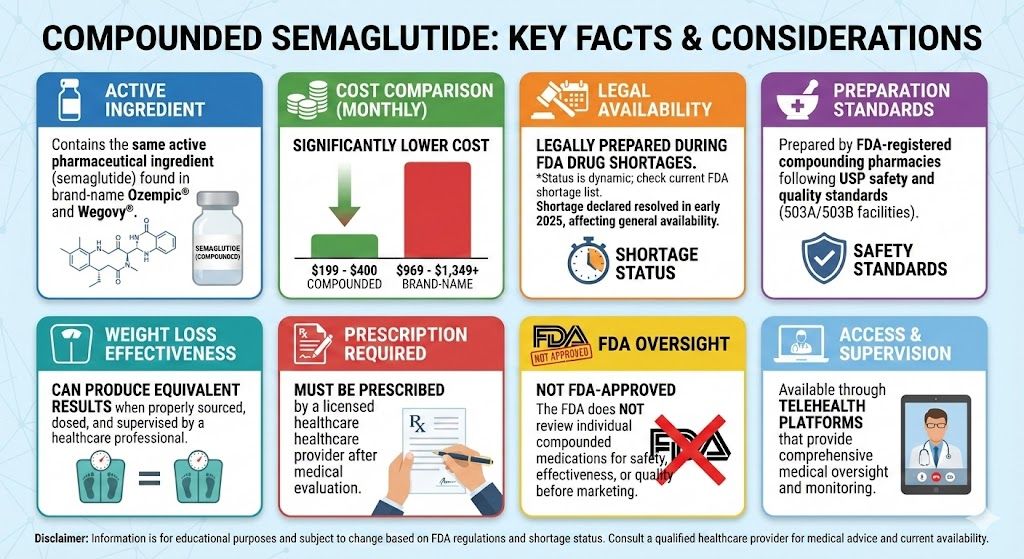
Brand-name Wegovy can run over $1,300 per month without insurance. Ozempic pricing is similar. Even with insurance coverage, copays and prior authorizations can create ongoing headaches. And insurance coverage for weight management medications remains inconsistent. Some plans cover it, some don’t, and some cover it initially but drop coverage after a set period.
Compounded semaglutide through telehealth services like TrimRx offers a more predictable cost structure for people paying out of pocket. Without the insurance dance, you know what you’re paying each month. For long-term use, that predictability matters.
If you’re planning for years of treatment, it’s worth doing the math. A maintenance dose that’s lower than your active weight loss dose may also cost less, depending on pricing structure. Talk to your provider about what long-term affordability looks like for your specific situation.
When Lifelong Use Might Not Be Necessary
Not everyone will need semaglutide forever. Some people use the medication to lose weight, then successfully maintain through significant lifestyle changes, particularly if their starting point was closer to overweight than severe obesity. Others may find that bariatric surgery or other interventions reduce the need for ongoing medication.
But these are exceptions, not the rule. The data on what happens when you stop taking semaglutide is pretty consistent. Most people regain. If you and your provider decide to try discontinuing, do it as a planned experiment with close monitoring, not as an abrupt decision driven by cost frustration or the feeling that you “should” be able to do this on your own.
There’s also a middle ground worth considering. Some patients cycle on and off semaglutide, using it during periods when weight starts to climb and pausing during stable periods. This approach doesn’t have the same research backing as continuous use, but it’s a practical option that some providers and patients find workable.
Reframing the Conversation
The question “will I need semaglutide for life?” often carries an undercurrent of anxiety. It feels like admitting defeat, like your body can’t do what it’s supposed to do without pharmaceutical help.
But consider how we think about other chronic conditions. Nobody feels ashamed of taking thyroid medication for hypothyroidism. Nobody views insulin as a personal failure. Obesity is a disease with biological mechanisms that medication can effectively manage. Choosing to treat it long-term is a rational, evidence-based health decision.
If anything, the ability to maintain significant weight loss for years, with its cascading benefits for cardiovascular health, joint function, sleep quality, and metabolic markers, is something to feel good about. The tool you’re using to get there matters far less than the results you’re achieving.
If you’re weighing whether long-term semaglutide is right for you, the best next step is a conversation with a provider who understands GLP-1 therapy. Start with the intake quiz to connect with a TrimRx clinician who can help you plan for both the short and long term.
This information is for educational purposes and is not medical advice. Consult with a healthcare provider before starting any medication. Individual results may vary.

Transforming Lives, One Step at a Time
Keep reading

Compounded Semaglutide Florida: Complete Guide
Florida ranks among the top states for GLP-1 medication demand, and it’s easy to understand why. With a large population of adults over 50,…

Compounded Semaglutide Texas: Your Options
Texas has a large and growing population of adults seeking GLP-1 weight loss treatment, and compounded semaglutide has become one of the most accessible…

Compounded Semaglutide California: How to Get It
California has one of the highest rates of GLP-1 medication use in the country, and compounded semaglutide has become a go-to option for residents…


