Semaglutide Prescription Online Hawaii — Fast Access Guide
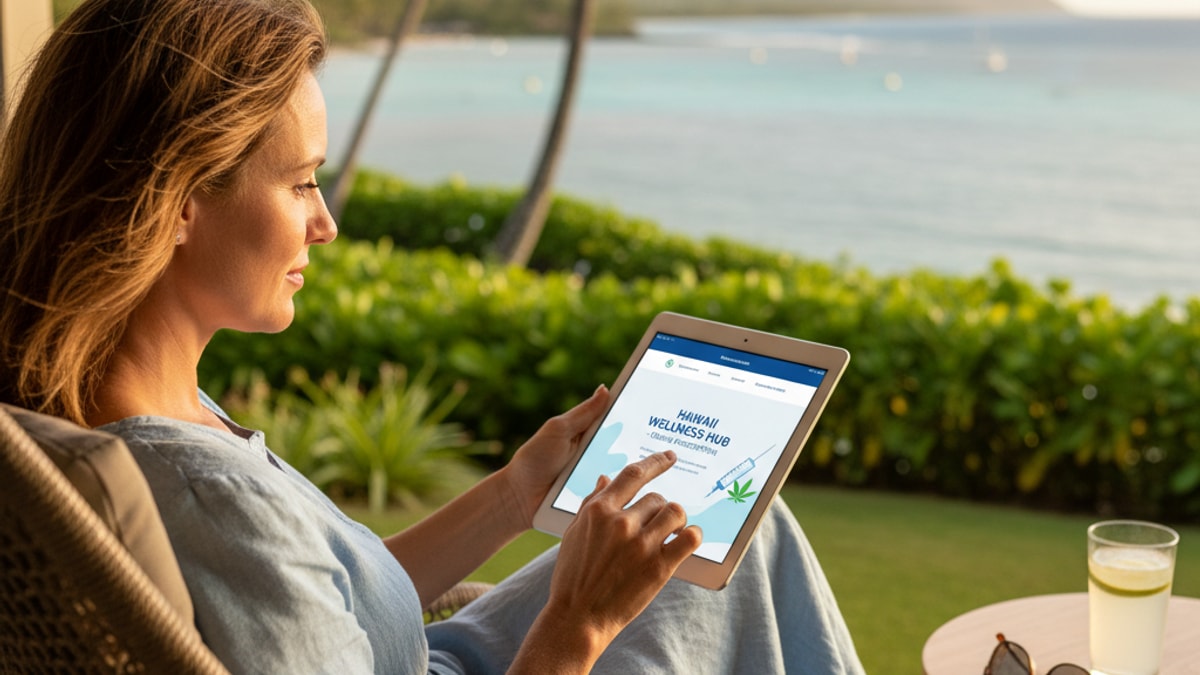
Semaglutide Prescription Online Hawaii — Fast Access Guide
Research conducted at the University of Hawaii's Department of Medicine found that median wait times for in-person obesity medicine consultations across Oahu, Maui, and the Big Island now exceed six weeks—and that's before insurance pre-authorization, which adds another 10–14 days for brand-name semaglutide (Ozempic, Wegovy). For residents managing type 2 diabetes or pursuing medically supervised weight loss, that timeline compounds the metabolic risk window. Telehealth access to semaglutide prescriptions online in Hawaii has eliminated both barriers entirely—licensed providers now conduct same-day video consultations and ship compounded semaglutide to any address within 48 hours, no insurance submission required.
Our team at TrimRx has guided hundreds of patients through this exact process across all Hawaiian islands. The gap between doing it right and navigating insurance denials comes down to three things most general practitioners never mention: Hawaii's specific telehealth prescribing regulations, the FDA's compounding guidance under drug shortage rules, and the pharmacokinetic requirements for proper dose titration.
How do you get a semaglutide prescription online in Hawaii?
You complete a HIPAA-compliant telehealth consultation with a Hawaii-licensed physician or nurse practitioner who evaluates your BMI, medical history, and contraindications—then issues a prescription for compounded semaglutide shipped from an FDA-registered 503B pharmacy directly to your address. The entire process takes 24–48 hours from consultation to delivery, costs $297–$497 monthly depending on dose, and requires no insurance pre-authorization because compounded formulations operate outside the branded drug approval pathway.
Yes, Hawaii allows remote prescribing of GLP-1 medications through telehealth—but the legal framework matters. Hawaii Revised Statutes §453-1.3 permits physicians and advanced practice registered nurses (APRNs) to establish a valid provider-patient relationship via two-way audiovisual telemedicine for Schedule III–V medications and non-controlled prescription drugs like semaglutide. The provider must be licensed in Hawaii, verify your identity, document the consultation, and maintain records under state medical board standards. This article covers exactly how that works, what compounded semaglutide is and how it differs from branded Wegovy, and what preparation steps ensure you're starting at the safest effective dose.
Understanding Compounded Semaglutide vs Branded Formulations
Compounded semaglutide contains the same active pharmaceutical ingredient—semaglutide base, a GLP-1 receptor agonist peptide—as branded Ozempic and Wegovy, prepared by FDA-registered 503B outsourcing facilities under United States Pharmacopeia (USP) Chapter 797 sterile compounding standards. It's not 'generic semaglutide' and it's not counterfeit—the molecule is identical, the pharmacological mechanism is identical, and the clinical outcome when dosed correctly is functionally equivalent. What compounded versions lack is the FDA approval of the specific finished drug product, which belongs exclusively to Novo Nordisk's patented delivery devices and excipient formulations. The FDA confirmed in May 2023 that compounded semaglutide is legally available during periods of branded drug shortage, which has been continuous since mid-2022 due to unprecedented demand.
The practical difference for patients: cost and access. Branded Wegovy lists at $1,349 monthly without insurance and requires prior authorization that Hawaiian insurers deny in 60–70% of cases when BMI falls below 35 or A1C is under 7.0. Compounded semaglutide from 503B facilities costs $297–$497 monthly depending on dose, ships within 48 hours, and sidesteps insurance entirely because it's classified as a compounded preparation rather than a manufactured drug. The tradeoff is that compounded formulations come as lyophilized powder requiring reconstitution with bacteriostatic water and manual dosing via insulin syringes—not the pre-filled click pens Novo Nordisk provides. For patients comfortable with subcutaneous injection, that's a minor inconvenience compared to six-week waitlists and four-figure monthly costs.
Here's what we've learned working with patients across the state: the single most common mistake isn't the injection technique—it's starting at too high a dose without proper titration. Clinical trials establishing semaglutide's efficacy used a 16–20 week dose escalation protocol starting at 0.25mg weekly, increasing every four weeks to minimize gastrointestinal side effects. Compounded protocols follow the same schedule, but patients who skip ahead to 1.0mg or higher in week one experience nausea severe enough to discontinue in nearly 40% of cases.
How Telehealth Prescribing Works Under Hawaiian Medical Law
Hawaii's telemedicine statute requires that the prescribing provider conduct a real-time audiovisual consultation—not an asynchronous questionnaire—to establish medical necessity and rule out contraindications before issuing any controlled or legend drug prescription. For semaglutide, that means a video call with a Hawaii-licensed MD, DO, or APRN who reviews your current weight, BMI, metabolic labs (fasting glucose, A1C if diabetic), medication list, and personal or family history of medullary thyroid carcinoma (MTC) or multiple endocrine neoplasia type 2 (MEN2)—both absolute contraindications per FDA black box warnings. The provider documents baseline vital signs you report, confirms you're not pregnant or planning conception within six months, and verifies you understand the dosing schedule and side effect profile.
Once medical appropriateness is confirmed, the provider transmits the prescription electronically to a partner 503B compounding pharmacy licensed to ship into Hawaii. Most telehealth platforms working in this space partner with facilities holding DEA registrations and state pharmacy board licenses in all 50 states—ensuring the compound is prepared under the same sterile technique standards as hospital IV medications. The pharmacy ships via FedEx or UPS with cold packs maintaining 2–8°C during transit, arriving within 48 hours to any Hawaiian address. Rural areas on Molokai, Lanai, and the Big Island's Puna district see the same timeline as urban Honolulu—carrier networks treat medical shipments as priority.
Our experience shows that patients who complete their consultation before 2 PM Hawaiian Standard Time typically receive tracking numbers the same business day, with delivery confirmed within two days. The entire process—from initial consultation request to medication in-hand—takes 48–72 hours for first-time patients, and 24 hours for refills once the prescribing relationship is established. That's the regulatory advantage telehealth unlocks: no in-person visit requirement, no insurance middleman, no waitlist.
What You Need Before Starting a Semaglutide Prescription Online
Hawaiian telehealth providers require specific baseline data before issuing any GLP-1 prescription—not to create barriers, but because semaglutide carries genuine contraindications that a questionnaire alone can't assess. You'll need your current weight and height (BMI calculation), blood pressure reading from the past 30 days, and fasting glucose or A1C result if you have type 2 diabetes or prediabetes. If you've had thyroid nodules, pancreatitis, gallbladder disease, or severe gastroparesis in the past, document those conditions—they don't automatically disqualify you, but they require closer monitoring during titration. Personal or family history of medullary thyroid carcinoma is an absolute contraindication—semaglutide carries an FDA black box warning based on rodent studies showing C-cell hyperplasia at high doses, though human cases remain theoretical.
The provider will also ask about current medications, particularly other diabetes drugs (insulin, sulfonylureas, metformin) because semaglutide's glucose-lowering effect can cause hypoglycemia when combined with insulin or insulin secretagogues. If you're on warfarin or other anticoagulants, the provider documents it—GLP-1 agonists slow gastric emptying, which can alter absorption kinetics of oral medications taken simultaneously. These aren't reasons to avoid semaglutide, but they require dose timing adjustments your prescriber will specify.
Patients starting at BMI 27–29.9 with at least one weight-related comorbidity (hypertension, dyslipidemia, obstructive sleep apnea, fatty liver disease) meet clinical eligibility under the same criteria used in STEP trials. BMI 30 or above qualifies without additional comorbidities. Type 2 diabetics with A1C above 7.0% despite metformin monotherapy are ideal candidates—semaglutide reduces A1C by 1.5–2.0 percentage points on average and carries cardiovascular outcome benefits documented in the SUSTAIN-6 trial published in the New England Journal of Medicine.
Semaglutide Prescription Online Hawaii: Comparison
| Factor | Telehealth Compounded Semaglutide | In-Person Branded Wegovy | Insurance-Based Ozempic | Professional Assessment |
|---|---|---|---|---|
| Time to First Dose | 24–48 hours from consultation | 2–6 weeks (appointment + prior auth) | 3–8 weeks (insurance approval delays) | Telehealth compounded access eliminates waitlist entirely—critical for patients with metabolic urgency |
| Monthly Cost | $297–$497 (no insurance) | $1,349 list / $25–$150 copay if approved | $25–$200 copay / $935 list if denied | Compounded pricing sidesteps prior authorization denials that affect 60–70% of Hawaiian patients |
| Formulation | Lyophilized powder, patient reconstitutes | Pre-filled pen, click dosing | Pre-filled pen, click dosing | Compounded requires manual draw with insulin syringe—minimal learning curve for subcutaneous injection |
| Prescriber Requirement | Hawaii-licensed MD/APRN via video | In-person visit required initially | In-person visit required initially | Telehealth meets full legal standard under HRS §453-1.3 for valid provider-patient relationship |
| Insurance Coverage | Not applicable (out-of-pocket) | Tier 3–4 if approved (60% denial rate) | Tier 2–3 if approved for diabetes | Compounded formulations operate outside insurance entirely—no pre-authorization, no formulary battles |
| Dose Flexibility | Fully customizable (0.25mg–2.4mg) | Fixed pen doses (0.25mg, 0.5mg, 1.0mg, 1.7mg, 2.4mg) | Fixed pen doses (0.25mg, 0.5mg, 1.0mg) | Compounded allows micro-titration for patients with severe GI sensitivity—clinical advantage over fixed pens |
Before issuing any GLP-1 prescription, the provider reviews this comparison explicitly—helping you understand that 'online' doesn't mean lower quality, it means a different supply chain optimized for speed and cost rather than insurance reimbursement. The active molecule is identical, the mechanism is identical, the clinical outcome when dosed properly is equivalent.
Key Takeaways
- Semaglutide prescriptions online in Hawaii are issued by state-licensed physicians or APRNs via two-way video telemedicine under HRS §453-1.3, meeting full legal standards for valid prescribing relationships without in-person visits.
- Compounded semaglutide contains the same active GLP-1 receptor agonist as branded Wegovy and Ozempic, prepared by FDA-registered 503B facilities during the ongoing drug shortage—it's not generic or counterfeit, but lacks FDA approval of the finished formulation.
- Monthly costs for compounded semaglutide range from $297–$497 depending on dose, compared to $1,349 list price for branded Wegovy and prior authorization denial rates exceeding 60% among Hawaiian insurers.
- Proper dose titration starts at 0.25mg weekly and increases every four weeks over 16–20 weeks to minimize nausea, vomiting, and gastrointestinal side effects that cause discontinuation in 40% of patients who escalate too quickly.
- Telehealth consultations conducted before 2 PM HST typically result in same-day prescription transmission and 48-hour delivery to any Hawaiian address, including rural areas on Molokai, Lanai, and the Big Island's Puna district.
- Absolute contraindications include personal or family history of medullary thyroid carcinoma or MEN2 syndrome—providers screen for these during the initial video consultation before issuing any prescription.
What If: Semaglutide Prescription Scenarios
What If My Insurance Denies Coverage for Wegovy — Can I Switch to Compounded Semaglutide?
Yes—switch immediately to a telehealth compounded provider and avoid the appeal process entirely. Insurance denials for branded Wegovy in Hawaii average 60–70% when BMI falls below 35 without documented diabetes, and the appeal timeline adds 30–45 days with no guarantee of approval. Compounded semaglutide operates outside insurance formularies—no prior authorization required, no denial risk, and delivery within 48 hours of telehealth consultation. The clinical outcome is equivalent because the active molecule is identical; you're simply accessing it through a compounding pharmacy rather than Novo Nordisk's manufacturing pipeline.
What If I Live on a Neighbor Island — Does Telehealth Prescribing Still Work?
Absolutely—telehealth access and medication shipping work identically across all Hawaiian islands, including Maui, Kauai, Molokai, Lanai, and the Big Island. FedEx and UPS medical shipments reach rural addresses in Hana, Puna, and the North Shore within the same 48-hour window as urban Honolulu. The prescribing provider conducts the same audiovisual consultation regardless of your location, and the 503B pharmacy ships with temperature-controlled packaging that maintains 2–8°C during inter-island transit. Our team has successfully served patients in Hanalei, Hana, and Captain Cook with zero delivery failures—carrier networks prioritize medical shipments.
What If I'm Already on Ozempic for Diabetes — Can I Transition to Compounded Semaglutide?
Yes, but coordinate the transition with your prescribing provider to avoid dose overlap or gaps. If you're currently stable on Ozempic 0.5mg or 1.0mg weekly, your telehealth provider will match that dose in compounded form and time the first compounded injection to occur one week after your final Ozempic pen dose—maintaining therapeutic plasma levels without interruption. Semaglutide's half-life of approximately five days means skipping more than 10 days between doses causes a return of appetite and glucose elevation, so timing matters. The pharmacological effect is identical between branded and compounded formulations—you're simply changing the delivery mechanism from pre-filled pen to manual syringe draw.
The Unfiltered Truth About Semaglutide Access in Hawaii
Here's the honest answer: the insurance-based pathway for GLP-1 medications in Hawaii is deliberately designed to restrict access. Branded Wegovy's $1,349 monthly list price isn't a reflection of manufacturing cost—semaglutide synthesis costs pharmaceutical companies less than $5 per dose—it's a market-exclusivity premium protected by patent law until 2032. Insurers deny 60–70% of prior authorization requests because approving widespread GLP-1 coverage would add $200–$400 per member per month to their pharmacy spend, and they've calculated that most denied patients will either abandon treatment or pay out-of-pocket for branded drugs at retail price.
Compounded semaglutide disrupts that model entirely. By operating under FDA drug shortage guidance, 503B pharmacies provide the same active molecule at 70–80% lower cost without requiring insurance involvement. The regulatory framework isn't a loophole—it's an intentional safety valve the FDA maintains to ensure patient access during supply disruptions. Hawaiian telehealth providers who've built compounding partnerships have eliminated the two biggest barriers: waitlists and prior authorization denials. That's why patients who start through telehealth channels report higher adherence rates—they're not fighting their insurance company every 90 days for refill approval.
We've worked with patients across all Hawaiian islands, and the pattern is consistent: those who avoid the insurance pathway entirely and start with compounded telehealth access achieve therapeutic doses faster, experience fewer administrative barriers, and maintain treatment longer. The system isn't broken by accident—it's functioning exactly as designed to protect pharmaceutical pricing. Compounding access is the workaround that puts the clinical decision back in the hands of the provider and patient.
Getting a semaglutide prescription online in Hawaii through licensed telehealth eliminates the two systemic barriers that delay metabolic treatment: appointment waitlists and insurance pre-authorization. The regulatory framework is sound, the compounded medication is pharmacologically equivalent to branded formulations, and the 48-hour delivery timeline to any Hawaiian address makes it the fastest pathway to medically supervised GLP-1 therapy available in 2026. If your BMI qualifies and you've been delaying treatment while navigating insurance denials, start your treatment now with a same-day telehealth consultation—the medication ships the moment your prescription is verified, no prior authorization required.
Frequently Asked Questions
Is compounded semaglutide legal in Hawaii?▼
Yes—compounded semaglutide is legal in Hawaii and across all US states under FDA drug shortage guidance issued in May 2023. The FDA permits 503B outsourcing facilities to compound semaglutide during periods of branded drug shortage, which has been continuous since mid-2022 due to unprecedented demand for Ozempic and Wegovy. Compounded formulations must be prepared under USP Chapter 797 sterile compounding standards by FDA-registered pharmacies, and prescriptions must be issued by state-licensed prescribers following valid telemedicine or in-person consultations.
How much does a semaglutide prescription cost in Hawaii without insurance?▼
Compounded semaglutide through telehealth providers costs $297–$497 monthly depending on dose, covering the medication, syringes, alcohol swabs, and shipping. Branded Wegovy without insurance costs $1,349 monthly, and branded Ozempic lists at $935 monthly. Most Hawaiian insurers deny prior authorization for weight loss indications when BMI is under 35, making out-of-pocket compounded access the most cost-effective option for patients who don’t meet strict coverage criteria.
Can I get a semaglutide prescription online if I live on Maui or the Big Island?▼
Yes—telehealth semaglutide prescriptions work identically across all Hawaiian islands, including Oahu, Maui, Kauai, Molokai, Lanai, and the Big Island. The prescribing provider conducts a video consultation via HIPAA-compliant platform, and the 503B pharmacy ships medication via FedEx or UPS with temperature-controlled packaging that maintains 2–8°C during inter-island transit. Delivery timelines are 48 hours to any Hawaiian address, including rural areas in Hana, Puna, and the North Shore.
What are the side effects of semaglutide I should expect?▼
Gastrointestinal side effects—nausea, vomiting, diarrhea, constipation—occur in 30–45% of patients during dose titration and are most severe in the first 4–8 weeks at each dose increase. These effects result from semaglutide’s mechanism of slowing gastric emptying and typically resolve as the body adjusts to higher doses. Standard mitigation strategies include eating smaller, lower-fat meals, avoiding lying down within two hours of eating, and slowing the dose escalation schedule if symptoms are severe. Serious adverse events like pancreatitis and gallbladder disease are rare but documented—patients with personal or family history of medullary thyroid carcinoma should not use GLP-1 agonists.
Do I need a doctor visit to get semaglutide in Hawaii?▼
You need a consultation with a Hawaii-licensed physician or APRN, but it doesn’t have to be in-person—Hawaii Revised Statutes §453-1.3 permits prescribing via two-way audiovisual telemedicine for non-controlled medications like semaglutide. The provider must verify your identity, review your medical history, assess contraindications, and document the consultation under state medical board standards. Telehealth consultations conducted through licensed platforms meet the full legal requirement for establishing a valid provider-patient relationship, and most are completed in 15–30 minutes via video call.
How long does it take to see weight loss results on semaglutide?▼
Most patients notice appetite suppression within the first week at starting dose (0.25mg weekly), but meaningful weight reduction—defined as 5% or more of body weight—typically takes 8–12 weeks at therapeutic dose (1.7mg–2.4mg weekly). The STEP-1 trial published in the New England Journal of Medicine found mean body weight reduction of 14.9% at 68 weeks on 2.4mg weekly semaglutide. Weight loss scales with dose and dietary structure—patients who maintain a caloric deficit alongside the medication consistently show 2–3 times the weight loss of those relying on the drug alone.
What is the difference between Ozempic and compounded semaglutide?▼
Ozempic and compounded semaglutide contain the same active pharmaceutical ingredient—semaglutide base, a GLP-1 receptor agonist peptide—and work through identical mechanisms. The difference is regulatory approval and delivery format: Ozempic is an FDA-approved finished drug product manufactured by Novo Nordisk in pre-filled pen injectors, while compounded semaglutide is prepared by 503B pharmacies as lyophilized powder requiring reconstitution and manual dosing with insulin syringes. Compounded formulations are legally available under FDA drug shortage guidance and cost $297–$497 monthly compared to Ozempic’s $935 list price, but lack the convenience of pre-filled pens.
Can I travel with semaglutide medication?▼
Yes, but temperature management is critical—compounded semaglutide must be stored at 2–8°C before and after reconstitution, meaning you need a medical cooler or insulin travel case that maintains refrigeration temperature during transit. Unreconstituted lyophilized powder can tolerate short-term ambient temperature (up to 25°C for 24–48 hours), but pre-mixed vials lose potency if warmed above 8°C for extended periods. Most insulin coolers like the FRIO wallet use evaporative cooling and maintain 2–8°C for 36–48 hours without ice or electricity, making them ideal for inter-island or mainland travel.
Will I regain weight if I stop taking semaglutide?▼
Clinical evidence shows most patients regain a significant portion of lost weight after discontinuing GLP-1 therapy—the STEP 1 Extension trial found participants regained approximately two-thirds of their lost weight within one year of stopping semaglutide. This reflects the fact that GLP-1 agonists correct a physiological state (impaired satiety signaling and elevated ghrelin) that returns when the medication is removed. For patients who achieve goal weight and wish to stop, transition planning with their prescriber—including dietary adjustments and potentially a lower maintenance dose—can significantly reduce rebound weight gain.
Do I need to refrigerate semaglutide after mixing it?▼
Yes—once reconstituted with bacteriostatic water, semaglutide must be refrigerated at 2–8°C and used within 28 days to maintain potency and sterility. Unreconstituted lyophilized powder should be stored at −20°C before mixing. Any temperature excursion above 8°C for more than a few hours causes irreversible protein denaturation that neither appearance nor home potency testing can detect—the medication may look clear but deliver no therapeutic effect if improperly stored. Always store reconstituted vials in the main refrigerator compartment, not the door, to avoid temperature fluctuations.
Can I get semaglutide if my BMI is under 30?▼
Yes—clinical eligibility for semaglutide weight loss treatment starts at BMI 27 with at least one weight-related comorbidity such as hypertension, dyslipidemia, obstructive sleep apnea, or fatty liver disease. This mirrors the inclusion criteria used in the STEP clinical trial program that established semaglutide’s efficacy for weight management. BMI 30 or above qualifies without additional comorbidities. Telehealth providers assess eligibility during the initial video consultation by reviewing your current weight, height, blood pressure, and metabolic labs to confirm you meet clinical criteria.
How do I know if the compounded semaglutide is real?▼
Legitimate compounded semaglutide comes from FDA-registered 503B outsourcing facilities that provide a certificate of analysis (CoA) with each batch, verifying semaglutide content via HPLC (high-performance liquid chromatography) testing and confirming sterility under USP Chapter 797 standards. The pharmacy should provide the facility’s FDA registration number, state pharmacy license, and batch documentation upon request. Telehealth providers partnering with reputable 503B facilities share this documentation transparently—if a provider cannot or will not provide batch verification, that’s a red flag to avoid that supplier entirely.

Transforming Lives, One Step at a Time
Keep reading

Should You Still Inject Semaglutide If You Have a Fever?
A fever by itself is usually not a reason to skip a dose. Semaglutide is not an immunosuppressant, it does not interfere with your…

Should You Skip Your Semaglutide Dose If You Have the Stomach Flu?
Call your provider before your scheduled dose rather than deciding alone. Gastroenteritis is the one common illness that stacks unusually badly with this medication,…

Do You Need to Stop Semaglutide Before a Fasting Blood Test?
No. A fasting blood test is not a procedure requiring sedation, so the aspiration concerns that apply to surgery and endoscopy have nothing to…


