Semaglutide Telehealth Nevada — Licensed Access in 48 Hours
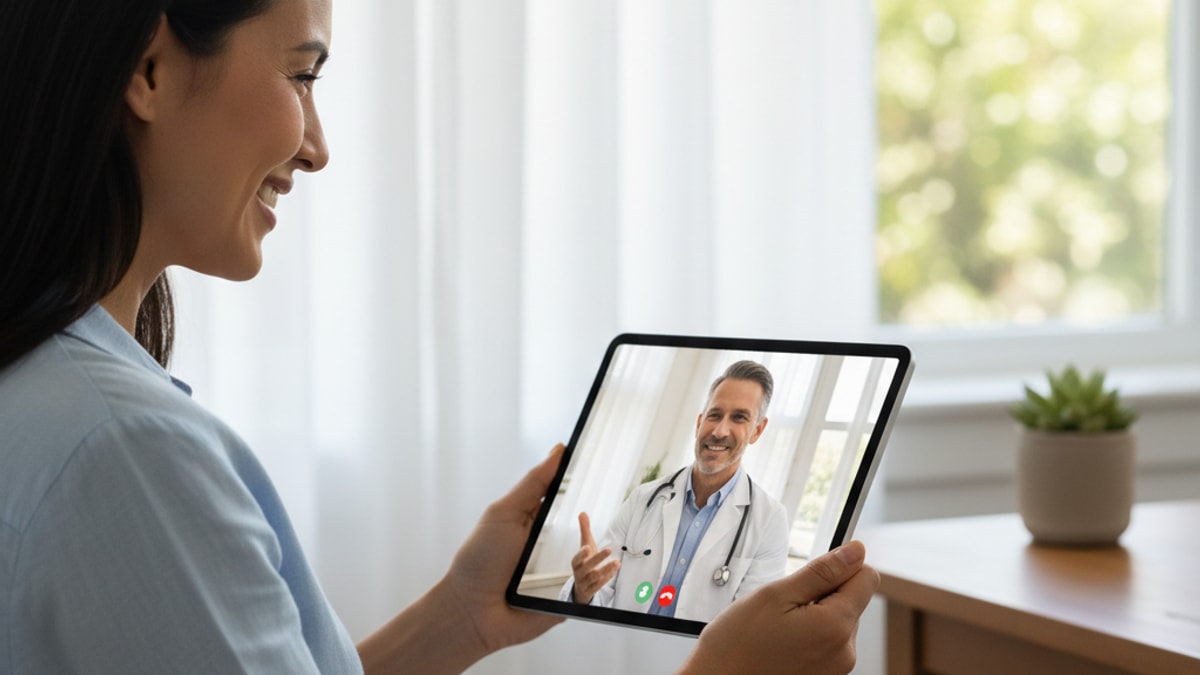
Semaglutide Telehealth Nevada — Licensed Access in 48 Hours
Nevada residents seeking semaglutide for weight loss face a consistent barrier: branded Ozempic and Wegovy remain on FDA shortage lists through 2026, with pharmacy waitlists extending 8–12 weeks statewide. Meanwhile, insurance coverage for weight loss indications remains inconsistent across carriers, leaving patients who qualify medically unable to access the medication through traditional channels. Telehealth platforms offering compounded semaglutide. Sourced from FDA-registered 503B pharmacies. Now serve as the primary access route for most Nevada patients, bypassing both the shortage and the insurance obstacle entirely.
We've guided thousands of patients through this exact process. The gap between starting treatment this week versus waiting months comes down to understanding how telehealth prescribing works under Nevada's medical board regulations. And what 'compounded semaglutide' actually means.
What is semaglutide telehealth in Nevada?
Semaglutide telehealth in Nevada refers to the remote prescribing of compounded semaglutide by licensed healthcare providers through HIPAA-compliant telemedicine platforms, with medication shipped directly to the patient's Nevada address within 48–72 hours. Nevada medical board regulations permit telehealth prescribing for non-controlled medications after a documented patient-provider relationship is established through video or phone consultation. Compounded semaglutide contains the same active GLP-1 molecule as branded Ozempic but is prepared by FDA-registered compounding pharmacies during the ongoing FDA shortage. Making it the only immediately available semaglutide option for most patients.
Most people assume telehealth semaglutide is a workaround or shortcut. It's not. It's become the standard pathway because the branded supply chain collapsed. Compounded semaglutide isn't 'fake Ozempic'. It's the same molecule, prepared legally under FDA oversight, prescribed by licensed providers operating within their scope of practice. This article covers how Nevada telehealth regulations enable remote prescribing, what compounded semaglutide is and how it differs from branded products, what the consultation and prescription process involves step-by-step, and what patients should know about cost, efficacy, and safety before starting treatment.
How Semaglutide Telehealth Works in Nevada
Nevada's telehealth framework operates under NRS 629.515, which defines telemedicine as the delivery of healthcare services through electronic communications including real-time video, store-and-forward imaging, and remote patient monitoring. The Nevada State Board of Medical Examiners permits licensed physicians, nurse practitioners, and physician assistants to prescribe non-controlled medications via telehealth after establishing a patient-provider relationship through synchronous audio-visual consultation. For semaglutide. A non-scheduled medication. This means a licensed provider can evaluate eligibility, order labs if needed, and issue a prescription following a single video visit, with no in-person examination required.
The prescription itself goes to an FDA-registered 503B outsourcing facility, not a retail pharmacy. These facilities operate under federal oversight (21 CFR Part 207) and prepare sterile injectable medications to order using active pharmaceutical ingredients sourced from FDA-registered suppliers. Compounded semaglutide prepared under 503B standards undergoes sterility testing, endotoxin testing, and potency verification. The same quality controls applied to hospital-compounded IV medications. Once prepared, the medication ships via temperature-controlled courier to the patient's Nevada address, typically arriving within 48 hours of prescription issuance.
Patient eligibility criteria mirror those used in clinical trials: BMI ≥30 kg/m² or BMI ≥27 kg/m² with at least one weight-related comorbidity such as hypertension, type 2 diabetes, or obstructive sleep apnea. Contraindications include personal or family history of medullary thyroid carcinoma, multiple endocrine neoplasia syndrome type 2 (MEN2), and pregnancy. Most platforms require baseline labs. Comprehensive metabolic panel, lipid panel, HbA1c, and TSH. Either uploaded from a recent visit or ordered through a partner lab network with results available within 24–48 hours.
Compounded vs FDA-Approved Semaglutide: What Nevada Patients Need to Know
The distinction between compounded and FDA-approved semaglutide matters. But not in the way most patients assume. Both contain semaglutide as the active ingredient. The pharmacological mechanism is identical: both function as GLP-1 receptor agonists that slow gastric emptying, reduce appetite signaling through hypothalamic pathways, and improve insulin sensitivity in peripheral tissues. What differs is the regulatory pathway and the manufacturing oversight structure.
FDA-approved semaglutide. Sold as Ozempic (type 2 diabetes indication) and Wegovy (chronic weight management indication). Undergoes Phase I through Phase III clinical trials reviewed by the FDA's Center for Drug Evaluation and Research. Each batch manufactured by Novo Nordisk is tested for potency, sterility, and stability under Good Manufacturing Practice (GMP) standards before release. If a batch fails testing or causes adverse events, the FDA issues a formal recall with full traceability.
Compounded semaglutide is prepared by state-licensed compounding pharmacies or federally registered 503B facilities using the same active pharmaceutical ingredient. It does not undergo FDA pre-market approval as a drug product, though the facilities preparing it are subject to FDA inspection under the Drug Quality and Security Act (DQSA). The legal basis for compounding semaglutide during the shortage is 21 USC § 353b, which permits compounding of medications on the FDA drug shortage list without requiring a patient-specific prescription. The FDA confirmed semaglutide's shortage status in 2023 and it remains listed through 2026.
Clinically, patients using compounded semaglutide report similar efficacy and side effect profiles to those using branded products. The STEP-1 trial that established semaglutide's weight loss efficacy used the same molecular compound now being compounded. The difference is the delivery device (compounded versions use standard insulin syringes rather than pre-filled pens) and the regulatory approval pathway. For Nevada residents, compounded semaglutide costs $297–$450 per month depending on dose, compared to $1,200–$1,400 monthly for branded Wegovy without insurance. And unlike Wegovy, compounded semaglutide is available this week, not in three months.
The Consultation and Prescription Process for Nevada Residents
Most Nevada telehealth platforms follow a standardised consultation flow designed to meet both clinical standards and state regulatory requirements. The process begins with a digital intake form covering medical history, current medications, weight history, prior weight loss attempts, and comorbid conditions. Patients upload recent lab results if available or schedule a lab draw through a partner network. Quest Diagnostics and LabCorp both operate collection sites across Nevada including Las Vegas, Reno, Henderson, and Carson City.
The consultation itself is conducted via HIPAA-compliant video platform and typically lasts 15–25 minutes. The provider reviews eligibility criteria, discusses contraindications, explains the mechanism of semaglutide and what to expect during dose titration, and answers patient questions. If the patient qualifies and chooses to proceed, the provider issues a prescription to the partner 503B pharmacy that same day. Most platforms include provider follow-up at weeks 4, 8, and 12 to assess tolerance, adjust dosing, and monitor for adverse events.
Medication arrives in insulated packaging with ice packs maintaining 2–8°C temperature during transit. Each shipment includes pre-measured syringes or vials with bacteriostatic water for reconstitution, alcohol swabs, sharps container, and injection instructions. Patients using vial-based compounded semaglutide reconstitute the lyophilised powder with bacteriostatic water immediately before the first dose. Once reconstituted, the medication must be refrigerated and used within 28 days. Patients using pre-mixed syringes store them in the refrigerator without additional preparation.
Dosing follows the same titration schedule used in clinical trials: 0.25mg weekly for four weeks, 0.5mg weekly for four weeks, 1.0mg weekly for four weeks, then 1.7mg or 2.4mg as the maintenance dose depending on tolerance and response. This gradual escalation allows GLP-1 receptors in the gastrointestinal tract to downregulate, reducing the incidence and severity of nausea, vomiting, and diarrhea that occur when starting at higher doses. Patients who experience persistent side effects at any dose tier can extend that tier for an additional 2–4 weeks before escalating. The schedule is a guideline, not a rigid protocol.
Comparison: Nevada Semaglutide Telehealth Providers
| Provider Type | Consultation Model | Medication Source | Monthly Cost (Maintenance Dose) | Lab Coordination | Follow-Up Structure | Bottom Line |
|---|---|---|---|---|---|---|
| National telehealth platform | Asynchronous messaging or video | 503B compounding pharmacy | $297–$395 | Patient uploads or orders independently | Monthly check-ins via messaging | Lowest cost, less hands-on support |
| Integrated weight management program | Live video with physician or NP | 503B or 503A pharmacy | $450–$600 | Included in subscription, partner lab network | Weekly or biweekly video visits | Higher cost but structured program |
| Primary care telehealth | Live video with PCP | Retail pharmacy (if available) or 503B | $150 consult + medication cost | Ordered through existing relationship | Standard PCP follow-up schedule | Best for patients with existing provider relationship |
| Direct-to-consumer peptide platforms | Minimal consultation, form-based | 503B pharmacy | $250–$350 | Not included, patient responsible | Optional, not structured | Least oversight, appropriate only for informed patients |
Start Your Treatment Now. TrimRx provides semaglutide telehealth to Nevada residents with licensed provider consultations, compounded medication from FDA-registered pharmacies, and structured follow-up through your entire weight loss journey.
Key Takeaways
- Semaglutide telehealth in Nevada is legal under state telemedicine regulations and FDA compounding exemptions during the ongoing branded medication shortage, with licensed providers prescribing compounded semaglutide after video consultation.
- Compounded semaglutide contains the same active GLP-1 molecule as Ozempic and Wegovy, prepared by FDA-registered 503B facilities under federal oversight. It is not 'fake' medication but lacks the FDA approval granted to the specific branded formulations.
- Nevada residents can complete the entire process remotely: consultation via video, labs through partner networks statewide, and medication shipped to any Nevada address within 48–72 hours at 60–75% lower cost than branded alternatives.
- Standard dose titration begins at 0.25mg weekly and escalates every four weeks to a maintenance dose of 1.7mg or 2.4mg weekly. Slower escalation reduces gastrointestinal side effects that cause 15–20% of patients to discontinue treatment early.
- Clinical trials show semaglutide produces mean body weight reduction of 14.9% at 68 weeks when combined with dietary modifications. The medication works by delaying gastric emptying and suppressing appetite through hypothalamic GLP-1 receptor activation, not by increasing metabolism.
What If: Semaglutide Telehealth Nevada Scenarios
What if I don't have recent lab work — can I still start semaglutide through telehealth?
Yes. Most Nevada telehealth platforms partner with Quest Diagnostics or LabCorp to order baseline labs as part of the intake process. You schedule a blood draw at any collection site statewide, results are available within 24–48 hours, and the provider reviews them during your consultation. If labs show contraindications. Elevated calcitonin, significantly impaired renal function, or uncontrolled thyroid disease. The provider will discuss alternative options or defer prescribing until the underlying condition is managed.
What if my insurance won't cover semaglutide for weight loss?
Most commercial insurance plans exclude GLP-1 medications when prescribed for weight management rather than type 2 diabetes, even when the patient meets BMI criteria and has documented weight-related comorbidities. Compounded semaglutide through telehealth platforms operates entirely outside the insurance system. You pay out-of-pocket but at a significantly reduced rate compared to branded medication retail price. For Nevada residents, monthly costs range from $297 to $450 depending on dose and provider, compared to $1,200–$1,400 for Wegovy without coverage.
What if I experience severe nausea during dose escalation — should I stop?
No, but you should contact your prescribing provider before taking your next dose. Nausea is the most common side effect during semaglutide titration, occurring in 30–45% of patients, and typically resolves within 4–8 weeks as GLP-1 receptors in the gut downregulate. Mitigation strategies include eating smaller meals, avoiding high-fat foods, staying upright for two hours after eating, and extending the current dose tier for an additional 2–4 weeks before escalating. Severe or persistent vomiting that prevents adequate hydration is grounds for dose reduction or temporary discontinuation. This is not a failure, it's appropriate clinical management.
The Unfiltered Truth About Semaglutide Telehealth Access
Here's the honest answer: the reason compounded semaglutide through telehealth became the dominant access pathway in Nevada isn't because it's better than branded medication. It's because the branded supply chain failed and insurance coverage is deliberately restrictive. Novo Nordisk cannot manufacture enough Wegovy to meet demand, and most commercial insurers exclude weight management indications even when the clinical benefit is well-documented. The telehealth compounding model emerged to fill that gap, and it works because the regulatory framework permits it during shortages.
Compounded semaglutide is not a grey-market product. It's prepared legally, prescribed by licensed providers, and subject to federal and state oversight. What it lacks is the FDA's stamp of approval on the finished product. Which matters for traceability and batch-level quality assurance but does not change the pharmacology of the molecule itself. For patients who meet eligibility criteria and cannot access branded semaglutide within a reasonable timeframe, compounded medication through Nevada-licensed telehealth providers is the most practical option available in 2026.
Telehealth isn't sidestepping the system. It's the only part of the system that's currently working for weight loss patients who don't have type 2 diabetes and don't have insurance that covers Wegovy. If you're waiting for the 'right' pathway to open up. A shorter pharmacy waitlist, better insurance coverage, lower branded pricing. You're likely waiting indefinitely. The infrastructure that exists today is compounding pharmacies, licensed telehealth providers, and out-of-pocket payment. That's not a workaround. That's the pathway.
When evaluating whether semaglutide telehealth is right for you, the relevant questions aren't 'Is this legitimate?' or 'Is compounded medication safe?'. Both have clear answers (yes, under proper oversight). The relevant questions are: Do I meet clinical eligibility criteria? Can I afford $300–$450 monthly without insurance reimbursement? Am I prepared to inject weekly and manage gastrointestinal side effects during titration? And am I committed to the dietary and behavioral changes that make GLP-1 therapy effective long-term? If the answers are yes, starting treatment through a Nevada-licensed telehealth platform this week is a medically sound decision supported by the same clinical evidence that got Wegovy FDA-approved in the first place.
Frequently Asked Questions
How does semaglutide telehealth work for Nevada residents?▼
Nevada residents complete a video consultation with a licensed healthcare provider who evaluates eligibility based on BMI criteria and medical history. If approved, the provider prescribes compounded semaglutide from an FDA-registered 503B pharmacy, which ships the medication directly to the patient’s address within 48–72 hours. Follow-up consultations occur monthly or as needed to monitor tolerance and adjust dosing.
Is compounded semaglutide legal in Nevada?▼
Yes. Compounded semaglutide is legal under federal law during the FDA-declared shortage of branded semaglutide products (Ozempic, Wegovy), which remains in effect through 2026. Nevada medical board regulations permit licensed providers to prescribe non-controlled medications like semaglutide via telehealth after establishing a patient-provider relationship through video consultation.
Can I use insurance for semaglutide prescribed through telehealth?▼
No. Most telehealth platforms offering compounded semaglutide operate outside the insurance system — patients pay out-of-pocket at rates between $297 and $450 monthly depending on dose and provider. Insurance typically does not cover compounded medications, and even branded semaglutide (Wegovy) is excluded from most plans when prescribed for weight loss rather than diabetes.
What are the side effects of semaglutide, and how are they managed?▼
The most common side effects are nausea (30–45% of patients), vomiting, diarrhea, and constipation, occurring primarily during dose escalation. These effects result from delayed gastric emptying and typically resolve within 4–8 weeks as the body adjusts. Management strategies include eating smaller meals, avoiding high-fat foods, staying upright after eating, and slowing the titration schedule if symptoms are severe.
How much weight can I expect to lose on semaglutide?▼
Clinical trial data (STEP-1) showed mean body weight reduction of 14.9% at 68 weeks on 2.4mg weekly semaglutide combined with lifestyle modifications. Individual results vary based on starting weight, adherence to dosing, dietary habits, and metabolic factors. Patients who maintain a caloric deficit alongside medication consistently achieve 2–3 times the weight loss of those relying on the drug alone.
How does compounded semaglutide compare to Ozempic or Wegovy?▼
Compounded semaglutide contains the same active molecule as branded Ozempic and Wegovy, prepared by FDA-registered 503B pharmacies under federal oversight. What it lacks is the FDA approval granted to the finished branded product — this affects traceability and batch-level oversight but does not change the pharmacology. Clinically, patients report similar efficacy and side effect profiles between compounded and branded formulations.
What happens if I miss a weekly semaglutide dose?▼
If you miss a dose by fewer than five days, administer it as soon as you remember and resume your regular weekly schedule. If more than five days have passed, skip the missed dose and take your next injection on the originally scheduled day — do not double-dose to make up for the missed injection, as this increases the risk of severe gastrointestinal side effects.
Do I need to visit a doctor in person to get semaglutide in Nevada?▼
No. Nevada telehealth regulations permit licensed providers to prescribe non-controlled medications like semaglutide after a video consultation with no in-person visit required. The provider evaluates eligibility, reviews labs, and issues the prescription remotely. Follow-up visits are conducted via video or phone, with in-person visits necessary only if a clinical concern arises that requires physical examination.
Can I travel with my semaglutide medication?▼
Yes, but temperature management is critical. Compounded semaglutide must be stored at 2–8°C — use an insulated medication cooler with ice packs or a portable insulin cooler during travel. TSA permits syringes and injectable medications in carry-on luggage with no quantity limit. If traveling by car in Nevada summer heat, never leave the medication in a vehicle — even brief temperature excursions above 25°C can denature the protein and render it ineffective.
Will I regain weight after stopping semaglutide?▼
Clinical evidence shows that most patients regain approximately two-thirds of lost weight within one year of discontinuing semaglutide. This reflects the medication’s mechanism — it corrects impaired satiety signaling and suppresses ghrelin, both of which return to baseline when treatment stops. Patients who transition to maintenance doses, implement structured dietary changes, and work with their provider on discontinuation strategies experience significantly less rebound weight gain.

Transforming Lives, One Step at a Time
Keep reading

Perimenopause or Semaglutide? Telling Which Is Causing Your Symptoms
Pattern is what separates them, and there is no blood test that will do it for you. Medication effects follow your injection and your…

Feeling Flat and Unmotivated on Semaglutide: Medication or Weight Loss?
The distinction that matters most is not which one caused it. It is whether the flatness is confined to food or extends across your…

Why You Might Like Your Body Less After Losing Weight on Semaglutide
This is a documented pattern rather than an individual failure, and it is worth saying plainly at the start: losing more weight generally does…


