Semaglutide vs Ozempic: Key Differences

Semaglutide is the active ingredient in both Ozempic (a brand-name medication) and compounded semaglutide. While Ozempic is FDA-approved for type 2 diabetes and offers added weight loss benefits, compounded semaglutide lacks FDA approval and is no longer widely available following the resolution of a semaglutide shortage in March 2025. Both medications belong to the GLP-1 receptor agonist class, which helps manage blood sugar, reduce appetite, and support weight loss.
Here’s the key breakdown:
- Ozempic: Pre-filled injection pen, FDA-approved for diabetes, and secondary weight loss benefits.
- Wegovy: A higher-dose semaglutide specifically approved for weight loss.
- Compounded Semaglutide: Previously used during shortages, now discontinued and not FDA-approved.
Quick Comparison:
| Aspect | Ozempic | Wegovy | Compounded Semaglutide |
|---|---|---|---|
| FDA Approval | Yes (Type 2 Diabetes) | Yes (Weight Loss) | No |
| Primary Use | Diabetes (with weight loss) | Weight Loss | N/A (Discontinued) |
| Dosage | Up to 2 mg weekly | Up to 2.4 mg weekly | Custom (varied by pharmacy) |
| Administration | Pre-filled pen | Pre-filled pen | Syringe with vials |
| Cost (Monthly) | ~$1,149 (without insurance) | Similar to Ozempic | Previously lower, now unavailable |
Ozempic and Wegovy are stronger options for diabetes and weight loss, respectively. For cost-effective alternatives, programs like TrimRX provide personalized support, telehealth consultations, and medication delivery. Always consult your doctor to find the best option for your needs.
What Is The Difference Between Semaglutide Ozempic and Wegovy?
How They’re Made and Given
Understanding how these medications are prepared and administered helps clarify what to expect.
Active Ingredients and Available Forms
Ozempic is available as a pre-filled injection pen containing a clear, colorless solution. Each pen offers multiple doses and comes in various strengths, making it easy to administer the prescribed amount.
Compounded semaglutide, on the other hand, is typically prepared in glass vials by compounding pharmacies. These solutions are mixed to meet specific concentration requirements based on the prescribed dose.
The differences in how these medications are formulated directly impact how they fit into your routine, especially when it comes to dosing frequency.
How Often You Take Them
Both Ozempic and compounded semaglutide are designed for once-weekly injections. This schedule is convenient and easier to manage compared to medications requiring daily dosing.
For best results, aim to take your injection on the same day each week. If you happen to miss a dose, consult your healthcare provider for guidance on how to proceed. The specific time of day for the injection doesn’t matter, offering flexibility in planning your routine.
This consistent dosing schedule ties into the differences in injection methods described below.
Injection Devices and Methods
The way these medications are administered highlights another key difference.
Ozempic is delivered through a pre-filled, multi-dose pen designed for simplicity. The pen is ready to use – just attach a new needle, dial in your prescribed dose, and inject it under the skin (commonly in the thigh, upper arm, or abdomen). After the injection, you dispose of the used needle but keep the pen for future doses.
According to Mochi Health (March 2025), Ozempic’s pen-like device offers a convenient, ready-to-use solution, contrasting with the more manual process required for compounded semaglutide.
Compounded semaglutide requires more preparation. The medication is provided in vials, and you’ll need to use a syringe to draw the appropriate dose before injecting it into the same areas – thigh, upper arm, or abdomen.
Here’s a quick comparison of the two:
| Aspect | Ozempic | Compounded Semaglutide |
|---|---|---|
| Device Type | Pre-filled multi-dose pen | Glass vials requiring a syringe |
| Preparation | Attach needle and dial dose | Draw medication into syringe |
| Convenience | Ready-to-use and travel-friendly | Requires additional preparation |
FDA Approval and Medical Uses
Regulatory decisions play a big role in how medications are prescribed and who they are intended for.
Diabetes and Weight Loss Approval
Ozempic has received FDA approval for managing type 2 diabetes. It helps control blood sugar, lowers cardiovascular risks, and slows the progression of kidney disease. While it can aid in weight loss, that’s considered a secondary benefit.
On the other hand, Wegovy (semaglutide) is specifically approved for weight management in adults who are obese or overweight and have related health conditions.
According to Healthline, "Compounded semaglutide and Ozempic are different products. While both may be used in people with type 2 diabetes, Ozempic is approved by the FDA, but compounded semaglutide is not."
Compounded semaglutide is not FDA-approved. Its production has ended since the semaglutide shortage was resolved by the FDA in March 2025.
These regulatory distinctions guide which patients can benefit from each medication, as highlighted below.
Who Can Use These Medications
The approval statuses of these drugs define their eligible patient populations.
Ozempic is prescribed for adults with type 2 diabetes who need better blood sugar control or want to reduce cardiovascular risks. It’s also recommended for patients with existing heart disease or chronic kidney disease, offering added protective benefits beyond managing glucose levels.
Wegovy is targeted at adults with a BMI of 30 kg/m² or higher (classified as obesity) or those with a BMI of 27 kg/m² or higher (classified as overweight) who have at least one weight-related health condition. It’s also approved for pediatric patients aged 12 and older whose BMI is at or above the 95th percentile for their age and sex.
However, these medications are not suitable for everyone. Patients with the following conditions should avoid FDA-approved semaglutide products:
- Personal or family history of medullary thyroid carcinoma (MTC)
- Multiple Endocrine Neoplasia syndrome type 2 (MEN 2)
- Severe allergic reactions to semaglutide
- History of pancreatitis
- Diabetic retinopathy
- Kidney problems
- Serious stomach issues
- Pregnancy or breastfeeding
Compounded semaglutide, lacking FDA approval, does not have the same established safety guidelines or defined patient populations. The FDA advises that compounded drugs should only be used when no FDA-approved alternatives meet a patient’s medical needs – a situation no longer relevant for semaglutide due to the resolved shortage.
These guidelines not only define who can use these medications but also shape dosing and treatment outcomes, which we’ll explore further in the next section.
Dosage and How Well They Work
Knowing how these medications are dosed and how effective they are can help patients and healthcare providers make better treatment decisions.
Dosing Schedules
Ozempic starts with a gradual dose increase to help reduce side effects. The treatment begins at 0.25 mg once weekly for the first four weeks. After that, the dose is raised to 0.5 mg weekly, which works as the maintenance dose for many users.
If more blood sugar control is needed, the dose can go up to 1 mg weekly. The highest approved dose is 2 mg weekly, designed for those who need stronger blood sugar management and can tolerate the higher dose.
Wegovy, which is semaglutide used for weight management, follows a slower dose increase because of its higher target doses. It starts at 0.25 mg weekly for four weeks, then moves to 0.5 mg weekly for another four weeks. After that, the dose increases to 1 mg weekly for four weeks, then to 1.7 mg weekly for another four weeks, before reaching the maintenance dose of 2.4 mg weekly.
This gradual increase allows Wegovy to reach the higher doses needed for effective weight loss. The final 2.4 mg weekly dose is much higher than Ozempic’s maximum dose, which explains why Wegovy tends to lead to greater weight loss.
Both medications are given as once-weekly subcutaneous injections, taken on the same day each week, and don’t require any dietary restrictions. Now, let’s look at how these dosing schedules translate into real-world results.
Clinical Results
How these medications are dosed plays a key role in their effects on blood sugar and weight loss.
For blood sugar control, Ozempic delivers strong results. Clinical studies show that 0.5 mg of Ozempic reduces HbA1c levels by 1.2–1.4%, while the 1 mg dose lowers HbA1c by 1.5–1.8%, which are meaningful improvements.
When it comes to weight loss, the results differ significantly between Ozempic and Wegovy because of their dosing:
| Medication | Dose | Average Weight Loss | Study Duration |
|---|---|---|---|
| Ozempic | 0.5 mg weekly | 8-10 lbs (3.6-4.5 kg) | 68 weeks |
| Ozempic | 1 mg weekly | 12-14 lbs (5.4-6.4 kg) | 68 weeks |
| Wegovy | 2.4 mg weekly | 33-35 lbs (15-16 kg) | 68 weeks |
The larger weight loss seen with Wegovy is directly tied to its higher dosage. While weight loss is a secondary benefit for Ozempic users, it’s the primary goal for those taking Wegovy.
Heart health benefits are another area where Ozempic shines, especially for people with type 2 diabetes and existing cardiovascular issues. The SUSTAIN-6 trial found that Ozempic reduced the risk of major cardiovascular events – like heart attack, stroke, and cardiovascular death – by 26%.
The time it takes to see results also varies depending on the treatment goal. Blood sugar levels typically improve within 2-4 weeks of starting Ozempic, while noticeable weight loss usually begins after 8-12 weeks of consistent use with either medication.
The clinical evidence makes it clear: both medications work well for their intended purposes when dosed correctly. However, the higher doses with Wegovy make it a stronger option for those focused on weight loss.
sbb-itb-e2779c3
Safety and Side Effects
When it comes to using these medications, understanding their safety profile is just as important as knowing the right dosage and how effective they are.
Common and Serious Side Effects
Some side effects are fairly common, like nausea, vomiting, diarrhea, and stomach discomfort. The good news? These usually fade as your body gets used to the medication. Temporary redness or swelling at the injection site might also occur, but it typically clears up in a few days.
On the other hand, more serious side effects, though rare, need immediate medical attention. For instance, pancreatitis – a severe inflammation of the pancreas – can cause intense abdominal pain that may spread to your back. Rapid weight loss could also lead to gallbladder issues, including gallstones. Additionally, dehydration from gastrointestinal symptoms might stress your kidneys, so staying hydrated is critical to avoid complications.
The FDA has flagged concerns about thyroid tumors, including medullary thyroid carcinoma (MTC), based on animal studies, though the risk to humans isn’t fully understood. Another potential issue is diabetic retinopathy, especially in patients with type 2 diabetes who experience rapid changes in blood sugar levels. These risks highlight the importance of tailoring treatment to each individual, which we’ll delve into next.
Who Should Not Use These Medications
Certain health conditions may rule out the use of these medications, and it’s crucial to discuss these with a healthcare provider. For example, patients with severe gastrointestinal issues, like significant gastroparesis or a history of pancreatitis, should proceed with caution.
Kidney disease is another factor to consider, as dehydration from side effects could worsen kidney function. These medications are also not recommended during pregnancy or breastfeeding, so women of childbearing age should consult their doctor about contraception and stop use before trying to conceive.
If you’re taking other medications, especially insulin or drugs that affect stomach function, you might need close monitoring to avoid interactions or sudden blood sugar swings. Older adults may also be more sensitive to these side effects and could require extra care.
Before starting treatment, healthcare providers usually review your full medical history, check current medications, and may run baseline lab tests to ensure safety. With these precautions in place, the next step is to consider cost and accessibility.
Cost, Access, and TrimRX Programs
GLP-1 therapies come with a steep price tag, and the cost of long-term treatment can be a significant factor for many. Retail prices without insurance are often high, and while some insurance plans cover these medications when prescribed for type 2 diabetes, coverage for weight loss purposes is typically more restricted. These limitations often require additional documentation, adding layers of complexity. Government programs like Medicare and Medicaid also vary in their coverage, depending on individual circumstances and approved uses. All these factors combined can make planning and budgeting for treatment a real challenge.
Pricing and Insurance Coverage
Without insurance, medications like Ozempic and semaglutide can be prohibitively expensive. Even with government programs such as Medicare and Medicaid, coverage hinges on specific criteria and approved indications. This creates significant hurdles for patients trying to manage costs over the long term. TrimRX programs aim to address these issues by simplifying access to care and providing personalized support.
TrimRX Weight Loss Programs
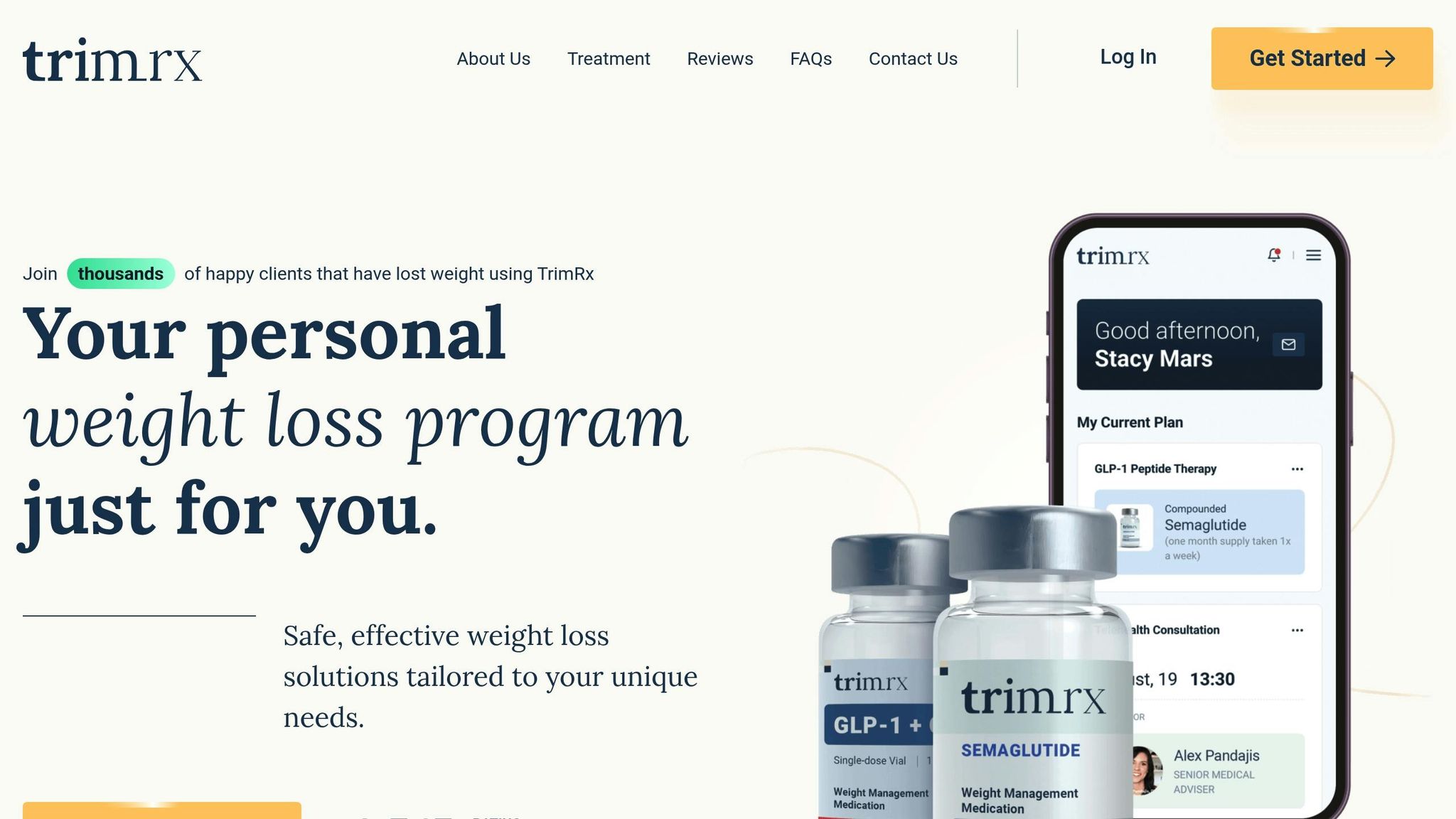
The high costs of GLP-1 therapies underscore the need for practical, accessible solutions. TrimRX steps in by offering tailored weight loss programs that incorporate GLP-1 receptor agonist medications. Through telehealth consultations and ongoing support, TrimRX eliminates the need for frequent in-person visits, making the process more convenient and affordable.
Key features of TrimRX programs include:
- Personalized consultations to simplify starting and managing treatment.
- Custom dosing protocols tailored to individual needs.
- Free delivery services to ensure consistent access to medications.
- Unlimited check-ins for ongoing support throughout the treatment journey.
- Integrated nutritional support to address dietary needs during weight loss.
Here’s a breakdown of TrimRX program options, their starting prices, and main features:
| TrimRX Program Options | Monthly Cost | Key Features |
|---|---|---|
| Injectable Semaglutide | Starting at $199 | Custom dosing, free delivery, unlimited check-ins |
| Oral Semaglutide | Starting at $179 | Convenient oral form, personalized support |
| Ozempic® | Starting at $1,149 | Premium brand medication, detailed follow-up |
| Injectable GLP-1 + GIP | Starting at $349 | Dual-action formula, enhanced effectiveness |
TrimRX programs are designed to provide a more affordable and straightforward path for individuals navigating the high costs and insurance challenges of traditional pharmacy options. By streamlining access and offering continuous support, TrimRX helps patients stay focused on achieving their health and weight loss goals.
How to Choose the Right Option
Deciding between semaglutide and Ozempic isn’t straightforward – it depends on your unique health needs, lifestyle, and treatment goals. Factors like your medical history, daily routine, budget, and how the medication is administered all play a role in finding the right fit.
Here’s a breakdown of the key considerations to help guide your decision.
What to Consider
Your primary health goal is the starting point. If managing type 2 diabetes with added weight loss benefits is your focus, both medications can be effective. On the other hand, if weight loss is your main goal and you don’t have diabetes, your healthcare provider will help determine which option offers the best combination of effectiveness and tolerability for you.
How the medication is administered also matters. Some prefer the ease of pre-filled pens, while others are comfortable with alternative injection methods. Consider how often you’ll need to dose, your comfort with self-injection, and practical factors like travel or a busy schedule.
Cost and insurance coverage are also critical. Some health plans may cover one option but not the other, or they might require prior authorization for specific uses. Be sure to factor in out-of-pocket expenses like copays or coverage gaps.
Lastly, your overall health and tolerance for potential side effects should be part of the conversation. Discuss any preexisting conditions with your provider and weigh these factors alongside the earlier comparisons of dosing, efficacy, and safety.
How TrimRX Helps You Decide
TrimRX simplifies the decision-making process by offering personalized, expert guidance. Their healthcare providers take the time to understand your goals, lifestyle, and concerns, helping you choose the treatment option that fits seamlessly into your life.
The personalized consultation process starts with an in-depth review of your health and objectives. TrimRX providers don’t just write prescriptions – they work with you to ensure the treatment aligns with your daily routine and long-term plans. This collaborative approach helps you feel confident in your choice from the very beginning.
Another advantage is their custom dosing protocols. Instead of sticking to rigid schedules, TrimRX tailors your plan based on your response and needs. This flexibility often leads to better results and fewer side effects compared to standard approaches.
TrimRX also offers ongoing support to ensure you’re never navigating treatment decisions alone. With unlimited check-ins, you can address concerns, adjust dosing, or explore other options as your needs evolve. This continuous support is particularly helpful during the early stages of treatment when side effects and adjustments are most common.
Their integrated nutritional guidance addresses the dietary changes that often come with GLP-1 therapy. These medications can affect appetite and food choices, and TrimRX provides practical advice to help you maintain proper nutrition while working toward your weight loss goals.
Convenience is another major benefit. With TrimRX’s telehealth model, you can skip frequent office visits and prescription pickups. Medications are delivered directly to your door, and support is just a message away, allowing you to focus on reaching your health goals without added stress.
Finally, TrimRX providers stay up to date with the latest research and treatment protocols. They offer evidence-based recommendations tailored to your specific situation, helping you navigate the differences between medication options and choose the one that best aligns with your health and lifestyle.
Conclusion
Semaglutide and Ozempic may share the same active ingredient, but they differ in formulation, dosing options, and approved uses – factors that can shape your journey in managing weight loss or diabetes. Understanding these differences is key to choosing the option that aligns with your health goals.
Ozempic is designed for simplicity, offering pre-filled pens with fixed dosing to make diabetes management straightforward. On the other hand, semaglutide is available in various forms, providing flexibility with personalized dosing options.
Cost can also be a deciding factor. Ozempic typically starts at $1,149, while semaglutide is available at lower price points, whether you opt for oral tablets or injectable forms.
Both medications have shown effectiveness, but the right choice depends on your specific treatment goals, preferences for administration, and budget. TrimRX makes access easier by providing telehealth consultations, tailored dosing, unlimited check-ins, and free home delivery – ensuring your medication and nutritional support fit seamlessly into your care plan.
FAQs
What’s the difference between Ozempic and Wegovy, and how do they help with diabetes or weight loss?
Ozempic is mainly prescribed to help manage type 2 diabetes, with weight loss being a helpful side effect. On the other hand, Wegovy is specifically approved for weight loss and contains a higher dose of semaglutide, making it more effective for shedding pounds.
Both medications help control appetite and blood sugar levels, but they serve different purposes. If managing diabetes is your priority, Ozempic might be the right choice. However, if your goal is significant weight loss, Wegovy is typically more effective. Be sure to discuss your health goals with your healthcare provider to decide which option best suits your needs.
Why is compounded semaglutide no longer available, and how does this affect patients who used it?
The availability of compounded semaglutide has come to an end. The FDA has announced that the supply of semaglutide injection products has stabilized, resolving the earlier shortage. Because of this, healthcare providers, pharmacies, and telehealth services are no longer allowed to compound these medications.
If you’ve been using compounded semaglutide, this change means you’ll likely need to switch to FDA-approved options like Ozempic. Be sure to consult your healthcare provider to discuss your treatment plan and determine the best course of action for your specific health needs.
What are the cost and insurance challenges of Ozempic and Wegovy, and how does TrimRX help address them?
The monthly price for Ozempic can range significantly, from as little as $0 to as much as $1,029, depending on your insurance plan. While most commercial insurance policies cover Ozempic for managing type 2 diabetes, coverage for its use in weight loss is much less common. Similarly, Wegovy, which is specifically approved for weight loss, often comes with coverage limitations, making affordability a significant hurdle for many individuals.
TrimRX recognizes these challenges and provides practical solutions to improve access to these medications. By collaborating with both patients and healthcare providers, TrimRX helps untangle insurance issues and identifies cost-saving opportunities, ensuring you can get the treatment that aligns with your health needs.
Related Blog Posts

Transforming Lives, One Step at a Time
Keep reading

Mons Pubis Fat Loss on GLP-1s: The “Pubic Area” Change Nobody Mentions
One change that surprises people on GLP-1 medications rarely comes up in conversation: the mons pubis, the soft fat pad over the pubic bone,…

How to Adjust Weight Loss Goals on GLP-1 Medications
Adjust weight goals on GLP-1 meds by tracking body composition and labs, optimizing protein, activity, sleep, and working with your provider on dosing.

Falsified Mounjaro pens prompt urgent safety advisory
MHRA warns of counterfeit Mounjaro pens (batch D873576); stop use and check batch numbers for infection risk.


