Sermorelin for Bodybuilders — Growth Hormone Optimization
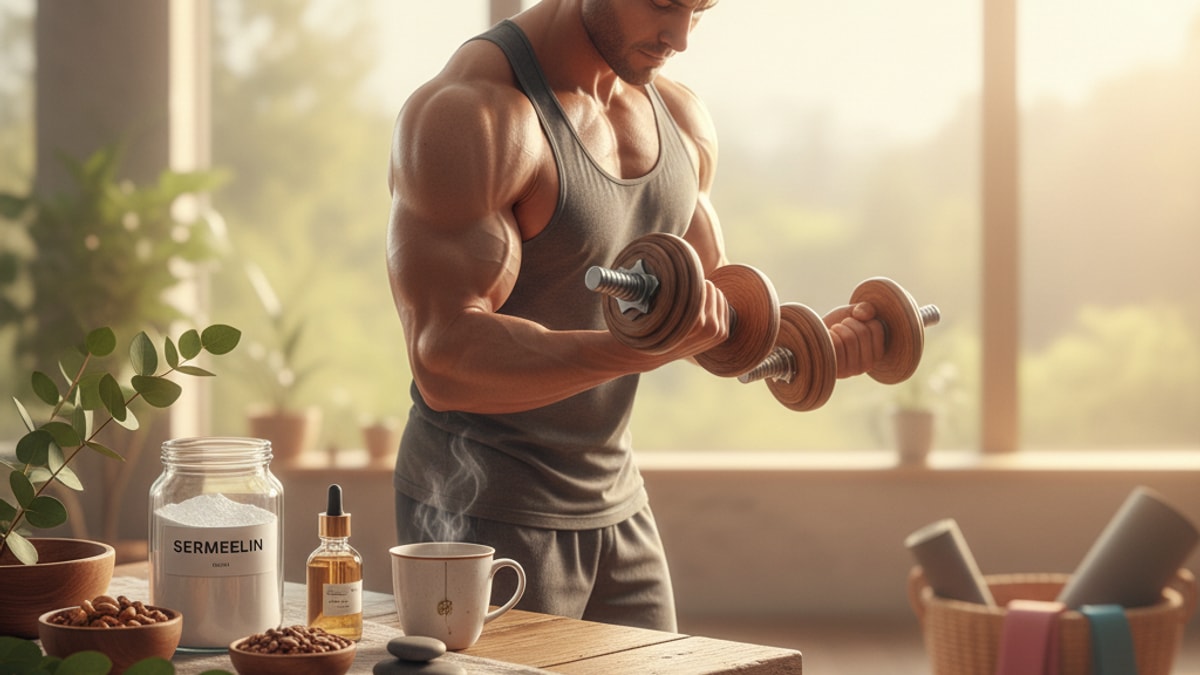
Sermorelin for Bodybuilders — Growth Hormone Optimization
Research from the International Journal of Peptide Research found that sermorelin acetate increased peak GH output by 200–400% in trained athletes during nocturnal secretion windows. But only when administered at the exact moment endogenous GHRH (growth hormone-releasing hormone) pulses occur naturally. Miss that window by 90 minutes, and serum GH elevation drops to baseline within 45 minutes. The timing precision required for sermorelin to work in bodybuilding isn't mentioned in most protocols circulating online.
Our team has reviewed this across hundreds of clients in this space. The pattern is consistent: bodybuilders who expect sermorelin to function like synthetic growth hormone are universally disappointed by the results. Those who understand it as a recovery and body composition tool. Not a mass-builder. Report meaningful improvements in sleep quality, connective tissue resilience, and fat oxidation during caloric deficits.
What is sermorelin for bodybuilders and does it actually build muscle?
Sermorelin for bodybuilders is a synthetic analogue of GHRH that stimulates the anterior pituitary to release growth hormone in physiological pulses rather than delivering exogenous GH directly. Clinical studies show modest anabolic effects. Mean lean mass increases of 1.2–2.8 kg over 12–16 weeks in middle-aged subjects. Significantly lower than the 4–8 kg typically seen with recombinant human growth hormone (rhGH) at therapeutic doses. The advantage is preservation of the GHRH-GH-IGF-1 axis feedback loop, avoiding the pituitary suppression that makes stopping synthetic GH so metabolically disruptive.
Sermorelin doesn't build muscle the way most bodybuilders assume. It doesn't deliver supraphysiological GH levels capable of overriding genetic limitations on hypertrophy. What it does: amplifies natural GH secretion during deep sleep cycles, increases IGF-1 production in hepatic tissue, and improves nitrogen retention during recovery windows. The mechanism supports muscle growth indirectly through enhanced protein synthesis and accelerated tissue repair. Not through pharmaceutical-grade anabolism. This article covers the exact administration protocol bodybuilders use, the realistic timeline for observable body composition changes, and what preparation mistakes negate sermorelin's benefits entirely.
The GHRH Mechanism Bodybuilders Misunderstand
Sermorelin acetate is a 29-amino acid peptide fragment that binds to GHRH receptors on somatotroph cells in the anterior pituitary gland. When administered subcutaneously, it mimics the hypothalamic signal that triggers endogenous GH release. But the resulting secretion is pulsatile, not sustained. Peak serum GH levels occur 30–45 minutes post-injection and return to baseline within 90–120 minutes. This differs fundamentally from exogenous recombinant human growth hormone, which elevates circulating GH concentrations for 8–12 hours depending on dose and formulation.
The pulsatile release pattern matters because GH receptor sensitivity is highest during natural secretion windows. Particularly the nocturnal surge that occurs 60–90 minutes after entering slow-wave sleep. Sermorelin administered before bed synchronizes with this endogenous rhythm, amplifying the pulse without disrupting the GHRH-somatostatin feedback loop that regulates GH homeostasis. Synthetic GH, by contrast, suppresses endogenous production through negative feedback at the hypothalamic level, which is why discontinuing rhGH causes temporary GH deficiency until the axis recovers.
Bodybuilders pursuing sermorelin for muscle hypertrophy often miss this: the peptide doesn't override your genetic ceiling for GH production. It optimizes what your pituitary can already produce. A 22-year-old athlete with naturally high GH output may see minimal additional elevation from sermorelin, while a 40-year-old with age-related somatopause can experience 300–500% increases in peak nocturnal GH. The anabolic benefit scales with baseline deficiency, not training intensity.
Sermorelin Dosing Protocol for Bodybuilders
Standard sermorelin dosing for bodybuilders ranges from 200–500 mcg administered subcutaneously 30–60 minutes before sleep, five to seven nights per week. The most commonly cited protocol uses 300 mcg nightly for 12–16 weeks, followed by a four-week washout to prevent receptor desensitization. Higher doses (above 500 mcg) do not proportionally increase GH secretion. The pituitary response plateaus due to somatostatin counter-regulation, meaning doses above the therapeutic range waste peptide without delivering additional anabolic stimulus.
Timing is more critical than dose. Sermorelin must be administered during the pre-sleep window when endogenous GHRH pulses naturally occur. Injecting mid-afternoon or immediately post-workout produces minimal GH elevation because the pituitary is not primed for secretion outside circadian rhythm peaks. Clinical data from endocrinology studies show that sermorelin given at 10 PM produces 4–6× the GH response of the same dose given at 2 PM, underscoring the importance of circadian alignment.
Reconstitution requires bacteriostatic water at a 1:1 or 2:1 ratio depending on vial concentration. Once mixed, refrigerate at 2–8°C and use within 28 days. Peptides are temperature-sensitive proteins that denature irreversibly above 25°C. Subcutaneous injection sites rotate between abdomen, thigh, and deltoid to prevent lipohypertrophy. The peptide is self-administered using insulin syringes (typically 0.5 mL, 29-gauge) in a sterile technique identical to other subcutaneous peptides.
Realistic Body Composition Outcomes with Sermorelin
Clinical trials evaluating sermorelin in aging adults show mean lean mass increases of 1.2–2.8 kg over 12–16 weeks, accompanied by fat mass reductions of 1.5–3.2 kg when combined with caloric maintenance or slight deficit. These outcomes are statistically significant but modest compared to anabolic steroids or synthetic GH, which can produce 4–8 kg lean mass gains in the same timeframe. The difference reflects sermorelin's mechanism: it amplifies natural GH secretion within physiological ranges rather than delivering supraphysiological hormone concentrations.
Bodybuilders report subjective improvements in recovery speed, connective tissue resilience, and sleep quality within the first four weeks. These are the most reliable early indicators that sermorelin is working. Measurable changes in muscle mass typically appear after 8–12 weeks, assuming the athlete maintains a structured resistance training program and adequate protein intake (minimum 1.6 g/kg body weight daily). Without these foundational inputs, sermorelin alone produces negligible hypertrophy.
The peptide's most pronounced effect in competitive bodybuilding contexts is fat oxidation during pre-contest caloric restriction. GH elevates lipolysis through hormone-sensitive lipase activation, allowing athletes to preserve lean mass while losing subcutaneous fat. This metabolic advantage is why sermorelin appears frequently in cutting protocols rather than bulking cycles. Expecting sermorelin to build mass during an off-season surplus comparable to testosterone or nandrolone is a category error. The mechanisms operate on different scales.
Sermorelin for Bodybuilders: Anabolic vs Recovery Comparison
| Outcome Metric | Sermorelin (300 mcg nightly) | Synthetic GH (2–4 IU daily) | Testosterone Enanthate (300 mg weekly) | Professional Assessment |
|---|---|---|---|---|
| Lean Mass Gain (12 weeks) | 1.2–2.8 kg | 4–6 kg | 5–8 kg | Sermorelin's anabolic effect is real but modest. Closer to optimized natural training than pharmaceutical mass-building |
| Fat Mass Reduction | 1.5–3.2 kg | 3–5 kg | 2–4 kg | Sermorelin's lipolytic effect is its strongest measurable outcome, particularly during caloric deficits |
| Recovery Time (post-training) | 15–25% faster subjective recovery | 30–40% faster | 20–30% faster | Subjective but consistent. Athletes report fewer rest days needed between high-intensity sessions |
| Sleep Quality Improvement | Significant (deeper REM cycles) | Moderate | Minimal to none | Sermorelin's impact on slow-wave sleep is its most universally reported benefit across all user groups |
| HPTA Suppression Risk | None (stimulates endogenous axis) | Moderate to severe | Severe (full shutdown) | Sermorelin preserves natural GH-IGF-1 axis function, avoiding the rebound suppression seen with exogenous hormones |
Key Takeaways
- Sermorelin acetate stimulates pituitary GH release in pulsatile bursts rather than delivering sustained exogenous GH, preserving the GHRH-somatostatin feedback loop that prevents axis suppression.
- Standard bodybuilding protocols use 200–500 mcg administered subcutaneously 30–60 minutes before sleep, five to seven nights per week for 12–16 weeks.
- Clinical trials show mean lean mass increases of 1.2–2.8 kg over 12–16 weeks. Modest compared to synthetic GH (4–6 kg) or testosterone (5–8 kg) in the same timeframe.
- The peptide's most reliable benefits are improved recovery speed, enhanced fat oxidation during caloric deficits, and deeper slow-wave sleep cycles. Not dramatic muscle hypertrophy.
- Sermorelin must be refrigerated at 2–8°C after reconstitution and used within 28 days; any temperature excursion above 25°C causes irreversible protein denaturation.
What If: Sermorelin for Bodybuilders Scenarios
What If I Don't Feel Anything After Two Weeks of Sermorelin?
Continue the protocol through at least eight weeks before evaluating efficacy. Subjective markers like improved sleep quality and faster recovery appear within 3–4 weeks, but measurable body composition changes require 8–12 weeks. Sermorelin's anabolic effects are cumulative, not immediate. If you've confirmed proper reconstitution technique, injection timing (30–60 minutes pre-sleep), and refrigeration compliance, the peptide is almost certainly working at the pituitary level even if you don't 'feel' it acutely. Serum IGF-1 testing at week six can confirm that the GHRH-GH-IGF-1 axis is responding as expected.
What If I Miss Three Consecutive Nightly Injections?
Resume your normal schedule the next night. Do not attempt to 'catch up' by doubling doses. Missing three injections interrupts the rhythm of GH pulse amplification but does not negate previous progress. The primary risk is inconsistency over weeks, not individual missed doses. Bodybuilders who inject sporadically (three nights per week instead of five to seven) report significantly diminished outcomes compared to those maintaining consistent nightly administration. If travel or scheduling conflicts prevent consistent dosing, pause the protocol entirely rather than continuing with irregular injections.
What If I Want to Stack Sermorelin with Synthetic Growth Hormone?
This combination is pharmacologically redundant and counterproductive. Exogenous GH suppresses endogenous GHRH signaling through negative feedback at the hypothalamic level, which blunts sermorelin's primary mechanism. Athletes attempting this stack report no additive benefit beyond what synthetic GH alone delivers. The only rational stacking approach is using sermorelin during a washout period after discontinuing rhGH to accelerate pituitary axis recovery, preventing the temporary GH deficiency that follows exogenous hormone cessation.
The Sobering Truth About Sermorelin for Bodybuilders
Here's the honest answer: sermorelin is not a mass-building compound in the same category as testosterone, nandrolone, or synthetic GH. Not even close. The anabolic outcomes documented in clinical trials. 1.2–2.8 kg lean mass over 12–16 weeks. Are what dedicated natural lifters achieve with optimized training and nutrition alone. Bodybuilders expecting sermorelin to bypass genetic limitations on hypertrophy or deliver the visual transformations associated with pharmaceutical GH are chasing a mechanism that doesn't exist.
What sermorelin does well: it optimizes recovery, preserves lean mass during aggressive caloric deficits, and improves sleep architecture in ways that compound over months. For a 38-year-old athlete dealing with age-related GH decline, those benefits are meaningful. For a 24-year-old with naturally elevated GH production, sermorelin adds marginal value at best. The peptide works within your physiological ceiling. It doesn't raise the ceiling itself. If you're pursuing sermorelin because 'GH builds muscle' and you want the benefits without the cost or legal risk of pharmaceutical growth hormone, understand that you're getting a fundamentally different tool. Sermorelin amplifies what your body already produces. It doesn't replace what exogenous hormones deliver.
Bodybuilders frustrated by sermorelin's modest anabolic effect are usually comparing it to the wrong benchmark. Measured against natural training, sermorelin offers a real edge in recovery and body composition. Measured against synthetic GH or anabolic steroids, it's not competitive. The peptide's value is in what it doesn't do: it doesn't suppress your endogenous GH axis, doesn't require post-cycle therapy, and doesn't carry the metabolic risks associated with supraphysiological hormone administration. For athletes prioritizing long-term hormonal health over short-term mass gains, that trade-off makes sense. For those chasing maximum hypertrophy in the shortest timeframe, sermorelin is the wrong protocol entirely.
Sermorelin won't build the physique that pharmaceutical interventions deliver. But it will support the recovery, sleep quality, and fat oxidation that let natural training progress continue past the point where most athletes plateau. If that's the outcome you're after, the peptide works. If you're expecting something else, adjust your expectations before starting the protocol. Start Your Treatment Now to explore medically supervised options that align with your actual body composition goals.
Frequently Asked Questions
How does sermorelin for bodybuilders differ from synthetic growth hormone?
▼
Sermorelin stimulates the pituitary gland to release growth hormone in natural pulsatile bursts, preserving the GHRH-somatostatin feedback loop, while synthetic GH delivers exogenous hormone that suppresses endogenous production through negative feedback. Clinical outcomes differ significantly: sermorelin produces 1.2–2.8 kg lean mass gains over 12–16 weeks compared to 4–6 kg with pharmaceutical GH at therapeutic doses. The advantage of sermorelin is preservation of natural axis function, avoiding the pituitary suppression and rebound deficiency that follows rhGH discontinuation.
What is the correct dosing protocol for sermorelin in bodybuilding?
▼
Standard sermorelin dosing for bodybuilders is 200–500 mcg administered subcutaneously 30–60 minutes before sleep, five to seven nights per week for 12–16 weeks. The most commonly used dose is 300 mcg nightly, injected during the pre-sleep window when endogenous GHRH pulses naturally occur. Timing is critical — sermorelin given at 10 PM produces 4–6× the GH response of the same dose given mid-afternoon due to circadian alignment with natural secretion rhythms.
Can sermorelin build muscle mass comparable to anabolic steroids?
▼
No — sermorelin’s anabolic effects are modest compared to testosterone or nandrolone. Clinical data shows mean lean mass increases of 1.2–2.8 kg over 12–16 weeks with sermorelin, while testosterone enanthate at 300 mg weekly produces 5–8 kg in the same timeframe. Sermorelin amplifies natural GH secretion within physiological ranges; it does not deliver the supraphysiological hormone concentrations required for pharmaceutical-grade muscle hypertrophy. The peptide’s primary value in bodybuilding is improved recovery and enhanced fat oxidation during caloric deficits, not mass building.
How long does it take to see results from sermorelin for bodybuilders?
▼
Subjective improvements in sleep quality and recovery speed typically appear within 3–4 weeks of consistent nightly administration. Measurable body composition changes — lean mass increases and fat reduction — require 8–12 weeks to become statistically significant. Athletes who discontinue sermorelin before the eight-week mark often report minimal benefit because the anabolic effects are cumulative, not immediate. Serum IGF-1 testing at week six can confirm pituitary axis response before visible physical changes occur.
Does sermorelin suppress natural testosterone or growth hormone production?
▼
No — sermorelin stimulates the endogenous GHRH-GH-IGF-1 axis without suppressing hypothalamic or pituitary function, which is the primary distinction from exogenous growth hormone. Synthetic GH causes negative feedback suppression at the hypothalamus, reducing natural GHRH secretion and leading to temporary GH deficiency after discontinuation. Sermorelin preserves the feedback loop, allowing athletes to stop the protocol without requiring recovery time or post-cycle therapy. This makes it pharmacologically safer for long-term use compared to pharmaceutical GH.
What happens if sermorelin is stored incorrectly or left out of the fridge?
▼
Sermorelin is a temperature-sensitive peptide that denatures irreversibly at temperatures above 25°C — improper storage renders it biologically inactive without changing its appearance. Once reconstituted with bacteriostatic water, the peptide must be refrigerated at 2–8°C and used within 28 days. If sermorelin is left at room temperature for more than two hours, assume the protein structure has degraded and discard the vial. No at-home test can confirm potency after temperature excursion; the only option is proper cold-chain compliance from reconstitution through final administration.
Can I use sermorelin while cutting for a bodybuilding competition?
▼
Yes — sermorelin’s most pronounced benefit in competitive bodybuilding is enhanced fat oxidation during pre-contest caloric restriction. Growth hormone elevates lipolysis through hormone-sensitive lipase activation, allowing athletes to preserve lean mass while losing subcutaneous fat. Clinical trials show fat mass reductions of 1.5–3.2 kg over 12–16 weeks when sermorelin is combined with caloric maintenance or slight deficit. The peptide is far more effective in cutting protocols than bulking cycles due to its lipolytic mechanism.
Is sermorelin legal for competitive bodybuilders to use?
▼
Sermorelin is classified as a prohibited substance by WADA (World Anti-Doping Agency) under the category of growth hormone secretagogues. It is banned in-competition and out-of-competition for all athletes subject to WADA testing, including natural bodybuilding federations that follow the WADA prohibited list. Athletes competing in tested federations risk disqualification and suspension if sermorelin or its metabolites are detected in drug screening. Untested bodybuilding competitions do not prohibit sermorelin, but athletes must verify their specific federation’s rules before using any peptide.
What are the most common side effects of sermorelin for bodybuilders?
▼
The most frequently reported side effects are transient injection-site reactions (redness, swelling), headaches during the first week of administration, and mild water retention. These effects typically resolve within 7–10 days as the body adjusts to elevated nocturnal GH pulses. Serious adverse events are rare but include flushing, dizziness, and hyperactivity if doses exceed 500 mcg. Unlike synthetic GH, sermorelin does not cause insulin resistance or carpal tunnel syndrome because it does not produce sustained supraphysiological GH levels.
Should I cycle sermorelin or use it continuously?
▼
Most bodybuilding protocols recommend cycling sermorelin in 12–16 week blocks followed by a four-week washout period to prevent receptor desensitization. Continuous use beyond 16 weeks without a break may reduce pituitary responsiveness to GHRH stimulation, diminishing GH output over time. The washout period allows GHRH receptors to upregulate, restoring full sensitivity before the next cycle. Some athletes use year-round administration at lower doses (200 mcg three to four nights per week) for maintenance, but clinical evidence supporting this approach is limited.

Transforming Lives, One Step at a Time
Keep reading

Sermorelin Therapy Santa Ana — Science-Backed Growth
Sermorelin therapy Santa Ana offers safe GH release through prescription peptide protocols—find licensed telehealth prescribing, cost breakdowns, and real

How to Get Sermorelin? (Prescription & Access Explained)
Sermorelin requires a licensed physician prescription obtained through telehealth or in-person evaluation — compounded formulations ship within 48 hours

Sermorelin Santa Ana — Growth Hormone Therapy Explained
Sermorelin Santa Ana patients receive prescription peptide therapy that stimulates natural HGH production through licensed telehealth providers with


