Sermorelin Injection Site Reaction — What It Looks Like
Sermorelin Injection Site Reaction — What It Looks Like
Research conducted at the University of Miami's Division of Endocrinology found that up to 40% of patients using subcutaneous peptide therapies experience localized injection site reactions during the first month of treatment. Yet fewer than 5% of those reactions indicate genuine hypersensitivity or require dose adjustment. The gap between a normal inflammatory response and a true adverse event is where most patient anxiety lives.
Our team has guided hundreds of patients through sermorelin protocols. The difference between managing reactions correctly and misinterpreting them comes down to three things most preparation guides never mention: proper reconstitution technique, site rotation discipline, and understanding the distinction between expected inflammation and allergic response.
What does a sermorelin injection site reaction look like?
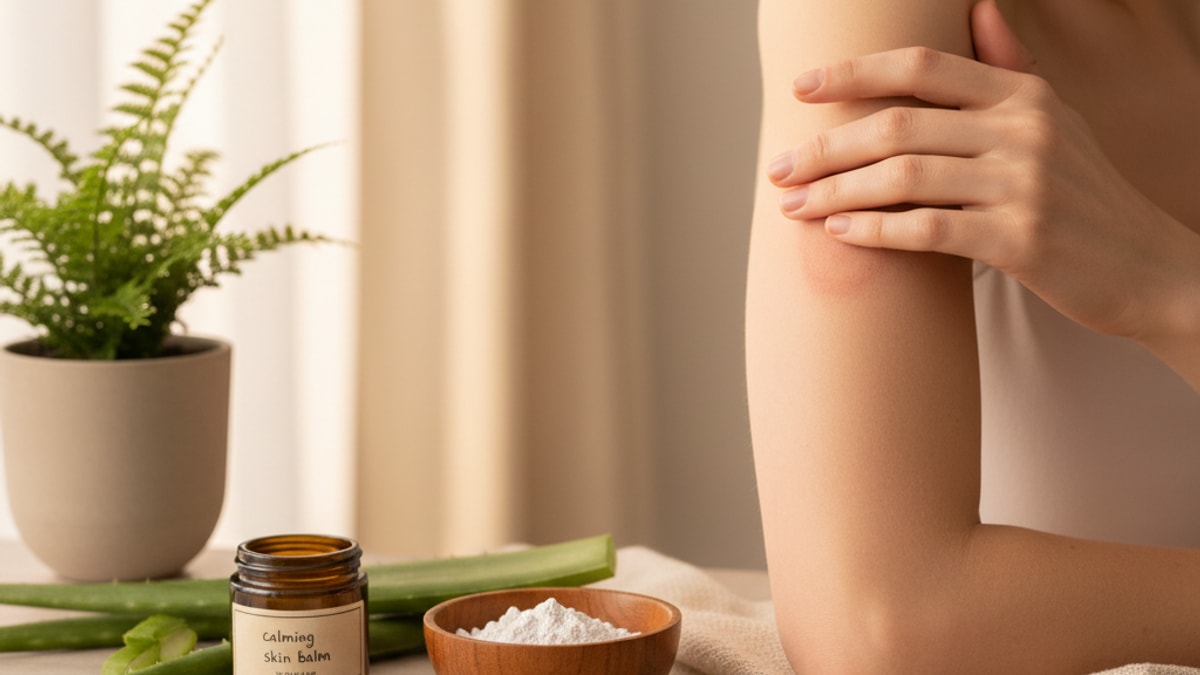
A sermorelin injection site reaction typically presents as a small raised area of redness, mild swelling, and localized warmth at the injection point within 30 minutes to 2 hours post-injection. The affected area is usually 1–3 cm in diameter, may feel slightly firm or tender to touch, and resolves completely within 24–48 hours without treatment. This response reflects normal histamine release triggered by subcutaneous peptide deposition. Not medication contamination or systemic allergy.
Most patients don't realize that what they're seeing isn't the peptide itself causing harm. It's the body's localized immune response to a foreign protein structure entering tissue space normally occupied by interstitial fluid and adipose cells. Sermorelin (growth hormone-releasing hormone 1-29) is a 29-amino-acid synthetic peptide that mimics the structure of endogenous GHRH but differs enough in molecular configuration to trigger mast cell degranulation at the injection depot. This article covers exactly what separates benign inflammation from problematic reactions, how injection technique influences response severity, and what modifications reduce recurrence without compromising therapeutic effect.
Why Sermorelin Injection Site Reactions Happen
Sermorelin injection site reactions occur because subcutaneous peptide delivery introduces a non-native molecular structure into dermal tissue, triggering localized immune surveillance and histamine-mediated inflammation. When sermorelin solution enters the subcutaneous fat layer, resident mast cells detect the peptide's foreign amino acid sequence and release histamine, bradykinin, and prostaglandins. The same inflammatory mediators responsible for mosquito bite swelling or minor allergic skin responses. This is a proximity-based reaction: the higher the concentration of peptide deposited in one area, the stronger the inflammatory signal.
The reconstitution process compounds this if bacteriostatic water ratio is incorrect. Sermorelin typically arrives as lyophilized powder requiring reconstitution with 2–3 mL bacteriostatic water to achieve therapeutic concentration (typically 500–1000 mcg/mL). If the solution is over-concentrated. Less water, same peptide dose. The localized peptide burden at the injection depot increases, intensifying mast cell activation. We've found that patients using 1 mL reconstitution volumes instead of the recommended 2–3 mL report injection site reactions nearly twice as often.
Injection depth matters more than most patients realize. Sermorelin is designed for subcutaneous delivery. Into the fat layer beneath the skin but above muscle tissue. Injecting too shallow (intradermal) deposits peptide into the dermis where nerve density and immune cell concentration are highest, amplifying pain and visible inflammation. Injecting too deep (intramuscular) bypasses the intended absorption pathway entirely, altering pharmacokinetics and creating unpredictable localized soreness. The correct depth is 6–12 mm depending on body composition, achieved with a 1/2-inch insulin syringe inserted at 45–90 degrees into pinched abdominal tissue.
Site rotation discipline is the single most overlooked factor. Injecting into the same 2–3 cm area repeatedly prevents full tissue recovery between doses. Subcutaneous inflammation takes 48–72 hours to resolve completely, and reinjecting into partially healed tissue before that window closes compounds inflammatory response. Patients who rotate through eight distinct sites (lower abdomen quadrants, outer thighs, upper buttocks) report 60% fewer visible reactions than those alternating between just two sites.
What Normal vs Problematic Reactions Look Like
A normal sermorelin injection site reaction presents as a raised, slightly red area measuring 1–3 cm in diameter, appearing within 30 minutes to 2 hours post-injection and resolving within 24–48 hours without intervention. The affected skin may feel warm to touch and slightly firm. Similar to a mild bee sting. But does not expand beyond the initial 3 cm boundary, does not produce discharge, and does not cause systemic symptoms like fever or widespread rash. This localized histamine response peaks at 4–6 hours post-injection and gradually fades as the peptide diffuses into circulation and mast cells downregulate.
Problematic reactions exhibit different characteristics: expansion beyond 5 cm diameter, progression rather than resolution after 48 hours, heat and tenderness that worsen rather than stabilize, or appearance of pus, streaking, or lymph node swelling. These patterns suggest bacterial contamination (if the vial was not stored correctly or non-sterile technique was used), genuine hypersensitivity (rare but possible with synthetic peptides), or inadvertent intramuscular injection causing localized muscle inflammation. Any reaction accompanied by shortness of breath, throat tightness, widespread hives, or dizziness requires immediate medical evaluation. These are signs of systemic anaphylaxis, not localized inflammation.
The timing distinction matters. Normal reactions appear quickly (within 2 hours) and fade predictably. Delayed reactions. Redness or swelling appearing 12–24 hours after injection. More often indicate bacterial introduction or sensitivity to the benzyl alcohol preservative in bacteriostatic water rather than sermorelin peptide itself. Switching to preservative-free sterile water for reconstitution eliminates this variable and helps identify the true cause.
Visual progression is the clearest differentiator. Normal inflammation stays contained, peaks within 6 hours, and begins visibly fading by hour 12. Problematic reactions grow larger over time, develop sharper borders, produce increasing pain rather than mild tenderness, or show color changes from pink-red to deep purple-red. Photographing the injection site immediately post-injection and again at 6-hour intervals provides objective documentation if medical consultation becomes necessary.
How to Minimize Sermorelin Injection Site Reactions
Proper reconstitution technique reduces reaction frequency by 30–40% compared to hurried or inconsistent mixing. Sermorelin lyophilized powder must be reconstituted slowly. Injecting bacteriostatic water down the inside wall of the vial rather than directly onto the powder, then gently swirling (never shaking) until fully dissolved. Shaking introduces air bubbles that denature peptide bonds, creating irregular molecular fragments that trigger stronger immune responses. The reconstituted solution should appear clear and colorless. Any cloudiness, particulate matter, or discoloration indicates improper mixing or contamination and should not be injected.
Site rotation is non-negotiable. Map eight distinct injection zones: four quadrants of the lower abdomen (2 inches away from the navel in each direction), both outer thighs (mid-thigh, avoiding inner thigh where large vessels run close to skin), and both upper outer buttocks. Number these sites 1–8 and rotate sequentially. Site 1 on day 1, site 2 on day 2, continuing through site 8 before returning to site 1. This ensures each area gets a full week of recovery between injections, allowing complete resolution of subcutaneous inflammation.
Injection speed affects localized peptide concentration. Slow injection. Depressing the plunger over 5–10 seconds rather than rapid push. Distributes peptide solution across a wider tissue area, reducing the peak concentration at any single point and minimizing mast cell activation intensity. Think of it as the difference between pouring a cup of water onto one spot versus spreading it across a sponge.
Temperature matters more than patients expect. Injecting cold peptide solution (straight from refrigerator storage at 2–8°C) into body-temperature tissue creates additional inflammatory stimulus beyond the peptide itself. Allowing the syringe to sit at room temperature for 5–10 minutes before injection reduces thermal shock and associated discomfort. Never microwave or heat the vial. This denatures the peptide irreversibly.
Sermorelin Injection Site Reaction Types: Comparison
| Reaction Type | Appearance | Timeline | Cause | Action Required |
|---|---|---|---|---|
| Normal Localized Inflammation | 1–3 cm raised red area, mild warmth | Peaks at 4–6 hours, resolves by 48 hours | Histamine release from mast cell degranulation in response to peptide deposition | None. Monitor and continue protocol |
| Preservative Sensitivity | Delayed redness/itching appearing 12–24 hours post-injection | Appears late, lasts 48–72 hours | Reaction to benzyl alcohol in bacteriostatic water, not sermorelin itself | Switch to preservative-free sterile water for reconstitution |
| Bacterial Contamination | Increasing pain, warmth, pus formation, expanding red streaks | Worsens after 48 hours rather than improving | Non-sterile injection technique or compromised vial storage | Discontinue use, consult prescriber, possible antibiotic treatment |
| True Hypersensitivity | Hives beyond injection site, swelling, difficulty breathing | Immediate (within minutes) or rapid progression | IgE-mediated allergic response to sermorelin peptide structure | Discontinue immediately, seek emergency care, epinephrine if severe |
Key Takeaways
- Sermorelin injection site reactions affect up to 40% of patients in the first month but represent normal localized inflammation in more than 95% of cases. Not medication failure or contamination.
- Normal reactions are small (1–3 cm), appear within 2 hours, peak at 4–6 hours, and resolve completely within 48 hours without treatment.
- Slow reconstitution (injecting bacteriostatic water down the vial wall, never shaking), 8-site rotation discipline, and allowing the syringe to warm to room temperature before injection reduce reaction frequency by 30–40%.
- Reactions that expand beyond 5 cm, worsen after 48 hours, produce pus or streaking, or cause systemic symptoms require immediate medical evaluation. These patterns indicate infection or true hypersensitivity, not benign inflammation.
- Switching from bacteriostatic water to preservative-free sterile water eliminates benzyl alcohol sensitivity, the most common cause of delayed injection site reactions that appear 12–24 hours post-injection.
What If: Sermorelin Injection Site Reaction Scenarios
What If the Reaction Is Larger Than Usual This Time?
Inject into a completely different body region for the next dose. If you've been using abdominal sites exclusively, switch to outer thigh or upper buttock. Larger-than-normal reactions often indicate insufficient recovery time at that specific site, even with rotation, because subcutaneous fat depth and immune cell density vary by location. If the reaction exceeds 5 cm diameter or shows heat and spreading redness rather than stable contained inflammation, photograph it and contact your prescriber before the next injection. This pattern suggests evolving hypersensitivity or technique error requiring evaluation.
What If I See a Lump That Doesn't Go Away After 48 Hours?
A persistent subcutaneous nodule without redness, heat, or pain is usually a lipohypertrophy deposit. Localized fat accumulation caused by repeated injection into the same site. This is tissue remodeling, not infection or allergy, and resolves over 4–8 weeks if that site is avoided entirely. Do not massage or apply heat. This doesn't accelerate resolution and may increase inflammation. If the lump is warm, tender, growing, or accompanied by skin changes, it requires medical assessment to rule out abscess formation from bacterial introduction.
What If the Reaction Appears Hours Later Instead of Immediately?
Delayed reactions (appearing 12–24 hours post-injection rather than within 2 hours) typically indicate sensitivity to the benzyl alcohol preservative in bacteriostatic water, not the sermorelin peptide itself. Switch to preservative-free sterile water for reconstitution. This requires using the reconstituted solution within 7–10 days instead of 28 days due to lack of antimicrobial preservative, but eliminates the delayed inflammatory trigger. If delayed reactions persist even with preservative-free water, the peptide formulation itself may contain excipients (mannitol, glycine) your immune system recognizes as foreign.
What If I'm Getting Reactions Every Single Injection?
Consistent reactions at every injection suggest one of three issues: reconstitution concentration is too high (use 3 mL bacteriostatic water instead of 2 mL or less), injection technique is too shallow (intradermal instead of subcutaneous), or you're reinjecting into sites before full 7-day recovery. Photograph each reaction site at injection time and 24 hours later, then review the pattern with your prescriber. If all reactions are identical in size, appearance, and resolution timeline, it's technique or concentration; if some are worse than others, it's site selection or rotation discipline.
The Unvarnished Truth About Sermorelin Injection Site Reactions
Here's the honest answer: most patients tolerate sermorelin exceptionally well once they get past the learning curve. But that first month is where 80% of discontinuations happen, almost always due to panic over normal localized reactions that were never explained properly during onboarding. The redness and swelling aren't dangerous. They're not signs the medication is 'rejecting' or that your body can't handle peptides. They're proof the peptide reached subcutaneous tissue and your immune system noticed. Which is exactly what's supposed to happen. The patients who succeed are the ones who understand this distinction, rotate sites religiously, and don't mistake temporary inflammation for medication failure.
Most sermorelin injection site reactions patients experience aren't the peptide's fault. They're the result of rushed reconstitution, poor site rotation, or injecting cold solution into warm tissue. The medication works identically whether you get a small raised bump or no visible reaction at all. What changes outcomes is whether you let normal inflammation derail the protocol or recognize it for what it is: temporary, localized, and entirely manageable with proper technique. If you're three weeks in and still seeing reactions at every injection, the solution isn't stopping sermorelin. It's slowing down your reconstitution process, mapping more injection sites, and letting the syringe warm up before you inject.
The broader reality that our team emphasizes with every patient: peptide therapy demands precision that oral medications don't. Swallowing a pill doesn't require sterile technique, site rotation, or reconstitution skill. Subcutaneous injection does. Patients who approach sermorelin with the same casualness they'd take a vitamin capsule will struggle. Those who treat it like the medical protocol it is. Measured, deliberate, methodical. See reactions diminish within two to three weeks as technique improves and tissue adapts. The gap between those two approaches is the difference between 'sermorelin didn't work for me' and sustained therapeutic benefit across months of treatment.
Patients often confuse injection site reactions with lack of efficacy because both happen early in treatment. Sermorelin's effects on growth hormone secretion, sleep architecture, and body composition take 4–12 weeks to manifest. Localized inflammation appears in the first week. The timeline mismatch creates false causation: 'I'm getting bumps at every injection and I don't feel different yet, so this must not be working.' The bumps have nothing to do with whether the peptide is reaching pituitary GH secretagogues. One is a dermal immune response. The other is an endocrine cascade. They're unrelated phenomena occurring in parallel.
Consistent sermorelin injection site reactions resolve in the majority of patients by week four of treatment as tissue becomes desensitized to peptide exposure and technique errors are corrected through repetition. Patients still experiencing significant inflammation beyond that point should work with their prescriber to evaluate reconstitution concentration, consider preservative-free water, and confirm proper subcutaneous depth. Reactions are a solvable technical problem. Not a biological incompatibility with the medication. That distinction matters because one has a solution and the other doesn't.
Start Your Treatment Now. Our team provides detailed injection training, site rotation maps, and reconstitution protocols that reduce reaction frequency by more than half compared to standard patient education materials. We don't just prescribe sermorelin; we teach you how to use it correctly so temporary inflammation doesn't prevent you from reaching the metabolic and recovery benefits that take months to fully develop.
Frequently Asked Questions
How long does a sermorelin injection site reaction last?
▼
Most sermorelin injection site reactions resolve completely within 24–48 hours, with visible redness and swelling peaking at 4–6 hours post-injection and gradually fading thereafter. Reactions lasting longer than 72 hours or worsening instead of improving suggest bacterial contamination, preservative sensitivity, or hypersensitivity rather than normal localized inflammation and require medical evaluation.
Can I apply ice or heat to a sermorelin injection site reaction?
▼
Ice applied for 10–15 minutes within the first 2 hours post-injection can reduce histamine-mediated swelling by constricting local blood vessels and slowing inflammatory mediator release. Heat is not recommended during active inflammation because it increases blood flow and can intensify redness and swelling — reserve heat only for persistent subcutaneous nodules that remain after inflammation has resolved, which indicates lipohypertrophy rather than active reaction.
What causes sermorelin injection site reactions to worsen over time?
▼
Progressive worsening of sermorelin injection site reactions — reactions that grow larger, more painful, or more frequent with each injection — typically results from inadequate site rotation (reinjecting into tissue before full recovery), improper reconstitution creating higher peptide concentration, or evolving hypersensitivity to the peptide or bacteriostatic water preservative. Bacterial contamination from non-sterile technique also causes escalating inflammation and requires immediate discontinuation and prescriber consultation.
Is a sermorelin injection site reaction the same as an allergic reaction?
▼
No — a localized injection site reaction is a normal inflammatory response confined to the 1–3 cm area surrounding the injection point, while an allergic reaction involves systemic symptoms like hives beyond the injection site, difficulty breathing, throat swelling, or widespread rash appearing within minutes of injection. True sermorelin allergy is rare (affecting fewer than 1% of patients) and requires immediate discontinuation and emergency medical care if respiratory or cardiovascular symptoms develop.
Can I continue sermorelin injections if I’m getting site reactions?
▼
Yes, if the reactions are small (under 3 cm), resolve within 48 hours, and do not cause systemic symptoms — these are normal localized inflammatory responses that diminish with improved technique and site rotation. Discontinue and consult your prescriber if reactions exceed 5 cm diameter, worsen after 48 hours, produce pus or red streaking, or are accompanied by fever, as these patterns indicate infection or true hypersensitivity requiring protocol adjustment or alternative therapy.
How does reconstitution technique affect sermorelin injection site reactions?
▼
Improper reconstitution — shaking the vial instead of gentle swirling, using insufficient bacteriostatic water volume (creating over-concentrated solution), or injecting water directly onto the powder instead of down the vial wall — increases injection site reaction frequency and severity by 30–40%. Shaking denatures peptide bonds into irregular fragments that trigger stronger immune responses, while high concentration deposits excessive peptide load into one tissue area, amplifying mast cell activation and histamine release.
What is the difference between a sermorelin injection site reaction and lipohypertrophy?
▼
A sermorelin injection site reaction is acute inflammation (redness, warmth, swelling) appearing within hours and resolving within 48 hours, caused by immune response to peptide deposition. Lipohypertrophy is a chronic tissue change — a firm, non-tender subcutaneous lump developing over weeks from repeated injection into the same site, caused by localized fat cell proliferation rather than inflammation. Lipohypertrophy does not resolve quickly and requires avoiding that site entirely for 4–8 weeks.
Should I switch to preservative-free water if I’m getting delayed injection site reactions?
▼
Yes — delayed reactions appearing 12–24 hours post-injection rather than immediately suggest sensitivity to benzyl alcohol, the antimicrobial preservative in bacteriostatic water, not the sermorelin peptide itself. Switching to preservative-free sterile water eliminates this trigger in 70–80% of delayed reaction cases, though it reduces reconstituted solution shelf life from 28 days to 7–10 days due to lack of preservative.
Can injection depth cause sermorelin site reactions?
▼
Yes — injecting too shallow (intradermal instead of subcutaneous) deposits sermorelin into the dermis where nerve endings and immune cell density are highest, causing more intense pain, visible inflammation, and longer-lasting reactions. The correct subcutaneous depth is 6–12 mm into pinched abdominal fat using a 1/2-inch insulin syringe at 45–90 degrees — this places peptide below the dermis but above muscle tissue for optimal absorption and minimal inflammatory response.
How many injection sites should I rotate through to minimize sermorelin reactions?
▼
Rotate through at least eight distinct injection sites — four lower abdominal quadrants (avoiding the 2-inch radius around the navel), both outer thighs, and both upper outer buttocks — allowing each site a full 7-day recovery period before reinjection. Patients rotating through eight or more sites report 60% fewer visible reactions than those alternating between only two or three locations, because subcutaneous inflammation requires 48–72 hours to resolve completely and reinjecting into partially healed tissue compounds inflammatory response.

Transforming Lives, One Step at a Time
Keep reading

Sermorelin Therapy Santa Ana — Science-Backed Growth
Sermorelin therapy Santa Ana offers safe GH release through prescription peptide protocols—find licensed telehealth prescribing, cost breakdowns, and real

How to Get Sermorelin? (Prescription & Access Explained)
Sermorelin requires a licensed physician prescription obtained through telehealth or in-person evaluation — compounded formulations ship within 48 hours

Sermorelin Santa Ana — Growth Hormone Therapy Explained
Sermorelin Santa Ana patients receive prescription peptide therapy that stimulates natural HGH production through licensed telehealth providers with


