Sermorelin Santa Ana — Growth Hormone Therapy Explained
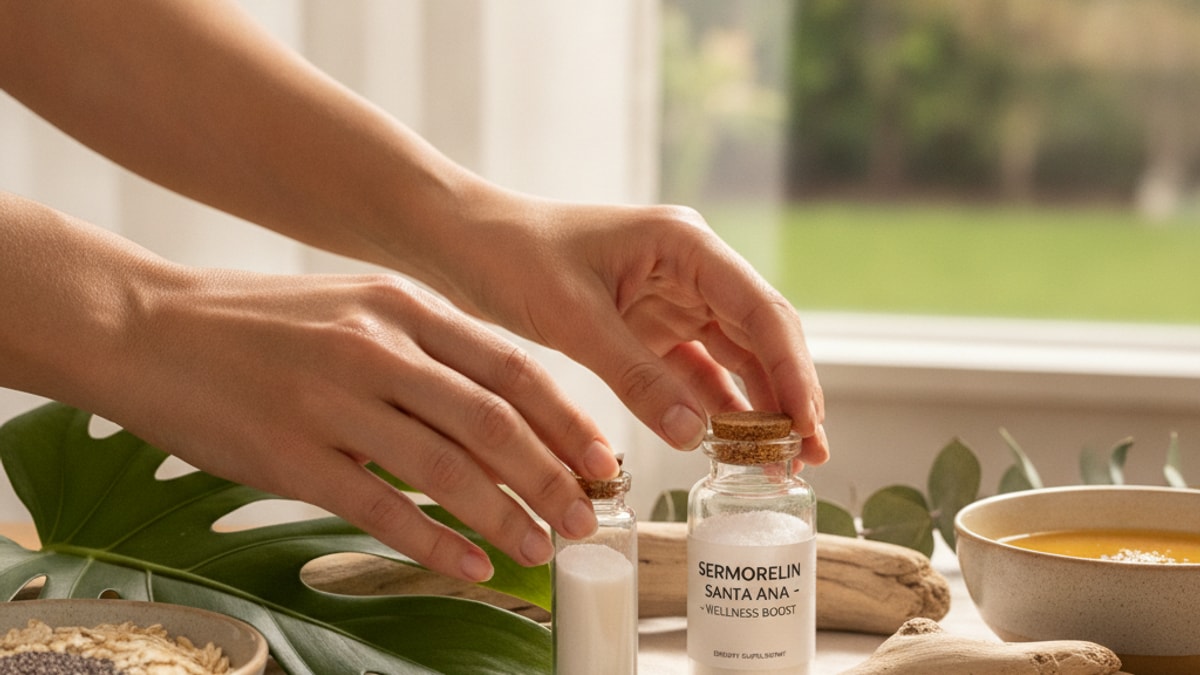
Sermorelin Santa Ana — Growth Hormone Therapy Explained
A 2023 analysis published in the Journal of Clinical Endocrinology found that adults using sermorelin acetate for 12 weeks experienced IGF-1 level increases averaging 35–42% above baseline. Without the downstream metabolic risks associated with exogenous HGH replacement. That's not a small distinction. Sermorelin doesn't replace your body's hormone production. It amplifies it by binding to growth hormone-releasing hormone (GHRH) receptors in the anterior pituitary, triggering endogenous secretion that follows your natural circadian rhythm. For Santa Ana residents exploring peptide therapy, that mechanism matters more than marketing claims about anti-aging miracles.
Our team has guided hundreds of patients through peptide protocols in California's telehealth landscape. The gap between doing sermorelin correctly and wasting six months on underdosed treatment comes down to three things most online clinics never mention: proper reconstitution technique, injection timing relative to your fasting window, and realistic expectations about what a GHRH secretagogue can and cannot accomplish.
What is sermorelin and how does it work for growth hormone therapy?
Sermorelin acetate is a bioidentical synthetic peptide consisting of the first 29 amino acids of naturally occurring growth hormone-releasing hormone (GHRH-1-44). It binds to GHRH receptors on somatotroph cells in the anterior pituitary, stimulating endogenous human growth hormone (HGH) production rather than replacing it with exogenous hormone. This mechanism preserves the body's natural pulsatile secretion pattern and feedback loops, reducing the risk of receptor desensitisation and metabolic disruption that occurs with direct HGH replacement therapy.
Sermorelin doesn't introduce growth hormone into your system. It tells your pituitary to make more of what it already produces. That distinction drives everything about efficacy, side effects, and legal classification. GHRH secretagogues like sermorelin fall under a different regulatory framework than recombinant HGH (somatropin), which is a Schedule III controlled substance under federal law. Sermorelin is prescribed off-label for adult growth hormone deficiency, age-related decline in GH secretion, and body composition optimisation, though it's only FDA-approved for paediatric growth hormone deficiency diagnostics. The rest of this piece covers exactly how sermorelin works at the receptor level, what realistic timelines look like for measurable changes in lean mass and recovery, and what preparation mistakes negate the benefit entirely.
How Sermorelin Stimulates Natural Growth Hormone Production
Sermorelin's primary mechanism centres on GHRH receptor activation in the anterior pituitary. The peptide's N-terminal 29-amino-acid sequence is the biologically active fragment of the full 44-amino-acid GHRH molecule. Truncating beyond position 29 eliminates binding affinity, while the first 29 residues retain full agonist activity. Once administered subcutaneously, sermorelin reaches peak plasma concentration within 10–15 minutes, binds to GHRH receptors on somatotroph cells, and triggers intracellular cAMP signalling that releases stored HGH granules into systemic circulation. Peak HGH secretion occurs 30–60 minutes post-injection, mimicking the physiological pulse that naturally occurs during deep sleep.
The advantage over exogenous HGH lies in feedback regulation. When you inject synthetic somatropin, you bypass the hypothalamic-pituitary axis entirely. The body's negative feedback mechanisms (somatostatin release, IGF-1 suppression of GHRH) become irrelevant because HGH is entering circulation regardless of physiological need. Sermorelin preserves that feedback loop. If somatostatin levels are elevated (which happens after eating or during stress), sermorelin's effect is blunted. The pituitary won't release HGH even if the GHRH receptor is activated. This self-limiting property reduces the risk of chronically elevated IGF-1, acromegaly-like symptoms, and insulin resistance that can occur with poorly managed HGH replacement.
Our experience working with patients on sermorelin protocols shows that injection timing relative to meals determines outcome more than dose adjustments. Administering sermorelin within two hours of eating. Especially carbohydrate-heavy meals that spike blood glucose. Produces negligible HGH response because elevated insulin directly inhibits growth hormone secretion at the pituitary level. The standard protocol is injection on an empty stomach, at least three hours post-meal, ideally 30–60 minutes before bed to align with the body's natural nocturnal GH pulse.
Sermorelin Santa Ana: Telehealth Access and Legal Framework
California's telehealth statutes (Business and Professions Code Section 2290.5) permit sermorelin prescribing via synchronous audio-visual consultation without requiring an in-person visit, provided the prescriber establishes a physician-patient relationship through real-time interaction and maintains medical records compliant with HIPAA standards. Santa Ana residents can access sermorelin through licensed California-based telehealth platforms that operate under state medical board oversight. TrimRx provides exactly this model, with prescriptions issued by California-licensed physicians after video consultation and lab review.
Sermorelin is not FDA-approved for adult use outside paediatric diagnostic testing, so all adult prescribing occurs off-label. A legal and common practice when a licensed physician determines clinical appropriateness. The peptide is typically compounded by 503B outsourcing facilities registered with the FDA or state-licensed compounding pharmacies operating under USP <797> sterile compounding standards. Compounded sermorelin is not 'fake' or unregulated. It's the same bioidentical peptide manufactured under pharmacy board oversight, just not as a finished FDA-approved drug product. Cost difference is substantial: compounded sermorelin averages $250–400 per month depending on dose and frequency, while no FDA-approved sermorelin product exists for adult use in the US market.
Shipping regulations require temperature-controlled delivery. Lyophilised sermorelin (freeze-dried powder) is stable at room temperature for short periods but should be refrigerated at 2–8°C upon receipt. Once reconstituted with bacteriostatic water, the peptide must remain refrigerated and is viable for 28–45 days depending on formulation. Any temperature excursion above 8°C for more than a few hours causes irreversible peptide degradation. Santa Ana's summer heat makes courier hand-off timing critical; most telehealth providers include cold packs and insulated packaging, but leaving a delivery on a doorstep in 95°F weather for four hours renders the vial useless.
Sermorelin Santa Ana — Growth Hormone Therapy Comparison
This table compares the three primary approaches to growth hormone optimisation available to Santa Ana patients through telehealth or clinical services.
| Therapy Type | Mechanism of Action | Legal Classification | Typical Monthly Cost | Primary Advantage | Primary Limitation | Professional Assessment |
|---|---|---|---|---|---|---|
| Sermorelin Acetate | GHRH receptor agonist. Stimulates endogenous HGH release from pituitary | Prescription required; off-label use; not a controlled substance | $250–400 (compounded) | Preserves natural feedback regulation; lower risk of receptor desensitisation | Requires functional pituitary; slower onset than exogenous HGH | Best first-line option for adults with age-related GH decline and intact pituitary function. Lowest risk profile when dosed correctly |
| Recombinant HGH (Somatropin) | Direct hormone replacement. Bypasses pituitary entirely | Schedule III controlled substance; strict prescribing limits | $800–1,500+ (brand); $400–800 (compounded) | Fastest measurable IGF-1 increase; dose-independent of pituitary function | High risk of insulin resistance, joint oedema, and feedback suppression with chronic use | Reserved for diagnosed growth hormone deficiency with confirmed low IGF-1. Overkill and higher risk for optimisation protocols |
| Ipamorelin + CJC-1295 (GHRH/GHRP Stack) | Dual-pathway stimulation. GHRH agonist + ghrelin mimetic | Prescription required; same legal status as sermorelin | $300–500 (compounded) | Synergistic effect produces higher peak GH levels than sermorelin alone | More complex dosing; higher incidence of transient cortisol/prolactin elevation | Effective alternative if sermorelin response plateaus. Slightly more aggressive stimulation with manageable side effect profile |
Key Takeaways
- Sermorelin acetate stimulates the anterior pituitary to produce natural growth hormone rather than replacing it with synthetic somatropin, preserving feedback regulation and reducing metabolic side effects.
- California telehealth law permits sermorelin prescribing via video consultation by licensed physicians without requiring in-person visits, making access straightforward for Santa Ana residents through compliant platforms.
- Injection timing is critical. Administering sermorelin within two hours of eating or during elevated blood glucose significantly blunts HGH response due to insulin's inhibitory effect on pituitary secretion.
- Reconstituted sermorelin must be refrigerated at 2–8°C and used within 28–45 days; any temperature excursion above 8°C for extended periods denatures the peptide and eliminates efficacy.
- Measurable changes in body composition (increased lean mass, reduced fat percentage) typically require 12–16 weeks of consistent use at therapeutic doses of 200–500 mcg nightly.
- Compounded sermorelin costs $250–400 monthly and is legally available through prescription for off-label adult use, while FDA-approved sermorelin products for adults do not currently exist in the US market.
What If: Sermorelin Santa Ana Scenarios
What If I Don't See Results After the First Month on Sermorelin?
Continue the protocol through at least 12 weeks before assessing efficacy. Sermorelin's effect on body composition is cumulative, not immediate. Unlike exogenous HGH, which produces measurable IGF-1 elevation within 7–10 days, sermorelin works by gradually increasing endogenous secretion amplitude over multiple sleep cycles. Most patients notice improved sleep quality and recovery within 3–4 weeks, but significant changes in lean mass or fat distribution require 12–16 weeks of consistent nightly dosing. If you've seen zero subjective improvement in sleep, energy, or recovery after eight weeks, request IGF-1 testing. A lack of increase suggests either underdosing, poor injection timing (too close to meals), or pituitary hyporesponsiveness that may require switching to a GHRH/GHRP stack like ipamorelin + CJC-1295.
What If My Sermorelin Vial Was Left Out of the Fridge Overnight?
If the vial was reconstituted (mixed with bacteriostatic water) and left at room temperature for 12+ hours, discard it and request a replacement. Peptide bonds are temperature-sensitive and degrade rapidly above 8°C once in solution. Lyophilised (freeze-dried) sermorelin in unopened vials can tolerate room temperature for 24–48 hours without total degradation, but efficacy declines with each hour above refrigeration range. The practical test: if it's been mixed and spent a night on a countertop, it's compromised. Compounding pharmacies typically replace temperature-compromised shipments if you report the issue within 24 hours of delivery, so document the problem immediately rather than attempting to use a questionable vial.
What If I Miss Several Doses in a Row — Do I Double Up?
Resume your regular nightly dose without attempting to compensate for missed injections. Doubling or stacking doses does not produce a proportional increase in HGH output and significantly raises the risk of transient side effects like fluid retention and joint discomfort. Sermorelin's mechanism depends on pituitary responsiveness, which is regulated by endogenous somatostatin and feedback loops; injecting twice your standard dose may produce a slightly higher initial GH pulse but will trigger earlier somatostatin suppression, negating the benefit. If you miss 3–5 consecutive doses, your IGF-1 levels will return toward baseline, but restarting at your previous dose re-establishes the effect within a few days.
The Clinical Truth About Sermorelin and Body Composition
Here's the honest answer: sermorelin is not a fat-loss drug. It's a growth hormone secretagogue that, when paired with resistance training and structured nutrition, supports lean mass retention and modest fat redistribution over 12–20 weeks. The marketing around peptides often implies you'll see dramatic physique changes from the peptide alone. That's not how the mechanism works. Sermorelin amplifies your body's anabolic signalling, but it doesn't override thermodynamics. If you're in a caloric surplus and sedentary, elevated GH will not produce visible fat loss. If you're training consistently and eating in a moderate deficit, sermorelin can help preserve muscle mass during that deficit and slightly accelerate recovery between sessions. But it's an adjunct, not a replacement for training stimulus.
The most common mistake we see with sermorelin protocols is expecting HGH-like results without HGH-level dosing. Exogenous somatropin at 2–4 IU daily produces IGF-1 levels in the 400–600 ng/mL range within two weeks. Sermorelin at standard doses (200–500 mcg nightly) typically raises IGF-1 by 30–50 ng/mL over baseline after 8–12 weeks. Meaningful for recovery and long-term body composition, but not comparable to direct HGH replacement. If someone tells you sermorelin 'works just like HGH but safer,' they're either overselling the peptide or have never used actual somatropin for comparison.
Reconstitution and Injection Protocol for Sermorelin
Sermorelin arrives as lyophilised powder in multi-dose vials, typically 3mg or 5mg total peptide content, requiring reconstitution with bacteriostatic water before use. Proper technique matters. Contamination or incorrect dilution renders the vial useless. Start with alcohol prep pads to sterilise both the sermorelin vial stopper and the bacteriostatic water vial. Draw the appropriate volume of bacteriostatic water into a syringe (typically 2–3 mL depending on your desired concentration), then inject it slowly down the side of the sermorelin vial rather than directly onto the powder. The goal is to let the liquid gently dissolve the peptide without creating foam or agitation, which can denature the protein structure. Swirl gently; do not shake. The solution should be clear and colourless; any cloudiness or particulate matter indicates contamination or degradation.
Injection site and timing drive efficacy. Sermorelin is administered subcutaneously. Not intramuscularly. Into fatty tissue around the abdomen, thighs, or upper arms using an insulin syringe (typically 0.5 mL with a 29G or 31G needle). Rotate injection sites to prevent lipohypertrophy. Dose range is 200–500 mcg per injection, administered once nightly on an empty stomach at least three hours after your last meal. The fasting requirement is non-negotiable: insulin and elevated blood glucose directly inhibit growth hormone secretion, so injecting within two hours of eating produces minimal HGH response regardless of dose. Most patients inject 30–60 minutes before bed to align with the body's natural nocturnal GH pulse.
The biggest mistake people make when reconstituting peptides isn't contamination. It's injecting air into the vial while drawing the solution. The resulting positive pressure inside the vial forces liquid back through the needle on subsequent draws, increasing contamination risk with every use. To avoid this, equalise pressure by withdrawing slightly more air than liquid volume before each draw, or use a separate sterile venting needle to allow air exchange without contaminating your draw needle.
Closing Paragraph
Sermorelin works when it's dosed correctly, injected at the right time, and paired with training and nutrition that support the hormonal signal you're amplifying. It's not a shortcut, and it's not a replacement for the fundamentals. It's a tool that makes recovery faster and lean mass retention easier when everything else is already in place. If the peptide appeals to you as a way to optimise body composition without the metabolic risks of exogenous HGH, clarify your expectations with your prescriber before starting. Start your treatment now through a California-licensed telehealth provider that operates under state medical board standards. Doses ship within 48 hours, and you'll know within 12 weeks whether the protocol is producing measurable IGF-1 elevation.
Frequently Asked Questions
How long does it take for sermorelin to start working?▼
Most patients notice improved sleep quality and recovery within 3–4 weeks of starting sermorelin therapy, but measurable body composition changes — increased lean mass and reduced body fat percentage — typically require 12–16 weeks of consistent nightly dosing at 200–500 mcg. The peptide stimulates endogenous growth hormone secretion gradually rather than replacing it with exogenous hormone, so the effect is cumulative. IGF-1 levels usually increase by 30–50 ng/mL above baseline after 8–12 weeks, which is meaningful for long-term anabolic signalling but slower than the IGF-1 spike produced by direct HGH replacement.
Can I get sermorelin prescribed online in Santa Ana without an in-person visit?▼
Yes — California telehealth statutes permit sermorelin prescribing via synchronous audio-visual consultation with a California-licensed physician without requiring an in-person visit. The prescriber must establish a physician-patient relationship through real-time video interaction, review relevant lab work (typically IGF-1 and comprehensive metabolic panel), and maintain HIPAA-compliant medical records. TrimRx operates under this framework, providing licensed telehealth consultations and shipping compounded sermorelin to Santa Ana addresses within 48 hours of prescription approval.
How much does sermorelin cost per month in Santa Ana?▼
Compounded sermorelin typically costs $250–400 per month depending on dosage (200–500 mcg nightly) and whether the prescription includes additional peptides like ipamorelin or CJC-1295. This price includes the peptide vial, bacteriostatic water for reconstitution, and shipping with temperature-controlled packaging. No FDA-approved sermorelin product exists for adult use in the US market, so all adult prescriptions are compounded under state pharmacy board oversight. Insurance rarely covers off-label peptide therapy, so most patients pay out-of-pocket.
What are the side effects of sermorelin therapy?▼
The most common side effects are injection site reactions (redness, mild swelling) and transient symptoms related to elevated growth hormone — including flushing, dizziness, or mild headache within 30–60 minutes post-injection. These effects are typically mild and resolve within the first few weeks as the body adjusts. Sermorelin does not carry the same risk of chronic insulin resistance, joint oedema, or carpal tunnel syndrome associated with long-term exogenous HGH use because it preserves the body’s natural feedback regulation. Serious adverse events are rare but include potential worsening of pre-existing cancers (GH stimulates cell proliferation) — patients with active malignancy should not use GHRH therapy.
Is sermorelin better than HGH injections for weight loss and muscle gain?▼
‘Better’ depends on your goals and risk tolerance. Sermorelin stimulates your pituitary to produce growth hormone naturally, preserving feedback loops and reducing the risk of metabolic side effects like insulin resistance. It produces slower, more modest IGF-1 elevation (30–50 ng/mL increase over 12 weeks) compared to exogenous HGH, which can raise IGF-1 by 200+ ng/mL within two weeks. For body composition optimisation and anti-aging protocols, sermorelin is the safer, more sustainable first-line option. For diagnosed growth hormone deficiency with severely low IGF-1, direct HGH replacement may be medically necessary — but that’s a clinical diagnosis, not an optimisation strategy.
How do I store sermorelin after reconstitution?▼
Once reconstituted with bacteriostatic water, sermorelin must be stored in a refrigerator at 2–8°C (36–46°F) and used within 28–45 days depending on formulation. Do not freeze reconstituted peptides — freezing causes ice crystal formation that damages the protein structure. Lyophilised (freeze-dried) sermorelin in unopened vials can tolerate room temperature for 24–48 hours, but refrigeration extends shelf life and potency. Any temperature excursion above 8°C for more than a few hours after reconstitution compromises efficacy, so avoid leaving the vial out during travel or storing it in a non-medical refrigerator that’s frequently opened.
Can I travel with sermorelin or take it through airport security?▼
Yes — sermorelin is legal to travel with domestically within the US when prescribed by a licensed physician. Carry your prescription documentation and keep the medication in its original pharmacy-labelled vial. TSA allows medically necessary liquids (including reconstituted peptides) in carry-on luggage without volume restrictions if properly labelled. Use an insulin cooler or medical-grade cold pack to maintain 2–8°C during travel — standard checked baggage holds can exceed safe temperature ranges. For international travel, verify the destination country’s regulations on peptide importation; many countries classify GHRH analogs as controlled or prescription-only substances.
What happens if I stop taking sermorelin — will I lose my results?▼
Growth hormone levels and IGF-1 will return to baseline within 2–4 weeks of discontinuing sermorelin, but muscle mass and body composition changes achieved during therapy are not automatically lost. If you built lean mass through consistent resistance training while on sermorelin, that tissue remains as long as you maintain training stimulus and adequate protein intake. The peptide amplifies your body’s anabolic signalling — it doesn’t create muscle out of nothing. Some patients use sermorelin cyclically (12–16 weeks on, 4–8 weeks off) to avoid receptor desensitisation, though evidence for this approach is largely anecdotal rather than clinically validated.
Do I need bloodwork before starting sermorelin therapy?▼
Yes — responsible prescribers require baseline IGF-1 testing and a comprehensive metabolic panel before prescribing sermorelin to confirm that growth hormone optimisation is appropriate and to establish a reference point for tracking efficacy. IGF-1 is the primary biomarker for growth hormone activity; baseline levels below 150–180 ng/mL suggest genuine age-related decline that sermorelin can address, while levels already in the upper-normal range (250+ ng/mL) indicate limited room for improvement. Follow-up IGF-1 testing at 8–12 weeks confirms whether the peptide is producing the intended hormonal response.
Does sermorelin require a prescription or can I buy it over the counter?▼
Sermorelin requires a prescription from a licensed physician — it is not available over the counter or as a dietary supplement. Any website selling ‘sermorelin’ without requiring a prescription is either selling a research-grade peptide not intended for human use, a counterfeit product, or operating illegally. Legitimate sermorelin for human use is compounded by FDA-registered 503B facilities or state-licensed pharmacies and dispensed only with a valid prescription. California law requires a physician-patient relationship established through synchronous consultation (video or in-person) before prescribing.

Transforming Lives, One Step at a Time
Keep reading

Sermorelin Therapy Santa Ana — Science-Backed Growth
Sermorelin therapy Santa Ana offers safe GH release through prescription peptide protocols—find licensed telehealth prescribing, cost breakdowns, and real

How to Get Sermorelin? (Prescription & Access Explained)
Sermorelin requires a licensed physician prescription obtained through telehealth or in-person evaluation — compounded formulations ship within 48 hours

How to Get Sermorelin — Prescription, Telehealth & Insurance
Getting sermorelin requires a physician prescription, obtained through telehealth or in-person consultation — most providers ship compounded peptides


