Should I Pinch My Skin When Injecting Wegovy?
Introduction
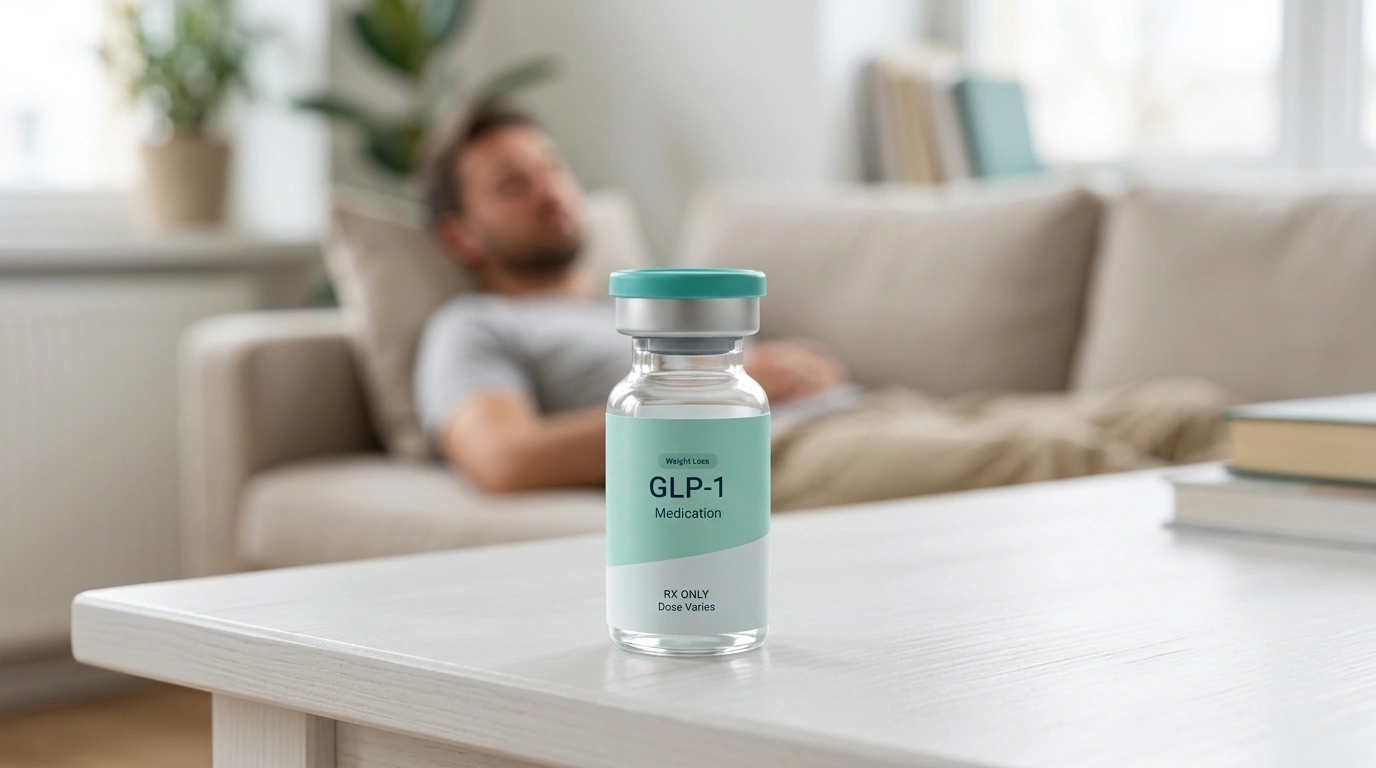
Standing in your kitchen or bathroom with a new medication pen in your hand can feel like a significant, if slightly nerve-wracking, milestone. You have made the decision to prioritize your metabolic health, but the mechanics of the actual injection often bring up practical questions. One of the most common inquiries we receive is whether you should pinch your skin during the process. At TrimRx, we believe that understanding the “how” and “why” of your treatment is essential for building the confidence needed for long-term success. While the technique for Wegovy® might differ from what you have seen with other medications, the goal remains the same: ensuring the medication reaches the subcutaneous fat layer safely and effectively. This post covers the specific mechanics of the injection pen, the role of skin pinching, and how to optimize your weekly routine for the best possible results.
If you are considering prescription GLP-1 treatment, you can complete a free eligibility assessment to review whether a personalized program may be appropriate for you.
The Science of Subcutaneous Injections
Before looking at the specific technique of pinching, it is helpful to understand where the medication is supposed to go. Wegovy® is a subcutaneous injection. This means the needle is designed to deliver the medicine into the layer of fat situated just beneath the skin and above the muscle.
The subcutaneous fat layer acts as a slow-release reservoir. Because fat has fewer blood vessels than muscle tissue, the medication—semaglutide—is absorbed into the bloodstream at a steady, controlled rate. This slow absorption is what allows the medication to remain effective in your system for an entire week. If the medication were accidentally injected into a muscle, it would be absorbed too quickly, potentially increasing the risk of side effects and reducing the duration of its effectiveness.
Semaglutide is a GLP-1 (glucagon-like peptide-1) receptor agonist. It mimics a natural hormone in your body that regulates appetite and digestion. By slowing down stomach emptying and sending signals of fullness to the brain, it supports weight management. Because the delivery method is so specific, the design of the injection pen is carefully calibrated to reach exactly the right depth every time.
For a broader overview of approved locations and technique, review this guide to GLP-1 injection sites for all medications.
The Wegovy Pen Design
In the United States, Wegovy® typically comes in a single-dose autoinjector pen. This design is intended to be as user-friendly as possible, specifically for those who may be uncomfortable with traditional needles. Unlike a standard syringe where you must manually push a plunger, the autoinjector is pressure-activated.
The needle in the autoinjector is quite short and thin, usually 29-gauge, which is roughly the thickness of a few strands of human hair. It is hidden behind a plastic shield. This shield serves two purposes: it prevents you from seeing the needle, which can reduce anxiety, and it acts as the trigger for the injection. When you press the pen firmly against your skin, the shield retracts, and the needle is automatically deployed to the correct depth in the subcutaneous tissue.
Key Takeaway: The Wegovy® autoinjector is a pressure-activated device designed to deliver medication to the subcutaneous fat layer without the need for manual plunger operation.
Should You Pinch Your Skin?
The short answer for most users of the US Wegovy® autoinjector is: No, you generally do not need to pinch your skin.
The official manufacturer instructions suggest that you should push the pen firmly against the skin until the yellow bar in the window starts to move. The pressure of the pen against a flat, firm skin surface is usually enough to ensure the needle enters the subcutaneous layer.
However, there are nuances to this answer based on individual body composition and the specific injection site chosen.
When Pinching Might Be Helpful
While not required by the standard instructions, some healthcare providers may suggest a “gentle pinch” in specific circumstances:
- Leaner Individuals: If an individual has a very low percentage of body fat at the injection site, pinching the skin can help pull the subcutaneous fat away from the underlying muscle. This ensures the needle stays within the fat layer.
- Specific Injection Sites: For areas like the thigh, where the skin may be tighter, some find that creating a slightly more fleshy surface by pinching helps the pen stay stable.
- Comfort and Stability: For some, pinching the skin provides a sense of control and can actually make the initial “poke” feel less noticeable by distracting the local nerves.
When to Avoid Pinching
In most cases, especially when injecting into the abdomen, pinching is unnecessary and may even be counterproductive for an autoinjector. If you pinch too tightly, you might create a very firm, hard mound of tissue that makes it difficult for the pen’s safety shield to retract fully. If the shield doesn’t retract, the injection won’t start.
Quick Answer: For most patients, pinching is not necessary because the Wegovy® pen is designed to work on a flat, firm surface. A gentle pinch is only typically recommended by providers for very lean individuals to ensure the needle doesn’t reach the muscle.
Step-by-Step Injection Guide
To ensure you are getting the most out of your medication, following a consistent protocol is key. Whether you choose to pinch or not, the following steps will help ensure a successful delivery.
Step 1: Preparation
Always start by washing your hands thoroughly. Check your pen to ensure it is the correct dose and that the medication inside the window is clear and colorless. If the liquid is cloudy, contains particles, or the expiration date has passed, do not use it.
We recommend taking the pen out of the refrigerator about 30 minutes before your injection. Injecting cold medication can sometimes cause a slight stinging sensation, and allowing it to reach room temperature can make the process more comfortable.
Step 2: Choose Your Site
The three approved areas for injection are the abdomen (at least two inches away from the belly button), the front of the thigh, or the back of the upper arm. The abdomen is often the easiest for self-administration because it typically has the most subcutaneous fat and is easy to see.
For additional guidance on choosing between the abdomen, thigh, and upper arm, see this semaglutide injection site and technique guide.
Step 3: Clean the Area
Wipe the chosen spot with an alcohol swab and let it air dry completely. Do not blow on the skin to dry it, as this can introduce bacteria.
Step 4: The Injection
Remove the pen cap. If you are not pinching, pull the skin taut with one hand. If your provider has suggested a pinch, gently grasp a fold of skin between your thumb and forefinger.
Place the pen at a 90-degree angle (straight up and down) against the skin. Press down firmly. You will hear a click—this indicates the injection has started. Keep holding the pen firmly against the skin. You will see a yellow bar moving in the pen window.
Step 5: Completion
Wait for the second click, or until the yellow bar has stopped moving. Most providers recommend counting to ten after the second click to ensure every drop of the medication has been absorbed. Once finished, lift the pen straight up and dispose of it in a puncture-resistant sharps container.
Choosing the Best Injection Site
While the medication is absorbed similarly regardless of the site, many people find they have a personal preference.
| Site | Pros | Cons |
|---|---|---|
| Abdomen | Usually has the most fat; easy to reach and see. | Some report slightly higher incidence of nausea. |
| Thigh | Firm surface; easy to stabilize the pen. | Can be more sensitive; skin may be tighter. |
| Upper Arm | Often has good subcutaneous fat on the back. | Difficult to do yourself; usually requires help. |
For more detail about how location and comfort factor into treatment, read how GLP-1 injection sites may affect your routine.
The Importance of Site Rotation
Regardless of whether you pinch the skin or where you choose to inject, rotating your sites is mandatory. This means you should not inject into the exact same spot two weeks in a row. For example, if you use your abdomen, move the injection site at least an inch or two away from the previous week’s spot, or switch sides entirely.
Injecting into the same spot repeatedly can cause “lipodystrophy,” which is a localized buildup or breakdown of fat under the skin. This can result in hard lumps or pits that make the skin look uneven and, more importantly, can interfere with how the medication is absorbed.
A structured approach can make this easier, so review these site rotation strategies for semaglutide and tirzepatide.
Note: If you notice any persistent lumps, redness that spreads, or severe pain at the injection site, consult a healthcare provider immediately.
Common Injection Mistakes to Avoid
Even with a well-designed pen, errors can happen. Being aware of these common pitfalls can help you avoid wasting a dose.
- Lifting the Pen Too Early: This is the most common mistake. If you hear the first click and immediately pull away because of the sound or a slight pinch sensation, the medication will spray onto your skin rather than going under it. Always wait for the yellow bar to stop and the second click to occur.
- Injecting into Damaged Skin: Never inject into skin that is bruised, red, scarred, or has stretch marks. This tissue may not absorb the medication correctly and can be more painful.
- Forgetting to Remove the Cap: It sounds simple, but in a moment of nervousness, some users forget to pull the cap off before pressing the pen down.
- Incorrect Angle: If the pen is held at a shallow angle rather than a 90-degree angle, the needle may not reach the subcutaneous fat, or the safety shield may not retract properly.
Managing Injection-Related Anxiety
If the thought of a needle makes you uneasy, you are not alone. Many people starting their journey with us feel this way initially.
One helpful technique is the “distraction method.” If you are pinching the skin, focus on the sensation of the pinch rather than the pen. Another tip is to breathe out slowly as you press the pen down. This helps relax the muscles and can reduce the perception of pain.
Remember that the needle is incredibly thin. Most patients describe the sensation as a minor prick, similar to a mosquito bite, or even nothing at all. As you gain experience, the process will likely become a routine part of your week that takes less than a minute.
Support Beyond the Injection
While the physical act of injecting is a vital part of the program, sustainable weight loss involves a more holistic approach. At TrimRx, we focus on the entire individual health profile. This includes ensuring your body has the nutritional support it needs while your appetite is reduced.
When using GLP-1 medications, some individuals find that their reduced intake makes it harder to get essential nutrients. We often suggest incorporating targeted support like GLP-1 Daily Support or a Weight Loss Boost supplement to maintain energy levels and support metabolic function. These supplements can complement the work of the medication, helping you feel your best as your body adjusts to the treatment.
Our telehealth-first approach means you have 24/7 access to specialists who can answer questions about your injection technique, side effect management, or lifestyle adjustments. You are never left to figure things out on your own.
The TrimRx Approach to Weight Loss
Our mission is to provide a transparent, science-backed path to better health. We know that every person’s biology is different, which is why we don’t believe in a one-size-fits-all solution. When you participate in our program, you are matched with licensed providers who review your medical history and health goals to create a personalized plan.
This plan may include prescriptions for compounded medications, which are prepared by FDA-registered, inspected compounding pharmacies. Our program is designed to be straightforward and personalized around your health needs.
Conclusion
Mastering the Wegovy® injection is a skill that becomes second nature very quickly. To answer the core question: you typically do not need to pinch your skin unless you are very lean or your healthcare provider has specifically instructed you to do so for stability. The pressure-activated pen is designed to do the work for you, provided you hold it firmly at a 90-degree angle and wait for the full delivery of the dose.
By focusing on proper technique, site rotation, and a supportive lifestyle, you are giving yourself the best chance for a successful health transformation. We are here to guide you through every click of the pen and every step of the journey.
Key Takeaway: Success with GLP-1 therapy relies on consistent, correct injection technique and a personalized plan that addresses your unique metabolic needs.
If you are ready to take the next step toward a healthier version of yourself, the first move is simple. You can begin with a free assessment quiz to see which personalized program is the right fit for your goals.
FAQ
What should I do if a drop of liquid is left on my skin after injecting?
A small drop of liquid on the skin or the tip of the needle is normal and does not mean you missed your dose. However, if a significant amount of liquid runs down your skin, you may have lifted the pen too early; in this case, do not inject another dose, but contact your provider for guidance.
Can I inject Wegovy into my stomach if I have a lot of stretch marks?
You should avoid injecting directly into stretch marks, as the tissue there is different from healthy skin and may not absorb the medication as effectively. Instead, look for a “clear” area of skin on your abdomen at least two inches away from your navel.
How do I know if the injection actually went in?
The Wegovy® pen has a clear window that displays a yellow bar. When the injection is complete, the yellow bar will stop moving and fill the window. You will also typically hear two distinct clicks—one at the start and one near the end of the process.
Does the injection site affect how much weight I will lose?
Clinical studies show that the medication is absorbed similarly whether you inject it into the thigh, abdomen, or upper arm. However, some patients find they experience fewer gastrointestinal side effects when injecting into the thigh compared to the abdomen, though this varies from person to person. If you are still considering whether a prescription program may be right for you, you can check your eligibility with a free assessment.
Disclaimer: This content is for informational purposes only and does not constitute medical advice. It is not intended to diagnose, treat, cure, or prevent any disease or condition. Individual results may vary. Always consult a qualified healthcare professional before starting any weight loss program or medication.

Transforming Lives, One Step at a Time
Keep reading
Horseback Riding on Wegovy or Ozempic
For a lot of people, horseback riding is one of the activities weight once put out of reach. Stables and trail outfitters set rider…
Should You Suggest Wegovy to a Family Member?
When a treatment changes your life, you want the people you love to have the same chance. Maybe your sister has struggled with her…
Injecting Wegovy With Stiff or Shaky Hands
A weekly injection takes a minute for most people. If you have arthritis in your hands, a tremor, weak grip strength, or numb fingers,…


