Should You Inject Mounjaro on an Empty Stomach?
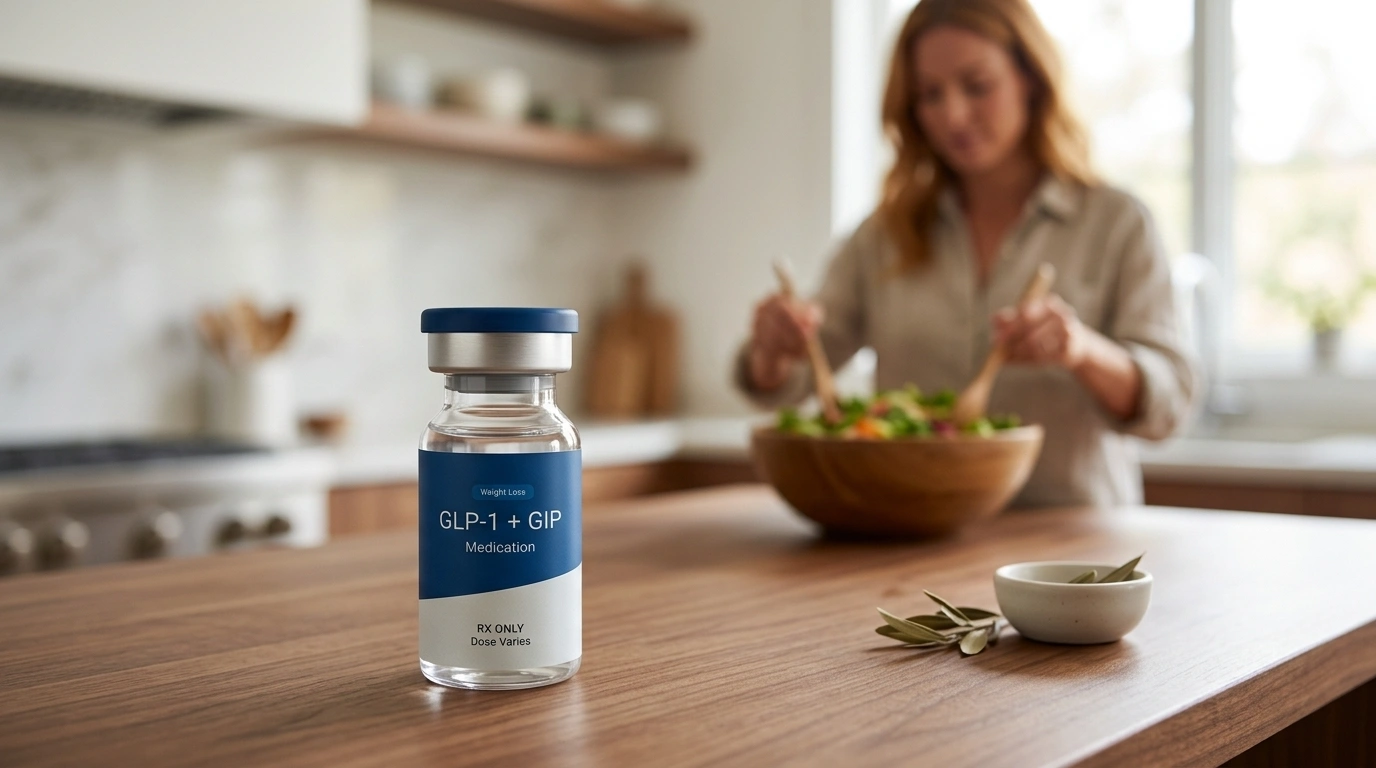
Table of Contents
- Introduction
- The Science of Tirzepatide Absorption
- Injecting Mounjaro on an Empty Stomach: Pros and Cons
- Managing Nausea and Digestive Side Effects
- Choosing the Best Time of Day for Your Injection
- Injection Site and Technique
- How TrimRx Supports Your Personalized Journey
- The Role of Supplements in Your Program
- Frequently Asked Questions About Injection Timing
- Long-term Success and Realistic Expectations
- How to Get Started
- FAQ
Introduction
Finding the right rhythm for your weight loss journey often involves many small, practical questions that can feel overwhelming. You might find yourself standing in your kitchen, medication in hand, wondering if you should have eaten breakfast first or if waiting until your stomach is empty will make the treatment more effective. At TrimRx, we understand that these logistical details are just as important as the clinical ones when you are trying to build a sustainable routine. This article will clarify whether you should inject Mounjaro® on an empty stomach, how food affects the way your body processes the medication, and what you can do to minimize side effects. By the end of this guide, you will have a clear understanding of how to timing your doses to best support your metabolic health and personal comfort.
The Science of Tirzepatide Absorption
Before deciding when to take your medication, it is helpful to understand what is happening inside your body. Mounjaro® is a brand name for the medication known as tirzepatide. Tirzepatide is a dual-acting medication that targets two specific hormone receptors in the body: glucagon-like peptide-1 (GLP-1) and glucose-dependent insulinotropic polypeptide (GIP). These hormones are naturally produced in the gut and play a significant role in how your body regulates blood sugar and appetite.
When you use a GLP-1 and GIP receptor agonist like tirzepatide, the medication mimics these hormones to slow down gastric emptying (the speed at which food leaves your stomach) and signals to your brain that you are full. Unlike some oral medications that must navigate the complex environment of the digestive system, tirzepatide is administered via a subcutaneous injection—meaning it is injected into the fatty tissue just under the skin.
Because the medication is absorbed directly into the bloodstream from the subcutaneous tissue, its effectiveness is not dependent on the presence of food in your stomach. Clinical data indicates that the pharmacokinetics—the way the drug moves through your body—remain consistent whether you have recently eaten a large meal or have been fasting for several hours. For a broader explanation, read this guide on taking tirzepatide on an empty stomach.
Quick Answer: You can inject Mounjaro® with or without food. It does not need to be taken on an empty stomach to work effectively, as the medication is absorbed through fatty tissue rather than the digestive tract.
Injecting Mounjaro on an Empty Stomach: Pros and Cons
While the medication’s ability to lower blood sugar and support weight loss remains the same regardless of your last meal, how you feel after the injection might change. Every individual reacts differently to metabolic treatments, and your personal experience may dictate whether you prefer an empty or full stomach.
Potential Benefits of an Empty Stomach
Some people prefer to schedule their injection first thing in the morning before breakfast. The primary benefit of this approach is consistency. By making the injection part of a morning routine, you may be less likely to forget a dose. Additionally, some users find that injecting on an empty stomach helps them monitor how the medication affects their appetite throughout the day without the “noise” of a previous meal.
Potential Drawbacks of an Empty Stomach
The most common side effects of tirzepatide and similar medications are gastrointestinal in nature. This includes nausea, indigestion, and stomach discomfort. For certain individuals, injecting on an empty stomach can exacerbate feelings of nausea. If the body is already in a fasted state, the hormonal shift triggered by the medication may feel more intense, leading to a “queasy” sensation that lasts for several hours. If you are evaluating whether prescription treatment is appropriate for you, you can complete a free eligibility assessment.
Key Takeaway: The timing of your injection in relation to food is a matter of personal preference and comfort rather than clinical necessity. If you experience nausea, experimenting with different meal timings may help you find relief.
Managing Nausea and Digestive Side Effects
Nausea is the most frequently reported side effect for those starting a GLP-1 or dual-agonist program. Understanding why this happens can help you manage it more effectively. Because these medications slow down the rate at which your stomach empties, food stays in your digestive tract longer. If you eat a very large or heavy meal right before your injection, you may feel uncomfortably full or nauseated as the medication begins to take effect. For additional context, review this guide to how long after an injection nausea may start.
Food Choices and Injection Timing
If you choose to eat before your injection, the composition of that meal matters. High-fat, greasy, or highly processed foods are known to worsen the side effects of tirzepatide. When these foods sit in the stomach longer due to delayed gastric emptying, they can cause significant bloating and acid reflux.
Many people find success by eating a light, protein-rich snack or a small, bland meal about an hour before their injection. This provides a “buffer” for the stomach without overtaxing the digestive system. Examples might include:
- A small serving of Greek yogurt
- A few whole-grain crackers
- A piece of lean poultry or tofu
- A protein shake
The Impact of Hydration
Hydration is often more critical than food intake when it comes to managing side effects. Dehydration can mimic or worsen the feelings of nausea and fatigue associated with weight loss medications. Regardless of whether you choose to inject on an empty stomach, ensuring you have had adequate water and electrolytes throughout the day is essential.
Choosing the Best Time of Day for Your Injection
Since the medication is taken once weekly and has a long half-life (the time it takes for the concentration of the drug in your body to reduce by half), the time of day you choose is largely up to you. However, strategic timing can help you navigate the first 24 to 48 hours after a dose, which is when side effects are typically most prominent. You can also review this guide to choosing the best time of day for an injection.
Morning Injections
Injecting in the morning allows you to “get it over with” and ensures you don’t forget the dose as the day gets busier. If you do not suffer from morning nausea, this can be an excellent way to start your week. However, if you find that you feel sluggish or nauseous after your dose, a morning injection might interfere with your work or daily responsibilities.
Evening Injections
Many individuals prefer to inject in the evening, shortly before bed. The logic behind this is that you may be able to “sleep through” the initial onset of side effects. By the time you wake up, the peak levels of the medication may have stabilized, allowing you to go about your day with less discomfort. If you choose this route, avoid eating a heavy dinner right before bed, as the combination of a full stomach and the medication can lead to nighttime heartburn.
Consistency Over Specificity
The most important factor is not whether you choose 8:00 AM or 8:00 PM, but that you choose a time you can stick to every week. We recommend picking a specific day of the week—perhaps a Friday or Saturday if you want the flexibility to rest over the weekend—and a consistent time block.
Injection Site and Technique
Where you inject can sometimes influence your experience just as much as what you eat. The three recommended sites for subcutaneous injection are the abdomen (at least two inches away from the belly button), the front of the thighs, or the back of the upper arms.
Rotating Your Sites
It is vital to rotate your injection site each week. Using the exact same spot every time can lead to the development of hard lumps or skin irritation, which can affect how the medication is absorbed. For more scheduling and injection guidance, read about weekly tirzepatide timing and administration.
Does the Site Affect Nausea?
While there is limited clinical evidence to prove it, many patients report that injecting in the thigh or the back of the arm results in fewer gastrointestinal side effects than injecting in the abdomen. If you find that you are struggling with nausea despite adjusting your food intake, you may want to try a different injection site to see if it improves your comfort level.
How TrimRx Supports Your Personalized Journey
At TrimRx, we believe that weight loss is not a one-size-fits-all process. The questions you have about injection timing, food choices, and side effect management are a natural part of taking control of your health. Our platform is designed to provide you with the tools and professional guidance needed to navigate these decisions with confidence.
When you engage with our telehealth-first approach, you aren’t just getting a prescription; you are getting a comprehensive support system. We connect you with licensed healthcare providers who can review your medical history and help determine if a GLP-1 or dual-agonist medication is right for you. Our programs are fully personalized, meaning your treatment plan is tailored to your specific goals and lifestyle.
The process is designed to be simple and transparent:
- Free Assessment: You begin by completing a comprehensive health quiz on our platform.
- Provider Review: A licensed provider reviews your information to ensure eligibility and safety.
- Ongoing Support: Once your program begins, you have 24/7 access to our team to ask questions just like “should I eat before my injection?”
- No Hidden Hurdles: We handle the logistics, so you can focus on your health.
If you are ready to explore whether a personalized prescription program may be appropriate for you, take the free assessment quiz.
The Role of Supplements in Your Program
While medication like Mounjaro® or compounded tirzepatide can be powerful tools for metabolic health, they work best when supported by a holistic approach. This includes proper nutrition, hydration, and supplemental support.
Many of our participants find that adding targeted supplements can help bridge the gap during the transition to a GLP-1 program. For instance, our GLP-1 Daily Support supplement is designed to help maintain essential nutrient levels and support digestive comfort as your body adjusts to the medication. Similarly, our Weight Loss Boost supplement can provide additional support for energy levels, which sometimes dip during the initial phases of weight loss.
These supplements do not require a prescription or a medical quiz and can be a helpful addition to your routine regardless of your specific medication dosage.
Frequently Asked Questions About Injection Timing
As you refine your routine, you may have more specific questions about how to handle your weekly dose. Here are some of the most common concerns.
What should I do if I forget to eat?
If you forget to eat before your injection, don’t worry. As established, the medication is effective on an empty stomach. If you are concerned about nausea, simply have a small, light snack after your injection and focus on sipping water or an electrolyte drink.
Can I drink coffee before my injection?
Yes, you can have coffee before your injection. However, be mindful that both caffeine and GLP-1 medications can increase heart rate and may occasionally cause stomach upset. If you notice increased jitters or acid reflux, you might consider having your coffee after you see how the injection feels, or switching to a less acidic brew.
Does water intake affect how the medication works?
Water does not change the chemical effectiveness of the medication, but it is vital for your overall success. Staying hydrated helps your kidneys process the medication and can significantly reduce the risk of common side effects like headaches and constipation.
Should I fast before my injection?
There is no clinical requirement to fast before taking Mounjaro® or compounded tirzepatide. In fact, for many people, extreme fasting followed by an injection can lead to a drop in blood sugar or increased nausea. A balanced approach—neither stuffed nor starving—is usually the most comfortable way to manage your dose.
Long-term Success and Realistic Expectations
Success with a weight loss program is measured in months and years, not days. While the question of whether to eat before an injection is important for your immediate comfort, the bigger picture involves consistent lifestyle changes.
Bottom line: While you can safely inject Mounjaro® on an empty stomach, your goal should be to find a routine that minimizes discomfort. Listen to your body, stay hydrated, and don’t be afraid to adjust your timing until you find what works for you.
When you use a platform like ours, you have the benefit of a medically supervised program that evolves with you. If you find that side effects are persistent, the providers we partner with can help you adjust your approach. This might include changing your dosage or discussing different medication options, such as Compounded Semaglutide, Oral Semaglutide, Wegovy®, or Zepbound®.
It is also important to remember that compounded versions of these medications, like Compounded Tirzepatide, are prepared by FDA-registered and inspected compounding pharmacies. While these compounded versions are not themselves FDA-approved, they provide a vital alternative for many individuals when branded medications are in short supply or otherwise inaccessible.
How to Get Started
If you are ready to take the next step in your metabolic health journey, the path forward is clear. You don’t have to navigate these questions alone. Whether you are curious about tirzepatide, semaglutide, or simply want to optimize your current health with high-quality supplements, we are here to guide you.
Your Action Plan for Injection Day
- Hydrate: Drink at least 16 ounces of water in the hour leading up to your dose.
- Evaluate: If you feel hungry, have a light, high-protein snack. If you feel fine, proceed with an empty stomach.
- Prepare: Clean the injection site with an alcohol swab.
- Inject: Use a different site than last week (rotate between thigh, arm, and stomach).
- Monitor: Note how you feel over the next 24 hours to decide if you want to change your timing for next week.
Our mission at TrimRx is to help you embrace a healthier lifestyle through a combination of science, empathy, and a transparent, personalized approach. We aim to remove the barriers to high-quality care by offering a telehealth-first model that fits into your life, not the other way around.
FAQ
Does food intake change how well Mounjaro works?
No, food intake does not change the effectiveness or the rate of absorption of the medication. Because it is injected into the fatty tissue and enters the bloodstream directly, its clinical performance is independent of whether your stomach is full or empty.
Can I change my injection day if I have a special event?
Yes, you can change your injection day as long as there are at least three days (72 hours) between doses. If you have an event where you know you will be eating a larger meal and want to avoid potential nausea, you may choose to shift your dose by a day or two.
Where is the best place to inject to avoid nausea?
While results vary by person, many users report that injecting in the thigh or the back of the arm leads to fewer stomach-related side effects than injecting in the abdomen. It is always best to experiment with different recommended sites to find what works for you.
What should I eat before my injection if I have a sensitive stomach?
If you have a sensitive stomach, focus on “bland” foods that are easy to digest. Simple proteins like chicken or turkey, non-acidic fruits like bananas, or a small portion of oatmeal can provide a gentle buffer for your stomach without causing irritation.
Disclaimer: This content is for informational purposes only and does not constitute medical advice. It is not intended to diagnose, treat, cure, or prevent any disease or condition. Individual results may vary. Always consult a qualified healthcare professional before starting any weight loss program or medication.

Transforming Lives, One Step at a Time
Keep reading

Mounjaro Alternatives: What Else to Consider
If Mounjaro isn’t the right fit, the closest alternatives are other GLP-1 medications, chiefly semaglutide (Ozempic for diabetes, Wegovy for weight), along with a…
Mounjaro vs Zepbound: Same Drug, Two Brands
Like their semaglutide counterparts, Mounjaro and Zepbound are the same medication (tirzepatide) sold under two names for two purposes: Mounjaro is approved for type…
Retatrutide vs Mounjaro: Triple Agonist vs Dual Agonist
The core difference between retatrutide and Mounjaro comes down to how many hormone targets each hits: retatrutide activates three receptors, while Mounjaro (tirzepatide) activates…


