Should You Let Wegovy Warm Up Before Injecting?
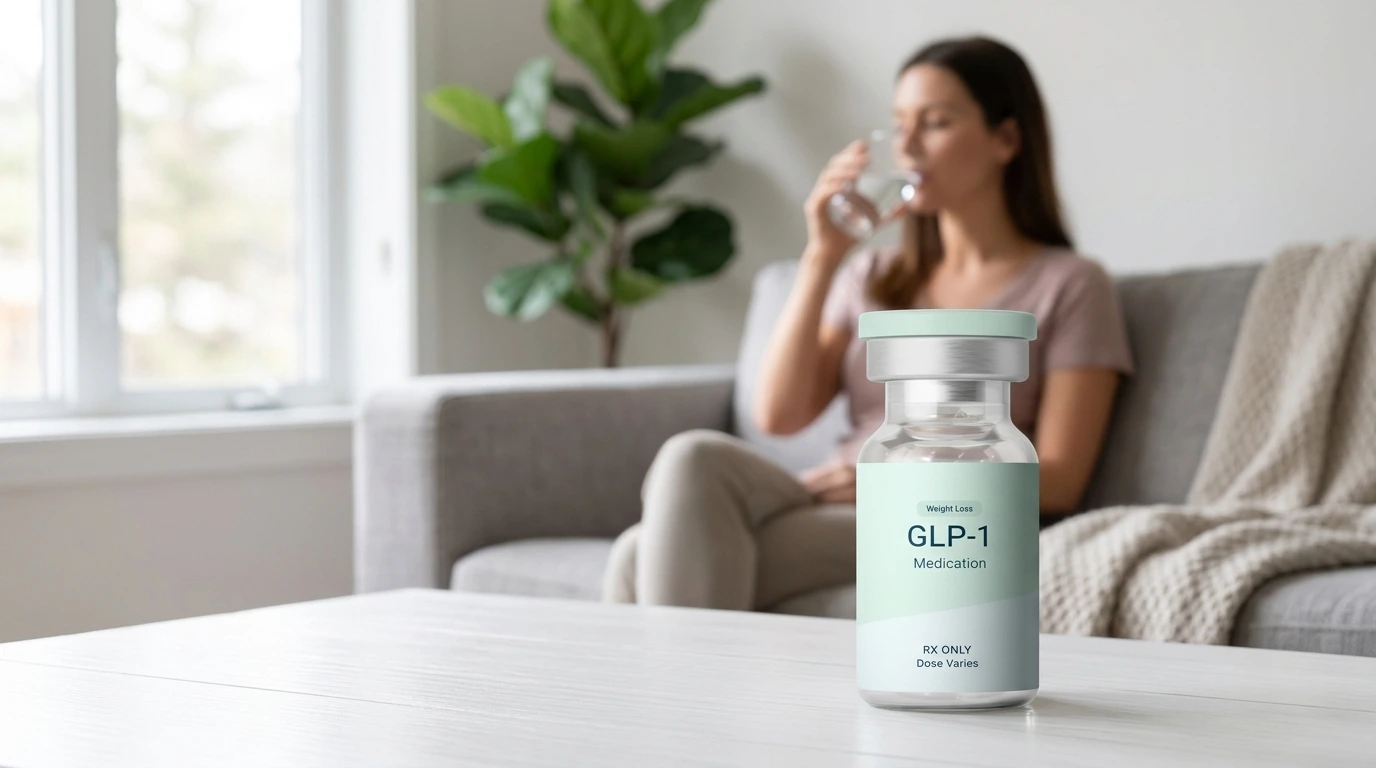
Table of Contents
- Introduction
- The Basics of Storing Your Medication
- Should You Let Wegovy Warm Up Before Injecting?
- Safe Ways to Bring Your Pen to Room Temperature
- How to Tell if Your Medication is Safe to Use
- The Science Behind GLP-1 Medications
- Tips for a Better Injection Experience
- Managing Side Effects and Expectations
- When to Consult Your Healthcare Provider
- The Future of Personalized Weight Management
- Conclusion
- FAQ
Introduction
Starting a weight loss journey with a prescription medication often brings a mix of excitement and nerves. If you have recently been prescribed Wegovy® (semaglutide), you may find yourself staring at the injector pen and wondering about the best way to handle it. One of the most common questions for those new to GLP-1 (glucagon-like peptide-1) receptor agonists is whether the medication needs to be cold or if it can sit out for a while. At TrimRx, we understand that these small details can make a significant difference in your comfort and confidence as you navigate your treatment. If you are still figuring out whether prescription GLP-1 treatment is the right fit, take the free assessment quiz to get started.
While the medication is stored in the refrigerator to maintain its stability, many people find the physical sensation of a cold injection to be unpleasant. This article will explain why letting your pen reach room temperature can improve your experience and how to do it safely. For a broader look at the role these medications can play in care plans, read about GLP-1 support and weight loss journeys.
The Basics of Storing Your Medication
Wegovy® is a biological medication that contains semaglutide, a compound that mimics a hormone naturally found in the body. Because it is a protein-based medicine, it is sensitive to temperature and light. Proper storage is essential to ensure the medication remains effective throughout your entire prescription cycle.
According to the manufacturer guidelines, the pens should be stored in the refrigerator between 36°F and 46°F. This cold environment prevents the semaglutide molecules from breaking down too quickly. However, the medication is more resilient than many people realize. It can remain stable at room temperature—specifically up to 86°F—for a total of 28 days. This flexibility is helpful for travel or for those who prefer to take the “chill” off the pen before use.
Why Temperature Matters for Semaglutide
The reason semaglutide requires refrigeration is tied to its molecular structure. GLP-1 receptor agonists are designed to be long-acting, but they are still susceptible to “denaturing” if exposed to extreme heat or freezing temperatures. When a protein denatures, it loses its shape and, consequently, its ability to signal the receptors in your body that regulate appetite and blood sugar.
If you accidentally leave your pen on a sunny counter or if it freezes in the back of your fridge, the medication may lose its potency. This is why we emphasize checking the liquid in the pen window before every injection. The liquid should always be clear and colorless. If it looks cloudy, contains particles, or has changed color, it should not be used, and you should contact your healthcare provider or pharmacist. If you want to understand more about how semaglutide works in treatment, this semaglutide guide explains it clearly.
Should You Let Wegovy Warm Up Before Injecting?
The short answer is yes; you can absolutely let your Wegovy® pen warm up before you use it. In fact, many healthcare providers and experienced patients recommend this practice to improve the overall injection experience. While it is safe to inject the medication straight from the refrigerator, there is no clinical requirement that it must be cold when it enters your body.
Quick Answer: Yes, you can let your Wegovy® pen sit at room temperature for about 30 to 60 minutes before injecting. This helps reduce the “sting” often associated with cold liquids and does not affect the medication’s effectiveness.
Improving Comfort During Your Dose
The primary reason to let the medication warm up is physical comfort. When a cold liquid is injected into the subcutaneous fat (the layer of fat just under the skin), it can cause a sharp, stinging sensation or a dull ache. This happens because the cold temperature can temporarily irritate the local nerve endings and surrounding tissue.
By allowing the pen to reach room temperature, the liquid becomes slightly less viscous and more compatible with your body’s internal temperature. For many, this simple step transforms a potentially stressful moment into a routine, painless task. If you have been hesitant about your weekly dose due to discomfort, see if you qualify for a personalized prescription program.
Safe Ways to Bring Your Pen to Room Temperature
If you decide to let your pen warm up, it is important to do it the right way. You want to bring the temperature up gradually and naturally to avoid damaging the semaglutide.
Step 1: Remove the pen from the refrigerator.
Take your single-use pen out of the box about 30 to 60 minutes before you plan to use it. This gives it enough time to lose the refrigerator’s chill.
Step 2: Place it on a clean, flat surface.
Keep the pen in a safe spot where it won’t be knocked over or handled by children or pets. It is best to keep it out of direct sunlight, such as on a kitchen counter away from the window.
Step 3: Keep the cap on.
Do not remove the needle cap until you are actually ready to perform the injection. Keeping the cap on protects the needle and maintains sterility.
Step 4: Check the medication window.
After the time has passed, look at the clear window on the side of the pen. Ensure the liquid is clear and that there is no visible damage to the pen itself.
What to Avoid When Warming Your Pen
While it might be tempting to speed up the process, you should never use artificial heat sources to warm your medication. The semaglutide molecule is fragile and can be destroyed by high heat.
- No Microwaves: Never place a medication pen in the microwave. This will instantly ruin the medicine and could cause the pen to malfunction.
- No Hot Water: Do not run the pen under hot water or soak it in a warm bath.
- No Direct Sunlight: Avoid placing the pen on a windowsill or near a heater.
- No Friction: There is no need to “roll” or shake the pen between your hands. Unlike some types of insulin, Wegovy® does not need to be mixed, and excessive agitation is unnecessary.
Key Takeaway: Room temperature is the goal, not “warm.” Natural air-warming for 30–60 minutes is the safest method to maintain medication integrity.
How to Tell if Your Medication is Safe to Use
Whether you use the medication cold or at room temperature, verifying the safety of the dose is a critical step. Manufacturers build in safety features, such as the clear viewing window, to help you monitor the state of the semaglutide.
Always inspect the pen for:
- Clarity: The liquid must be as clear as water. Any cloudiness is a sign that the proteins may have broken down.
- Color: The liquid should be colorless. A yellowish or brownish tint indicates the medication has likely expired or been exposed to too much light or heat.
- Particles: If you see any small flakes or “floaties” in the liquid, do not inject it.
- Expiration Date: Check the date printed on the pen. If the date has passed, the medication should be discarded.
If you are using a program like the one we offer at TrimRx, you will have access to support if you ever have questions about the appearance of your medication. Having a dedicated team to turn to can alleviate the anxiety that comes with managing injectable treatments at home. If you’re exploring prescription options, complete the free assessment quiz here.
The Science Behind GLP-1 Medications
To understand why storage and administration are so specific, it helps to look at how these medications function in the body. Semaglutide belongs to a class of drugs known as GLP-1 receptor agonists. These medications work by mimicking a hormone called glucagon-like peptide-1.
In a natural state, your body releases GLP-1 after you eat. This hormone signals your brain that you are full, slows down the emptying of your stomach, and prompts your pancreas to release insulin. Many people struggling with weight management find that their natural GLP-1 response is not as strong as it needs to be, leading to constant hunger or “food noise.”
Understanding Semaglutide
Semaglutide, the active ingredient in Wegovy® and Ozempic®, is a modified version of this natural hormone. It has been engineered to last much longer in the bloodstream—about a week—compared to the natural hormone, which disappears in minutes. This long-acting nature is what allows for a once-weekly injection.
When you inject semaglutide, it travels through your system to bind with GLP-1 receptors. This process:
- Reduces appetite by acting on the brain’s reward and hunger centers.
- Increases feelings of fullness (satiety) by slowing gastric emptying.
- Supports metabolic health by improving how the body handles glucose.
Because these medications are powerful tools for metabolic health, ensuring they are stored and administered correctly is paramount. Whether you are using a branded medication like Wegovy® or a compounded semaglutide option through a specialized platform, the biological mechanism remains focused on these key pathways. To go deeper on the medication side of the conversation, this GLP-1 medication explainer is a helpful next read.
Tips for a Better Injection Experience
Letting the pen warm up is just one part of creating a comfortable routine. For many individuals, the “mental hurdle” of an injection is the hardest part. Here are several strategies to make the process as smooth as possible.
Choose the right site.
You can inject into the front of your thighs, your abdomen (staying at least two inches away from your belly button), or the back of your upper arms. Many people find the thigh to be the least sensitive area.
Rotate your sites weekly.
Don’t use the exact same spot every time. If you choose the abdomen, move to a different “quadrant” each week. This prevents the development of scar tissue or lumps under the skin, which can interfere with medication absorption.
Clean the skin properly.
Use an alcohol swab to clean the area before injecting. Let the alcohol dry completely before the needle touches your skin. If the skin is still wet with alcohol, it can cause an extra sting.
Use a firm, steady hand.
Wegovy® pens are designed to be user-friendly. You typically press the pen firmly against the skin until the yellow bar in the window stops moving and you hear a click. Don’t pull away too early; holding it for a few extra seconds ensures the full dose is delivered.
Bottom line: A combination of room-temperature medication, proper site rotation, and a calm environment can significantly reduce the physical and emotional discomfort of weekly injections.
Managing Side Effects and Expectations
While temperature control helps with injection-site comfort, it doesn’t directly influence the systemic side effects of GLP-1 medications. Common side effects often include nausea, constipation, or fatigue, especially when you are first starting or increasing your dose.
These symptoms occur because the medication is changing how your digestive system moves. To help mitigate these effects, we often recommend:
- Eating smaller, more frequent meals.
- Prioritizing protein to maintain muscle mass.
- Staying hydrated with water and electrolytes.
- Avoiding greasy or highly processed foods that can slow digestion further.
If side effects become bothersome, it is essential to speak with a healthcare provider. They can help you adjust your titration schedule or offer tips for symptom management. At TrimRx, our telehealth-first approach means you have a dedicated team to guide you through these transitions, ensuring you never feel alone in your journey. If you want a support-focused overview of how these medications fit into a broader plan, read about GLP-1 support.
When to Consult Your Healthcare Provider
Managing your weight with medication is a clinical process that requires professional oversight. While many aspects of taking Wegovy® can be handled at home, there are times when you must reach out for expert advice.
Consult a provider if:
- You experience severe abdominal pain that doesn’t go away.
- You have a persistent rash or swelling at the injection site.
- You are unsure if your medication was stored correctly after a power outage or travel mishap.
- Your weight loss has plateaued for an extended period, and you need a dose adjustment.
A personalized program is designed to adapt to your specific needs. What works for one person might need a slight tweak for another. This is why the initial assessment and ongoing check-ins are so vital to long-term success. If you’re ready to see whether a tailored program makes sense for you, take the free assessment quiz.
The Future of Personalized Weight Management
The landscape of weight loss has changed significantly with the advent of GLP-1 medications. We are moving away from the “willpower only” narrative and toward a science-based understanding of metabolic health. We believe that everyone deserves access to these tools in a way that fits their lifestyle.
Our mission at TrimRx is to simplify this process. By combining clinical expertise with a modern, telehealth-based platform, we help you skip the waiting rooms and get straight to the care you need. Whether it is through medications shipped from FDA-registered compounding pharmacies or the latest branded options, our focus is on your sustainable, long-term health. For another perspective on medication access, see how to get tirzepatide for weight loss.
Key Takeaway: Successful weight management is a marathon, not a sprint. Small habits, like letting your medication reach room temperature and staying consistent with your program, build the foundation for lasting change.
Conclusion
Taking the time to let your Wegovy® pen warm up is a small but impactful way to improve your treatment experience. By allowing the medication to sit at room temperature for 30 to 60 minutes, you can minimize injection-site stinging and make your weekly routine much more pleasant. Remember to always prioritize safety by checking the clarity of the medication and following proper storage guidelines.
Sustainable weight loss is about more than just a weekly injection; it is about feeling supported and equipped with the right information. We are here to provide that guidance, offering a personalized, empathetic approach that respects your unique health goals. If you are ready to take the next step in your journey, our free assessment quiz is the perfect place to start. This quiz helps us understand your health profile so we can tailor a program that is right for you.
FAQ
Can I leave my Wegovy pen out overnight?
While Wegovy® can stay at room temperature for up to 28 days, it is best to only leave it out for the time needed to warm up before your injection. If you accidentally leave it out overnight, it is generally still safe to use as long as the temperature did not exceed 86°F and the liquid remains clear. However, you should put it back in the refrigerator if you aren’t using it immediately to ensure it lasts for the full duration of your prescription.
Does warming the pen make the medication work better?
Warming the pen does not change the efficacy or “strength” of the semaglutide. The medication works the same way whether it is injected cold or at room temperature. The primary benefit of warming it is to reduce the physical discomfort and stinging sensation at the injection site, which can make it easier for patients to remain consistent with their treatment.
What should I do if I forgot to take my pen out of the fridge?
If you forget to take the pen out early, you have two choices: you can either wait the 30–60 minutes for it to warm up, or you can inject it cold. Injecting it cold is perfectly safe and will not harm you or the medication’s effectiveness; it simply might be a bit more uncomfortable. Never try to “rush” the warming process with a microwave or hot water, as this can ruin the dose. If you’re still unsure whether this treatment path is right for you, check your eligibility with the free assessment quiz.
Is it okay to travel with my Wegovy pen if it isn’t refrigerated?
Yes, you can travel with your pen at room temperature (up to 86°F) for up to 28 days. If you are traveling for a longer period or to a very hot climate, it is a good idea to use a small insulated travel bag designed for medications. Always keep the pen in your carry-on luggage rather than checked bags to avoid the extreme temperature fluctuations in the plane’s cargo hold. For broader context on how GLP-1 medications fit into a treatment plan, this GLP-1 medication guide is worth reading.
Disclaimer: This content is for informational purposes only and does not constitute medical advice. It is not intended to diagnose, treat, cure, or prevent any disease or condition. Individual results may vary. Always consult a qualified healthcare professional before starting any weight loss program or medication.

Transforming Lives, One Step at a Time
Keep reading

Wegovy Alternatives: What Else Works for Weight Loss
If Wegovy isn’t working out, the strongest alternative is tirzepatide (Zepbound), which tends to produce more weight loss, followed by other GLP-1 options and…

VK2735 vs Wegovy: Investigational Contender vs Proven Semaglutide
VK2735 and Wegovy sit at different stages of development. VK2735, an investigational drug from Viking Therapeutics, comes in both injectable and oral forms and…
Mazdutide vs Wegovy: How the Two Compare
Mazdutide and Wegovy are both injectable weight-loss drugs, but they are worlds apart on availability. Mazdutide, a dual glucagon and GLP-1 agonist, is approved…


