Should Zepbound Be Injected at Room Temperature?
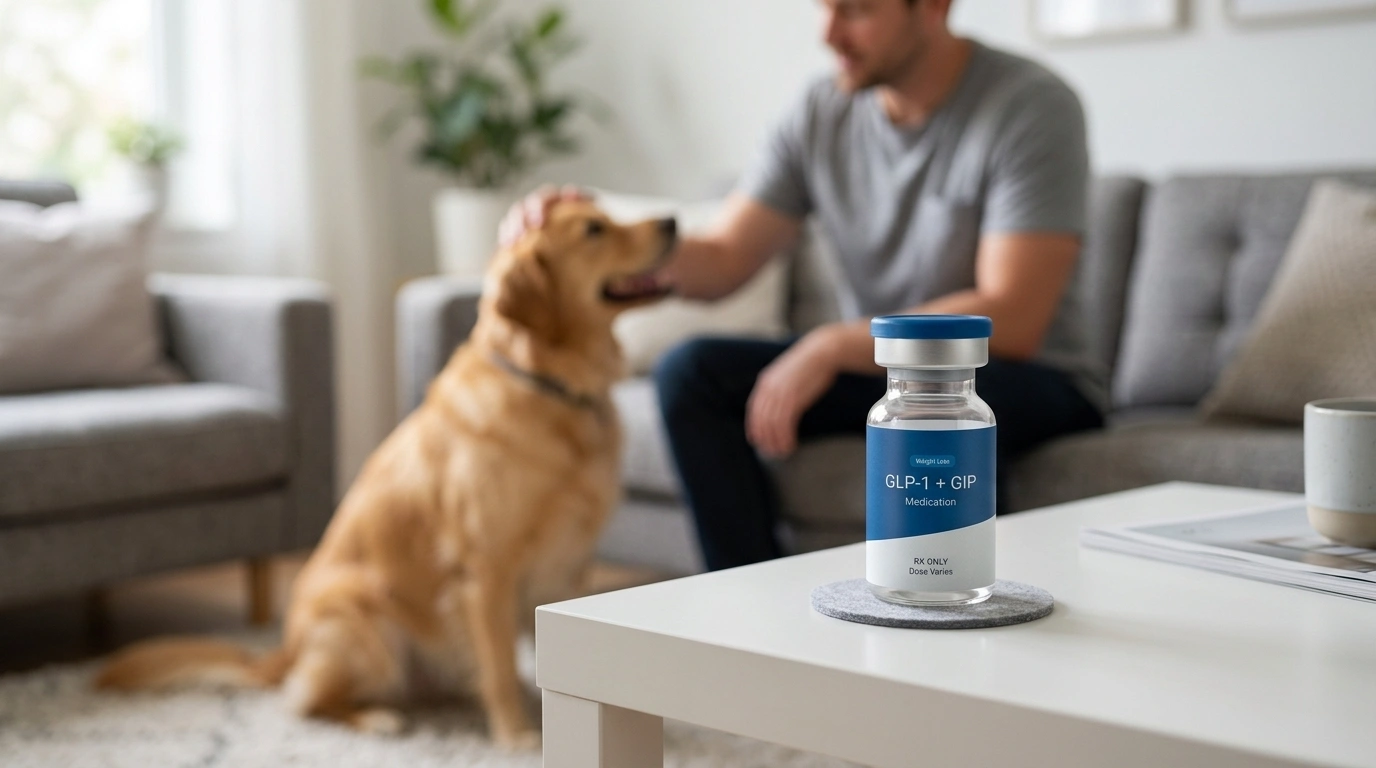
Table of Contents
- Introduction
- Why Temperature Matters for Zepbound®
- How to Safely Bring Your Medication to Room Temperature
- Storage Guidelines for Tirzepatide
- Injection Best Practices for Comfort
- Comparing Branded and Compounded Options
- Travel Tips: Keeping Your Medication Safe on the Go
- Managing Side Effects and Nutrient Support
- The Role of Personalization in Weight Loss
- Summary of Best Practices
- FAQ
Introduction
Standing in your kitchen with a cold injection pen in hand can feel a bit daunting, especially if you are new to GLP-1 medications. You might wonder if that chilly sensation is necessary or if there is a way to make the process more comfortable. If you’re still deciding whether prescription treatment is the right path, you can take the free assessment quiz to see whether a personalized program is a fit for you. Many people find that injecting cold medication straight from the refrigerator causes a slight stinging or “bite” at the site of the needle. At TrimRx, we understand that small details in your daily routine can make a significant difference in your long-term success and comfort. This post explores the safety and benefits of letting your medication reach room temperature, how to store your pens correctly, and what you need to know about maintaining the integrity of your treatment. While Zepbound® must be stored in the refrigerator for long-term stability, allowing it to reach room temperature before injection can improve the comfort of the experience without compromising the medication’s efficacy.
Quick Answer: Yes, Zepbound® can be injected at room temperature. In fact, many healthcare providers recommend leaving the pen out of the refrigerator for about 30 minutes before use to reduce the stinging sensation often associated with cold injections.
Why Temperature Matters for Zepbound®
The active ingredient in Zepbound® is tirzepatide, a dual-acting medication known as a GIP (glucose-dependent insulinotropic polypeptide) and GLP-1 (glucagon-like peptide-1) receptor agonist. If you want a broader look at treatment tolerability, our GLP-1 side effects guide is a helpful companion read. These are types of proteins that mimic natural hormones in your body to help regulate appetite and blood sugar. Because tirzepatide is a protein-based medication, it is sensitive to extreme temperatures.
Proteins can “denature” or break down if they get too hot or if they are frozen. When a protein breaks down, it loses its shape, which means it can no longer interact with your body’s receptors effectively. This is why proper storage is not just about comfort; it is about ensuring the medication actually works.
The Science of Cold Stability
Refrigeration keeps the molecules in tirzepatide stable for an extended period. When kept between 36°F and 46°F (2°C to 8°C), the medication remains effective until the expiration date printed on the packaging. However, the liquid itself is quite dense when cold. Injecting cold liquid into the subcutaneous fat (the layer of fat just under your skin) can cause temporary discomfort because the cold temperature stimulates local nerve endings more intensely than a room-temperature liquid would.
Room Temperature and Efficacy
Extensive testing by the manufacturer has shown that Zepbound® is stable at room temperature for a limited time. As long as the temperature does not exceed 86°F (30°C), the medication remains fully potent for up to 21 days. This flexibility is designed to help patients manage their treatment during travel or to simply make the weekly injection a more pleasant experience.
How to Safely Bring Your Medication to Room Temperature
If you find that cold injections are uncomfortable, you can easily adjust your routine. The goal is to let the medication warm up naturally without using any external heat sources.
Step 1: Remove the pen from the fridge.
Take one single-dose pen or your KwikPen out of the refrigerator approximately 30 to 60 minutes before you plan to use it.
Step 2: Keep it in the original packaging.
Tirzepatide is sensitive to light. Keeping the pen in its original box while it warms up protects the medication from UV exposure, which can also cause the proteins to degrade.
Step 3: Choose a safe spot.
Place the pen on a counter or table away from direct sunlight, windows, or heat-producing appliances like toasters or ovens.
Step 4: Inspect the medication.
Before injecting, look at the liquid through the clear window of the pen. It should be clear to slightly yellow. If it looks cloudy, contains particles, or has changed color significantly, do not use it.
Key Takeaway: Never attempt to speed up the warming process by using a microwave, hot water, or direct sunlight. Rapid temperature changes can damage the medication’s molecular structure, making it ineffective.
Storage Guidelines for Tirzepatide
While you can inject at room temperature, your long-term supply must stay chilled. Understanding the boundaries of safe storage ensures you never waste a dose.
The 21-Day Rule
Once a Zepbound® pen reaches room temperature, the 21-day countdown begins. If you take a pen out of the fridge and decide not to use it, you can return it to the refrigerator as long as it hasn’t been out for more than a few hours. However, if the medication stays at room temperature for a prolonged period, most experts recommend not putting it back in the fridge and instead using it within those three weeks.
For a deeper look at safe handling, our tirzepatide storage and handling guide covers the basics in more detail.
Protection from Light
The pens are designed with opaque bodies, but the medication window still allows light to enter. Prolonged exposure to bright indoor light or sunlight can break down the chemical bonds in the medication. Always store your pens in their original carton until you are ready to use them.
Avoiding the Freezer
Important: Never freeze your medication. If a pen accidentally ends up in the back of the fridge and freezes, it must be discarded. Even if it thaws out later, the freezing process likely damaged the proteins, rendering the dose useless or potentially unsafe.
Bottom line: Keep your main supply in the center of the refrigerator (where temperatures are most stable) and only bring out the dose you need shortly before your injection.
Injection Best Practices for Comfort
Beyond temperature, several factors can influence how an injection feels. A personalized program through TrimRx helps you navigate these nuances, but these general tips apply to most users.
Selecting Your Site
The most common areas for injection are the abdomen (at least two inches away from the belly button), the front of the thighs, or the back of the upper arm.
- Rotate sites: Do not use the exact same spot every week. Rotating sites helps prevent skin thickening or the buildup of scar tissue, which can interfere with absorption.
- Avoid sensitive areas: Never inject into skin that is bruised, tender, red, or hard.
Preparing the Skin
Clean the chosen area with an alcohol swab and allow it to dry completely. If the skin is still wet with alcohol when you inject, it can cause a stinging sensation. Taking ten seconds to let the alcohol air-dry is a simple way to improve comfort.
Managing the “Click”
Whether you are using a single-use pen or a multi-dose KwikPen, you will typically hear a click when the injection starts and another when it finishes.
- Uncap the pen only when you are ready.
- Place the base flat against your skin.
- Unlock the pen.
- Press and hold the button.
- Wait for the final click and check the plunger to ensure the full dose was delivered.
Comparing Branded and Compounded Options
When navigating the world of weight loss medications, you may encounter different versions of tirzepatide. It is important to distinguish between branded products and those prepared by specialty pharmacies.
Branded Medications
Zepbound®, Mounjaro®, Wegovy®, and Ozempic® are trademarked, branded medications. These are FDA-approved for specific uses, such as chronic weight management or type 2 diabetes. These products come in proprietary injector pens designed for ease of use. At TrimRx, we do not ship or dispense these branded products directly; rather, we connect you with licensed providers who can evaluate your health and, if appropriate, write a prescription that you can fill at a local pharmacy.
Compounded Tirzepatide
Due to high demand and shortages, many patients utilize Compounded Tirzepatide. Compounded medications are prepared by licensed pharmacists to meet the specific needs of a patient. These medications are not FDA-approved in the same way branded drugs are, but they are prepared and shipped by FDA-registered and inspected compounding pharmacies.
Compounded versions often come in vials and are administered using a traditional syringe rather than an auto-injector pen. The same temperature rules apply:
- Keep the vial refrigerated.
- You may draw the dose and let the syringe sit for a few minutes to reach room temperature before injecting.
- Follow the same light-protection and anti-freezing protocols.
Myth: Compounded medications are less effective because they don’t come in a branded pen.
Fact: When sourced from a reputable, FDA-registered compounding pharmacy, the active ingredient (tirzepatide) is the same. The primary difference is the delivery method (vial and syringe vs. auto-injector).
If you want to understand how people actually handle tirzepatide step by step, our tirzepatide injection guide is a practical next read.
Travel Tips: Keeping Your Medication Safe on the Go
Traveling doesn’t have to disrupt your weight loss progress. Because Zepbound® is stable at room temperature for up to 21 days, many trips don’t even require a cooler.
Short Trips (Under 21 Days)
If your trip is shorter than three weeks, you can carry your pens at room temperature. Keep them in your carry-on bag rather than checked luggage. Cargo holds in airplanes are not temperature-controlled and can either freeze or overheat your medication. Keeping the pens in your bag ensures they stay at the same temperature as the cabin.
Longer Trips or Hot Climates
If you are traveling to a location where temperatures exceed 86°F or if you will be gone for more than 21 days, use a travel cooler designed for insulin or GLP-1 medications.
- Use gel packs rather than loose ice to avoid accidental freezing.
- Ensure the pen does not directly touch the ice pack; wrap it in a small cloth or keep it in its box.
- If flying, tell the TSA officer you have medically necessary cooling packs.
Managing Side Effects and Nutrient Support
While temperature control helps with injection site comfort, it doesn’t always prevent the systemic side effects common with GLP-1 and GIP medications, such as nausea or digestive changes.
Many people find that as their body adjusts to the medication, these feelings subside. However, supporting your body with the right nutrients is essential. We offer quick-access supplements like GLP-1 Daily Support to help bridge the gap. These are designed to support your body’s natural pathways and can be purchased immediately without a medical consultation.
If you are just starting your journey, we recommend taking our free assessment quiz. This helps our partner providers understand your medical history and determine if a personalized program—including medications like compounded semaglutide or tirzepatide—is the right fit for you.
The Role of Personalization in Weight Loss
The question of whether to inject at room temperature is a small part of a much larger picture. Successful, sustainable weight loss isn’t just about the medication; it’s about the support system around it. Our mission is to help individuals embrace healthier lifestyles through a transparent, science-backed approach.
By choosing a telehealth-first platform, you remove the barriers of waiting rooms and in-person visits. You gain 24/7 access to a dedicated team that can answer questions about storage, side effects, and dosing schedules. If you’re ready to see whether a personalized plan makes sense for your goals, complete the free assessment quiz. This personalized care ensures that you aren’t just taking a drug, but participating in a comprehensive program tailored to your unique health profile.
Summary of Best Practices
To ensure your treatment is as effective and comfortable as possible, keep these points in mind:
- Store in the fridge: Keep your main supply between 36°F and 46°F.
- Warm it up: Take your pen out 30–60 minutes before injecting for a more comfortable experience.
- Watch the clock: Don’t leave medication at room temperature for more than 21 days.
- Check the liquid: Only inject if the medication is clear to slightly yellow and free of particles.
- Protect from extremes: No freezing, no microwaves, and no direct sunlight.
Bottom line: Injecting Zepbound® at room temperature is a safe and effective way to reduce injection site discomfort, provided you follow the 21-day safety window and protect the medication from light and heat.
FAQ
How long can Zepbound stay out of the refrigerator?
Zepbound® can stay out of the refrigerator at room temperature (up to 86°F) for a maximum of 21 days. After this period, the medication may begin to lose its potency and should be discarded in a sharps container. It is important to keep the medication in its original box to protect it from light during this time.
Can I put Zepbound back in the fridge after it reaches room temperature?
If the medication has only been out for a short period, such as an hour to reach room temperature for injection, you can return it to the fridge if you decide not to use it. However, if it has been at room temperature for an extended period, it is best to use it within 21 days rather than moving it back and forth, as frequent temperature fluctuations can affect stability.
What should I do if my Zepbound pen was accidentally frozen?
If your medication has frozen, do not use it, even after it thaws. Freezing temperatures damage the protein structure of tirzepatide, which can make the medication ineffective or potentially harmful. You should safely dispose of any frozen pens in an FDA-approved sharps container and contact your healthcare provider for a replacement.
Does injecting cold Zepbound affect how well it works?
The temperature of the medication at the time of injection does not affect how well it works in your body. The only reason to let it reach room temperature is for your own comfort, as cold liquids can cause more stinging or irritation at the injection site. The medication’s efficacy remains the same whether it is injected cold or at room temperature.
If you’re comparing treatment options and want a broader overview of side effects, our GLP-1 side effects guide can help answer common follow-up questions.
If you want to compare how tirzepatide behaves in storage and during travel, the tirzepatide storage and handling guide is a good companion read.
Disclaimer: This content is for informational purposes only and does not constitute medical advice. It is not intended to diagnose, treat, cure, or prevent any disease or condition. Individual results may vary. Always consult a qualified healthcare professional before starting any weight loss program or medication.

Transforming Lives, One Step at a Time
Keep reading
Surfing on Zepbound: Paddling Strength, Cold Water, and Dawn Patrol
Surfing asks a lot of your body. Paddling out through broken waves takes shoulder, back, and core strength. Cold water drains energy. Dawn sessions…

Skydiving on Zepbound: Planning a Tandem Jump
For many people who have lost weight, a skydive is a goal they set years ago and finally feel ready for. Some dropzones have…
A Day at the Renaissance Faire on Zepbound
A Renaissance faire is a full day out: jousts, stage shows, artisan stalls, dusty lanes, and food built for spectacle, from giant turkey legs…


