Smart Food Choices: What Not to Eat When Taking Ozempic and Similar Weight Loss Medications
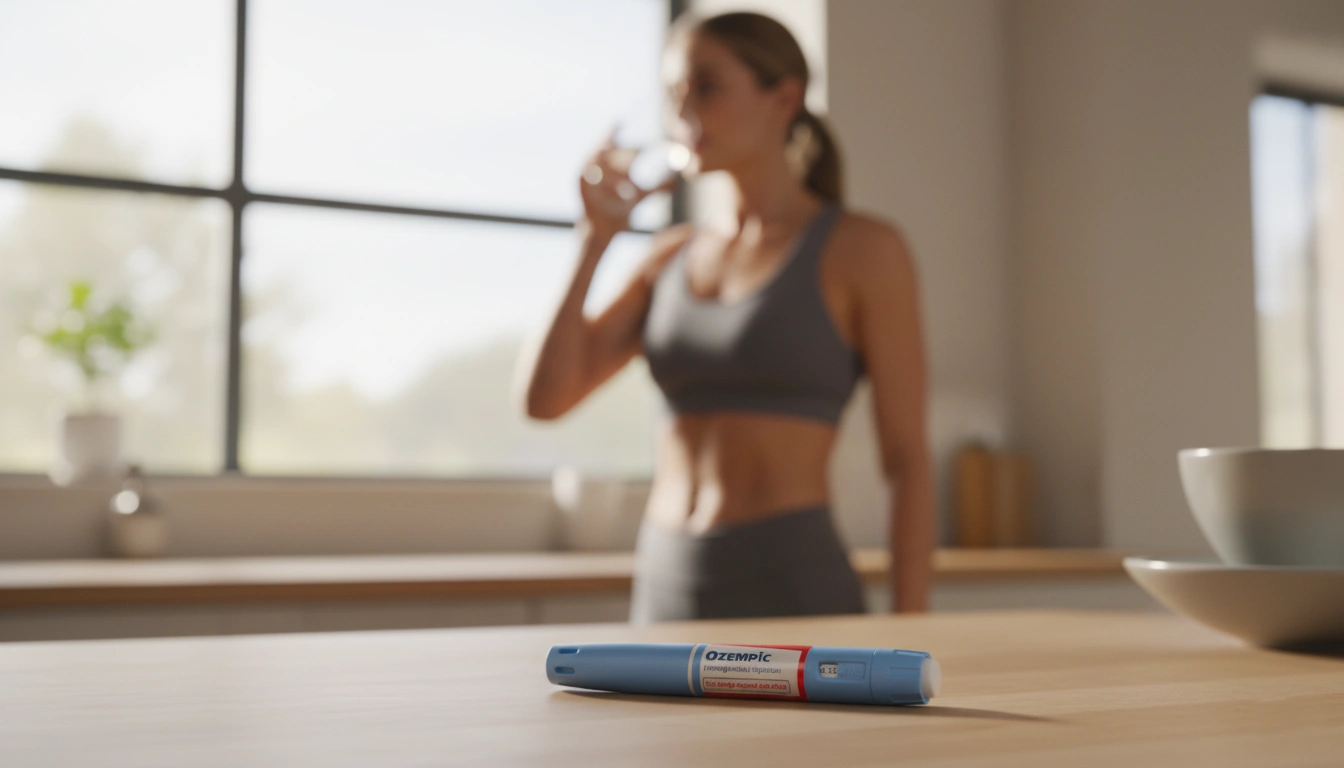
Embarking on a weight loss journey can be transformative, often involving a blend of lifestyle adjustments and scientific advancements. For many, this path includes GLP-1 medications like Ozempic®, Wegovy®, Mounjaro®, and Zepbound®. These medications have ushered in a new era of effective weight management, offering powerful support in achieving health goals. However, as with any potent tool, understanding how to use it optimally is key. A crucial aspect of this optimization lies in your dietary choices, as certain foods can either enhance the medication’s benefits or trigger uncomfortable side effects.
At TrimRx, our journey began with a shared vision: to help individuals embrace healthier lifestyles by merging cutting-edge telehealth innovations with effective, personalized weight loss solutions. We understand that navigating the nuances of new medication and dietary changes can feel daunting. That’s why we’ve created a user-friendly and supportive platform where individuals receive personalized, medically supervised care, designed to make sustainable weight loss attainable and tailored to each unique journey. We believe that sustainable weight loss should be achieved through science, empathy, and a transparent approach.
This comprehensive guide will explore the intricate relationship between GLP-1 medications and your diet, shedding light on what not to eat when taking Ozempic and similar treatments. We’ll delve into the science behind these dietary recommendations, provide practical strategies for minimizing discomfort, and highlight how a personalized approach can optimize your results. Our aim is to empower you with the knowledge to make informed food choices, ensuring your journey towards better health is as smooth and effective as possible. By the end of this post, you’ll have a clearer understanding of how to align your diet with your medication for optimal well-being, supported by our empathetic, innovative, and trustworthy care.
Understanding GLP-1 Medications and Their Impact on Digestion
The advent of GLP-1 receptor agonists, such as Semaglutide (found in Ozempic® and Wegovy®) and Tirzepatide (found in Mounjaro® and Zepbound®), has revolutionized the landscape of weight management and diabetes care. These medications work by mimicking natural hormones in your body, specifically glucagon-like peptide-1. This action has several profound effects that contribute to weight loss and improved metabolic health.
How GLP-1 Agonists Influence Your Body
The mechanisms by which GLP-1 medications operate are multi-faceted:
- Blood Sugar Regulation: For individuals with type 2 diabetes, GLP-1s stimulate insulin release when blood sugar levels are high and suppress glucagon secretion, both of which help to lower and stabilize blood glucose.
- Slowing Gastric Emptying: Perhaps one of the most significant effects relevant to dietary considerations is the slowing of gastric emptying. This means food stays in your stomach for a longer period. This extended digestion contributes to a feeling of fullness and satiety, helping to reduce overall food intake.
- Reducing Hunger Signals: These medications also act on the brain to reduce appetite and curb cravings, often referred to as diminishing “food noise.” This makes it easier to make healthier food choices and stick to a reduced-calorie diet.
These powerful mechanisms, while highly beneficial for weight loss, can also lead to certain gastrointestinal side effects. Nausea, vomiting, bloating, constipation, diarrhea, and heartburn are commonly reported, especially during the initial stages of treatment or when doses are adjusted. These symptoms are primarily exacerbated by the slowed digestion, as foods linger longer in the stomach and digestive tract. Understanding this fundamental interaction is the first step in making informed dietary choices that can mitigate these effects.
At TrimRx, we recognize that each individual’s response to medication and dietary changes is unique. Our medically supervised programs are designed to provide the support and guidance needed to navigate these adjustments effectively. To explore if a personalized treatment plan is right for you, we encourage you to take our free assessment quiz. This assessment helps us understand your specific needs and develop a tailored approach to your weight loss journey.
Key Foods to Minimize or Avoid When Taking GLP-1 Medications
When you’re taking a GLP-1 medication like Ozempic, the goal is not merely to restrict calories, but to make smart food choices that support your body’s new digestive rhythm and minimize discomfort. Experts widely agree that there isn’t a universal “Ozempic diet,” as individual tolerances vary. However, certain food categories are more likely to trigger or worsen common side effects due to their intrinsic digestive properties combined with the medication’s impact on gastric emptying. Being mindful of what not to eat when taking Ozempic can significantly improve your experience.
High-Fat and Greasy Foods
High-fat and greasy foods are frequently cited as the primary culprits behind increased gastrointestinal distress for individuals on GLP-1 medications.
Why They Are Problematic
Fats, by their very nature, take a longer time to digest than carbohydrates or proteins. When combined with the deliberate slowing of gastric emptying caused by medications like Semaglutide or Tirzepatide, high-fat foods can linger in the stomach for an exceptionally long duration. This prolonged residence time can lead to a “double-slowing” effect, creating a perfect storm for discomfort. The symptoms commonly reported include:
- Increased Nausea and Vomiting: The stomach struggles to process these foods, leading to intense feelings of sickness and, in some cases, vomiting.
- Indigestion and Heartburn: Fatty foods can relax the lower esophageal sphincter, allowing stomach acid to reflux into the esophagus, which is exacerbated by the food sitting in the stomach longer.
- Abdominal Bloating and Discomfort: The extended presence of food in the stomach and intestines can cause significant distension and pain.
- Constipation or Diarrhea: High-fat intake can disrupt normal bowel movements, and this effect is amplified by the slowed gut motility.
Specific Examples to Limit
To mitigate these uncomfortable side effects, it’s advisable to significantly reduce or temporarily avoid the following:
- Fried Foods: Fried chicken, french fries, doughnuts, and other deep-fried items are packed with unhealthy fats that are difficult to digest.
- Red Meat: Burgers, steaks, ground beef, and ribs, especially those with higher fat content, can be particularly challenging. Their dense protein and fat composition contribute to longer digestion times.
- High-Fat Dairy Products: Full-fat cheese, butter, heavy cream, and rich sauces made with cream can exacerbate symptoms. Opt for lower-fat alternatives or use sparingly.
- Processed Snacks: Chips, pastries, and many ultra-processed foods are often high in unhealthy fats and refined carbohydrates, making them a double whammy for digestive upset.
Instead, focus on lean protein sources and healthy fats in moderation, which are discussed further in the strategies section.
High-Sugar Foods and Drinks
Sugary foods and beverages pose another significant challenge for individuals utilizing GLP-1 medications. While not directly linked to slowed digestion in the same way as fats, their impact on blood sugar and overall caloric intake can counteract the benefits of the medication and worsen general discomfort.
Why They Are Problematic
- Blood Sugar Spikes: Many GLP-1 medications are used to manage blood sugar. Consuming high-sugar foods can lead to rapid glucose spikes, which can undermine the medication’s efforts to stabilize blood sugar levels. This creates an unnecessary burden on your metabolic system.
- Empty Calories: Sugary drinks and highly processed sweet treats often provide a large number of calories with minimal nutritional value. Since GLP-1 medications typically reduce appetite, every calorie consumed should be nutrient-dense to ensure you’re getting essential vitamins and minerals.
- Exacerbated GI Upset: While not causing the same digestive slowing as fats, sugary foods can contribute to general gastrointestinal discomfort, including bloating and nausea, especially when combined with an already sensitive digestive system.
- Dehydration Risk: Some sugary drinks, particularly those with caffeine, can contribute to dehydration, which itself can worsen feelings of nausea and fatigue.
Specific Examples to Limit
Consider limiting or avoiding these items:
- Carbonated and Sugar-Sweetened Beverages: Sodas, most fruit juices (which often contain high levels of added sugar), sports drinks, and sweetened teas or coffees contribute empty calories and rapid sugar spikes.
- Cakes, Cookies, and Pastries: These items are typically high in both sugar and unhealthy fats, making them doubly problematic.
- Refined Carbohydrates: White bread, crackers, white rice, and many cereals offer little fiber and can convert quickly to sugar, impacting blood glucose stability.
Instead, satisfy your sweet tooth with whole fruits (in moderation) or naturally sweetened options, and prioritize water for hydration. Our GLP-1 Daily Support supplement is formulated to complement a balanced diet, helping to maintain overall wellness during your weight loss journey.
Alcohol
The interaction between alcohol and GLP-1 medications warrants careful consideration, as both substances can affect your body in similar ways, potentially leading to compounded side effects and unique risks.
Why It Is Problematic
While there’s no direct dangerous interaction reported between GLP-1 medications and alcohol, their combined effects can be uncomfortable and potentially harmful:
- Compounding Gastrointestinal Distress: Both alcohol and GLP-1s can cause nausea, vomiting, and other digestive problems. Consuming them together can intensify these symptoms.
- Increased Dehydration: GLP-1 medications can sometimes lead to fluid loss, and alcohol is a known diuretic. The combination can significantly increase the risk of dehydration, leading to fatigue, light-headedness, and worsened nausea.
- Hypoglycemia Risk: For individuals with diabetes, alcohol can lower blood sugar levels by inhibiting the liver’s ability to release glucose. When combined with GLP-1 medications that actively lower blood sugar, this can create a heightened risk of dangerously low blood glucose (hypoglycemia).
- Potentiation of Alcohol Effects: Due to the slowed gastric emptying, alcohol may remain in your system longer, potentially leading to stronger or more prolonged intoxicating effects from smaller amounts.
Recommendation
It is generally recommended to limit or avoid alcohol consumption while taking GLP-1 medications. If you choose to drink, do so in moderation (e.g., one drink per day for women, two for men) and pay close attention to how your body reacts. Always prioritize hydration with plain water. Discuss your alcohol intake with your healthcare provider as part of your personalized TrimRx plan to ensure safety.
Spicy Foods
For some individuals, even foods that were once perfectly tolerable can become problematic after starting GLP-1 medications, and spicy foods are a common example.
Why They Trigger Discomfort
Spicy ingredients often contain compounds that can irritate the lining of the stomach and esophagus. When gastric emptying is slowed by medications like Ozempic, these irritants have more time to interact with the digestive tract, leading to intensified symptoms:
- Heartburn and Acid Reflux: Spicy foods can relax the lower esophageal sphincter, increasing the likelihood of stomach acid flowing back into the esophagus. This effect is worsened when food remains in the stomach longer.
- Worsened Nausea: The irritation caused by spice can exacerbate existing feelings of nausea.
- General Stomach Discomfort: Many patients report increased burning sensations, indigestion, and generalized stomach pain after consuming spicy dishes.
Specific Examples to Limit
Consider reducing your intake of:
- Hot Sauces and Salsas: These often contain high concentrations of capsaicin, the compound responsible for heat.
- Hot Peppers: Fresh or dried chili peppers in dishes.
- Heavily Spiced Meals: Curries, stir-fries, and other dishes where spices are a dominant flavor profile might need to be toned down.
Listening to your body is paramount here. If spicy foods cause discomfort, it’s best to temporarily reduce or eliminate them until your body adjusts.
Certain High-Fiber and Raw Vegetables (Initially)
While fiber is generally highly beneficial for overall health and digestive regularity, particularly to combat constipation that can arise from GLP-1 medications, certain types of high-fiber foods, especially when raw, can initially pose challenges.
Why They Might Be Problematic at First
GLP-1 medications slow down the digestive process. While this helps with satiety, it can sometimes lead to an accumulation of gas and bloating, particularly when consuming large amounts of certain types of fiber or raw vegetables that are harder to break down. For individuals not accustomed to a high-fiber diet, introducing a lot of fiber rapidly can also cause discomfort.
- Increased Bloating and Gas: Cruciferous vegetables (like broccoli, cabbage, cauliflower) and some starchy vegetables can produce more gas as they are digested, which can be exacerbated by slowed gut motility.
- Constipation (if not enough hydration): While fiber helps prevent constipation, if not consumed with adequate fluids, it can sometimes worsen it when digestion is already slowed.
Recommendation
It’s important not to eliminate fiber entirely, as it’s crucial for gut health and regular bowel movements. Instead, consider these adjustments:
- Cook Vegetables: Cooking cruciferous and starchy vegetables can make them easier to digest compared to eating them raw.
- Gradual Introduction: If your diet has been low in fiber, gradually increase your intake of fruits, vegetables, and whole grains to allow your digestive system to adapt.
- Prioritize Soluble Fiber: Focus on soluble fibers found in oats, apples, pears, and beans, which tend to be gentler on the stomach.
- Hydrate Adequately: Always pair increased fiber intake with plenty of water to facilitate digestion and prevent constipation.
Your healthcare provider and the TrimRx team can help you build a balanced, fiber-rich diet that supports your health goals without discomfort.
Caffeine
While caffeine itself is not usually a direct trigger of major side effects like fats or sugars, it can contribute to certain issues, particularly heartburn, for some individuals.
Why It Can Be Problematic
Caffeine can stimulate acid production in the stomach and may relax the lower esophageal sphincter, similar to spicy foods, increasing the risk of heartburn and acid reflux. If you are already experiencing these symptoms due to slowed digestion, caffeine could make them worse.
Recommendation
- Monitor Your Response: Pay attention to how caffeine affects you. If you notice increased heartburn or discomfort, consider reducing your intake or switching to decaffeinated options.
- Beware of Additions: The biggest issue with caffeinated beverages is often the added sugars, creams, and syrups, which fall into the “high-sugar” category already discussed. Black coffee or plain tea are generally better choices if tolerated.
Remember, the emphasis is on listening to your body. As you continue your journey with TrimRx, our supportive approach means we’re here to help you navigate these dietary adjustments. Take our free assessment quiz to begin a personalized plan that includes expert guidance on nutrition.
Strategies for Minimizing Side Effects and Optimizing Your Diet
Beyond knowing what not to eat when taking Ozempic, actively incorporating certain strategies into your daily routine can significantly enhance comfort and effectiveness on GLP-1 medications. Our goal at TrimRx is to provide you with the tools and knowledge for safe, effective, and sustainable weight loss.
Embrace a Personalized Approach to Nutrition
The most critical takeaway from experts is that there’s no singular “Ozempic diet” that fits everyone. Each individual’s body reacts differently to medications and foods. This is why a personalized approach is fundamental to success.
- Work with Experts: Ideally, your weight loss journey should be closely supervised by obesity-trained physicians and registered dietitians. They can help create tailored nutritional plans that suit your individual needs, preferences, and tolerances while taking medications like Semaglutide or Tirzepatide. Our personalized weight loss programs at TrimRx ensure you have access to expert guidance throughout your journey.
- Listen to Your Body: Pay close attention to how different foods make you feel. Keeping a food diary can be incredibly helpful in identifying specific triggers or foods that are well-tolerated. If greasy burgers and fries typically cause you GI distress even without medication, expect those foods to be even more problematic on a GLP-1 agonist.
Focus on Nutrient-Dense Foods
Since GLP-1 medications reduce appetite and slow digestion, ensuring every calorie consumed provides maximum nutritional value is crucial to prevent malnutrition and support overall health.
- Lean Proteins: Prioritize lean protein sources such as fish, chicken, turkey, tofu, lentils, and beans. Protein is vital for preserving muscle mass during weight loss, helps keep you feeling full, and contributes to blood sugar stabilization. Make an effort to eat protein first at meals, especially if you get full quickly.
- Non-Starchy Vegetables: Load up on a diverse range of colorful non-starchy vegetables like leafy greens, broccoli, eggplant, bell peppers, and cauliflower (cooked, especially initially). These are packed with vitamins, minerals, and fiber, offering high nutritional value with fewer calories.
- Whole Grains: Opt for whole grains like oats, quinoa, farro, and barley over refined carbohydrates. They provide sustained energy and fiber.
- Fruits (in Moderation): Fruits are excellent sources of fiber, vitamins, and antioxidants. However, some fruits have higher sugar content. Enjoy fruits in moderation, perhaps two servings per day, focusing on lower-sugar options like berries, kiwi, and grapefruit.
- Healthy Fats: Include healthy fats from sources like avocados, nuts, and seeds in small quantities. While high-fat foods should be limited, healthy fats are essential for nutrient absorption and satiety.
Optimize Your Eating Habits
How you eat is just as important as what you eat when on GLP-1 medications.
- Smaller, More Frequent Meals: Instead of two or three large meals, consider splitting your daily intake into five or six smaller portions. This can be easier on your digestive system and help manage satiety throughout the day.
- Eat Slowly and Chew Thoroughly: The brain takes time to register fullness. Eating slowly, chewing your food well, and taking breaks between bites can help you recognize when you’re satisfied and prevent overeating, which can lead to discomfort.
- Stop at the First Sign of Satisfaction: With reduced appetite, you’ll likely feel full much faster. End your meal at the first sign of satisfaction, not when your plate is empty.
- Avoid Lying Down After Eating: Try to stay upright for at least an hour after meals. A short, gentle walk can also aid digestion and alleviate symptoms.
- Gradually Increase Fiber: While fiber is beneficial, introduce it slowly if your diet was previously low in fiber to avoid excessive bloating or discomfort. Our Weight Loss Boost supplement can also complement your dietary efforts, offering additional support.
Stay Hydrated
Dehydration can worsen nausea and constipation, two common side effects of GLP-1 medications.
- Drink Plenty of Plain Water: Make plain water your primary beverage. Keep a water bottle handy and sip throughout the day.
- Clear, Ice-Cold Beverages: Many patients find clear, sugar-free, and cold beverages, such as iced ginger tea or sugar-free electrolyte drinks, to be most tolerable, especially if experiencing nausea.
- High-Water Content Foods: Incorporate foods with high water content, like soups, cucumbers, and watermelon, to boost your fluid intake.
- Avoid Dehydrating Drinks: Limit or avoid excessive caffeine and alcohol, which can contribute to fluid loss.
Medication Adherence and Medical Consultation
- Follow Directions Carefully: Administer your medication exactly as instructed by your healthcare provider. For example, injectable Semaglutide (Ozempic®, Wegovy®) can be taken with or without food, while oral Semaglutide (Rybelsus®) requires specific timing on an empty stomach with a few sips of plain water at least 30 minutes before eating or drinking to ensure maximal absorption.
- Discuss Side Effects with Your Doctor: If you’re experiencing uncomfortable or persistent side effects, it’s crucial to speak with your prescribing physician. They may suggest dose adjustments or recommend over-the-counter medications like antacids or gas reducers to alleviate symptoms. Never adjust your dosage without consulting your healthcare provider.
At TrimRx, our comprehensive service includes doctor consultations, ensuring you receive medically supervised care. We work exclusively with FDA-registered and inspected pharmacies for the shipping of weight loss medications, underscoring our commitment to safety. Our dedicated team is here to provide unlimited support, helping you navigate every step of your journey. If you’re considering a personalized plan involving medications like Compounded Semaglutide, Oral Semaglutide, Ozempic®, Compounded Tirzepatide, Oral Tirzepatide, Mounjaro®, Zepbound®, or Wegovy®, we invite you to take our free assessment quiz to determine your eligibility and receive a tailored treatment plan.
TrimRx’s Approach to Personalized Weight Loss
At TrimRx, we are more than just a provider of weight loss solutions; we are your dedicated partner on the journey to a healthier, more vibrant life. Our foundation is built on the belief that sustainable weight loss should be achieved through science, empathy, and a transparent approach, providing compassionate care that respects every individual’s unique journey.
Our Brand Story and Values
Our journey began with a shared vision to merge cutting-edge telehealth innovations with effective weight loss solutions, making personalized, medically supervised care accessible to all. We understand that traditional weight loss methods often fall short because they fail to account for individual biological, lifestyle, and genetic factors. This understanding drives our commitment to an individualized approach, ensuring that your path to wellness is truly tailored to you.
We stand for:
- Innovation: Utilizing modern technology to bring advanced medical science directly to you.
- Trustworthiness: Partnering exclusively with FDA-registered and inspected pharmacies for the shipping of all prescription weight loss medications, ensuring the highest standards of safety and quality. It’s important to clarify that while these pharmacies are FDA-registered and inspected, compounded medications themselves are not FDA-approved. Branded medications such as Ozempic® and Zepbound® are FDA-approved.
- Empathy and Support: Recognizing the emotional and physical challenges of weight loss, our team provides unlimited support, fostering a nurturing and understanding environment.
- Results-Oriented: Our programs are designed for effective, sustainable weight loss, focusing on long-term health transformations.
- Transparency: Our comprehensive service includes doctor consultations, medication, lab work where needed, unlimited support, and shipping, all with no hidden fees. Our approach remains consistent regardless of dosage changes.
Our Personalized Weight Loss Programs
For those seeking prescription weight loss medications, our process begins with a crucial step: our free assessment quiz. This personalized assessment helps our medical professionals understand your health profile, medical history, and weight loss goals to determine your eligibility and craft a treatment plan tailored specifically for you.
Our prescription offerings, which require the completion of our free assessment quiz, include:
- Compounded Semaglutide
- Oral Semaglutide
- Ozempic®
- Compounded Tirzepatide
- Oral Tirzepatide
- Mounjaro®
- Zepbound®
- Wegovy®
These medications, combined with our expert guidance on nutrition and lifestyle, form the cornerstone of a highly effective weight management strategy. When considering what not to eat when taking Ozempic or any of these medications, our personalized plans provide specific dietary recommendations and ongoing support to help you manage potential side effects and optimize your results.
Quick-Access Supplements for Holistic Support
Beyond prescription medications, we understand that supporting your body through the weight loss journey involves various facets of wellness. For those looking for immediate support, we offer quick-access supplements that do not require a quiz:
- GLP-1 Daily Support: Designed to complement the effects of GLP-1 medications and support overall metabolic health, this supplement can be a valuable addition to your daily routine.
- Weight Loss Boost: This supplement is formulated to provide additional assistance for your weight loss efforts, promoting energy and supporting your body’s natural processes.
Whether you’re exploring prescription options or seeking supplemental support, TrimRx is committed to providing safe, effective solutions for your weight loss journey. We invite you to experience the TrimRx difference – a journey marked by professional care, cutting-edge science, and unwavering personal support.
Conclusion
Embarking on a weight loss journey with medications like Ozempic, Wegovy, Mounjaro, or Zepbound represents a significant step towards improved health and well-being. While these GLP-1 agonists are powerful tools, their efficacy and your comfort are deeply intertwined with informed dietary choices. Understanding what not to eat when taking Ozempic, specifically minimizing high-fat, high-sugar, spicy, and excessive alcohol intake, can dramatically reduce uncomfortable side effects and enhance the overall success of your treatment.
The key to a successful journey lies in embracing a personalized approach, recognizing that your body’s response is unique. Focusing on nutrient-dense foods, adopting mindful eating habits, staying adequately hydrated, and working closely with healthcare professionals are all vital components. These strategies not only help mitigate side effects but also ensure your body receives the essential nutrients it needs to thrive during weight loss.
At TrimRx, we are dedicated to supporting you every step of the way. Our platform combines innovative telehealth with medically supervised, personalized care, ensuring you receive transparent and empathetic support throughout your transformation. From comprehensive doctor consultations and prescription medications provided by FDA-registered and inspected pharmacies to unlimited support and convenient shipping, we are committed to making your sustainable weight loss attainable.
We encourage you to take proactive steps towards a healthier future. If you’re ready to explore a personalized weight loss plan tailored to your unique needs, we invite you to take our free assessment quiz today. For immediate support for your overall wellness during this journey, consider our GLP-1 Daily Support or Weight Loss Boost supplements. Together, we can achieve your health goals and help you embrace a healthier lifestyle.
Frequently Asked Questions (FAQs)
Q1: What are the main types of foods I should avoid or limit when taking Ozempic?
A1: When taking Ozempic or similar GLP-1 medications, it’s generally recommended to avoid or significantly limit high-fat and greasy foods (like fried items, fatty red meats, high-fat dairy), high-sugar foods and drinks (such as sodas, sugary juices, cakes, and highly processed sweets), and excessive alcohol. Spicy foods and excessive caffeine can also exacerbate gastrointestinal side effects like heartburn and nausea for some individuals. These foods tend to worsen symptoms because the medication slows down digestion, allowing food to linger in the stomach longer and intensify discomfort.
Q2: Is there a specific “Ozempic diet” I should follow?
A2: There isn’t a single, prescriptive “Ozempic diet” that applies to everyone. Experts emphasize a personalized approach. The key is to focus on a balanced, nutrient-dense diet rich in lean proteins, non-starchy vegetables, and whole grains, while making specific adjustments based on your individual tolerance and side effects. At TrimRx, our medically supervised programs provide personalized dietary guidance, encouraging you to take our free assessment quiz to develop a plan tailored for you.
Q3: How can I manage nausea and other GI side effects while on these medications?
A3: To manage nausea and other gastrointestinal side effects, focus on consuming smaller, more frequent meals, eating slowly, and chewing your food thoroughly. Prioritize bland, easily digestible foods like lean proteins, cooked vegetables, and low-fat options. Staying well-hydrated with plain water and clear, cold beverages is also crucial. If side effects persist or are severe, it’s essential to consult with your prescribing healthcare provider, as they may suggest dose adjustments or recommend over-the-counter remedies. Our TrimRx team offers unlimited support to help you navigate these challenges.
Q4: Can I still enjoy my favorite foods in moderation while on Ozempic?
A4: The goal isn’t necessarily to eliminate all your favorite foods forever, but rather to understand how they interact with your medication and adjust your intake accordingly. Many individuals find that reducing portion sizes of problematic foods, modifying recipes (e.g., baking instead of frying), or consuming them less frequently can allow for occasional enjoyment without significant discomfort. Listening to your body, keeping a food diary, and discussing your dietary choices with your TrimRx healthcare provider are the best ways to determine what works for you and maintain long-term adherence to a healthy lifestyle. Our quick-access supplements like GLP-1 Daily Support can also offer general wellness support.

Transforming Lives, One Step at a Time
Keep reading

Ozempic and Colorectal Cancer: What the New Research Shows
Colorectal cancer is the third most commonly diagnosed cancer in the United States and one of the cancers most strongly linked to obesity, metabolic…

Does Ozempic Reduce Cancer Risk: What the Research Shows
The connection between obesity and cancer has been established for decades. What’s newer, and genuinely interesting, is emerging evidence that GLP-1 medications like Ozempic…

When to Stop Ozempic Before Surgery: Aspiration Risk Explained
If you’re scheduled for surgery and you’re currently taking Ozempic or another GLP-1 medication, there’s a specific conversation you need to have with your…


