Snacking on Ozempic: How Your Snack Needs Change and What to Choose
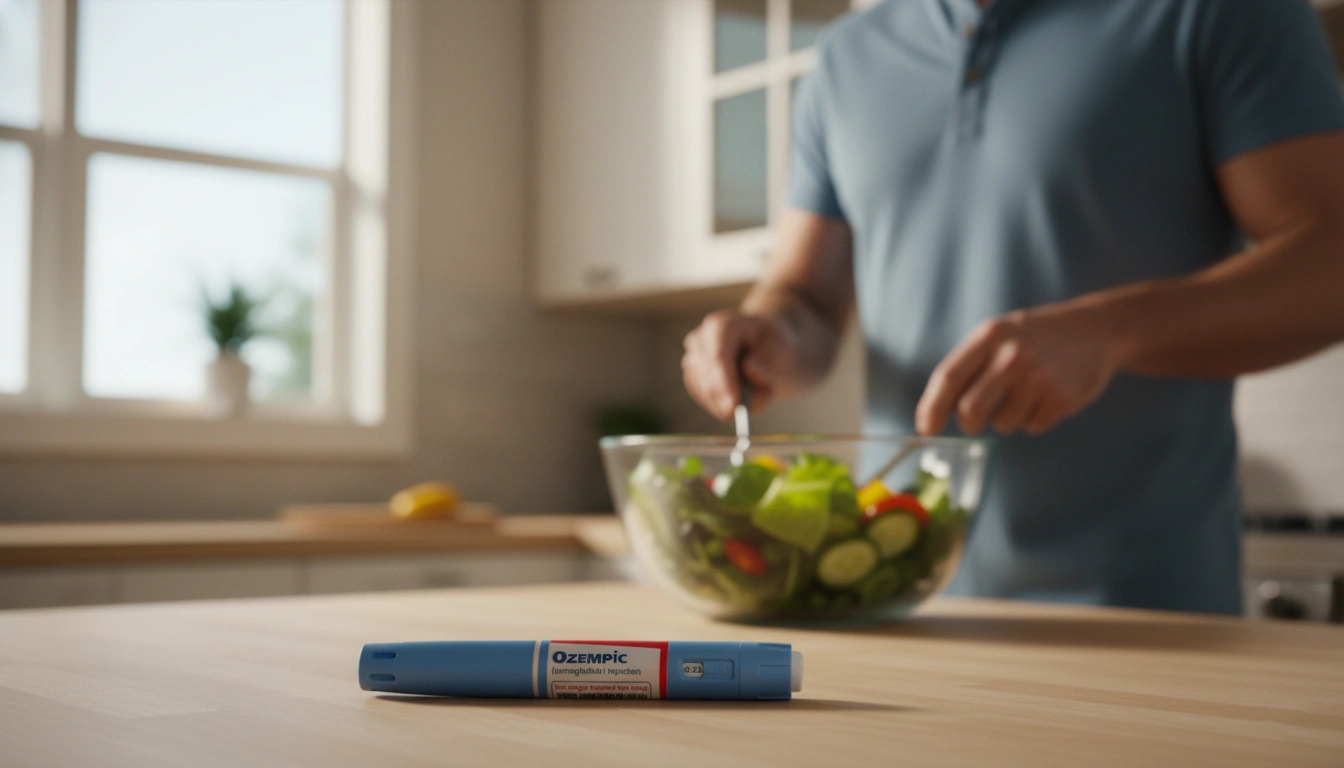
Most people starting Ozempic expect their main meals to shrink. What catches them off guard is what happens to snacking. The mid-morning handful of almonds, the afternoon something-from-the-pantry ritual, the post-dinner nibble — those patterns don’t just shrink on semaglutide. For many patients, they disappear entirely for a stretch, then return in a different form as the body adjusts.
Understanding how snacking changes on Ozempic, and how to approach it intentionally, helps you make the most of the reduced appetite rather than working against it.
How Semaglutide Changes Your Snack Impulses
Semaglutide works partly by slowing gastric emptying, which means food stays in your stomach longer and fullness signals last well past a meal. It also reduces the brain’s response to food cues, which is what patients describe as the quieting of food noise. The result is that the urge to snack between meals either disappears or becomes significantly muted, particularly in the first few months of treatment.
For people who previously snacked out of habit, boredom, stress, or genuine hunger, this shift can feel disorienting. The trigger is gone but the behavior pattern is still wired in. Some patients find themselves reaching for food at their usual snack times and then stopping, genuinely unsure whether they’re hungry or just on autopilot.
Here’s the thing: on semaglutide, that distinction matters more than it did before. When your total daily intake is lower, every eating occasion needs to earn its place nutritionally. Habitual snacking that doesn’t serve a real purpose adds calories without adding much value to your treatment.
That said, snacking isn’t inherently counterproductive on semaglutide. The question is whether a snack is filling a genuine gap in your nutrition or just filling time.
When Snacking Actually Makes Sense on Ozempic
There are a few situations where snacking between meals supports rather than undermines your GLP-1 treatment.
When meals are too small to meet protein needs. Semaglutide often reduces meal size to the point where hitting adequate daily protein becomes genuinely difficult. If your lunch and dinner aren’t large enough to get you to your protein target, a protein-focused snack between meals fills that gap deliberately rather than aimlessly. For most patients, protein targets on semaglutide land somewhere between 80 and 120 grams daily depending on body weight and activity level.
When there’s a long gap between meals. Some patients do well eating two meals a day on semaglutide, with appetite suppression making three meals feel like too much. If breakfast is at 7am and dinner isn’t until 7pm, a small snack in the afternoon prevents blood sugar dips and keeps energy stable without requiring a full third meal.
When nausea is making meals difficult. Early in treatment, some patients tolerate small, frequent eating better than larger meals. In that phase, what counts as a “snack” and what counts as a “meal” blurs. The goal is getting adequate nutrition in whatever portion size feels manageable.
When exercise demands it. Patients doing regular strength training or cardio on semaglutide may need a pre or post-workout snack to fuel performance and support muscle recovery. Exercise increases protein and energy needs in ways that reduced appetite doesn’t automatically compensate for.
What to Snack on When You’re on Ozempic
With appetite suppressed, snack choices matter more per bite than they did before. The best snacks on semaglutide share a few common traits: they’re high in protein, moderate in fiber, easy to digest, and not so calorie-dense that a small portion becomes a significant portion of your daily intake.
Protein-Forward Snacks
These are the workhorses of snacking on Ozempic. They fill the protein gap, keep you full between meals, and don’t trigger the kind of GI discomfort that high-fat or heavily processed snacks can cause on semaglutide.
Greek yogurt (plain, full-fat or 2%) provides 15 to 20 grams of protein in a portion that’s easy to eat even when appetite is low. A hard-boiled egg or two is compact, protein-dense, and gentle on digestion. Cottage cheese has quietly become one of the more popular semaglutide snacks for good reason: a half cup offers around 14 grams of protein in a soft, easy-to-eat format. String cheese or a small portion of part-skim mozzarella works well for patients who want something quick and portable.
For plant-based patients, edamame is one of the better snack options available: half a cup of shelled edamame delivers around 8 to 9 grams of protein alongside fiber and magnesium. Roasted chickpeas offer a similar nutritional profile with a crunchier texture that some patients find more satisfying than soft foods.
Snacks That Double as Micronutrient Support
Given the micronutrient gaps that reduced food intake creates on semaglutide, snacks that happen to address those gaps are worth prioritizing. A small handful of pumpkin seeds covers meaningful ground on magnesium. Canned sardines on a few crackers might not be everyone’s first choice, but they deliver protein, calcium, omega-3s, and iron in a compact package. A small piece of dark chocolate (70% or higher) provides magnesium and antioxidants alongside a satisfying flavor that can replace more indulgent cravings.
Snacks to Approach Carefully
Some snack categories that were fine before semaglutide become more problematic during treatment, not because they’re off-limits, but because they don’t serve the reduced-appetite context well.
High-fat snacks like full-fat cheese in large portions, nuts eaten by the handful, or peanut butter by the spoonful are calorie-dense in a way that’s hard to moderate when your sense of portion has shifted. A tablespoon of peanut butter is a reasonable snack; an absent-minded quarter cup is not.
Ultra-processed snacks, chips, crackers, and sweet baked goods tend to move quickly through the stomach despite semaglutide slowing gastric emptying. They can cause a brief window of hunger before your next meal that feels confusing when you’re otherwise well-suppressed.
Carbonated drinks alongside snacks can increase bloating and discomfort in patients already sensitive to GI changes on semaglutide. Plain water or herbal tea tends to work better if you’re pairing a drink with a small snack.
Practical Snacking Patterns That Work
Consider this scenario: a patient three months into semaglutide who’s eating two moderate meals a day but finding it difficult to hit protein targets. They’ve stopped snacking entirely because they’re rarely hungry between meals. The solution isn’t forcing a third meal — it’s adding one small, deliberate protein snack at a time when they can realistically eat it. A Greek yogurt at 3pm, a hard-boiled egg mid-morning, or a portion of cottage cheese before strength training fills the nutritional gap without requiring appetite to drive the decision.
The mindset shift that helps most on semaglutide is moving from hunger-driven snacking to intentional snacking. You’re not eating because you feel like it. You’re eating because your body needs the protein, the nutrients, or the steady energy, and you’ve identified a snack that delivers those things efficiently.
For more on structuring your nutrition around reduced appetite, the article on portion sizes on semaglutide covers how overall intake needs shift during treatment. And if breakfast is the meal that feels hardest to manage, best breakfast foods on Ozempic when you have no appetite offers practical options for the morning specifically.
If you’re ready to start Ozempic or semaglutide with clinical support that includes nutrition guidance, take the TrimRx intake quiz to see if you’re a candidate.
This information is for educational purposes and is not medical advice. Consult with a healthcare provider before starting any medication. Individual results may vary.

Transforming Lives, One Step at a Time
Keep reading
How to Keep an Ozempic Routine on Rotating Shifts
The good news is that the injection is the easiest part of this. Semaglutide is dosed weekly and has a long duration of action,…

Was Your Weight Gain Really Menopause? What Ozempic Working Tells You
It tells you almost nothing about the cause, and that is worth understanding before you draw conclusions about the last several years. A treatment…

Ozempic and Social Isolation: When Food Was How You Connected
This is a real cost of treatment and it does not get discussed much, partly because it sounds minor next to the medical benefits….


