Can You Eat Chips on Ozempic? What to Know About Snacking
Introduction
Standing in the pantry, reaching for a bag of chips, you might suddenly pause and wonder how this snack will interact with your new weight loss medication. It is a common moment of uncertainty for many individuals beginning their journey with GLP-1 receptor agonists. Whether you are taking Ozempic® or a compounded version of semaglutide, your body is undergoing significant metabolic changes. These medications are designed to help you feel full longer and reduce “food noise,” but they also change how your digestive system handles certain ingredients. If you’re trying to figure out whether a personalized program is the right fit, you can take the free assessment quiz.
At TrimRx, we believe that understanding the “why” behind your body’s reactions is the first step toward sustainable success. This post covers the biological reasons why high-fat snacks like chips might cause discomfort, how to listen to your body’s new signals, and how to find snacks that support your goals without leaving you feeling deprived. Our goal is to help you navigate these choices with confidence and clarity. While no food is strictly “off-limits,” making informed decisions is essential for a comfortable and effective experience.
How GLP-1 Medications Change Your Digestion
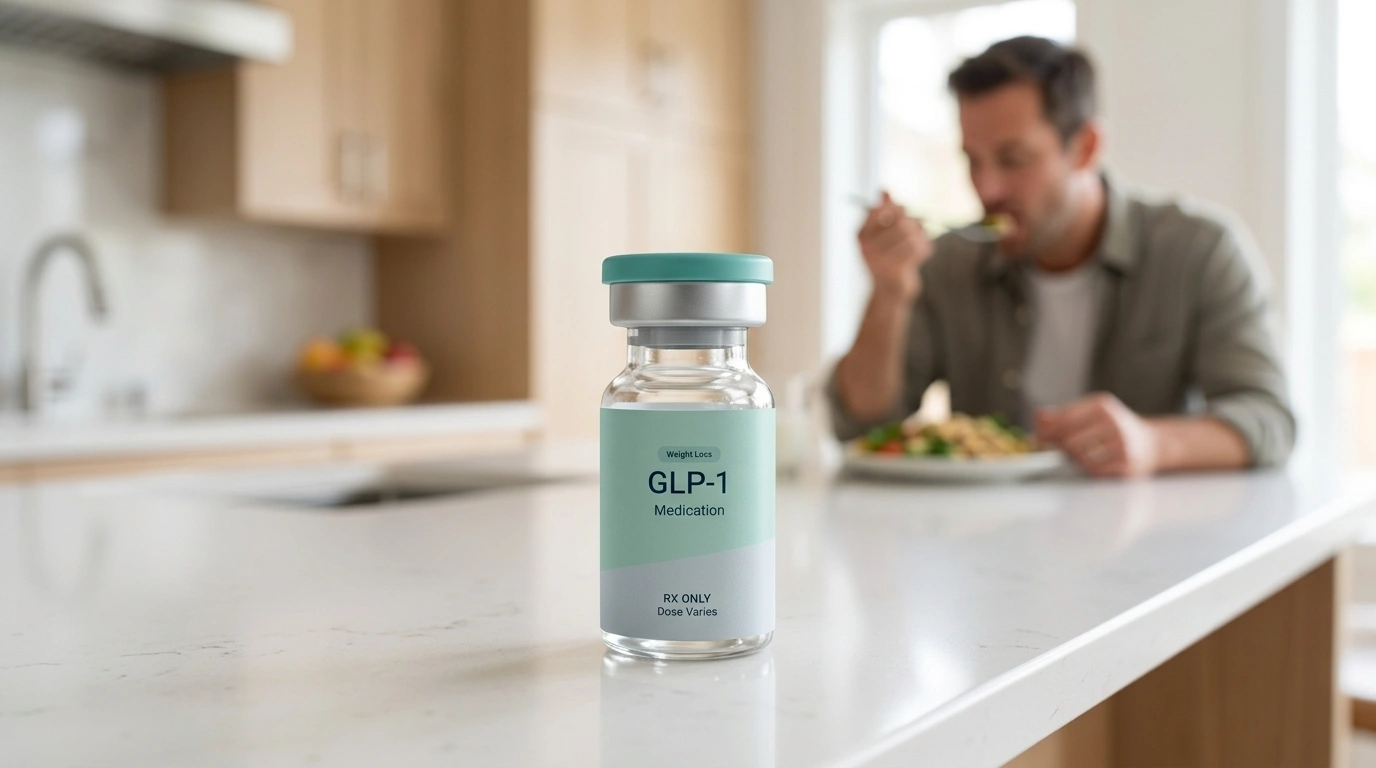
To understand if you can eat chips while on a GLP-1 medication, it helps to know how these drugs work in the body. Semaglutide, the active ingredient in Ozempic®, belongs to a class of drugs called glucagon-like peptide-1 (GLP-1) receptor agonists. This medication mimics a hormone your body naturally produces after you eat. It signals to your brain that you are full and tells your stomach to slow down.
This process is known as delayed gastric emptying. Essentially, the food you eat stays in your stomach for a longer period before moving into the small intestine. This is a primary reason why you feel satisfied with much smaller portions than before. However, because the food remains in the stomach longer, the composition of that food becomes very important. High-fat, greasy, or highly processed items like potato chips can become problematic when they sit in the stomach for an extended duration.
For a broader breakdown of how these medications affect appetite and fullness, the TrimRx article on how GLP-1 actually works for weight loss is a helpful companion read.
Quick Answer: Yes, you can technically eat chips while on Ozempic®, but many people find that high-fat, processed snacks trigger significant nausea or bloating. Because the medication slows digestion, greasy foods sit in the stomach longer, which may lead to gastrointestinal discomfort. It is best to enjoy them in very small portions or choose baked, lower-fat alternatives.
Why Chips Might Cause Discomfort
When you eat something high in fat and sodium, like traditional potato chips, your body usually works hard to break those fats down. Under normal circumstances, your stomach processes these fats and moves them along. When you are on a weight loss program that includes semaglutide or tirzepatide, that transit time is stretched out.
Fatty foods and nausea go hand-in-hand for many patients. Fats are naturally slower to digest than proteins or carbohydrates. When you add a medication that further delays this process, those fats can sit in the upper digestive tract. For many, this leads to a “heavy” feeling, acid reflux, or waves of nausea.
The role of sodium and bloating. Chips are notoriously high in salt. Sodium causes the body to retain water. When combined with the slowed digestion of a GLP-1 medication, this can lead to feeling unusually bloated or “puffy.” This can be frustrating when you are working hard to see progress on the scale and in how your clothes fit.
If you want a clearer look at meal planning on these medications, the TrimRx guide on what to eat on GLP-1 can help you make snack choices that feel more comfortable.
Key Takeaway: The discomfort associated with eating chips on a GLP-1 is usually a result of delayed gastric emptying. Fats sit in the stomach longer than other nutrients, which can trigger the brain’s “nausea center” as the digestive system feels overworked.
Common Side Effects Linked to High-Fat Snacking
If you decide to have a few chips, it is important to be aware of the signals your body might send. These side effects are often the body’s way of saying it is struggling to process the intake.
- Nausea: This is the most frequently reported side effect. It often occurs shortly after eating greasy or fried foods.
- Sulfur Burps: When food stays in the stomach too long, it can begin to produce gas. This often results in burps that have a distinct, unpleasant smell.
- Abdominal Pain: The pressure of undigested, high-fat food can cause cramping or a sharp feeling of fullness.
- Heartburn: Slowed digestion can cause stomach acid to back up into the esophagus, especially if you lie down shortly after snacking.
If you find that these symptoms are persistent, it is important to consult a licensed healthcare provider. They can help determine if your dosage is appropriate or if your dietary choices are the primary trigger. If you’re still deciding whether to begin treatment, take the free assessment quiz to see whether a personalized program fits your goals.
Navigating Branded and Compounded Medications
It is helpful to clarify the types of medications often discussed in this context. Ozempic®, Wegovy®, Mounjaro®, and Zepbound® are branded, trademarked medications. These are FDA-approved for specific uses, such as type 2 diabetes or chronic weight management. Our platform, TrimRx, provides a way for you to be evaluated by a doctor who can determine if these or other options are right for you.
In some cases, a provider may prescribe compounded semaglutide or compounded tirzepatide. These medications are prepared by FDA-registered and inspected compounding pharmacies. It is important to note that compounded medications themselves are not FDA-approved. They are, however, a common alternative when branded medications are in short supply or when a patient needs a specific preparation. Regardless of whether you use a branded or compounded option, the mechanism of action remains the same: slowed digestion and reduced appetite. This means the advice regarding chips and high-fat snacks applies to both.
For readers who want a deeper dive into side effects, the TrimRx article on tirzepatide side effects gives a useful overview of what many people experience during treatment.
Better Snack Alternatives for Weight Loss
The goal of a personalized weight loss program is not to eliminate snacks entirely, but to find options that nourish your body and keep your side effects at bay. When the “crunch” craving hits, there are several ways to satisfy it without the grease of traditional chips.
| Snack Type | Why It Works Better | Recommendation |
|---|---|---|
| Air-Popped Popcorn | High in fiber and low in fat. | Use a sprinkle of sea salt or nutritional yeast instead of butter. |
| Baked Veggie Chips | Lower in fat than fried versions. | Look for chips made from kale, beets, or carrots with minimal oil. |
| Roasted Chickpeas | High in protein and fiber. | These provide the “crunch” while supporting muscle maintenance. |
| Cucumber Slices | Hydrating and low-calorie. | Pair with a little tajin or lemon for a zesty flavor. |
| Rice Cakes | Low-fat and easy to digest. | Choose whole-grain versions for added fiber. |
The Importance of Protein in Your Snacks
When you are eating fewer calories, every bite counts. One of the risks of rapid weight loss is the loss of muscle mass. To prevent this, focus on snacks that include protein. Instead of reaching for a bag of chips, consider a piece of string cheese, a hard-boiled egg, or a few ounces of turkey breast. These options are much easier for your stomach to process while on a GLP-1 medication and provide the building blocks your body needs to stay strong.
Managing the Psychological Aspect of Cravings
Many people find that their desire for chips and other “junk foods” diminishes significantly once they start their program. This is often described as the silencing of “food noise.” However, old habits can still trigger a desire for a familiar snack.
If you find yourself craving chips, try the “wait and hydrate” method. Drink a glass of water and wait fifteen minutes. Because these medications can sometimes mask thirst as hunger, you might find the craving passes. If you still want the chips, try putting a small handful in a bowl rather than eating from the bag. This allows you to enjoy the flavor and texture without overdoing the fat content.
The TrimRx post on food noise and GLP-1 is a good read if you want to understand why cravings may feel quieter during treatment.
Bottom line: Your brain might still remember the pleasure of chips, even if your stomach no longer enjoys the work of digesting them. Practice mindful snacking by choosing small portions and paying close attention to how you feel after the first few bites.
Tips for Success on Your Personalised Program
Starting a medical weight loss journey is a big step. Whether you are using a prescription from a provider through TrimRx or focusing on lifestyle changes, consistency is key. Here are some steps you can take to minimize side effects and maximize results.
Step 1: Focus on hydration. / Drink at least 64 ounces of water daily. Dehydration can worsen nausea and lead to constipation, which are common when your digestion slows down.
Step 2: Eat slowly and chew thoroughly. / Give your brain time to receive the “full” signal. Since food moves slowly through your system, eating too fast can lead to painful overfullness.
Step 3: Prioritize protein and fiber. / Aim for a lean protein source at every meal. This helps maintain muscle and keeps your blood sugar stable.
Step 4: Keep a food journal. / Note which foods trigger discomfort. If chips lead to a rough afternoon, you will have a clear record to help you make different choices next time.
Step 5: Consult your specialist. / If you have questions about your symptoms or progress, reach out to your dedicated team. We provide access to specialists who can help you adjust your plan as needed.
Supporting Your Body Beyond Medication
While GLP-1 medications are a powerful tool, they are most effective when supported by a healthy lifestyle. This includes getting enough sleep, managing stress, and using targeted supplements if needed.
For some, supporting the digestive system is a top priority. We offer options like GLP-1 Daily Support, which is designed to provide essential nutrients that might be lacking when your appetite is reduced. Additionally, our Weight Loss Boost supplement can be a helpful addition for those looking to support their natural metabolic pathways.
Why Personalization is Essential
Every body reacts differently to weight loss medication. Some people can handle a small serving of chips without any issues, while others might feel sick for hours afterward. This is why a one-size-fits-all approach rarely works for long-term health.
A personalized program takes into account your medical history, your current health goals, and how your body responds to treatment. By working with the providers through our platform, you receive a plan tailored to your specific needs. This includes adjusting dosages when necessary and providing guidance on nutrition that fits your lifestyle. We believe that weight loss should be a supportive, empathetic process, not a series of rigid rules and frustrations.
For more context on how treatment choices can affect side effects, the TrimRx article on compounded semaglutide side effects offers a detailed look at what to expect.
The Role of Telehealth in Modern Weight Loss
The traditional model of weight loss often involves inconvenient office visits, waiting rooms, and limited time with a provider. TrimRx changes this by offering a telehealth-first approach. You can complete your assessment, speak with a licensed professional, and have your medication shipped directly to your door—all from the comfort of home.
Our platform is designed to be transparent and accessible. By merging clinical expertise with modern technology, we make it easier for you to stay committed to your journey.
Reimagining Your Relationship With Food
Using a GLP-1 medication is often a “reset” for many people. It provides a unique opportunity to look at your eating habits through a new lens. When the constant urge to snack is reduced, you can begin to choose foods based on how they make you feel and the energy they provide.
If chips were a “comfort food” for you in the past, you might find you no longer need that comfort in the same way. Or, you might find that the comfort they provide isn’t worth the physical discomfort that follows. This shift in perspective is a powerful part of the weight loss journey. It isn’t about punishment or restriction; it is about choosing what serves your body best.
Conclusion
Can you eat chips on Ozempic®? The answer is a cautious yes, but with a focus on moderation and self-awareness. While a few chips likely won’t derail your progress, the high fat and sodium content can lead to unpleasant side effects due to the way GLP-1 medications slow your digestion. By prioritizing protein, staying hydrated, and choosing nutrient-dense alternatives, you can support your body as it transforms.
Our mission at TrimRx is to provide you with the tools, medication, and clinical support necessary to make these lifestyle changes permanent. We believe in a science-backed, empathetic approach that puts you in control of your health. Whether you are just starting or looking to optimize your current routine, we are here to guide you every step of the way.
Key Takeaway: Listen to your body’s signals. If a specific snack consistently causes nausea or bloating, it is your body’s way of asking for a different fuel source. Focus on high-protein, high-fiber options to feel your best.
The next step in your journey is just a few clicks away. We invite you to take the free assessment quiz to see which personalized program is right for your health profile and goals.
FAQ
Why do chips make me feel sick while taking Ozempic®?
Chips are high in fat, and Ozempic® slows down the speed at which your stomach empties. When fatty foods sit in your stomach for a long time, they can cause nausea, bloating, and acid reflux. Most people find that eating smaller portions or choosing lower-fat snacks helps reduce these symptoms.
Are there any “safe” chips I can eat?
While “safe” varies by individual, baked chips or those made from vegetables like kale or beets are often better tolerated because they contain less oil. Air-popped popcorn is another excellent alternative that provides a satisfying crunch with much less fat. Always start with a very small serving to see how your body reacts.
Will eating chips stop my weight loss progress?
A single serving of chips will not stop your progress, but frequent snacking on high-calorie, low-nutrient foods can slow down your results. The medication helps by reducing your appetite, making it easier to choose healthier options. Focusing on protein and fiber will help you get the most out of your treatment program.
Should I talk to a doctor if I have bad side effects after eating certain foods?
Yes, if you experience severe or persistent gastrointestinal issues, you should consult a licensed healthcare professional. They can offer guidance on managing side effects or adjust your medication dosage if necessary. Our platform provides 24/7 access to a team of specialists to help you navigate these concerns.
Disclaimer: This content is for informational purposes only and does not constitute medical advice. It is not intended to diagnose, treat, cure, or prevent any disease or condition. Individual results may vary. Always consult a qualified healthcare professional before starting any weight loss program or medication.

Transforming Lives, One Step at a Time
Keep reading
I Took My Ozempic Two Days in a Row by Accident
Call for guidance now rather than waiting to see how you feel. In the United States, Poison Control is available free and around the…

Why Does My Ozempic Injection Sting More Some Weeks Than Others?
Because more variables change between injections than most people realize. Temperature of the medication, which site you used, how deep the needle went, how…

How to Store Your Ozempic Pen During a Power Outage
Keep the refrigerator door closed. An unopened refrigerator holds a safe temperature for roughly four hours, and a full freezer holds for considerably longer….


