Starting Strong: Does the Lowest Dose of Ozempic Work for Your Weight Loss Journey?
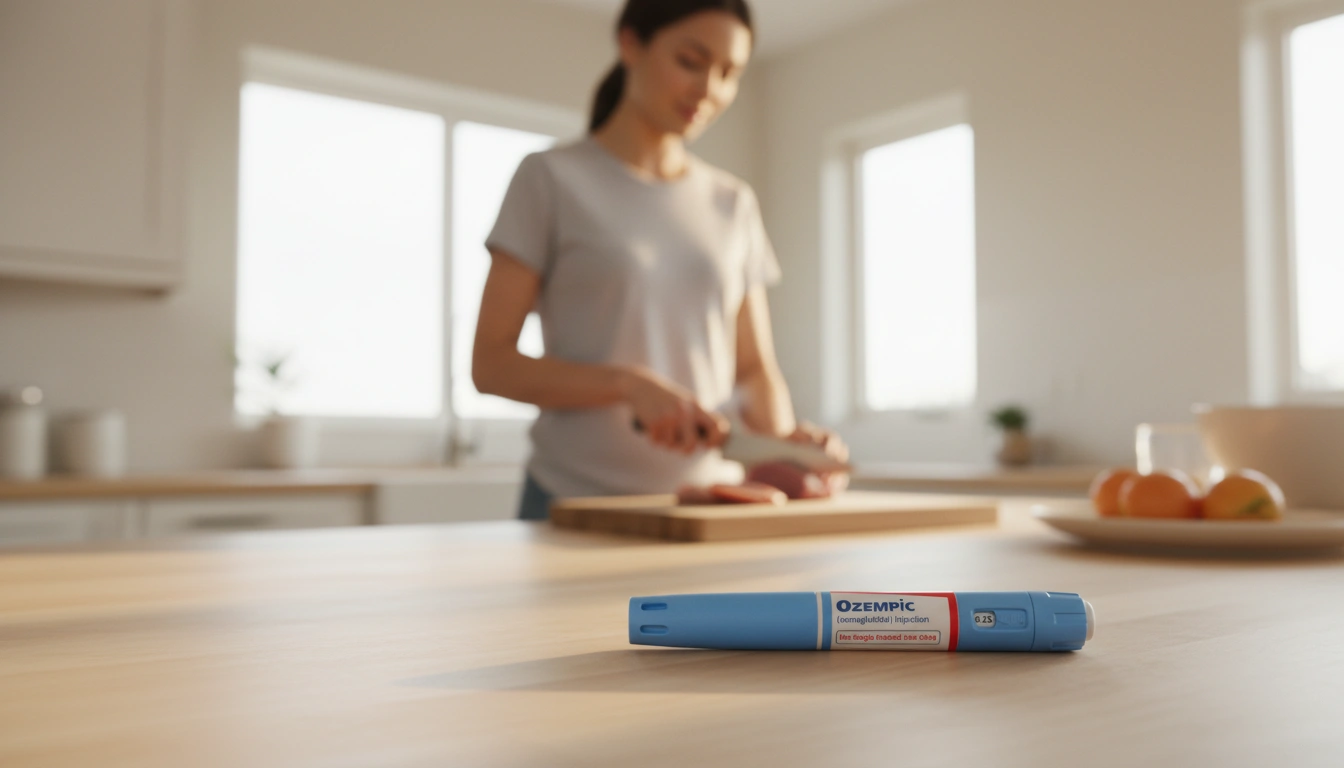
Embarking on a weight loss journey can feel like navigating a complex maze, often filled with questions about the most effective paths and tools available. As discussions around innovative weight management solutions grow, a common question emerges: does the lowest dose of medications like Ozempic truly work for weight loss? Many individuals begin a prescribed treatment regimen with eagerness, only to wonder if the initial, lower doses are genuinely making a difference. This curiosity is natural, as we all seek tangible progress and understanding of the science behind our health choices.
At TrimRx, our journey began with a shared vision to help individuals embrace healthier lifestyles by merging cutting-edge telehealth innovations with effective weight loss solutions. We understand that sustainable weight loss should be achieved through science, empathy, and a transparent approach. Our platform is a user-friendly and supportive space where individuals receive personalized, medically supervised care, all designed to make sustainable weight loss attainable and tailored to the individual. We believe that clarity and accurate information are the cornerstones of successful health outcomes.
This comprehensive guide aims to demystify the initial phases of treatment with medications like Ozempic. We will delve into the science behind semaglutide, explore the rationale behind its gradual dosing schedule—often referred to as “start low, go slow”—and set realistic expectations for what to anticipate at each stage. We will address the effectiveness of the lowest doses, discuss the potential pitfalls of unguided modifications like microdosing, and underscore the critical role of personalization and medical supervision in achieving safe and sustainable results. By the end, you will have a clearer understanding of your weight loss journey, equipped with knowledge that empowers informed decisions and highlights the unique, supportive approach we offer at TrimRx.
The Science Behind Semaglutide: More Than Just Appetite Control
The landscape of weight management has been significantly shaped by the advent of glucagon-like peptide-1 (GLP-1) receptor agonists, with semaglutide standing out as a prominent example. Understanding how these medications interact with your body is fundamental to appreciating the nuance of their dosing.
How GLP-1 Agonists Work
GLP-1 is a natural hormone produced in the gut that plays a crucial role in regulating blood sugar and appetite. Semaglutide, as a GLP-1 receptor agonist, mimics the action of this natural hormone. When administered, it binds to GLP-1 receptors in the body, initiating a cascade of beneficial effects.
Firstly, semaglutide stimulates the release of insulin from the pancreas in a glucose-dependent manner, meaning it only prompts insulin release when blood sugar levels are high. This mechanism helps to improve blood sugar control for individuals with type 2 diabetes. Secondly, it reduces glucagon secretion, a hormone that raises blood sugar, further contributing to glycemic management.
Beyond blood sugar regulation, semaglutide significantly impacts appetite and satiety. It slows down gastric emptying, meaning food stays in your stomach longer. This extended digestion contributes to a prolonged feeling of fullness, reducing overall calorie intake. Simultaneously, GLP-1 receptors in the brain influence hunger signals, helping to suppress appetite and reduce cravings. For many, this translates into eating less without feeling deprived, making adherence to a reduced-calorie diet more manageable.
Moreover, the benefits of GLP-1 agonists extend beyond just weight management and blood sugar control. For individuals with type 2 diabetes and established cardiovascular disease, branded semaglutide has been shown to reduce the risk of major cardiovascular events, such as heart attack and stroke. It also offers renal protection, reducing the risk of worsening kidney disease in this population. This multifaceted action underscores the profound impact these medications can have on overall metabolic health.
Ozempic vs. Wegovy: Understanding the Nuances
It is important to clarify the distinction between Ozempic and Wegovy, as both contain the active ingredient semaglutide but serve different primary purposes, as recognized by the FDA.
Ozempic is an FDA-approved medication primarily indicated for improving blood sugar control in adults with type 2 diabetes mellitus. It is also approved to reduce the risk of major cardiovascular events in adults with type 2 diabetes and established cardiovascular disease. While weight loss is a well-documented and significant side effect of Ozempic, it is not its primary FDA-approved indication. When a healthcare provider prescribes Ozempic for weight loss, it is considered “off-label” use, meaning it’s being used for a purpose other than its approved indication, based on scientific evidence supporting its efficacy.
Wegovy, on the other hand, is FDA-approved specifically for chronic weight management in adults with obesity or overweight with at least one weight-related comorbidity (such as high blood pressure, type 2 diabetes, or high cholesterol). It utilizes a higher maximum dose of semaglutide (2.4 mg per week) compared to Ozempic (2.0 mg per week for its approved indications), specifically tailored for its weight loss efficacy.
At TrimRx, we recognize that each individual’s needs are unique. We offer access to both branded medications like Ozempic® and Wegovy®, as well as compounded Semaglutide and Oral Semaglutide, through our personalized weight loss programs. Our commitment is to provide options through FDA-registered and inspected pharmacies, ensuring quality and safety. To discover which option might be right for you and your health goals, we encourage you to take our free assessment quiz.
The “Start Low, Go Slow” Approach: Why Titration Matters
The journey with medications like Ozempic begins with a carefully orchestrated process known as titration. This gradual increase in dosage is not arbitrary; it is a fundamental strategy designed for your comfort, safety, and long-term success.
The Rationale for Gradual Dosing
Imagine jumping straight into an intense exercise regimen without any warm-up. Your body would likely rebel with soreness and fatigue, making it difficult to continue. Similarly, introducing a powerful medication like semaglutide at its full therapeutic dose can overwhelm your system, leading to significant and often uncomfortable side effects.
The most common side effects associated with GLP-1 agonists are gastrointestinal in nature, including nausea, vomiting, diarrhea, and constipation. These symptoms arise as your body adjusts to the medication’s effects, particularly the slowed gastric emptying and changes in gut hormone signaling. By starting with a very low dose and incrementally increasing it over several weeks, you allow your body ample time to adapt. This “start low, go slow” approach significantly mitigates the severity and frequency of these side effects, making the treatment much more tolerable and increasing the likelihood that you will stick with the program long enough to see meaningful results.
At TrimRx, our commitment to transparent service means our approach remains consistent regardless of dosage changes. We prioritize your well-being, providing compassionate care that respects every individual’s unique journey. Our medically supervised programs are designed to guide you through titration with supportive care, ensuring that your experience is as smooth and effective as possible.
Understanding the Ozempic Dosing Schedule
The standard dosing schedule for Ozempic, when used for its approved indications or off-label for weight management, is a prime example of effective titration. It’s a methodical progression designed to optimize response while minimizing adverse reactions.
The Initial 0.25 mg Phase (Weeks 1-4): Acclimation, Not Primary Weight Loss
The very first step on this journey involves a starting dose of 0.25 mg once a week for the first four weeks. This initial phase is often referred to as the “acclimation period.” Its primary purpose is to gently introduce the medication to your system, allowing your body to begin adapting to the new physiological signals without being overwhelmed.
During these first four weeks, it is crucial to set realistic expectations. The 0.25 mg dose is generally not considered a therapeutic dose for significant weight loss. While some individuals might notice very subtle changes in appetite or satiety, substantial weight reduction is typically not expected during this initial month. This phase is about preparation, laying the groundwork for your body to successfully handle higher, more effective doses. It’s a foundational step, not the destination for immediate dramatic results.
Stepping Up to 0.5 mg (Weeks 5-8): Early Progress Begins
Following the initial acclimation period, your healthcare provider will typically recommend increasing the dose to 0.5 mg once a week for the subsequent four weeks. This is the next logical step in the titration process, gradually escalating the medication’s presence in your system.
At the 0.5 mg dose, many individuals may start to experience more noticeable effects. Appetite suppression can become more pronounced, and the feeling of fullness after meals may be more consistent. Consequently, some individuals may begin to see modest weight loss during this phase. Clinical studies, particularly those focused on semaglutide for type 2 diabetes, have shown that patients can experience some weight reduction even at the 0.5 mg and 1.0 mg doses. This stage marks the beginning of the medication’s more tangible impact, offering a glimpse of the progress to come. Successfully navigating this phase often involves combining the medication with thoughtful lifestyle choices, underscoring the importance of a holistic approach to weight management.
Reaching Therapeutic Doses: 1.0 mg and 2.0 mg (Month 3 and Beyond)
If you have tolerated the initial doses well and your healthcare provider determines it’s appropriate for your health goals, the dosage will typically increase further. After four weeks on 0.5 mg, you may progress to 1.0 mg once a week. If more weight loss or improved metabolic control is needed and tolerated, the dose may be increased to the maximum Ozempic dose of 2.0 mg per week.
These higher doses—1.0 mg and 2.0 mg—are considered the primary therapeutic or “maintenance” doses. This is where the most significant and sustained weight loss results are generally observed. Landmark clinical trials for semaglutide, such as the STEP 1 trial for Wegovy, demonstrated that participants taking the higher doses experienced an average body weight loss of nearly 15% over 68 weeks when combined with lifestyle interventions. This highlights that while the lower doses are crucial for adaptation, the full benefits for weight reduction typically manifest at these higher, more potent concentrations.
It’s important to remember that this progression is monitored closely by your healthcare provider. Your individual response to the medication, including its efficacy and any side effects, will dictate the pace and level of your dose increases. At TrimRx, we emphasize that weight loss is not a race to the highest dose, but a carefully managed process. Our medically supervised care ensures that your dosing schedule is personalized to your unique body and health objectives, maximizing results while prioritizing your comfort and safety. To explore a personalized treatment plan that includes prescription medications like Compounded Semaglutide, Oral Semaglutide, Ozempic®, Compounded Tirzepatide, Oral Tirzepatide, Mounjaro®, Zepbound®, or Wegovy®, we invite you to take our free assessment quiz.
Does the Lowest Dose of Ozempic Work for Weight Loss? Setting Realistic Expectations
The core question for many individuals considering or starting Ozempic is whether the lowest dose truly “works” for weight loss. The answer, while nuanced, is crucial for managing expectations and staying motivated throughout your journey.
The Role of the 0.25 mg Dose
As we’ve discussed, the 0.25 mg dose, taken once weekly for the first four weeks, serves a pivotal role in the treatment protocol. However, its primary function is not to induce substantial weight loss. Instead, this dose is designed for:
- Acclimation: It allows your body to gradually adjust to the medication, minimizing potential gastrointestinal side effects such as nausea, vomiting, or diarrhea that are common when initiating GLP-1 agonists.
- Safety: A slow introduction helps your system adapt more comfortably, reducing the likelihood of severe adverse reactions and improving overall tolerability.
While some individuals might report very subtle changes in appetite or satiety during this phase, it is generally unrealistic to expect significant numbers on the scale. The 0.25 mg dose lays the essential groundwork for successful long-term treatment by preparing your body for higher, more therapeutically effective doses. Therefore, thinking of this initial period as a “warm-up” rather than the main event is key to maintaining a positive mindset.
The 0.5 mg Dose: A Stepping Stone to Efficacy
When you progress to the 0.5 mg weekly dose, typically from weeks five to eight, the medication’s effects may become more discernible. At this stage:
- Appetite Suppression: Many individuals start to experience more consistent and noticeable reductions in appetite and increased feelings of fullness after meals. This can naturally lead to consuming fewer calories.
- Early Weight Loss: While not yet at the full therapeutic level, some individuals may begin to observe modest weight loss. Clinical data from studies focused on blood sugar control in type 2 diabetes has indicated that weight loss can occur at doses of 0.5 mg and 1.0 mg.
The 0.5 mg dose functions as a stepping stone. It indicates that your body is moving towards a more therapeutic range, but for many, it still represents a transitional period. Sustained and significant weight loss is often more consistently achieved at higher dosages. It’s a phase of increasing efficacy where lifestyle adjustments—such as incorporating a balanced diet and regular physical activity—become even more synergistic with the medication, amplifying the early changes.
What “Working” Truly Means: Beyond the Scale
When evaluating whether a dose “works,” it’s important to broaden our definition beyond just pounds lost. While weight reduction is a primary goal for many, the effectiveness of medications like Ozempic, even at lower doses, can manifest in other meaningful ways that contribute to overall health and pave the way for future success:
- Improved Satiety and Reduced Cravings: One of the most immediate benefits, even at lower doses, can be a reduction in incessant hunger and a greater sense of satisfaction from smaller meals. This fundamental shift in eating behavior is a crucial step towards sustainable weight management.
- Better Blood Sugar Control: For individuals with type 2 diabetes, the medication, even at lower doses, begins its work of improving glycemic control, an essential health outcome irrespective of weight loss.
- Enhanced Self-Efficacy: Successfully tolerating the medication and experiencing even subtle shifts in hunger cues can boost confidence and motivation, reinforcing adherence to the broader weight loss plan.
At TrimRx, we adopt a holistic view of well-being. Our results-oriented approach recognizes that true success encompasses not only the numbers on the scale but also improvements in metabolic health, energy levels, and overall quality of life. We believe that empowering you with a comprehensive understanding of your medication’s journey is vital for setting accurate expectations and celebrating every step of your progress. Our personalized programs are designed to support these multifaceted improvements, ensuring a truly transformative experience.
The Allure and Risks of Microdosing Ozempic
In the quest for efficient and cost-effective health solutions, the concept of “microdosing” has emerged, even for medications like Ozempic. While the idea of achieving benefits with minimal amounts can be appealing, it carries significant risks and is largely unsupported by scientific evidence for this specific application.
What is Microdosing?
Microdosing, in this context, refers to taking a lower dose of Ozempic than what is typically recommended by the manufacturer or prescribed by a healthcare provider, or administering the recommended dose less frequently. The intention behind such an approach is often to either mitigate side effects, extend the supply of the medication, or potentially achieve desired results with a smaller quantity. Discussions around microdosing semaglutide, sometimes relying on anecdotal reports or “click charts” for adjustable pens, have gained traction in informal online communities.
Why Microdosing is Generally Not Recommended
While the allure of microdosing might be strong, there are several critical reasons why this approach is not recommended and should be avoided without strict medical guidance:
- Lack of Scientific Evidence: The most significant drawback is the absence of robust clinical trials specifically studying Ozempic microdosing for safety and efficacy. The prescribed dosing schedules are the result of extensive research demonstrating optimal balance between benefits and side effects. Deviating from these proven protocols means operating in an uncharted territory where outcomes are unpredictable.
- Risk of Inaccurate Dosing: Ozempic pens are designed to deliver precise, pre-determined doses (e.g., 0.25 mg, 0.5 mg, 1 mg, 2 mg). Attempting to “split” a dose or rely on the number of clicks to achieve an intermediate, unapproved dosage significantly increases the risk of dosing errors. These errors can lead to either underdosing, rendering the medication ineffective, or inadvertent overdosing, which can exacerbate side effects. The manufacturer explicitly advises against relying on clicks for dose selection, reinforcing the need for adherence to prescribed amounts.
- Compromised Therapeutic Benefits: Ozempic’s ability to regulate blood sugar, suppress appetite for weight loss, and provide cardiovascular protection is dose-dependent. Taking sub-therapeutic doses through microdosing may blunt or entirely negate these crucial benefits. For individuals relying on the medication for blood sugar control or cardiovascular risk reduction, microdosing could have serious health consequences.
- Safety Concerns with Compounded Medications: The topic of microdosing can sometimes intertwine with compounded versions of semaglutide. While we partner exclusively with FDA-registered and inspected pharmacies to provide compounded medications (like compounded Semaglutide or Tirzepatide), it’s vital to clarify that compounded medications are not FDA approved. The FDA advises using compounded drugs only when an FDA-approved drug cannot meet a patient’s medical needs, due to the potential risks associated with them. Any deviation from prescribed dosages, whether with branded or compounded medications, must be medically supervised.
- Loss of Medical Supervision: Microdosing typically occurs outside the framework of medical supervision. This means that an individual undertaking such a regimen would miss out on crucial monitoring by a healthcare professional, who would otherwise assess efficacy, manage side effects, and make safe, informed adjustments.
At TrimRx, our steadfast commitment to safety by working exclusively with FDA-registered and inspected pharmacies for the shipping of weight loss medications ensures that you receive products that adhere to the highest standards. We emphasize that all treatment plans, especially those involving prescription medications, should be developed and continuously managed under the guidance of qualified healthcare professionals. Our innovative and trustworthy approach combines advanced medical science with modern technology to deliver compassionate, medically supervised care, prioritizing your health above all else. If you have questions about your dosage or treatment plan, always consult with your TrimRx healthcare provider.
Personalization is Paramount: Finding Your Optimal Dose with TrimRx
The journey to sustainable weight loss is deeply personal, and a “one-size-fits-all” approach rarely yields the best results. Medications like Ozempic are powerful tools, but their effectiveness is maximized when integrated into a personalized plan under expert medical supervision.
The Individualized Journey
Each person’s body responds differently to medication, influenced by a unique combination of genetics, metabolic profile, lifestyle habits, and co-existing health conditions. What constitutes an effective and tolerable dose for one individual may be too much or too little for another. Some may achieve significant weight loss at 1.0 mg, while others may require the full 2.0 mg dose. Similarly, some might experience minimal side effects, while others require more careful titration.
This inherent variability underscores why a rigid, pre-set dosage schedule is often adjusted in practice. The “best” dose for you is not necessarily the maximum dose; rather, it’s the lowest dose that provides meaningful results in terms of weight loss and improved health markers, while keeping side effects manageable and promoting long-term adherence. This delicate balance requires continuous assessment and adjustment.
The Role of Medical Supervision
Navigating the complexities of medication, especially powerful tools like GLP-1 agonists, necessitates expert medical guidance. At TrimRx, we believe that personalized, medically supervised care is the cornerstone of safe and effective weight loss. Our comprehensive service includes:
- Doctor Consultations: Qualified healthcare providers conduct thorough assessments of your medical history, current health status, and weight loss goals. This allows them to determine your eligibility for prescription medications and tailor a treatment plan specifically for you.
- Medication Management: Your TrimRx provider will prescribe the appropriate medication, such as Compounded Semaglutide, Oral Semaglutide, Ozempic®, Compounded Tirzepatide, Oral Tirzepatide, Mounjaro®, Zepbound®, or Wegovy®, initiating the titration process with care. They monitor your progress, evaluate side effects, and adjust your dosage safely and effectively to find your optimal therapeutic level.
- Lab Work: Essential lab tests are conducted to ensure the medication is suitable for you and to monitor your health throughout the treatment journey, reflecting our commitment to safety and efficacy.
- Unlimited Support: Our platform provides continuous support, allowing you to communicate with your healthcare team as needed. This ensures you have a trusted resource for questions, concerns, and adjustments, reinforcing our empathetic and supportive brand personality.
- Shipping with No Hidden Fees: We pride ourselves on transparent service, ensuring that your prescribed medications are shipped directly from FDA-registered and inspected pharmacies, with clear communication and no unexpected costs.
This integrated approach ensures that your weight loss journey is not only effective but also safe, medically sound, and deeply personalized to your individual needs. We do not provide actual medical supervision ourselves, but rather facilitate your access to licensed healthcare professionals who will oversee your care. To see if you qualify for our personalized prescription weight loss programs and benefit from this expert oversight, we encourage you to take our free assessment quiz.
Supporting Your Journey Beyond Medication
While prescription medications are powerful tools, they are most effective when integrated into a broader strategy that includes sustainable lifestyle adjustments. At TrimRx, we understand that medication is just one component of a holistic weight loss journey.
Our supportive environment encourages and empowers you to make thoughtful choices regarding your diet and physical activity. Medications like Ozempic help by regulating appetite and metabolism, making it easier to adhere to a calorie-controlled eating plan and find the motivation for movement. By combining advanced medical science with modern technology, we aim to help you build healthy habits that will contribute to long-term success, far beyond the initial treatment phase. Our personalized programs are designed to provide the foundation and ongoing support for these transformative changes, ensuring your journey is comprehensive and empowering.
Beyond Prescription Medications: Quick-Access Support from TrimRx
We understand that the path to wellness is diverse, and not everyone is ready for prescription medications or may be seeking complementary support for their overall health journey. At TrimRx, we offer quick-access supplements designed to provide immediate support for your metabolic health and weight loss efforts, without requiring a medical consultation or assessment quiz. These supplements are an excellent way to support your body’s natural processes or complement a weight management plan.
GLP-1 Daily Support: Complementary Wellness
Our GLP-1 Daily Support supplement is formulated to provide comprehensive support for metabolic health. It is designed with ingredients that can help maintain healthy blood sugar levels, support satiety, and contribute to a balanced metabolism. This supplement is an ideal choice for individuals looking for a natural way to support their body’s systems, whether as a standalone option or to complement other weight management strategies. It’s a proactive step towards fostering a healthier internal environment that aligns with your wellness goals.
Weight Loss Boost: Enhancing Your Efforts
For those looking to enhance their weight loss journey with additional support, our Weight Loss Boost supplement offers a targeted approach. This blend of ingredients is crafted to assist with energy levels, fat metabolism, and overall weight management efforts. It can be a valuable addition for individuals who are actively working on diet and exercise and seeking an extra push to achieve their goals. It’s about providing your body with the additional tools it needs to optimize its potential, supporting your dedication to a healthier lifestyle.
These quick-access supplements reflect our commitment to offering a range of solutions that cater to different needs and stages of the wellness journey. They are available for immediate purchase, empowering you to take charge of your health with readily accessible support from TrimRx.
Conclusion
The question “does the lowest dose of Ozempic work for weight loss?” is a common one, and understanding its answer is vital for anyone embarking on this health journey. We’ve explored that while the initial 0.25 mg dose is foundational for acclimation and side effect management, it is generally not the therapeutic dose for significant weight reduction. Modest changes may begin at 0.5 mg, but the most impactful results are typically observed at the higher, carefully titrated doses of 1.0 mg and 2.0 mg. This “start low, go slow” approach is a scientifically backed strategy, designed to ensure your comfort, minimize side effects, and foster long-term adherence to your treatment plan.
We also delved into the risks associated with unguided microdosing, highlighting the lack of scientific evidence, the potential for inaccurate dosing, and the compromise of therapeutic benefits. Such practices undermine the safety and efficacy that come with medically supervised care.
At TrimRx, we believe in a path to sustainable weight loss guided by science, empathy, and transparency. Our innovative and trustworthy approach combines advanced medical science with modern technology, offering compassionate, personalized, and medically supervised care. We provide access to prescription weight loss medications, including branded options like Ozempic® and Wegovy®, and compounded alternatives, all facilitated through FDA-registered and inspected pharmacies. Our comprehensive service, encompassing doctor consultations, lab work, unlimited support, and transparent shipping, is designed to support you at every step.
If you are considering prescription weight loss medications, we invite you to take the first step towards a healthier future by completing our free assessment quiz to determine your eligibility and receive a personalized treatment plan. For immediate support and to complement your wellness journey, explore our quick-access supplements: GLP-1 Daily Support and Weight Loss Boost. Together, we can achieve your weight loss goals safely and effectively, paving the way for a healthier, more vibrant you.
Frequently Asked Questions (FAQ)
Can I stay on the lowest dose of Ozempic indefinitely for weight loss?
The 0.25 mg dose of Ozempic is primarily an introductory dose for your body to adjust to the medication and minimize side effects. While some very minor appetite changes might occur, it is generally not considered a therapeutic dose for significant or sustained weight loss. Most individuals need to titrate up to higher doses (e.g., 1.0 mg or 2.0 mg) to achieve meaningful weight reduction. Staying on the lowest dose indefinitely would likely lead to suboptimal results and might not align with your weight loss goals. Always discuss your dosage with your TrimRx healthcare provider.
What should I do if I experience side effects on Ozempic?
Experiencing side effects, especially gastrointestinal ones like nausea or diarrhea, is common when starting Ozempic or increasing the dose. The “start low, go slow” titration strategy is designed to minimize these. If you experience uncomfortable side effects, it is crucial to communicate immediately with your TrimRx healthcare provider. They can offer strategies to manage symptoms, adjust your dosing schedule if appropriate, or explore alternative solutions to ensure your comfort and adherence to the program. Never self-adjust your dose.
How long does it typically take to see weight loss results on Ozempic?
Weight loss on Ozempic is a gradual process that varies from person to person. While the initial 0.25 mg dose is for acclimation, and some may notice minor changes at 0.5 mg, more significant and consistent weight loss is typically observed once you reach the higher therapeutic doses of 1.0 mg or 2.0 mg. This often means it can take two to three months or more before you see substantial results. Patience, consistent adherence to your medication schedule, and integration with lifestyle changes (diet and exercise) are key factors in achieving successful outcomes.
Does TrimRx offer other weight loss medications besides Ozempic?
Yes, TrimRx offers a comprehensive range of prescription weight loss medications through our personalized programs. These include Compounded Semaglutide, Oral Semaglutide, Ozempic®, Compounded Tirzepatide, Oral Tirzepatide, Mounjaro®, Zepbound®, and Wegovy®. All prescription medications are provided through FDA-registered and inspected pharmacies. To determine which medication might be suitable for your unique health profile and weight loss goals, we highly recommend taking our free assessment quiz. Additionally, we offer quick-access supplements like GLP-1 Daily Support and Weight Loss Boost for immediate support.

Transforming Lives, One Step at a Time
Keep reading

Ozempic Results After One Year: What Long-Term Use Looks Like
A full year on Ozempic puts you in a category that most weight loss approaches never reach: sustained, medically supported treatment that has had…

Ozempic Results at 6 Months: Progress and What Comes Next
Six months on Ozempic is a significant milestone. By this point, most patients have reached a therapeutic dose, worked through the early adjustment period,…

Ozempic Results at 3 Months: What to Realistically Expect
Three months into Ozempic, most people are starting to see results that feel genuinely meaningful. By this point you’ve moved through the starting dose,…


