Stopping Wegovy: What to Expect
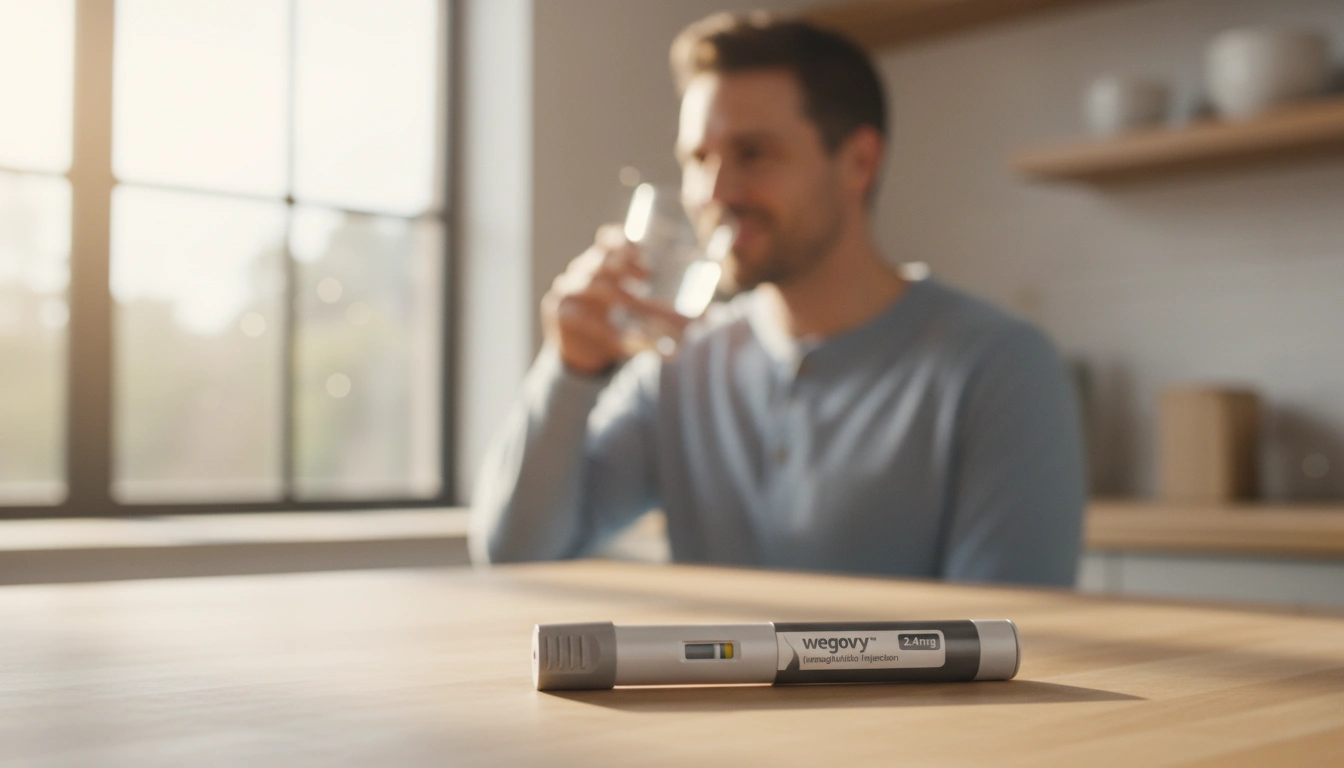
When you stop taking Wegovy, your appetite returns to its pre-medication level within a few weeks, and the majority of people regain a significant portion of their lost weight over the following year. The STEP 1 extension data showed participants regained roughly two-thirds of lost weight within twelve months of discontinuation. That pattern holds regardless of how much weight you lost or how long you were on the medication.
This isn’t a scare tactic to keep you on the drug. It’s the biological reality of how obesity works as a chronic condition. The hormonal signals that drove weight gain before Wegovy don’t reset just because you spent a year on medication. They’re waiting, and when the pharmacological suppression lifts, they pick up right where they left off.
Knowing this upfront lets you make a clear-eyed decision about whether stopping makes sense for your situation, and if it does, how to do it in a way that minimizes the fallout.
The Clearance Timeline
Semaglutide, the active ingredient in Wegovy, has a half-life of approximately seven days. After your last 2.4 mg injection, the medication takes roughly five to seven weeks to fully leave your system. The effects don’t vanish overnight. They fade in stages.
During weeks one and two, most people feel essentially normal. There’s still enough semaglutide circulating to maintain meaningful appetite suppression. You might not notice any difference at all.
Weeks three and four mark the transition zone. Hunger starts knocking louder. The food noise, that mental chatter about snacks and meals and what’s in the fridge, begins rebuilding. Portions that felt completely adequate start feeling like they’re missing something. You might catch yourself opening the pantry out of habit rather than hunger, something that probably hadn’t happened in months.
By weeks five through seven, the medication is functionally gone. Your appetite is back at baseline. Gastric emptying has normalized, meaning food moves through faster and satiety after meals doesn’t last as long. The biological environment is essentially identical to where it was before you started Wegovy.
This timeline is slightly longer than what people experience stopping Mounjaro, since tirzepatide clears a bit faster. But the destination is the same.
What the Research Actually Shows
The STEP 1 trial extension, published by Wilding et al. in Diabetes, Obesity and Metabolism (2022), remains the definitive study on semaglutide discontinuation. After 68 weeks of treatment at 2.4 mg, participants who stopped the medication were tracked for an additional year. The findings were unambiguous.
Average weight regain was approximately two-thirds of what had been lost. A participant who lost 33 pounds on Wegovy could expect to regain around 22 pounds within a year of stopping. And the regain wasn’t limited to body weight. Improvements in waist circumference, blood pressure, lipid levels, and glycemic markers all eroded alongside the weight regain.
The STEP 5 trial offers the counterpoint. Participants who stayed on semaglutide 2.4 mg for two full years maintained their weight loss throughout. Weight stabilized around week 60 and held steady through week 104. The contrast between the two studies tells the whole story: staying on works, stopping doesn’t, for most people.
Some individuals do maintain a portion of their weight loss after stopping, particularly if they lost a modest amount and made substantial lifestyle changes during treatment. But they’re the exception. Planning to be the exception is not a strategy.
The Physical Changes You’ll Notice
Beyond the scale, stopping Wegovy triggers a cascade of physical shifts that are worth anticipating.
Hunger intensity increases in a way that can feel almost aggressive. On Wegovy, many people describe hunger as a gentle suggestion, easy to acknowledge and defer. Off Wegovy, hunger becomes a demand. The hormonal signals (increased ghrelin, decreased GLP-1, altered leptin sensitivity) create a biological urgency around eating that willpower alone struggles to match.
Gastric emptying speed returns to normal. This is one of those effects you probably stopped thinking about while on the medication. Food moves through your stomach faster, which means you feel full for a shorter period after meals. Where lunch used to carry you comfortably to dinner, you might find yourself hungry by 3 PM. Snacking increases naturally as a result.
Energy and blood sugar patterns shift. Semaglutide helps stabilize glucose even in people without diabetes. After stopping, you may notice more energy fluctuations throughout the day, particularly the mid-afternoon dip that sends people reaching for sugar or caffeine. These swings can drive eating patterns that accelerate regain.
GI symptoms resolve. If you dealt with nausea, constipation, bloating, or sulfur burps while on Wegovy, those clear up within a few weeks of your last dose. For people whose side effects were persistent and uncomfortable, this is a genuine benefit of stopping.
Sleep and mood may shift. Some people report sleeping better on Wegovy due to reduced sleep apnea symptoms from weight loss. If weight returns, those improvements can reverse. Similarly, the confidence and psychological relief that came with weight loss may be challenged as the scale moves in the other direction.
Common Reasons People Stop
Understanding why people discontinue helps you evaluate whether your own reasons warrant stopping or whether there’s a better path.
Cost is the top reason. Wegovy’s list price exceeds $1,300 per month without insurance. Coverage is inconsistent, and even insured patients face prior authorizations, step therapy requirements, and annual renewals that can disrupt treatment. If cost is pushing you toward stopping, compounded semaglutide through TrimRx offers the same active ingredient at a fraction of the price. Switching formulations is almost always better than stopping entirely.
Side effects that don’t improve drive some people to quit. Persistent nausea or GI issues that last beyond the dose escalation phase can make the medication feel unsustainable. Before stopping, ask your provider about stepping down to 1.7 mg or even 1.0 mg. A lower dose with tolerable side effects beats no dose at all for weight maintenance.
Feeling “done” after reaching a goal weight is the most common but least medically sound reason. The instinct makes sense: you hit your target, the problem feels solved, and continuing medication feels unnecessary. But the data on how long you can stay on Wegovy consistently shows that the medication is what’s maintaining the result. Remove it and the result fades.
Pregnancy planning is a clear medical reason to stop. Semaglutide should be discontinued at least two months before attempting to conceive. Work with your provider to plan this transition carefully.
Supply shortages, which have been an intermittent issue since Wegovy’s launch, sometimes force unplanned gaps. If you can’t get your medication, talk to your provider immediately about alternatives rather than simply going without.
How to Stop with a Plan
If stopping is the right call for your circumstances, doing it thoughtfully can make a real difference in how the transition goes.
Taper your dose over several weeks. Stepping from 2.4 mg down to 1.7 mg, then to 1.0 mg, then to 0.5 mg over the course of a month or more gives your body a gradual adjustment period. Cold-stopping from 2.4 mg creates a sharper hormonal shift that can make appetite rebound feel more intense.
Cement your habits before you stop, not after. The appetite suppression Wegovy provides creates an ideal window for building sustainable routines around nutrition, movement, and sleep. If you know you’re going to stop, use the remaining weeks on medication to lock in high-protein meal patterns, consistent exercise, and structured eating schedules. These habits won’t prevent regain entirely, but they provide a framework that can slow it.
Set monitoring checkpoints. Weigh yourself weekly at the same time, on the same day, under the same conditions. Track the trend, not individual data points. Decide in advance what level of regain triggers a call to your provider. Five pounds might be normal fluctuation. Ten to fifteen pounds sustained over a month is a trend that warrants attention.
Prepare mentally. The return of food noise can feel demoralizing, especially after months of relative peace around eating. Knowing it’s coming doesn’t make it painless, but it does remove the surprise. Some people benefit from working with a therapist or counselor during this transition, particularly if their relationship with food has been complicated historically.
Better Alternatives to Stopping Completely
For most people, the question shouldn’t be “how do I stop Wegovy” but “how do I continue treatment in a way that works.”
If cost is the issue, switching to compounded semaglutide eliminates the insurance variable and can cut your monthly expense significantly. TrimRx provides compounded options with provider support built in.
If Wegovy isn’t producing the results you want, switching to tirzepatide might be the answer. Tirzepatide’s dual mechanism produces greater average weight loss in clinical trials, and some people respond better to one medication than the other.
If your Wegovy maintenance dose feels too high and side effects are the issue, work with your provider on a dose reduction rather than a full stop. Even 1.0 mg of semaglutide provides appetite support that’s measurably better than zero.
If you’ve hit a plateau and frustration is driving the desire to quit, know that plateaus are a normal part of the weight loss trajectory, not a sign the medication has stopped working. Your provider can help you troubleshoot rather than abandon ship.
The through-line across all of these options is continuity. Any form of continued GLP-1 treatment outperforms stopping in virtually every measurable outcome. If your current approach isn’t sustainable, change the approach. Don’t drop the treatment.
Ready to explore a sustainable plan that keeps your results intact? Take the intake quiz to connect with a TrimRx provider who can help you find the right path forward.
This information is for educational purposes and is not medical advice. Consult with a healthcare provider before starting any medication. Individual results may vary.

Transforming Lives, One Step at a Time
Keep reading

Managing Your Schedule: How Long Can You Go In Between Wegovy Shots for Success?
Wondering how long can you go in between Wegovy shots? Learn the 5-day safety rule, how to handle missed doses, and when to consult a doctor to protect your progress.

Balancing Your Plate: Can I Eat Steak on Wegovy for Best Results?
Wondering, can i eat steak on wegovy? Learn how to enjoy red meat without the side effects. Discover the best lean cuts and tips for better digestion on GLP-1s.

Fueling Your Journey: What Foods to Eat When Taking Wegovy for Best Results
Discover what foods to eat when taking Wegovy to maximize weight loss and reduce side effects. Learn how to build a nutrient-dense plate for long-term success.


