Sulfur Burps from Ozempic: Causes and Effective Remedies
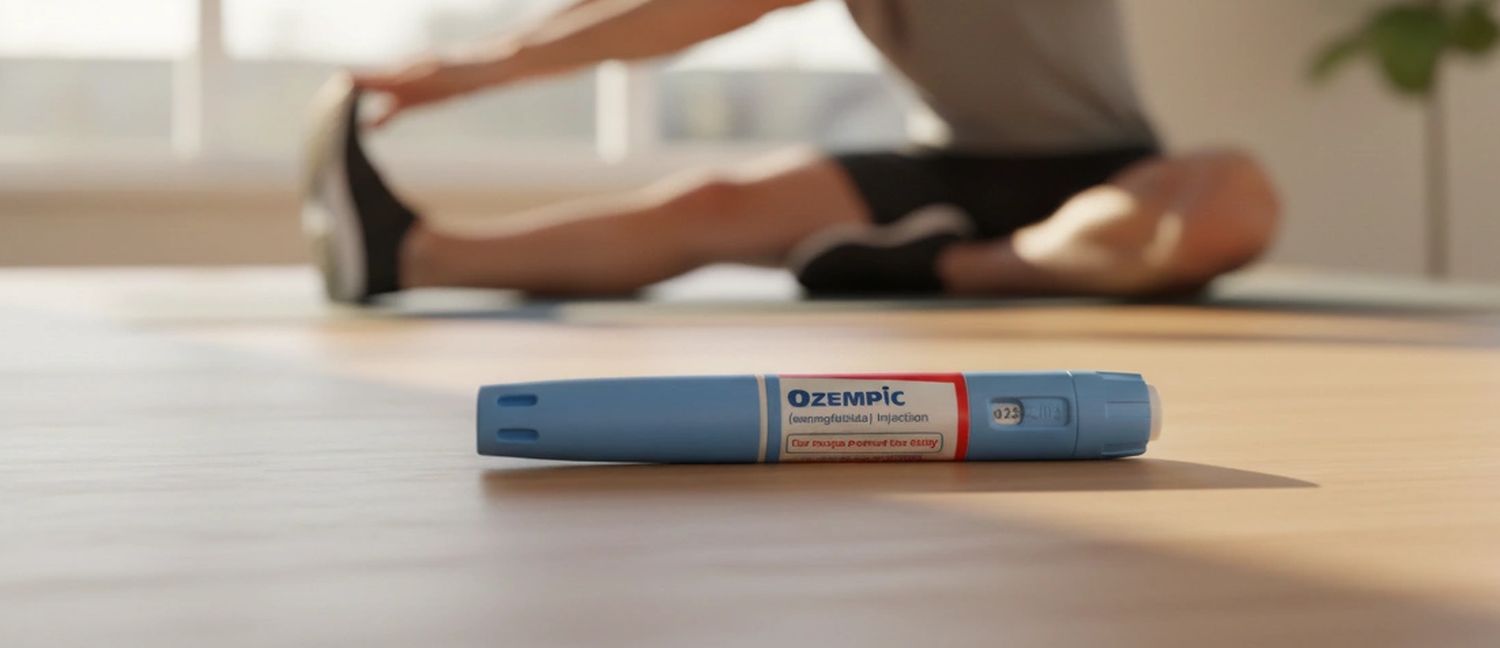
If you’ve experienced sulfur burps on Ozempic, you know exactly how unpleasant they are. That distinctive rotten egg smell and taste, the embarrassment of burping around others, the accompanying nausea, and the worry that something is seriously wrong can all make this side effect particularly distressing.
Here’s what you need to know upfront: sulfur burps affect roughly 5% to 10% of people taking Ozempic, making them less common than nausea but more common than you might think based on how little they’re discussed. They’re caused by hydrogen sulfide gas produced when protein breaks down in your digestive system, a process that becomes more noticeable when Ozempic dramatically slows gastric emptying. While unpleasant and sometimes embarrassing, sulfur burps are usually manageable with dietary adjustments and rarely indicate serious problems.
This guide explains exactly why Ozempic causes sulfur burps, when they typically occur, proven strategies to prevent them, effective remedies when they do happen, and when these burps warrant medical attention.

Key Takeaways: Sulfur Burps and Ozempic
- Sulfur burps affect approximately 5% to 10% of people taking Ozempic
- Caused by hydrogen sulfide gas from protein breakdown in slowed digestive system
- Most common during first weeks of treatment and after dose increases
- Usually temporary, improving within days to weeks at each dose level
- Dietary modifications are the most effective prevention strategy
- Reducing protein portion sizes and avoiding sulfur-rich foods helps significantly
- Over-the-counter remedies like bismuth subsalicylate can provide relief
- Rarely indicate serious medical problems but persistent cases warrant evaluation
What Are Sulfur Burps?
Sulfur burps are belches that carry a distinctive smell and taste of rotten eggs or spoiled food. The technical term is “eructation with hydrogen sulfide,” though most people simply call them sulfur burps or rotten egg burps.
The characteristic smell comes from hydrogen sulfide gas, the same compound that gives rotten eggs their notorious odor. When you burp and this gas escapes from your stomach and esophagus, you experience both the smell (which others around you might notice) and the taste (which only you experience, thankfully).
Beyond the odor and taste, sulfur burps often come with other unpleasant sensations including bloating and abdominal discomfort, nausea that can range from mild to severe, a foul taste in your mouth that lingers even after the burp, occasional acid reflux or heartburn, and sometimes diarrhea or loose stools.
The experience is distinctly different from normal burps. Regular burps might smell slightly of whatever you recently ate or drank, or have no particular odor. Sulfur burps have an unmistakable rotten quality that’s hard to miss and harder to ignore.
For many people, sulfur burps are not just physically uncomfortable but also embarrassing. The fear of burping around others when the burps smell terrible can cause social anxiety and make you avoid situations where you might need to eat.
Why Ozempic Causes Sulfur Burps
Understanding the mechanism helps you prevent and manage this side effect effectively.
Delayed Gastric Emptying
The primary reason Ozempic causes sulfur burps relates to its main mechanism of action. Semaglutide dramatically slows how quickly food moves from your stomach into your small intestine. This delayed gastric emptying is actually therapeutic, as it helps you feel full longer and contributes to weight loss.
However, when food sits in your stomach for extended periods, protein-rich foods have more time to break down. As proteins decompose, they release sulfur compounds including hydrogen sulfide gas. Normally, food moves through your stomach relatively quickly, limiting this breakdown process. On Ozempic, food can sit in your stomach for hours longer than usual, giving bacteria more opportunity to break down proteins and produce hydrogen sulfide.
Bacterial Fermentation
Your stomach and upper digestive tract contain various bacteria. While the concentration is much lower than in your colon, these bacteria become more active when food sits stagnant. As bacteria metabolize proteins, particularly those containing sulfur-containing amino acids like cysteine and methionine, they produce hydrogen sulfide as a byproduct.
The slower your stomach empties, the more time bacteria have to work on the food, and the more hydrogen sulfide accumulates. When this gas builds up, your body releases it through burping.
Dietary Protein Content
High-protein meals exacerbate the problem because they provide more substrate for bacterial breakdown. Many people starting Ozempic increase protein intake to preserve muscle mass during weight loss, which is generally good advice. However, eating large amounts of protein in a single meal when your stomach empties slowly creates ideal conditions for sulfur burp production.
Certain proteins are particularly problematic. Red meat contains high levels of sulfur-containing amino acids. Eggs are notorious sulfur burp triggers. Dairy products can contribute in susceptible individuals. Cruciferous vegetables like broccoli, cauliflower, and Brussels sprouts contain sulfur compounds. Garlic and onions contain sulfur compounds that can contribute.
Changes in Gut Motility
Beyond just slowing gastric emptying, Ozempic affects motility throughout your entire digestive tract. Changes in how quickly food moves through your intestines, alterations in gut bacteria populations, and modifications to digestive enzyme secretion all potentially contribute to increased gas production and sulfur burps.
Individual Variation
Not everyone experiences sulfur burps on Ozempic despite the universal effect on gastric emptying. Individual factors influencing susceptibility include baseline gut bacteria composition, which varies tremendously between individuals, natural digestive enzyme levels, dietary patterns and typical protein intake, stomach acid production levels, and genetic factors affecting sulfur metabolism.
For comprehensive information about all Ozempic side effects, see our complete guide to semaglutide side effects.
When Sulfur Burps Typically Occur
Understanding the timeline helps you anticipate and prepare for this side effect.
First Few Weeks of Treatment
Sulfur burps commonly appear during the first 1 to 3 weeks after starting Ozempic. Your digestive system is encountering dramatically slowed gastric emptying for the first time. Food sits in your stomach much longer than you’re accustomed to, creating ideal conditions for sulfur gas production.
The burps might appear within days of your first injection or take a week or two to develop. They often occur several hours after eating, particularly after protein-rich meals. Many people notice them most in the evening after dinner or overnight.
After Dose Increases
Each time you increase your Ozempic dose, sulfur burps might return even if they’d resolved at your previous dose. Higher doses create even slower gastric emptying, restarting the cycle of delayed protein breakdown and hydrogen sulfide production.
The pattern mirrors other side effects: worst during the first week at a new dose, gradual improvement over weeks 2 and 3, often resolution or significant improvement by week 4 at the same dose.
After Certain Meals
Even after adapting to a stable Ozempic dose, you might occasionally experience sulfur burps after particularly problematic meals. Eating large portions of protein despite feeling full, consuming sulfur-rich foods like eggs or red meat, eating high-fat meals which slow digestion even further, or combining multiple trigger foods in one meal can all provoke sulfur burps even when you’ve generally adapted to the medication.
Less Common: Chronic Pattern
A small percentage of people experience persistent sulfur burps throughout Ozempic treatment. For these individuals, the burps don’t improve significantly over time despite dietary modifications. This pattern is frustrating and might eventually influence decisions about continuing treatment.
Prevention Strategies: Stopping Sulfur Burps Before They Start
Prevention works better than trying to fix sulfur burps after they’ve already begun.
Eat Smaller Protein Portions
Instead of eating 8 ounces of chicken breast in one meal, have 3 to 4 ounces. Split your protein intake across more meals throughout the day rather than concentrating it in one or two large protein servings. Aim for 20 to 30 grams of protein per meal rather than 50+ grams at once.
Your slowed stomach can handle small amounts of protein better than large boluses. Frequent smaller protein portions prevent the accumulation of partially digested protein sitting in your stomach for hours.
Avoid High-Sulfur Foods
Certain foods are notorious sulfur burp triggers. Try reducing or eliminating eggs, which are one of the most common triggers reported by Ozempic users. Red meat, particularly beef, contains high sulfur content. Cruciferous vegetables like broccoli, cauliflower, Brussels sprouts, and cabbage contribute sulfur compounds.
Garlic and onions, while flavorful, can trigger sulfur burps in susceptible people. Dairy products cause problems for some individuals, particularly those with mild lactose intolerance. Processed meats like bacon, sausage, and deli meats often contain sulfur-based preservatives.
You don’t necessarily need to eliminate these foods entirely. Experiment to identify your specific triggers. You might find you tolerate chicken but not beef, or that small amounts of these foods are fine but larger portions cause problems.
Choose Easily Digestible Proteins
Some proteins digest more easily than others in a slowed stomach. White fish like cod, tilapia, or halibut is generally well-tolerated. Chicken breast is usually easier to handle than dark meat or thighs. Turkey is another lean protein that many people tolerate well.
Plant-based proteins like tofu often cause fewer sulfur burps than animal proteins. Protein shakes, particularly whey protein isolate, are pre-digested and might sit better. Greek yogurt provides protein in a form many people tolerate well.
Eat More Slowly and Chew Thoroughly
Taking time to chew food thoroughly initiates digestion in your mouth, reducing the work your stomach must do. Eating slowly also helps you stop when satisfied rather than overeating, which exacerbates all digestive side effects.
Put your fork down between bites. Aim for meals lasting 20 to 30 minutes rather than rushing through in 5 minutes. This mindful eating approach supports better digestion on Ozempic.
Stay Well Hydrated
Adequate water intake supports all digestive processes. Dehydration thickens digestive secretions and slows gut motility even further. Drink water consistently throughout the day, aiming for at least 64 to 80 ounces daily.
Sipping water with meals helps, but avoid drinking large amounts during meals as this can contribute to bloating and discomfort when your stomach empties slowly.
Time Your Protein Intake Strategically
Having your largest protein portion earlier in the day rather than at dinner gives your system more waking hours to process it. Avoid large protein meals within 3 to 4 hours of bedtime. The horizontal position during sleep can worsen sulfur burps and reflux.
Consider Digestive Enzymes
Some people find that taking digestive enzyme supplements with meals helps break down protein more efficiently, reducing bacterial fermentation and gas production. Look for broad-spectrum enzymes containing protease for protein digestion, lipase for fat digestion, and amylase for carbohydrate digestion.
Take enzymes at the beginning of meals. They’re available over-the-counter at pharmacies and health food stores. While evidence for their effectiveness in preventing sulfur burps specifically is limited, some people report benefit.
Effective Remedies When Sulfur Burps Occur
Despite your best prevention efforts, sulfur burps might still occur. These strategies help manage them when they do.
Bismuth Subsalicylate (Pepto-Bismol)
This over-the-counter medication is the most effective remedy for sulfur burps. Bismuth subsalicylate binds to hydrogen sulfide in your stomach, neutralizing the gas before it causes burps. It also has antibacterial properties that can reduce the bacteria producing hydrogen sulfide.
Take the recommended dose at the first sign of sulfur burps. Follow package directions for dosing frequency. Many people notice improvement within 30 to 60 minutes.
Be aware that bismuth subsalicylate temporarily turns your tongue and stool black, which is harmless but alarming if you’re not expecting it. Don’t use it if you’re allergic to aspirin, as it contains a salicylate compound.
Activated Charcoal
Activated charcoal absorbs gases in your digestive tract, potentially reducing sulfur burps. Take 500 to 1,000 mg at the first sign of symptoms.
Be aware that activated charcoal also absorbs medications, so take it at least 2 hours away from your Ozempic injection or any other medications. It can cause constipation if used regularly.
Baking Soda
A teaspoon of baking soda dissolved in a glass of water can help neutralize stomach acid and gas. This old-fashioned remedy works for some people, though the taste is unpleasant.
Don’t use this regularly as excessive baking soda can disrupt your electrolyte balance. It’s safe for occasional use when sulfur burps strike.
Peppermint or Ginger
Peppermint tea or ginger tea can help settle your stomach and potentially reduce burping. Peppermint oil capsules (enteric-coated so they don’t dissolve in your stomach) help some people. Ginger in various forms including tea, candies, or supplements has natural digestive benefits.
These remedies are gentle and safe for regular use, though their effectiveness for sulfur burps specifically varies individually.
Probiotics
Taking a high-quality probiotic supplement might help rebalance gut bacteria and reduce hydrogen sulfide production over time. This isn’t a quick fix when sulfur burps occur but might reduce their frequency with consistent use.
Look for multi-strain probiotics with at least 10 billion CFU. Take them daily, preferably with food.
Simethicone
This anti-gas medication (Gas-X, Mylicon) helps break up gas bubbles, making them easier to expel. While primarily marketed for bloating, some people find it helps with sulfur burps.
It’s safe and available over-the-counter. Take as directed on the package when symptoms occur.
Walking After Meals
Gentle movement after eating can help stimulate digestion and move food through your system. A 15 to 20 minute walk after meals might reduce the likelihood of sulfur burps developing hours later.
Avoid vigorous exercise immediately after eating, as this can worsen digestive discomfort, but gentle walking is beneficial.
Apple Cider Vinegar
Some people swear by a tablespoon of apple cider vinegar in water before meals to improve digestion. The acid might help break down proteins more efficiently.
Evidence is anecdotal rather than scientific, but it’s generally safe to try. Dilute it well as undiluted vinegar can damage tooth enamel and irritate your esophagus.
For information about managing other digestive issues on Ozempic, see our complete guide to Ozempic nausea.
Foods to Avoid When Prone to Sulfur Burps
Certain foods are notorious triggers worth avoiding if you’re susceptible to sulfur burps.
High-Sulfur Proteins
Eggs are the most commonly reported trigger. The sulfur compounds in eggs make them particularly problematic. Red meat, especially beef, contains high levels of sulfur-containing amino acids. Pork can also be problematic, though generally less so than beef.
Processed and cured meats like bacon, sausage, ham, and deli meats often contain sulfur-based preservatives that exacerbate the problem.
Sulfur-Rich Vegetables
Cruciferous vegetables including broccoli, cauliflower, Brussels sprouts, cabbage, kale, and bok choy all contain significant sulfur compounds. Garlic and onions are high in sulfur. Asparagus contains sulfur compounds that make it a common trigger.
These are nutritious vegetables you don’t necessarily need to eliminate forever, but reducing them while adjusting to Ozempic or when experiencing sulfur burps makes sense.
Dairy Products
Milk, cheese, and yogurt can contribute to sulfur burps in some people, particularly those with mild lactose intolerance. The protein in dairy combines with slowed digestion to create problems.
Interestingly, some people tolerate Greek yogurt better than regular dairy, possibly because the fermentation process pre-digests some of the protein.
Certain Supplements
Protein powders, particularly whey protein concentrate (as opposed to isolate), can trigger sulfur burps. Collagen supplements cause problems for some people. Some vitamins and supplements contain sulfur compounds or additives that contribute to the issue.
High-Fat Foods
While fat itself doesn’t contain sulfur, fatty foods slow digestion even further. When combined with protein, this creates ideal conditions for sulfur burp production. Fried foods, heavy cream sauces, fatty cuts of meat, and rich desserts can all exacerbate the problem.
When Sulfur Burps Warrant Medical Attention
Most sulfur burps are uncomfortable but not medically concerning. However, certain situations require evaluation.
Persistent Severe Symptoms
If sulfur burps are so frequent and severe that they significantly impair your quality of life despite all dietary modifications and remedies, discuss this with your provider. While not dangerous, quality of life matters. Your provider might suggest dose adjustment, trying a different GLP-1 medication, or additional interventions.
Accompanying Concerning Symptoms
Seek medical attention if sulfur burps occur with severe abdominal pain, particularly if sharp or worsening, persistent vomiting that prevents adequate hydration, bloody or black tarry stools (unless you’re taking bismuth subsalicylate, which causes harmless black stools), fever above 100.4°F, severe diarrhea causing dehydration, yellowing of skin or eyes, or unexplained weight loss beyond expected treatment effects.
These symptoms might indicate conditions requiring evaluation like gastritis, peptic ulcer, gallbladder problems, pancreatitis, or infection.
SIBO Suspicion
Small intestinal bacterial overgrowth (SIBO) occurs when excessive bacteria colonize the small intestine. Symptoms include chronic sulfur burps and bloating, abdominal pain and cramping, diarrhea or alternating diarrhea and constipation, and excessive gas.
SIBO can be diagnosed through breath testing and treated with antibiotics if confirmed. If you suspect SIBO, discuss testing with your provider.
Persistent Burps Despite Medication Discontinuation
If sulfur burps continue for weeks after stopping Ozempic, this suggests an underlying digestive issue unrelated to the medication. Get evaluated to rule out H. pylori infection, peptic ulcers, GERD, or other gastrointestinal conditions.
Sulfur Burps with Other GLP-1 Medications
If Ozempic causes intolerable sulfur burps, you might wonder whether other similar medications would be better.
Wegovy (Semaglutide for Weight Loss)
Wegovy contains the same active ingredient as Ozempic, just at different doses for weight loss rather than diabetes. Sulfur burp risk is identical because the mechanism is the same. Switching from Ozempic to Wegovy won’t help with this particular side effect.
Mounjaro/Zepbound (Tirzepatide)
Tirzepatide activates both GLP-1 and GIP receptors. It also slows gastric emptying, so sulfur burps occur with tirzepatide as well. Some people anecdotally report more digestive side effects with tirzepatide compared to semaglutide, potentially including sulfur burps, though systematic data is limited.
Switching from semaglutide to tirzepatide might help if you respond differently to the dual mechanism, but it’s not guaranteed to eliminate sulfur burps.
For detailed comparison, see our Mounjaro vs Ozempic guide.
Saxenda (Liraglutide)
Liraglutide is another GLP-1 medication requiring daily rather than weekly injections. It also slows gastric emptying and can cause sulfur burps. The daily dosing versus weekly doesn’t meaningfully affect sulfur burp risk. Some people who struggled with one GLP-1 medication do better on another simply due to individual variation, but there’s no clear pattern of which medication causes fewer sulfur burps.
Non-GLP-1 Alternatives
If sulfur burps prove intolerable despite all management strategies, you might need to consider weight loss medications that don’t slow gastric emptying. Options include phentermine (stimulant-based appetite suppressant), naltrexone-bupropion (affects brain reward pathways), or non-medication approaches like diet, exercise, and behavioral therapy.
Discuss alternatives with your provider if sulfur burps are significantly impacting your quality of life.
Do Sulfur Burps Improve Over Time?
The question everyone asks: will this get better?
For most people, yes. Sulfur burps typically improve substantially within 2 to 4 weeks at each dose level as your digestive system adapts. The burps that felt overwhelming during your first week on Ozempic often become much less frequent or resolve entirely by week 4.
The pattern repeats with dose increases: temporary return of sulfur burps for a week or two, gradual improvement, resolution or near-resolution by 3 to 4 weeks at the new dose.
After several months at a stable maintenance dose, many people experience sulfur burps rarely or never. Those that do occur are usually clearly linked to specific trigger meals and can be managed with dietary awareness.
However, a small percentage of people continue having frequent sulfur burps throughout treatment despite all prevention efforts. For this group, the side effect either becomes something they tolerate as a tradeoff for weight loss benefits or eventually influences decisions about continuing treatment.
The good news is that persistent problematic sulfur burps are uncommon. Most people either don’t experience them at all or find they improve significantly with time and dietary modifications.
Long-Term Management Strategies
If you continue experiencing occasional sulfur burps after the initial adjustment period, these strategies help manage them long-term.
Keep a Food Journal
Track what you eat and when sulfur burps occur. Patterns often emerge showing specific trigger foods or combinations. Once you identify your personal triggers, you can avoid them or consume them in smaller amounts.
Plan Around Social Events
If you have an important social event where sulfur burps would be particularly embarrassing, plan your eating strategically in the days before. Stick to easily digestible proteins and avoid trigger foods for 24 to 48 hours before the event.
Keep Pepto-Bismol Accessible
Having bismuth subsalicylate readily available allows you to address sulfur burps quickly when they occur. Keep a bottle at home and travel-sized packets in your purse or car for emergencies.
Communicate with Your Provider
If sulfur burps persist or worsen rather than improving, discuss this at follow-up appointments. Your provider might suggest staying at your current dose longer before increasing, temporarily reducing to your previous dose, trying digestive aids or prescription medications, or evaluating for underlying digestive conditions.
Consider Timing of Dose Increases
If you’re approaching a major event or busy period, consider delaying your dose increase until after. Since sulfur burps often worsen temporarily when increasing doses, timing increases around your schedule can minimize disruption.
Accept Some Trial and Error
Finding what works for your body requires experimentation. What triggers sulfur burps for one person might be fine for another. Be patient with yourself as you figure out your personal management strategy.
Frequently Asked Questions
Why does Ozempic cause sulfur burps?
Ozempic slows gastric emptying dramatically, causing food to sit in your stomach much longer than usual. When protein-rich foods remain in your stomach for extended periods, bacteria break down proteins and produce hydrogen sulfide gas (the rotten egg smell). Your body releases this gas through burping. The combination of slowed digestion and protein breakdown creates ideal conditions for sulfur burp production.
How common are sulfur burps on Ozempic?
Sulfur burps affect approximately 5% to 10% of people taking Ozempic, making them less common than nausea but more prevalent than many people realize. They’re not listed among the most common side effects in official prescribing information, but they’re frequently discussed in patient communities and recognized by healthcare providers as a known occurrence.
Do sulfur burps from Ozempic go away?
For most people, yes. Sulfur burps typically improve significantly within 2 to 4 weeks at each dose level as your digestive system adapts. They often occur during the first weeks of treatment and after dose increases, then resolve or become infrequent. Some people continue experiencing occasional sulfur burps throughout treatment, usually linked to specific trigger foods, but persistent severe sulfur burps are uncommon.
What foods cause sulfur burps on Ozempic?
Foods most likely to trigger sulfur burps include eggs (the most commonly reported trigger), red meat particularly beef, cruciferous vegetables like broccoli and cauliflower, garlic and onions, dairy products in lactose-sensitive individuals, processed meats with sulfur-based preservatives, and high-fat foods that slow digestion even further. Individual triggers vary, so tracking your response to different foods helps identify your specific problem items.
What is the best remedy for Ozempic sulfur burps?
Bismuth subsalicylate (Pepto-Bismol) is the most effective over-the-counter remedy. It binds to hydrogen sulfide gas in your stomach and has antibacterial properties that reduce sulfur-producing bacteria. Take at the first sign of sulfur burps following package directions. Many people notice improvement within 30 to 60 minutes. Other helpful remedies include activated charcoal, peppermint or ginger tea, and probiotics for long-term prevention.
Can I prevent sulfur burps on Ozempic?
Yes, several strategies significantly reduce sulfur burp frequency and severity. Eat smaller protein portions (20 to 30 grams per meal instead of 50+), avoid high-sulfur foods like eggs and red meat, choose easily digestible proteins like white fish and chicken, eat slowly and chew thoroughly, stay well hydrated, time protein intake earlier in the day rather than at dinner, and consider digestive enzyme supplements. Prevention works better than trying to fix sulfur burps after they occur.
Are sulfur burps dangerous?
Sulfur burps themselves are not dangerous, just unpleasant and potentially embarrassing. They don’t indicate serious medical problems in most cases. However, seek medical attention if sulfur burps accompany severe abdominal pain, persistent vomiting, bloody stools, fever, or other concerning symptoms. These combinations might indicate conditions requiring evaluation like gastritis, ulcers, or infection.
How long do sulfur burps last after eating?
Sulfur burps typically begin 2 to 6 hours after eating a trigger meal and can continue for several hours or intermittently throughout the day. Some people experience them mostly in the evening after dinner or overnight. The duration depends on how quickly your stomach processes the food and how much hydrogen sulfide was produced. Taking bismuth subsalicylate can often stop active sulfur burps within 30 to 60 minutes.
Does everyone on Ozempic get sulfur burps?
No, most people don’t experience significant sulfur burps. Studies and patient reports suggest only 5% to 10% of Ozempic users develop this side effect. Many people lose substantial weight on semaglutide without ever experiencing sulfur burps. Individual factors like gut bacteria composition, dietary habits, protein intake, and digestive enzyme levels influence susceptibility.
Should I stop taking Ozempic because of sulfur burps?
This is a personal decision best made with your healthcare provider, but most people don’t need to stop due to sulfur burps. The side effect is usually manageable through dietary modifications, over-the-counter remedies, and time as your body adapts. However, if sulfur burps are severe, persistent despite all interventions, and significantly impair your quality of life, discuss alternatives with your provider. Many people find the weight loss and health benefits outweigh the temporary inconvenience of sulfur burps.
Managing Sulfur Burps Successfully on Ozempic
Sulfur burps are an unpleasant but usually manageable side effect affecting a minority of Ozempic users. Understanding that they result from slowed gastric emptying allowing bacterial breakdown of proteins helps you address them through strategic dietary modifications, proven over-the-counter remedies, and patience as your digestive system adapts to each dose level.
For most people experiencing sulfur burps, the side effect improves substantially within 2 to 4 weeks through a combination of eating smaller protein portions, avoiding high-sulfur trigger foods, using bismuth subsalicylate when burps occur, staying well hydrated, and giving your body time to adapt. The burps that felt overwhelming initially often become an occasional minor annoyance that’s easily prevented through food choices.
While sulfur burps can be embarrassing and distressing, they rarely necessitate stopping treatment. The health benefits of significant weight loss typically outweigh the temporary inconvenience of managing this side effect. Working with your healthcare provider to implement effective management strategies allows most people to continue treatment successfully while minimizing sulfur burp frequency and impact.
Whether you’re using brand-name Ozempic or more affordable compounded semaglutide at $199 monthly through TrimRx, understanding and managing sulfur burps helps you pursue your weight loss goals without letting this side effect derail your progress. Get started with comprehensive medical support and guidance on managing all aspects of treatment, including strategies for handling less-discussed side effects like sulfur burps effectively.

Transforming Lives, One Step at a Time
Keep reading
Ozempic Results After One Year: What Long-Term Use Looks Like
A full year on Ozempic puts you in a category that most weight loss approaches never reach: sustained, medically supported treatment that has had…

Ozempic Results at 6 Months: Progress and What Comes Next
Six months on Ozempic is a significant milestone. By this point, most patients have reached a therapeutic dose, worked through the early adjustment period,…

Ozempic Results at 3 Months: What to Realistically Expect
Three months into Ozempic, most people are starting to see results that feel genuinely meaningful. By this point you’ve moved through the starting dose,…


