Telehealth Ozempic Fontana — Online GLP-1 Prescriptions
Telehealth Ozempic Fontana — Online GLP-1 Prescriptions
Residents across Fontana, San Bernardino County, and the Inland Empire face a familiar problem: accessing GLP-1 medications like Ozempic means navigating months-long waitlists, insurance pre-authorization battles, and clinic visits that require taking time off work. A 2025 survey from the California Department of Public Health found that urban counties with populations exceeding 200,000. Including San Bernardino. Report average wait times of 8–12 weeks for endocrinology appointments, with GLP-1 prescription requests accounting for nearly 40% of new patient demand. Our team has worked with hundreds of patients in this exact situation. The gap between needing medical weight loss support and actually getting it comes down to access barriers that telehealth was built to eliminate.
What is telehealth Ozempic in Fontana, and how does it work?
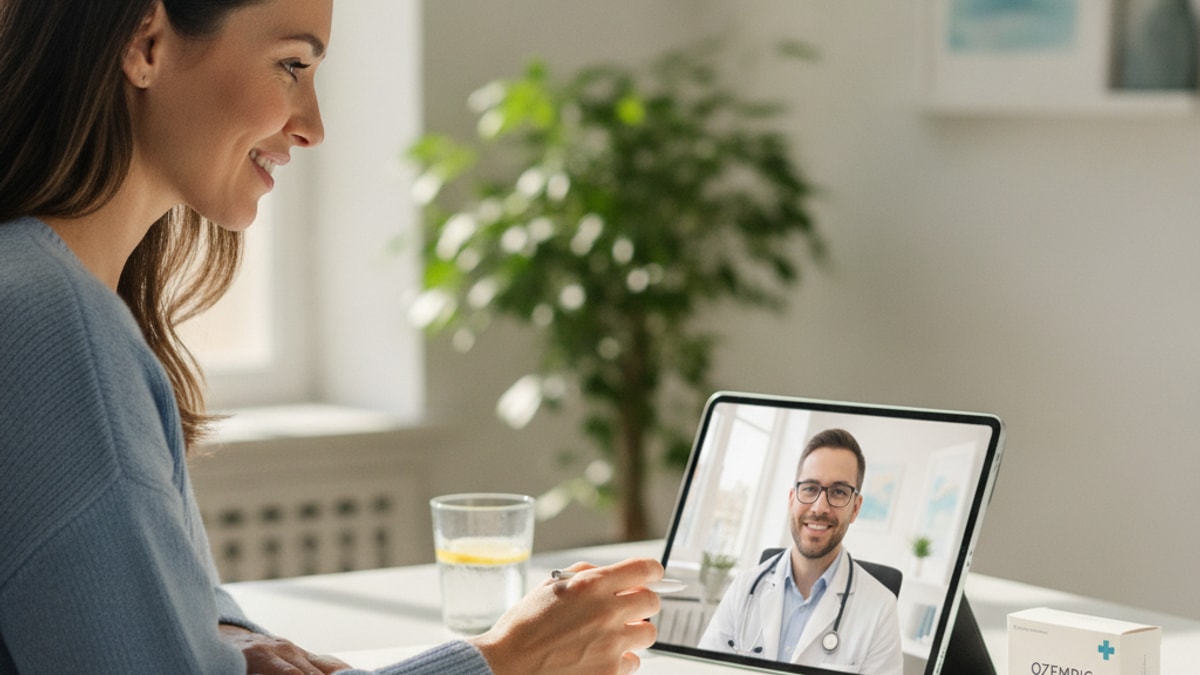
Telehealth Ozempic in Fontana refers to remote medical consultations where California-licensed providers evaluate patients for GLP-1 medications. Primarily semaglutide (Ozempic, Wegovy) or tirzepatide (Mounjaro, Zepbound). And prescribe FDA-registered compounded versions that ship directly to the patient's home. The entire process occurs online: eligibility screening, video consultation, prescription issuance, and medication delivery within 48–72 hours. Unlike traditional in-office prescribing, telehealth removes geographic and scheduling constraints while maintaining full medical oversight under California Medical Board telemedicine standards.
Most people assume 'telehealth Ozempic' means getting brand-name Wegovy through a video call. It doesn't. Brand-name semaglutide costs $1,200–$1,400 per month without insurance, and most telehealth platforms prescribe compounded semaglutide prepared by FDA-registered 503B pharmacies at 60–85% lower cost. The molecule is identical; the delivery system and regulatory pathway differ. This article covers exactly how telehealth prescribing works in California, what compounded semaglutide actually means, how costs compare to traditional routes, what patients in Fontana should expect during the consultation process, and which red flags indicate a telehealth provider operating outside medical standards.
How Telehealth GLP-1 Prescribing Works in California
California telehealth regulations permit licensed physicians, nurse practitioners, and physician assistants to prescribe GLP-1 medications remotely as long as the initial consultation occurs via synchronous audio-visual communication. Phone-only consultations don't meet the standard. Under California Business and Professions Code Section 2290.5, a valid patient-provider relationship can be established through real-time telemedicine, meaning no prior in-person visit is legally required before prescribing semaglutide or tirzepatide. The provider must document medical history, current medications, contraindications (personal or family history of medullary thyroid carcinoma, MEN2 syndrome, severe gastroparesis), and obtain informed consent covering off-label use if applicable.
Once eligibility is confirmed, the prescription routes to an FDA-registered 503B outsourcing facility or a state-licensed compounding pharmacy. These pharmacies prepare semaglutide in sterile injectable form under USP <797> standards. The same compounding regulations that govern hospital IV preparations. The finished product ships with bacteriostatic water (if lyophilized powder requires reconstitution), syringes, alcohol swabs, and a sharps container. Most platforms include dosing instructions, injection technique videos, and access to clinical support for side effect management. The medication arrives in a temperature-controlled package designed to maintain 2–8°C during transit. Any temperature excursion logs are included so patients know if cold chain integrity was maintained.
TrimrX provides this exact workflow: video consultation with California-licensed providers, prescription fulfillment through FDA-registered facilities, and medication delivery to any California address within 48 hours. We've found that patients prioritize three factors above all else. Speed of access, prescription transparency, and cost predictability. The traditional route forces trade-offs; telehealth eliminates them.
Compounded Semaglutide vs Brand-Name Ozempic: What's Actually Different
Compounded semaglutide contains the same active molecule as brand-name Ozempic and Wegovy. The pharmacological mechanism, receptor binding affinity, and half-life (approximately 7 days) are identical. The FDA has confirmed this explicitly: the active pharmaceutical ingredient (API) used by compounding pharmacies is bioidentical to the semaglutide molecule in Novo Nordisk's branded products. What differs is the final formulation and regulatory pathway. Brand-name products undergo Phase III clinical trials as finished drug products; compounded versions skip this step because the molecule itself has already been studied extensively. The trade-off: compounded semaglutide costs $250–$450 per month compared to $1,200–$1,400 for Wegovy.
The FDA permits compounding of drugs listed on its shortage database. Semaglutide has been on shortage since 2023 and remains there as of early 2026, making compounded versions legally available without requiring a documented patient allergy or special medical need. This isn't a loophole; it's the intended function of compounding laws. When a brand-name medication is in shortage, 503B facilities can produce it at scale under FDA registration and routine inspection. The moment the shortage resolves, that authority ends. Patients using compounded semaglutide in 2026 are operating within established medical and regulatory frameworks. This is not 'gray market' prescribing.
One critical distinction: compounded medications don't carry FDA approval for the finished product. That means batch-to-batch consistency depends on the compounding facility's internal quality controls rather than FDA lot release. Reputable 503B pharmacies conduct third-party potency testing and publish certificates of analysis, but this documentation isn't mandatory the way it is for brand-name drugs. Patients should ask their telehealth provider which pharmacy fills their prescription and whether that facility is FDA-registered under 503B.
What Fontana Patients Should Expect During the Telehealth Consultation
The consultation itself typically lasts 15–25 minutes and follows a structured medical interview. The provider will document current weight, BMI, previous weight loss attempts, comorbid conditions (type 2 diabetes, hypertension, sleep apnea), family history of thyroid cancer or MEN2, current medications (especially insulin, sulfonylureas, or other diabetes drugs that increase hypoglycemia risk when combined with GLP-1 agonists), and gastrointestinal history. Patients with active gastroparesis, inflammatory bowel disease, or a history of pancreatitis may not be candidates. GLP-1 medications slow gastric emptying and can worsen these conditions.
If cleared for treatment, the provider discusses dosing strategy. Semaglutide protocols typically start at 0.25mg weekly for four weeks, then escalate to 0.5mg, 1.0mg, 1.7mg, and 2.4mg at four-week intervals. This titration schedule exists because GI side effects. Nausea, vomiting, diarrhea. Occur in 30–45% of patients and are most severe during dose increases. Starting at therapeutic dose (2.4mg) would trigger intolerable nausea in the majority of patients; the step-up allows GLP-1 receptor density in the gut to downregulate gradually. Some patients tolerate faster escalation; others require slower progressions. The provider should explain that side effects are temporary, dose-dependent, and manageable through dietary adjustments (smaller meals, lower fat intake, avoiding lying down within two hours of eating).
The consultation ends with prescription issuance and a care plan outlining follow-up intervals. Responsible telehealth platforms require monthly check-ins during the first three months to monitor weight trends, side effects, and adherence. This isn't upselling. It's standard medical practice. GLP-1 therapy without ongoing oversight increases the risk of under-dosing (minimal weight loss, patient frustration) or over-dosing (severe nausea, dehydration, treatment discontinuation). Platforms that prescribe without follow-up are prioritizing transaction volume over patient outcomes.
Telehealth Ozempic Fontana: Full Comparison
| Route | Cost Per Month | Wait Time | Prescription Process | Medication Type | Follow-Up Model |
|---|---|---|---|---|---|
| In-Office Endocrinologist + Brand Ozempic | $1,200–$1,400 (without insurance) | 8–12 weeks for appointment | In-person visit required; insurance pre-auth takes 2–6 weeks | Brand-name Ozempic or Wegovy (FDA-approved finished product) | Quarterly in-person visits; labs every 6 months |
| In-Office Primary Care + Compounded Semaglutide | $250–$450 | 2–4 weeks for appointment | In-person visit; prescription sent to local compounding pharmacy | Compounded semaglutide (FDA-registered 503B or state-licensed facility) | Varies by provider; often minimal |
| Telehealth Platform (e.g., TrimrX) | $250–$450 | 24–48 hours from consultation to delivery | Remote video consultation; prescription routed to 503B facility | Compounded semaglutide (FDA-registered 503B) | Monthly virtual check-ins included in subscription |
| Online 'Prescription Mill' | $150–$300 | Immediate (no real consultation) | Questionnaire only; no video call | Unknown sourcing; no pharmacy verification | None. Prescription issued without follow-up |
| Insurance-Covered Wegovy | $25–$50 copay (if approved) | 8–16 weeks (pre-auth + specialty pharmacy processing) | In-person visit required; insurance approval uncertain | Brand-name Wegovy (FDA-approved finished product) | Dictated by insurance; often quarterly |
| Bottom Line | Telehealth compounded semaglutide balances cost, speed, and medical oversight. Avoiding the cost barrier of brand-name drugs and the access delay of traditional endocrinology without sacrificing prescription legitimacy. Platforms requiring video consultations and monthly follow-up operate within California medical standards; those offering prescription-on-demand do not. |
Key Takeaways
- Telehealth Ozempic in Fontana refers to remote GLP-1 prescribing where California-licensed providers evaluate patients via video and prescribe compounded semaglutide that ships within 48 hours.
- Compounded semaglutide contains the same active molecule as brand-name Ozempic and Wegovy, prepared by FDA-registered 503B facilities at 60–85% lower cost.
- California telehealth law permits GLP-1 prescribing after a synchronous audio-visual consultation. No prior in-person visit is required under state medical board regulations.
- Standard semaglutide dosing starts at 0.25mg weekly and titrates to 2.4mg over 20 weeks to minimize GI side effects, which occur in 30–45% of patients during dose escalation.
- Patients should verify their telehealth provider requires video consultations, prescribes through FDA-registered pharmacies, and includes monthly follow-up as part of the care model.
What If: Telehealth Ozempic Fontana Scenarios
What If I've Never Injected Medication Before — Is It Actually Safe to Do at Home?
Subcutaneous injection of semaglutide is medically safe for self-administration and requires no prior injection experience. The needle is 4–6mm long, designed to penetrate only the fatty tissue layer beneath the skin. Not muscle or blood vessels. Injection sites rotate between the abdomen (2 inches away from the navel), thigh, or upper arm. Most patients report the sensation as less painful than a finger prick for blood glucose testing. Telehealth platforms include video tutorials demonstrating proper technique: pinch the skin to create a fold, insert the needle at a 90-degree angle, inject slowly over 5–10 seconds, and withdraw. The entire process takes 30 seconds once familiar.
What If I Experience Severe Nausea During the First Month — Should I Stop Taking It?
Severe nausea during the first month of semaglutide treatment is common but does not require discontinuation in most cases. The provider should be contacted immediately to discuss dose adjustment. Many patients benefit from extending the 0.25mg starting phase from 4 weeks to 6–8 weeks, allowing more time for GI adaptation. Nausea typically peaks 24–48 hours after injection and resolves within 3–4 days. Eating smaller, more frequent meals (avoiding high-fat foods that delay gastric emptying further) and taking over-the-counter anti-nausea medication like ondansetron can provide symptomatic relief. Persistent vomiting that prevents fluid intake or causes dehydration is a reason to pause treatment and consult the prescribing provider.
What If the Medication Arrives Warm or the Cold Pack Has Melted — Is It Still Safe to Use?
Semaglutide is a peptide hormone that denatures (loses potency permanently) if exposed to temperatures above 8°C for extended periods. If the medication arrives with a completely melted cold pack or feels warm to the touch, contact the pharmacy immediately and do not use it. Reputable 503B facilities include temperature data loggers in shipments that record the entire transit temperature range. Request this log before using the product. If the medication remained between 2–8°C throughout shipping (even if the cold pack melted near the end of delivery), it's safe to use. When in doubt, the pharmacy should replace the shipment at no cost.
The Unfiltered Truth About Telehealth GLP-1 Prescribing
Here's the honest answer: telehealth Ozempic platforms exist on a quality spectrum, and the bottom tier operates more like prescription fulfillment services than medical practices. If a platform lets you check boxes on a questionnaire, pay $200, and receive medication without ever speaking to a provider on video. That's not telehealth prescribing under California law. It's a pharmacy exploiting ambiguous telehealth regulations to issue prescriptions without establishing a valid patient-provider relationship. The medical board is explicit: synchronous audio-visual communication is required for the initial consultation. Questionnaire-only models fail that standard.
The second truth: compounded semaglutide is not 'fake Ozempic,' but it also isn't subject to the same batch-level FDA oversight as brand-name products. The molecule is identical. The manufacturing process follows the same sterile compounding standards hospitals use for IV medications. But if a batch is under-dosed or contaminated, there's no FDA recall system. The accountability loop is shorter. That doesn't make compounded semaglutide unsafe; it makes pharmacy selection critical. Patients should ask which 503B facility their prescription uses and verify that facility's FDA registration status. Platforms that refuse to disclose pharmacy sources are hiding something.
Medical Weight Loss That Doesn't Require Waiting Rooms
The traditional model for accessing GLP-1 medications wasn't designed to fail patients. It simply wasn't designed for the volume of demand these drugs created starting in 2022. Endocrinology practices built to see 15–20 patients per week now field 200+ GLP-1consultation requests per month. Insurance pre-authorization processes written in 2018 don't account for weight loss as a primary indication, even though Wegovy carries FDA approval specifically for chronic weight management. The result: patients who meet clinical criteria. BMI ≥30, or BMI ≥27 with comorbidities. Wait months for care while their metabolic health deteriorates.
Telehealth Ozempic in Fontana solves the access problem without compromising prescription legitimacy. TrimrX connects California residents with licensed providers who evaluate, prescribe, and monitor GLP-1 therapy entirely online. Consultations available within 24 hours, medication shipped within 48. We've structured the platform around the three principles patients told us mattered most: transparent pricing with no hidden fees, video consultations with real providers (not questionnaires), and monthly follow-up built into the subscription model. If you've been waiting for insurance approval, stuck on an endocrinology waitlist, or avoiding the process entirely because traditional routes felt inaccessible. This is the alternative we built for exactly that gap.
Frequently Asked Questions
How does telehealth Ozempic prescribing work for patients in Fontana?▼
Telehealth Ozempic prescribing in Fontana involves a video consultation with a California-licensed provider who evaluates medical history, current medications, and weight loss goals. If cleared for treatment, the provider prescribes compounded semaglutide (bioidentical to brand-name Ozempic) which is fulfilled by an FDA-registered 503B pharmacy and shipped directly to your address within 48–72 hours. The entire process — eligibility screening, consultation, prescription, and delivery — occurs remotely without requiring an in-person clinic visit.
Is compounded semaglutide the same as brand-name Ozempic or Wegovy?▼
Compounded semaglutide contains the same active molecule as brand-name Ozempic and Wegovy — the pharmacological mechanism, receptor binding, and half-life are identical. The difference is regulatory pathway: brand-name products are FDA-approved finished drugs that underwent Phase III trials; compounded versions are prepared by FDA-registered 503B facilities using the same API but without finished-product FDA approval. Compounded semaglutide is legally available while the FDA-confirmed shortage continues and costs 60–85% less than brand-name alternatives.
What are the most common side effects of semaglutide, and how long do they last?▼
The most common side effects are gastrointestinal: nausea, vomiting, diarrhea, and constipation, occurring in 30–45% of patients. These effects are most severe during dose escalation and typically resolve within 4–8 weeks as the body adapts to higher doses. Nausea peaks 24–48 hours after injection and fades over 3–4 days. Mitigation strategies include eating smaller, lower-fat meals, avoiding lying down within two hours of eating, and extending the time spent at each dose level if symptoms are intolerable.
Can I use telehealth Ozempic services if I have type 2 diabetes?▼
Yes — patients with type 2 diabetes are often ideal candidates for GLP-1 therapy. Semaglutide improves glycemic control by enhancing insulin secretion in response to meals and reducing glucagon release, leading to A1C reductions of 1.5–2.0% in clinical trials. However, if you’re currently taking insulin or sulfonylureas, the provider must adjust those doses to prevent hypoglycemia, as GLP-1 medications amplify the glucose-lowering effect of other diabetes drugs. The telehealth consultation will address medication interactions and provide a titration plan tailored to your current diabetes regimen.
How much does telehealth Ozempic cost in Fontana compared to traditional prescriptions?▼
Telehealth compounded semaglutide costs $250–$450 per month through most platforms, including the consultation, prescription, and medication delivery. This is 60–85% less expensive than brand-name Wegovy, which costs $1,200–$1,400 per month without insurance. Traditional in-office prescribing adds the cost of the appointment itself (often $150–$250 for an endocrinology consultation) plus insurance pre-authorization delays. If insurance covers Wegovy, copays range from $25–$50, but approval rates remain below 30% for weight loss indications as of 2026.
What happens if I miss a weekly semaglutide injection dose?▼
If you miss a weekly semaglutide injection by fewer than 5 days, administer the missed dose as soon as you remember and resume your regular schedule. If more than 5 days have passed since the missed dose, skip it entirely and take your next dose on the originally scheduled day — do not double-dose. Missing doses during titration may cause temporary return of appetite and slight weight regain before the next injection restores therapeutic levels.
Do I need to see a provider in person before starting telehealth Ozempic?▼
No — California telehealth regulations permit GLP-1 prescribing after a synchronous audio-visual consultation without requiring a prior in-person visit. Under California Business and Professions Code Section 2290.5, a valid patient-provider relationship can be established through real-time telemedicine. Phone-only consultations do not meet the legal standard; the initial consultation must occur via video. Platforms that issue prescriptions based solely on questionnaires are operating outside California medical board guidelines.
Will I regain weight after stopping semaglutide?▼
Clinical evidence shows that most patients regain a significant portion of lost weight after discontinuing GLP-1 therapy — the STEP 1 Extension trial found participants regained approximately two-thirds of their lost weight within one year of stopping semaglutide. This reflects the fact that GLP-1 medications correct a physiological state (impaired satiety signaling, elevated ghrelin) that returns when the drug is removed. For patients who reach goal weight and wish to stop, transition planning with the prescriber — including dietary structure and potentially a lower maintenance dose — can reduce rebound weight gain.
How do I know if a telehealth Ozempic platform is legitimate?▼
Legitimate telehealth GLP-1 platforms require a synchronous video consultation with a licensed provider before prescribing, disclose which FDA-registered 503B pharmacy fulfills prescriptions, include monthly follow-up as part of the care model, and provide transparent pricing with no hidden fees. Red flags include: prescription issuance via questionnaire only (no video call), refusal to name the compounding pharmacy, immediate prescription fulfillment without medical review, and absence of follow-up care. California law requires audio-visual communication for the initial consultation — platforms bypassing this step are non-compliant.
Can I travel with my semaglutide medication, and how should I store it?▼
Semaglutide must be stored at 2–8°C (refrigerated) at all times after it arrives. For travel, use a medication cooler specifically designed for temperature-sensitive drugs — most insulin travel cases maintain 2–8°C for 36–48 hours without electricity. Avoid checked luggage, as cargo holds can drop below freezing or exceed 30°C. Carry the medication in your personal item with an ice pack or evaporative cooling pouch. If traveling internationally, bring the prescription documentation and a letter from your provider confirming medical necessity.

Transforming Lives, One Step at a Time
Keep reading
Want to Stop Ozempic but Your Provider Says Stay? How to Discuss It
Lead with your actual reason, because the conversation usually goes wrong when you argue about the evidence instead. Your provider is not wrong about…

Regained Weight After Stopping Ozempic? Don’t Restart at Your Old Dose
No. Whatever else you do, do not pick up where you left off. Tolerance to a GLP-1 is not assumed to persist through a…
Eating Less Than Ever on Ozempic but the Scale Won’t Move
Whatever else is true here, the answer is not to eat less. That needs saying first, because it is the direction this situation pushes…


