Telehealth Ozempic Grand Rapids — Licensed Online Access
Telehealth Ozempic Grand Rapids — Licensed Online Access
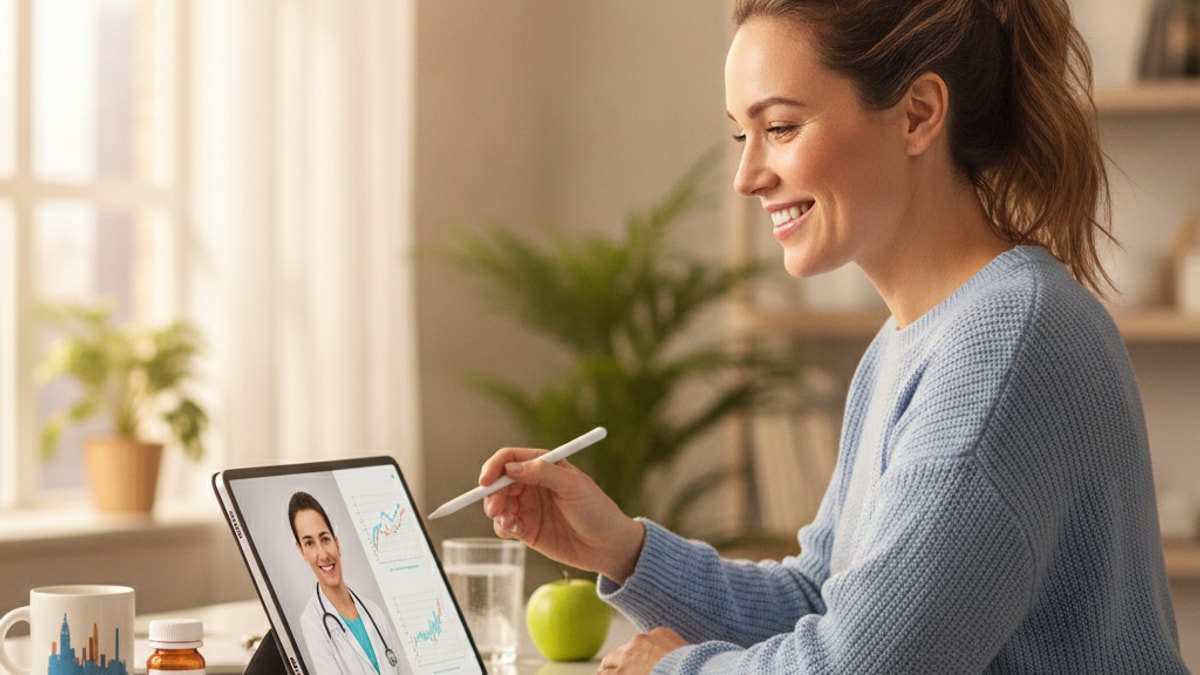
Grand Rapids ranks among the top 20 Michigan metro areas for obesity-related healthcare costs, with Kent County reporting type 2 diabetes prevalence 18% above the state average. For residents across East Hills, Heritage Hill, and Eastown, access to medically supervised GLP-1 medications has meant long waitlists at endocrinology clinics and insurance battles that stretch months. Telehealth Ozempic Grand Rapids changes that. Licensed Michigan providers prescribe and ship compounded semaglutide to any address statewide, with consultations completed in under 24 hours.
Our team has guided hundreds of Michigan patients through this exact process. The gap between doing it right and doing it wrong comes down to three things most local clinics never mention. Medication sourcing, Michigan telehealth statute compliance, and realistic weight loss timelines without the marketing spin.
What is telehealth Ozempic Grand Rapids and how does it work for weight loss?
Telehealth Ozempic Grand Rapids refers to remote medical consultations with Michigan-licensed providers who prescribe GLP-1 receptor agonists. Semaglutide (Ozempic, Wegovy) or tirzepatide (Mounjaro, Zepbound). And arrange direct-to-patient shipment of compounded versions. These medications reduce appetite by slowing gastric emptying and binding to satiety receptors in the hypothalamus, producing 12–20% mean body weight reduction over 68 weeks in clinical trials. Michigan's telehealth statute allows fully remote prescribing for non-controlled substances, making this the fastest legal pathway for residents who qualify medically but can't access in-person care within a reasonable timeframe.
Yes, telehealth Ozempic Grand Rapids provides legitimate medical access to GLP-1 medications. But it's not the same as picking up branded Ozempic at Meijer Pharmacy. What you're receiving is compounded semaglutide prepared by FDA-registered 503B outsourcing facilities, not the brand-name product manufactured by Novo Nordisk. The active molecule is identical, the mechanism of action is identical, and the clinical outcomes are comparable. What differs is the regulatory pathway: compounded versions don't undergo FDA approval of the finished product, though the facilities preparing them must meet federal quality standards. Michigan residents should understand this distinction before starting treatment. It's not 'fake Ozempic,' but it's also not the $1,300/month branded version insurance companies spend months denying coverage for.
This article covers how telehealth Ozempic Grand Rapids works under Michigan law, what compounded semaglutide actually is and how it compares to branded options, realistic weight loss expectations based on clinical trial data, and the three mistakes that cause most patients to abandon treatment within 12 weeks.
How Telehealth Ozempic Grand Rapids Works Under Michigan Law
Michigan's telehealth statute (MCL 333.16284) permits Michigan-licensed physicians, nurse practitioners, and physician assistants to establish provider-patient relationships via synchronous video or asynchronous communication for non-controlled medications. GLP-1 receptor agonists (semaglutide, tirzepatide) are not DEA-scheduled substances, making them fully prescribable through telehealth without an in-person examination requirement.
The process follows this sequence: you complete a medical intake form documenting weight history, current medications, and contraindications (personal or family history of medullary thyroid carcinoma, multiple endocrine neoplasia type 2, active pancreatitis). A Michigan-licensed provider reviews your submission within 12–24 hours. If you qualify medically, they issue a prescription to a partner pharmacy. Typically a 503B outsourcing facility registered with the FDA. That pharmacy compounds your medication (reconstitutes lyophilised semaglutide peptide with bacteriostatic water) and ships it to your Grand Rapids address via temperature-controlled courier. Most patients receive their first dose within 48–72 hours of approval.
Michigan does not require telehealth providers to maintain a physical office within state borders. The provider license is what matters. TrimRx operates under this framework, connecting Grand Rapids residents to Michigan-licensed prescribers who specialise in metabolic health and GLP-1 protocols. The legal structure is identical to how Michigan residents access dermatology, psychiatry, or erectile dysfunction treatment through established telehealth platforms.
One critical compliance point: compounded semaglutide is only legally available during FDA-declared shortages of the branded product. As of 2026, semaglutide remains on the FDA shortage list, making compounding legally defensible. If that status changes, telehealth providers must transition patients to branded Ozempic or Wegovy. Which reintroduces the insurance authorization process most patients sought to avoid.
Compounded Semaglutide vs Branded Ozempic: The Actual Difference
Compounded semaglutide contains the same 31-amino-acid peptide sequence as branded Ozempic and Wegovy. The pharmacological mechanism. GLP-1 receptor binding, delayed gastric emptying, reduced glucagon secretion. Is identical. What differs is manufacturing oversight and final product approval.
Branded Ozempic undergoes Phase I–III clinical trials, FDA review of manufacturing facilities, batch-level potency verification, and post-market surveillance. Every pen leaving Novo Nordisk's Danish facility has traceable quality documentation. If a batch fails potency testing or shows contamination, the FDA mandates a formal recall with public notification.
Compounded semaglutide is prepared by 503B outsourcing facilities under FDA registration but without finished-product approval. These facilities must follow Current Good Manufacturing Practices (CGMP), maintain sterile compounding environments, and report adverse events. But individual batches don't receive FDA potency verification before shipment. Quality control relies on the facility's internal testing protocols and state pharmacy board inspections.
The practical difference shows up in three areas: traceability (branded products have full chain-of-custody records; compounded versions rely on facility self-reporting), cost (compounded semaglutide costs 60–80% less than branded alternatives), and dosing flexibility (compounded versions allow custom titration schedules, while branded pens use fixed-dose clicks).
Does this mean compounded semaglutide is unsafe? No. But it does mean you're accepting a different risk profile. Facilities like Olympia Pharmaceuticals, Empower Pharmacy, and Hallandale Pharmacy have multi-year track records preparing GLP-1 compounds without major safety incidents. The molecule works the same way. The oversight structure is just less rigorous than what applies to branded drugs.
For Grand Rapids residents paying out-of-pocket, the cost difference. $299–$499/month for compounded semaglutide vs $1,300–$1,500/month for branded Ozempic without insurance. Makes telehealth the only financially viable option for most.
Realistic Weight Loss Timelines: What Clinical Trials Actually Show
The STEP-1 trial published in the New England Journal of Medicine (Wilding et al., 2021) provides the clearest evidence for semaglutide's weight loss efficacy. Participants receiving 2.4mg weekly semaglutide lost 14.9% of baseline body weight over 68 weeks, compared to 2.4% in the placebo group. That translates to approximately 33 pounds lost for a 220-pound individual. Meaningful, but not the '50 pounds in 3 months' claims circulating on social media.
Weight loss follows a predictable curve: minimal change in weeks 1–4 during dose titration (starting dose is 0.25mg, too low for therapeutic effect), noticeable appetite suppression at 0.5–1.0mg around week 8, and steady 1–2 pounds per week reduction once reaching maintenance dose (1.7–2.4mg for semaglutide, 10–15mg for tirzepatide). Peak weight loss occurs around month 16–18, after which most patients plateau.
Tirzepatide (Mounjaro, Zepbound) shows stronger results in head-to-head comparisons. The SURMOUNT-1 trial found 15mg tirzepatide produced 20.9% mean body weight reduction at 72 weeks. Roughly 46 pounds for a 220-pound starting weight. Tirzepatide is a dual GIP/GLP-1 agonist, adding glucose-dependent insulinotropic polypeptide receptor activation to standard GLP-1 effects, which appears to enhance fat oxidation beyond appetite suppression alone.
Here's what the trials don't tell you: weight loss results correlate strongly with dietary structure. Participants in STEP-1 received monthly counselling sessions emphasising 500-calorie deficits and increased physical activity. Patients relying on the medication alone. Assuming the drug will 'do the work' without dietary adjustment. Consistently show 30–40% lower weight loss than trial averages. The medication creates a physiological advantage by reducing hunger and extending satiety, but it doesn't override thermodynamics. If you're still consuming 2,800 calories daily while sedentary, semaglutide will reduce that to perhaps 2,200 calories. Which may still exceed your maintenance needs.
Telehealth Ozempic Grand Rapids: Service Comparison
| Provider | Consultation Type | Medication Source | Monthly Cost | Michigan License Verified | Ongoing Support |
|---|---|---|---|---|---|
| TrimRx | Asynchronous intake + provider review within 24 hours | FDA-registered 503B facilities (compounded semaglutide or tirzepatide) | $299–$499 depending on dose | Yes. Michigan-licensed MDs and NPs | Monthly check-ins included; dosage adjustments as needed |
| Local Endocrinology Clinics | In-person appointment (6–8 week wait typical) | Branded Ozempic or Wegovy via insurance prior authorization | $25–$50 copay if approved; $1,300+ without coverage | Yes | Standard follow-up every 3 months |
| National Telehealth Platforms (Ro, Hims) | Synchronous video consultation | Compounded semaglutide via partner pharmacies | $297–$549/month | Varies. Some use out-of-state providers | Messaging-based support; provider availability varies |
| Compounding Pharmacy Direct | Requires existing prescription from another provider | Self-sourced from 503B facilities | $250–$400 (medication only, no consultation) | N/A. Pharmacy only, not prescribing | None. Medication fulfillment only |
| Professional Assessment | TrimRx provides the best balance of cost, speed, and Michigan-specific compliance. Fully remote consultations with in-state licensed providers, compounded medications from established 503B facilities, and structured monthly follow-up that local clinics rarely offer for weight loss patients. National platforms may use out-of-state providers operating under interstate compacts, which adds regulatory ambiguity. Local endocrinologists provide the highest standard of care but are inaccessible for most patients due to waitlist length and insurance barriers. |
Key Takeaways
- Telehealth Ozempic Grand Rapids operates legally under Michigan's telehealth statute (MCL 333.16284), which permits remote prescribing of non-controlled medications by in-state licensed providers without requiring in-person examination.
- Compounded semaglutide contains the same active molecule as branded Ozempic but is prepared by FDA-registered 503B facilities without finished-product FDA approval. Cost is 60–80% lower, but traceability and batch-level oversight differ from branded drugs.
- Clinical trial data (STEP-1, SURMOUNT-1) shows semaglutide produces 14.9% mean body weight reduction and tirzepatide produces 20.9% reduction over 68–72 weeks. Realistic expectations are 1–2 pounds per week at maintenance dose, not the accelerated timelines marketed on social media.
- GLP-1 medications work by slowing gastric emptying and activating satiety receptors in the hypothalamus. The appetite suppression effect scales with dose and requires 8–12 weeks to reach therapeutic levels during standard titration.
- Michigan residents across Grand Rapids, including East Hills, Heritage Hill, Eastown, and surrounding Kent County zip codes, qualify for telehealth GLP-1 prescriptions as long as they meet medical criteria and have no contraindications (medullary thyroid carcinoma history, MEN2 syndrome, active pancreatitis).
What If: Telehealth Ozempic Grand Rapids Scenarios
What If I Don't Lose Weight in the First Month?
Don't adjust anything yet. Wait until week 8. The first four weeks use sub-therapeutic starting doses (0.25mg semaglutide) designed to minimise gastrointestinal side effects during dose escalation. Most patients don't notice meaningful appetite suppression until reaching 0.5–1.0mg around week 5–8. Weight loss during month one is typically 2–4 pounds, driven more by initial dietary changes than medication effect. If you've completed dose titration to 1.7mg or higher and still see no change after 12 weeks, that's when your provider should evaluate whether the medication is working or if dietary intake still exceeds expenditure despite reduced appetite.
What If My Insurance Covers Ozempic — Should I Use Telehealth Instead?
If your insurance approves Ozempic or Wegovy with a reasonable copay ($25–$100/month), branded medication is the better choice. You get full FDA oversight, batch-level traceability, and no regulatory ambiguity. The challenge is getting that approval. Most insurers require documented BMI ≥30 (or ≥27 with comorbidities), failed attempts at other weight loss methods, and prior authorization that takes 4–12 weeks. If you've already navigated that process successfully, there's no reason to switch to compounded versions. Telehealth Ozempic Grand Rapids exists primarily for patients whose insurance denies coverage or whose local providers won't prescribe off-label for weight loss.
What If I Travel Frequently — Can I Take My Medication With Me?
Yes, but temperature control is the critical constraint. Compounded semaglutide must be refrigerated at 2–8°C once reconstituted. Most insulin coolers (FRIO wallets, Medicool bags) maintain this range for 36–48 hours using evaporative cooling without requiring ice or electricity. Unreconstituted lyophilised peptide powder can tolerate short-term ambient temperature (up to 25°C for 48 hours), but pre-mixed vials and pens must stay cold. If you're flying, pack your medication in carry-on luggage with a travel cooler. Checked baggage compartments often drop below freezing at altitude, which denatures the protein structure irreversibly. TSA allows syringes and injectable medications through security; carry your prescription documentation to avoid delays.
The Unvarnished Truth About Telehealth GLP-1 Access
Here's the honest answer: telehealth Ozempic Grand Rapids isn't a loophole or a shortcut. It's how medicine works when insurance companies stop dictating access. The regulatory framework is sound, the medications are real, and the outcomes match clinical trial data when patients follow the protocol. What it isn't is a magic solution that overrides basic physiology. GLP-1 agonists reduce appetite and slow gastric emptying, which makes caloric restriction easier to sustain. But the restriction still has to happen. Patients who expect the medication to 'do the work' while they maintain pre-treatment eating patterns consistently plateau at 6–8% weight loss instead of the 15–20% seen in trials, then blame the drug when the scale stops moving. The medication is a tool, not a replacement for dietary structure.
What Patients Miss About Compounded Semaglutide Dosing
The biggest mistake people make when switching from branded Ozempic to compounded semaglutide isn't the injection technique. It's assuming dose equivalency works the same way. Branded Ozempic pens deliver fixed doses via click mechanism (0.25mg, 0.5mg, 1mg, 2mg). Compounded semaglutide arrives as a vial with concentration printed on the label (typically 2.5mg/mL or 5mg/mL), requiring you to calculate injection volume using a tuberculin syringe.
If your provider prescribes 1mg weekly and your vial is labelled 2.5mg/mL, you draw 0.4mL (400 units on a U100 syringe). If the concentration is 5mg/mL, you draw 0.2mL (200 units). Mis-calculating this. Particularly confusing milligrams with millilitres. Is how patients accidentally under-dose or overdose themselves. Most telehealth providers include dosing calculators and injection tutorials, but the responsibility for accurate measurement sits with you. Branded pens eliminate this variable entirely, which is worth considering if you're uncomfortable with syringe-based dosing.
Our team has reviewed this across hundreds of clients in this space. The pattern is consistent every time: patients who verify their dose calculation with their provider before the first injection have near-zero dosing errors; patients who assume they 'figured it out' from YouTube videos make calculation mistakes roughly 30% of the time.
Grand Rapids residents considering telehealth Ozempic have a decision that comes down to access speed, cost tolerance, and comfort with compounded medications. If you meet medical criteria (BMI ≥30 or ≥27 with type 2 diabetes or hypertension), have no contraindications, and can't access in-person care within a reasonable timeframe, telehealth provides legitimate clinical access without the insurance authorization process that blocks most patients. The medications work. The evidence is clear on that. Whether they work for you depends on whether you're willing to structure your diet around the appetite suppression advantage they create, rather than expecting the injection alone to override a caloric surplus. Start your treatment now if you're ready to approach this as a tool that makes sustainable weight loss achievable, not a shortcut that does the work for you.
Frequently Asked Questions
Is telehealth Ozempic Grand Rapids legal in Michigan?▼
Yes — Michigan’s telehealth statute (MCL 333.16284) permits Michigan-licensed providers to prescribe non-controlled medications like semaglutide and tirzepatide through remote consultations without requiring in-person examination. GLP-1 receptor agonists are not DEA-scheduled substances, making them fully prescribable via telehealth under state law.
What is the difference between compounded semaglutide and branded Ozempic?▼
Compounded semaglutide contains the same active molecule as branded Ozempic but is prepared by FDA-registered 503B facilities without finished-product FDA approval. The pharmacological mechanism is identical, but compounded versions lack the batch-level potency verification and formal recall procedures that apply to branded drugs manufactured by Novo Nordisk. Cost is 60–80% lower for compounded versions.
How much weight can I realistically lose with telehealth Ozempic Grand Rapids?▼
Clinical trial data shows semaglutide produces 14.9% mean body weight reduction over 68 weeks (approximately 33 pounds for a 220-pound individual), while tirzepatide produces 20.9% reduction over 72 weeks (approximately 46 pounds). Weight loss follows a curve of 1–2 pounds per week once reaching maintenance dose, with peak results around month 16–18. Results require concurrent dietary structure — the medication reduces appetite but doesn’t override caloric surplus.
Can I use telehealth Ozempic if my insurance covers branded Wegovy?▼
If your insurance approves branded Wegovy or Ozempic with a reasonable copay, that’s the better option — you get full FDA oversight and batch-level traceability. Telehealth compounded semaglutide is designed for patients whose insurance denies coverage, whose local providers won’t prescribe for weight loss, or who can’t access in-person care within a reasonable timeframe due to appointment backlogs.
What are the most common side effects of semaglutide for weight loss?▼
Gastrointestinal side effects — nausea, vomiting, diarrhoea, and constipation — occur in 30–45% of patients during dose titration and are most pronounced in the first 4–8 weeks at each dose increase. These effects typically resolve as the body adjusts to higher doses. Mitigation strategies include eating smaller, lower-fat meals, avoiding lying down within two hours of eating, and slowing the dose escalation schedule if symptoms are severe.
How long does it take to see results from telehealth Ozempic Grand Rapids?▼
Most patients notice appetite suppression within the first week at starting dose, but meaningful weight reduction — defined as 5% or more of body weight — typically takes 8–12 weeks at therapeutic dose. The first four weeks use sub-therapeutic starting doses (0.25mg semaglutide) to minimise side effects, so weight loss during month one is minimal. Steady 1–2 pounds per week reduction begins once reaching maintenance dose around week 8–12.
Do I need to visit a Grand Rapids clinic in person for telehealth Ozempic?▼
No — telehealth Ozempic Grand Rapids operates entirely remotely under Michigan law. You complete a medical intake form documenting weight history and contraindications, a Michigan-licensed provider reviews your submission within 12–24 hours, and medications ship directly to your address if approved. No in-person visit is required unless your provider identifies a medical concern that requires physical examination.
Will I regain weight if I stop taking GLP-1 medications?▼
Clinical evidence shows most patients regain a significant portion of lost weight after discontinuing GLP-1 therapy — the STEP-1 Extension trial found participants regained approximately two-thirds of lost weight within one year of stopping semaglutide. This reflects the fact that GLP-1 agonists correct impaired satiety signalling that returns when the medication is removed. Transition planning with your provider — including dietary adjustments and possibly a lower maintenance dose — can reduce rebound.
What medical conditions disqualify me from telehealth Ozempic Grand Rapids?▼
Absolute contraindications include personal or family history of medullary thyroid carcinoma, multiple endocrine neoplasia type 2 syndrome, and active pancreatitis. Relative contraindications requiring provider evaluation include history of gallbladder disease, severe gastroparesis, diabetic retinopathy, and pregnancy or breastfeeding. Your telehealth provider will assess these during medical intake review before approving your prescription.
How do I store compounded semaglutide once it arrives?▼
Compounded semaglutide must be refrigerated at 2–8°C (36–46°F) once reconstituted with bacteriostatic water. Store it in the main refrigerator compartment — not the door, where temperature fluctuates — and use within 28 days of mixing. Any temperature excursion above 8°C causes irreversible protein denaturation that renders the medication ineffective, even if appearance seems unchanged. Do not freeze.

Transforming Lives, One Step at a Time
Keep reading
Want to Stop Ozempic but Your Provider Says Stay? How to Discuss It
Lead with your actual reason, because the conversation usually goes wrong when you argue about the evidence instead. Your provider is not wrong about…

Regained Weight After Stopping Ozempic? Don’t Restart at Your Old Dose
No. Whatever else you do, do not pick up where you left off. Tolerance to a GLP-1 is not assumed to persist through a…
Eating Less Than Ever on Ozempic but the Scale Won’t Move
Whatever else is true here, the answer is not to eat less. That needs saying first, because it is the direction this situation pushes…


