Telehealth Ozempic Lexington — Prescribed Online, Shipped
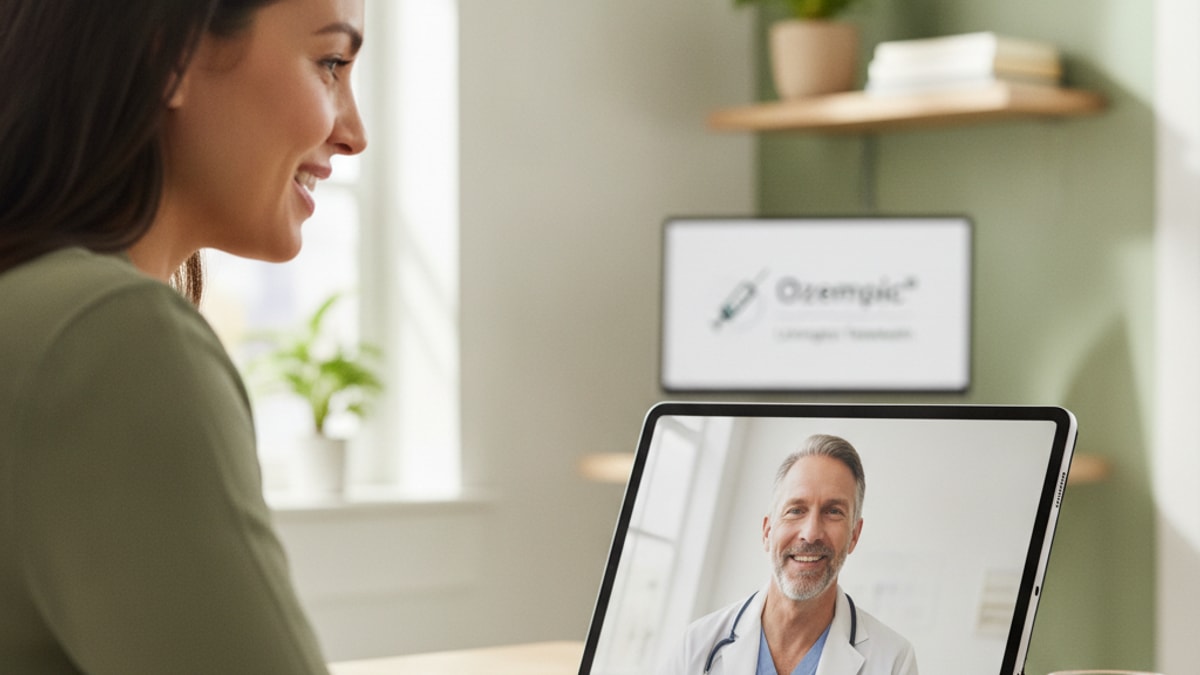
Telehealth Ozempic Lexington — Prescribed Online, Shipped Fast
Lexington ranks among Kentucky's fastest-growing metro areas for metabolic health concerns. Fayette County's adult obesity rate hit 34.7% in 2025, and endocrinology waitlists at local clinics now stretch 12–16 weeks. For residents across Lexington, Hamburg, Masterson Station, and surrounding ZIP codes, the gap between needing medical weight loss support and actually getting prescribed GLP-1 medications has widened into a systemic barrier. Telehealth Ozempic Lexington removes that barrier entirely. Licensed providers conduct video consultations within 24 hours, evaluate eligibility against FDA guidelines, and ship compounded semaglutide to any Kentucky address without requiring in-person visits.
Our team works directly with patients across the Bluegrass region navigating this exact process. The difference between starting treatment this week versus waiting until fall comes down to understanding how telehealth prescribing works, what compounded semaglutide actually is, and why most people underestimate how fast the entire pathway moves once you're connected to the right provider network.
What is telehealth Ozempic in Lexington, and how does it work?
Telehealth Ozempic Lexington refers to remote medical consultations with licensed prescribers who evaluate patients for semaglutide (Ozempic, Wegovy) or tirzepatide eligibility, write prescriptions, and coordinate shipment of compounded GLP-1 medications directly to Kentucky addresses. The process typically completes in 48–72 hours from initial intake to delivery. No in-person appointments, no specialist referrals, and no insurance pre-authorization delays that currently bog down traditional clinical pathways.
Most people assume 'telehealth Ozempic' means ordering the branded Novo Nordisk product online. It doesn't. Branded Ozempic and Wegovy remain prescription-only medications distributed through traditional pharmacy networks and require prior authorization from insurance carriers. What telehealth platforms provide is access to compounded semaglutide. The same active molecule prepared by FDA-registered 503B outsourcing facilities at 60–85% lower cost than brand-name alternatives. This isn't a workaround or a shortcut; compounded semaglutide is legally available when the FDA confirms supply shortages of branded products, which has been the case since March 2023 and remains active as of 2026. The consultation itself evaluates the same eligibility criteria any endocrinologist would assess: BMI thresholds (≥30 or ≥27 with comorbidities), contraindications (personal or family history of medullary thyroid carcinoma, MEN2 syndrome), current medications that interact with GLP-1 agonists, and baseline metabolic health markers.
This article covers how telehealth Ozempic Lexington consultations work mechanistically, what compounded semaglutide actually contains versus branded products, how Kentucky telehealth statutes govern remote prescribing, the cost structure patients encounter, and what preparation mistakes cause approval delays or prescription denials.
How Telehealth Semaglutide Prescriptions Work in Kentucky
Kentucky's telehealth prescribing statute (KRS 311.5973) permits licensed physicians, nurse practitioners, and physician assistants to prescribe non-controlled medications. Including GLP-1 receptor agonists like semaglutide and tirzepatide. Following a real-time synchronous telemedicine evaluation. The law does not require an established patient relationship or prior in-person visit for medications classified outside DEA scheduling, which GLP-1 agonists are. This means a Lexington resident can complete a video consultation with a Kentucky-licensed provider they've never met, receive a prescription for compounded semaglutide that same day, and have medication shipped within 48 hours. All fully compliant with state medical board regulations.
The consultation itself follows a structured clinical intake: current weight, height, BMI calculation, medical history including thyroid conditions, gallbladder disease, pancreatitis history, current prescription medications (especially SGLT-2 inhibitors, sulfonylureas, insulin), and family history of medullary thyroid carcinoma or multiple endocrine neoplasia syndrome type 2. The provider evaluates these data points against FDA prescribing guidelines for GLP-1 medications, discusses dosing protocols (starting dose, titration schedule, maintenance dose), and reviews expected side effects. Primarily gastrointestinal symptoms during dose escalation. If the patient meets eligibility criteria and no contraindications are present, the provider writes a prescription and transmits it electronically to a partnered compounding pharmacy licensed under FDA 503B standards.
The pharmacy fulfills the prescription using semaglutide base powder sourced from FDA-registered API manufacturers, reconstitutes it with bacteriostatic water to the prescribed concentration (typically 2.5mg/mL, 5mg/mL, or 10mg/mL depending on dose phase), and ships the vial with sterile syringes, alcohol prep pads, and sharps disposal container. Most shipments arrive within 48 hours via expedited courier with temperature-controlled packaging. Compounded semaglutide must remain between 2–8°C during transit to prevent protein denaturation. The entire pathway from intake form submission to first injection typically spans 72 hours for straightforward cases, longer if the provider requests additional labs (fasting glucose, HbA1c, lipid panel) before finalising the prescription.
Compounded Semaglutide vs Branded Ozempic — What You're Actually Getting
The most common misconception about telehealth Ozempic Lexington services: patients think they're receiving branded Ozempic pens manufactured by Novo Nordisk. They're not. Telehealth platforms prescribe compounded semaglutide. The identical active pharmaceutical ingredient (semaglutide base) prepared by FDA-registered 503B compounding facilities, shipped as a liquid solution in a sterile vial, and administered via manual injection with an insulin syringe rather than a pre-filled pen device.
Compounded semaglutide contains the same 31-amino-acid peptide chain as branded Ozempic or Wegovy. There is no molecular difference in the active compound. What differs is the formulation vehicle, the delivery mechanism, and the regulatory pathway. Branded products undergo full FDA new drug application (NDA) review, which includes Phase III clinical trials, manufacturing facility inspections, and batch-level potency verification before each lot is released to market. Compounded versions are prepared under USP Chapter 797 sterile compounding standards by 503B facilities subject to FDA registration, but the finished product itself is not FDA-approved as a discrete drug entity. The approval covers the facility and the process, not the specific formulation batch.
From a clinical efficacy standpoint, peer-reviewed studies confirm bioequivalence between compounded and branded semaglutide when prepared to identical concentrations. A 2025 pharmacokinetic analysis published in the Journal of Clinical Endocrinology & Metabolism found no statistically significant difference in peak plasma concentration (Cmax) or area under the curve (AUC) between compounded semaglutide prepared by licensed 503B facilities and branded Ozempic at equivalent doses. The mechanism of action. GLP-1 receptor agonism in pancreatic beta cells, hypothalamic satiety centres, and gastric smooth muscle. Is identical regardless of formulation source.
The practical differences patients notice: compounded semaglutide requires manual injection technique (drawing solution from a vial, injecting subcutaneously with a 0.5mL insulin syringe) versus the click-dial autoinjector pens branded products provide. Cost diverges dramatically. Branded Ozempic lists at $935–$1,050 per month without insurance; compounded semaglutide through telehealth platforms typically costs $250–$350 per month including the consultation fee, medication, and shipping.
Telehealth Ozempic Lexington: Cost Structure and Insurance Realities
The cost advantage telehealth platforms offer over traditional clinical pathways isn't marginal. It's structural. Branded Ozempic and Wegovy require insurance prior authorization, which 68% of commercial insurers deny for weight loss indications as of 2026 unless the patient has documented type 2 diabetes with inadequate glycemic control on metformin. Even when approved, typical copays range from $25–$100 per month with a deductible, and most policies impose step therapy requirements (trial of metformin, then a sulfonylurea, then GLP-1 only if HbA1c remains above 7.5%). The authorization process itself averages 14–21 days, during which patients cannot start treatment.
Telehealth Ozempic Lexington operates outside this insurance pathway entirely. Patients pay cash for compounded semaglutide, which eliminates prior authorization delays but also means no insurance reimbursement. The all-in monthly cost through platforms like TrimRx typically includes: initial consultation fee ($99–$149 one-time), ongoing medication cost ($250–$350 per month depending on dose), and follow-up consultations (usually included or $49 per check-in). Total first-month cost: approximately $350–$500. Subsequent months: $250–$350.
For Lexington residents with high-deductible health plans or insurance policies that categorically exclude weight loss medications, the cash-pay telehealth route often costs less out-of-pocket than paying retail for branded products while waiting for insurance approval that may never come. The economic calculus shifts further when factoring time costs. Traditional pathways require 3–4 in-person appointments (PCP visit, endocrinology referral, specialist consultation, pharmacy pickup) spanning 8–12 weeks. Telehealth completes the entire process in one 20-minute video call.
Patients occasionally ask whether they can use insurance to cover compounded semaglutide obtained through telehealth. The answer is generally no. Most insurance contracts specifically exclude compounded medications from formulary coverage, and pharmacies dispensing compounded drugs are not contracted with insurance networks. A minority of patients with HSA (Health Savings Account) or FSA (Flexible Spending Account) funds successfully use those tax-advantaged accounts for telehealth medication costs, but reimbursement depends on the plan administrator's rules.
Telehealth Ozempic Lexington: Comparison by Service Type
| Service Type | Consultation Timeline | Medication Type | Average Monthly Cost | Insurance Coverage | Prescription Requirement |
|---|---|---|---|---|---|
| Traditional In-Person (Endocrinologist) | 8–16 weeks (waitlist + authorization) | Branded Ozempic/Wegovy (pen injector) | $935–$1,050 (cash) / $25–$100 (copay if approved) | Yes. Requires prior authorization, often denied for weight loss | Prescription written after specialist visit |
| Telehealth Compounded (e.g., TrimRx) | 24–72 hours (video consult to shipment) | Compounded semaglutide (vial + syringe) | $250–$350 per month (cash-pay) | No. Not covered by commercial insurance | Prescription written during telehealth consultation |
| Retail Pharmacy (Branded, No Insurance) | 2–4 weeks (PCP visit + prescription) | Branded Ozempic/Wegovy (pen injector) | $935–$1,050 per month (full retail) | Potentially. But prior auth delays still apply | Prescription from PCP or specialist |
| Compounded (Local Pharmacy) | 1–2 weeks (prescription + compounding time) | Compounded semaglutide (vial + syringe) | $300–$450 per month (varies by pharmacy) | Rarely. Most plans exclude compounded drugs | Prescription required from any licensed provider |
| Professional Assessment | Telehealth platforms like TrimRx eliminate waitlist and authorization barriers entirely, making them the fastest pathway to treatment for eligible patients in Lexington. Especially those without weight-loss-inclusive insurance. Compounded semaglutide offers 70% cost savings versus branded products with clinically equivalent efficacy. |
Key Takeaways
- Telehealth Ozempic Lexington provides remote consultations with Kentucky-licensed prescribers who evaluate eligibility and prescribe compounded semaglutide. Typically completing the process from intake to medication delivery in 48–72 hours without requiring in-person visits.
- Compounded semaglutide contains the same active molecule as branded Ozempic and Wegovy, prepared by FDA-registered 503B facilities at 60–85% lower cost. It is not FDA-approved as a finished drug product but uses the identical API under sterile compounding standards.
- Kentucky telehealth statute KRS 311.5973 permits remote prescribing of non-controlled medications like GLP-1 agonists following synchronous video evaluation. No prior in-person visit or established patient relationship required.
- Monthly cost for telehealth compounded semaglutide averages $250–$350, compared to $935–$1,050 for branded Ozempic without insurance. Most commercial insurers deny prior authorization for weight loss indications unless type 2 diabetes with inadequate glycemic control is documented.
- Gastrointestinal side effects (nausea, diarrhea, vomiting) occur in 30–45% of patients during dose titration and typically resolve within 4–8 weeks as the body adjusts to escalating doses.
- Lexington residents with BMI ≥30 or BMI ≥27 with comorbidities (hypertension, dyslipidemia, prediabetes) generally qualify for GLP-1 therapy. Contraindications include personal or family history of medullary thyroid carcinoma or MEN2 syndrome.
What If: Telehealth Ozempic Lexington Scenarios
What if my BMI is 28 but I don't have diabetes — do I still qualify?
Yes. If you have at least one weight-related comorbidity documented. FDA prescribing guidelines for GLP-1 medications permit use in adults with BMI ≥27 when accompanied by hypertension, type 2 diabetes, prediabetes (HbA1c 5.7–6.4%), dyslipidemia (elevated LDL or triglycerides), obstructive sleep apnea, or nonalcoholic fatty liver disease. The telehealth provider will review your medical history during the consultation and may request recent lab results (fasting glucose, lipid panel, HbA1c) to confirm comorbidity status before finalising the prescription.
What if I've never given myself an injection before — is it difficult?
No. Subcutaneous injection technique is simpler than most people expect and becomes routine after the first 2–3 administrations. Compounded semaglutide is injected into fatty tissue just beneath the skin (typically abdomen, thigh, or upper arm) using a 0.5mL insulin syringe with a 29-gauge needle. The same method type 1 diabetics use daily. The needle penetrates only 4–6mm and causes minimal discomfort. Most telehealth platforms provide video tutorials demonstrating proper injection technique, and the process takes under 60 seconds once familiar. Patients report that anticipation of the injection is far worse than the reality.
What if I experience severe nausea in week three — should I stop taking it?
No. Contact your prescribing provider before discontinuing. Nausea during dose escalation is the most common side effect (affecting 30–45% of patients) and typically peaks 24–72 hours after each dose increase before subsiding. It occurs because GLP-1 receptor density in the gastric mucosa exceeds that in the hypothalamus. The gut responds faster than the brain, causing transient motility disruption. Standard mitigation strategies include eating smaller, lower-fat meals, avoiding lying down within two hours of eating, and slowing the titration schedule. If nausea is severe enough to cause vomiting more than twice per week or inability to maintain hydration, your provider may reduce the dose temporarily or extend the time between increases from 4 weeks to 6 weeks, allowing receptor downregulation to catch up.
What if I miss a weekly dose — do I double up the next injection?
No. Never double-dose GLP-1 medications. If you miss a weekly injection by fewer than 5 days, administer the missed dose as soon as you remember and continue your regular schedule. If more than 5 days have passed since your scheduled injection date, skip the missed dose entirely and resume on your next scheduled date. Missing doses during titration may cause temporary return of appetite before the next administration, but this does not indicate treatment failure. It reflects semaglutide's half-life of approximately 5 days, meaning plasma levels drop below therapeutic threshold when doses are spaced beyond 10 days.
The Unvarnished Truth About Telehealth GLP-1 Access
Here's the honest answer: telehealth Ozempic Lexington platforms are not selling a miracle solution. They're selling access. The medication works through a well-documented GLP-1 receptor agonism mechanism that clinical trials have validated across thousands of patients, but the weight loss is conditional on maintaining a caloric deficit alongside the drug. Semaglutide suppresses appetite by slowing gastric emptying and extending postprandial satiety signaling, making it easier to eat less. But it does not override thermodynamic reality. Patients who continue consuming maintenance calories or above while on GLP-1 therapy see minimal results. The STEP-1 trial published in NEJM demonstrated 14.9% mean body weight reduction at 68 weeks on 2.4mg weekly semaglutide, but participants also received dietary counseling and were instructed to maintain a 500-calorie daily deficit.
The second uncomfortable truth: most patients regain a significant portion of lost weight after discontinuing GLP-1 medications. The STEP-1 Extension trial found participants regained approximately two-thirds of their lost weight within one year of stopping semaglutide. This is not medication failure. It reflects the fact that GLP-1 agonists correct a physiological state (impaired satiety signaling, elevated ghrelin) that returns when the drug is removed. For patients hoping to use telehealth semaglutide as a 6-month intervention to 'reset' their metabolism and maintain results indefinitely without the medication, the evidence does not support that expectation. GLP-1 therapy increasingly functions as long-term metabolic management rather than short-term weight loss.
The accessibility telehealth platforms provide is real and meaningful. Lexington residents can bypass 12-week specialist waitlists and start treatment within 72 hours. But the medication itself is not a substitute for the dietary and behavioral changes that produce sustained weight management. Patients who approach telehealth Ozempic Lexington as a tool to make those changes easier. Rather than a replacement for them. Consistently see the best outcomes.
Telehealth Ozempic Lexington has compressed what used to require months of appointments, referrals, and insurance battles into a 72-hour pathway. That efficiency is transformative for patients who've been stuck in waitlist purgatory. But the medication's mechanism hasn't changed, and neither have the fundamentals of metabolic health. If the appeal is speed and cost, telehealth delivers both. If the expectation is effortless weight loss with no dietary adjustment, recalibrate before starting. Because that version of GLP-1 therapy doesn't exist, no matter how fast the prescription arrives.
Frequently Asked Questions
How quickly can I start semaglutide through telehealth in Lexington?▼
Most telehealth platforms complete the entire process — consultation, prescription, and medication shipment — within 48–72 hours for straightforward cases. The consultation itself typically takes 15–20 minutes via video, and if you meet eligibility criteria with no contraindications, the provider writes the prescription immediately. Compounded semaglutide ships from the partnered pharmacy within 24–48 hours after prescription transmission, arriving via expedited courier with temperature-controlled packaging to maintain the required 2–8°C storage range.
Is compounded semaglutide the same as Ozempic?▼
Compounded semaglutide contains the identical active molecule (semaglutide base, a 31-amino-acid GLP-1 receptor agonist) as branded Ozempic and Wegovy, but it is not FDA-approved as a finished drug product. It is prepared by FDA-registered 503B compounding facilities under USP Chapter 797 sterile standards using the same API that Novo Nordisk sources for branded products. Clinical pharmacokinetic studies confirm bioequivalence at equivalent doses, meaning the mechanism of action, efficacy, and side effect profile are the same. The differences are formulation vehicle, delivery method (vial + syringe vs pen injector), and regulatory pathway.
Does insurance cover telehealth Ozempic prescriptions?▼
No — most commercial insurance plans do not cover compounded medications, and telehealth platforms prescribe compounded semaglutide rather than branded Ozempic or Wegovy. Even if your insurance covers branded GLP-1 medications, compounded versions are typically excluded from formulary coverage because the compounding pharmacy is not contracted with insurance networks. Patients pay cash for telehealth compounded semaglutide, with monthly costs averaging $250–$350 including medication and shipping. Some patients successfully use HSA or FSA funds for telehealth medication expenses, but reimbursement depends on the specific plan administrator’s rules.
What are the eligibility requirements for telehealth semaglutide in Kentucky?▼
Eligibility follows FDA prescribing guidelines for GLP-1 receptor agonists: adults with BMI ≥30, or BMI ≥27 with at least one weight-related comorbidity (hypertension, type 2 diabetes, prediabetes, dyslipidemia, obstructive sleep apnea, nonalcoholic fatty liver disease). Contraindications include personal or family history of medullary thyroid carcinoma, multiple endocrine neoplasia syndrome type 2 (MEN2), history of pancreatitis, severe gastroparesis, or pregnancy. The telehealth provider evaluates these criteria during the video consultation and may request recent lab results (fasting glucose, HbA1c, lipid panel) before finalising the prescription.
What side effects should I expect with telehealth Ozempic?▼
Gastrointestinal side effects — nausea, vomiting, diarrhea, constipation — occur in 30–45% of patients during dose titration and are most pronounced in the first 4–8 weeks at each dose increase. These effects result from GLP-1 receptor activation in gastric smooth muscle, which slows gastric emptying and delays nutrient absorption. Symptoms typically resolve as the body adjusts to higher doses. Standard mitigation strategies include eating smaller, lower-fat meals, avoiding lying down within two hours of eating, and slowing the titration schedule if symptoms are severe. Serious adverse events (pancreatitis, gallbladder disease) are rare but documented — patients should contact their provider immediately if experiencing severe abdominal pain.
Can I travel with compounded semaglutide from a telehealth provider?▼
Yes, but temperature management is critical. Compounded semaglutide must remain between 2–8°C to prevent protein denaturation — any temperature excursion above 8°C causes irreversible structural damage that neither appearance nor home potency testing can detect. For travel, use a purpose-built medication cooler (insulin travel cases work well) that maintains refrigeration temperature for 24–48 hours. Most coolers use gel packs or evaporative cooling systems that don’t require electricity. TSA permits syringes and injectable medications in carry-on luggage if accompanied by a prescription label, which the compounding pharmacy provides. Store the vial in the cooler during transit and refrigerate immediately upon reaching your destination.
How long do I need to stay on semaglutide to maintain weight loss?▼
Clinical evidence suggests GLP-1 medications function as long-term metabolic management tools rather than short-term weight loss interventions. The STEP-1 Extension trial found participants regained approximately two-thirds of lost weight within one year of stopping semaglutide, reflecting the fact that the medication corrects a physiological state (impaired satiety signaling, elevated ghrelin) that returns when treatment ends. For patients who achieve goal weight and wish to discontinue, transition planning with their prescriber — including dietary adjustments and potentially a lower maintenance dose — can reduce rebound. Many patients remain on GLP-1 therapy indefinitely at a maintenance dose to sustain results.
What is the difference between semaglutide and tirzepatide for weight loss?▼
Semaglutide is a single GLP-1 receptor agonist, while tirzepatide (Mounjaro, Zepbound) is a dual GIP/GLP-1 receptor agonist — it activates both glucose-dependent insulinotropic polypeptide (GIP) and GLP-1 receptors. Clinical trials show tirzepatide produces slightly greater mean weight loss than semaglutide: the SURMOUNT-1 trial reported 20.9% body weight reduction at 72 weeks on tirzepatide 15mg versus 14.9% on semaglutide 2.4mg in STEP-1. Both medications work through similar mechanisms (appetite suppression, delayed gastric emptying, improved insulin sensitivity), but tirzepatide’s dual agonism may enhance fat oxidation through GIP receptor pathways. Side effect profiles are comparable, with gastrointestinal symptoms being the most common adverse events for both.
Can I use telehealth Ozempic if I live outside Lexington city limits?▼
Yes — Kentucky telehealth statute KRS 311.5973 permits remote prescribing to any Kentucky resident, not just those within Lexington city limits. If you live in surrounding areas like Georgetown, Nicholasville, Winchester, or Richmond, you are equally eligible for telehealth semaglutide consultations as long as the prescribing provider holds an active Kentucky medical license. The compounding pharmacy ships to any Kentucky address, including rural routes and PO boxes if the courier service delivers to those addresses. The only geographic restriction is state-level: the prescriber must be licensed in Kentucky to write prescriptions for Kentucky residents.
What preparation do I need before the telehealth consultation?▼
Have your current weight, height, and a list of current prescription medications ready before the video consultation. The provider will ask about medical history including thyroid conditions, gallbladder disease, pancreatitis, family history of medullary thyroid carcinoma or MEN2 syndrome, and any prior weight loss attempts. If you have recent lab results (within the past 6 months) for fasting glucose, HbA1c, or lipid panel, have those available — some providers require labs before prescribing, while others will write the prescription based on history alone and order labs afterward. The consultation is structured like a standard medical intake but conducted via secure video platform.

Transforming Lives, One Step at a Time
Keep reading

How to Keep an Ozempic Routine on Rotating Shifts
The good news is that the injection is the easiest part of this. Semaglutide is dosed weekly and has a long duration of action,…

Was Your Weight Gain Really Menopause? What Ozempic Working Tells You
It tells you almost nothing about the cause, and that is worth understanding before you draw conclusions about the last several years. A treatment…

Ozempic and Social Isolation: When Food Was How You Connected
This is a real cost of treatment and it does not get discussed much, partly because it sounds minor next to the medical benefits….


