Telehealth Ozempic Newark — How Remote GLP-1 Care Works
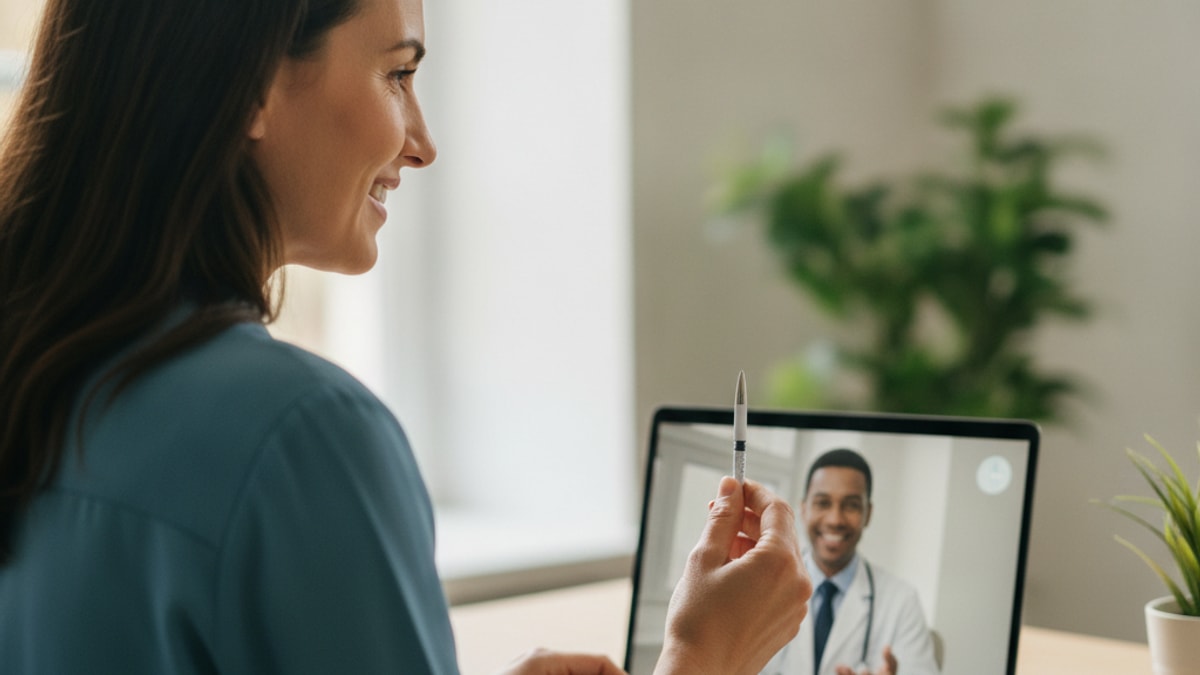
Telehealth Ozempic Newark — How Remote GLP-1 Care Works
Newark ranks among New Jersey's most densely populated cities, yet access to obesity medicine specialists remains constrained. Average wait times for endocrinology appointments exceed six weeks, and many practices no longer accept new patients. For the 38% of Essex County adults classified as obese by CDC metrics, that delay translates to months before starting medically supervised weight loss treatment. Telehealth platforms bypass this bottleneck entirely: licensed providers conduct virtual consultations within 24–48 hours, prescribe compounded semaglutide or tirzepatide under New Jersey telemedicine statutes, and ship medications directly to Newark addresses. No waiting rooms, no insurance pre-authorisation delays, no geographic restrictions within the state.
Our team has guided hundreds of New Jersey residents through this exact process. The gap between understanding how telehealth GLP-1 care works and actually starting treatment comes down to three procedural details most guides never explain: how remote prescribing complies with state medical board requirements, what differentiates compounded semaglutide from brand-name Ozempic, and why some Newark residents qualify immediately while others require additional medical clearance.
What is telehealth Ozempic access in Newark, and how does it differ from traditional in-person care?
Telehealth Ozempic Newark refers to remote access to semaglutide (the active ingredient in Ozempic) through virtual medical consultations with licensed prescribers. Typically via video or phone. Followed by direct shipment of compounded GLP-1 medications to the patient's address. Unlike traditional care requiring in-person visits to endocrinologists or primary care physicians, telehealth platforms complete the entire process remotely: eligibility screening, medical history review, prescriber consultation, and medication fulfillment all happen without leaving your home. Most Newark residents receive their first shipment within 48–72 hours of initial consultation.
The Featured Snippet above covers the 'what'. Now here's the 'why it matters' that most summaries omit. Traditional GLP-1 access in Newark runs through a constrained network: fewer than 15 endocrinologists practice within Essex County, insurance prior authorisation for brand-name Ozempic or Wegovy takes 2–6 weeks (and denials exceed 50%), and out-of-pocket brand-name costs range from $900–$1,300 monthly without coverage. Telehealth platforms solve all three constraints simultaneously. Compounded semaglutide costs 60–85% less than brand-name versions, no insurance involvement means no prior authorisation delays, and virtual consultations eliminate the specialist shortage entirely. This article covers how New Jersey telehealth statutes enable remote GLP-1 prescribing, what medical eligibility requirements apply, and what procedural differences exist between telehealth and in-person weight loss care.
How Telehealth Ozempic Prescribing Works Under New Jersey Law
New Jersey permits remote prescribing of non-controlled medications. Including semaglutide and tirzepatide. Under N.J.A.C. 13:35-6.17, which defines telemedicine as 'the delivery of clinical health care services by means of real-time two-way audio and visual communication.' The statute requires synchronous consultation (live video or phone, not email or asynchronous messaging) and mandates that prescribers establish a valid provider-patient relationship before issuing prescriptions. For GLP-1 medications specifically, that relationship forms during an initial telehealth visit lasting 15–25 minutes, during which the provider reviews medical history, current medications, contraindications, and weight loss goals.
TrimrX operates under this framework. Every Newark consultation runs live with a New Jersey-licensed medical provider (physician, nurse practitioner, or physician assistant under collaborative agreement). The provider assesses BMI eligibility (≥30 kg/m² or ≥27 kg/m² with comorbid conditions like hypertension or type 2 diabetes), screens for contraindications (personal or family history of medullary thyroid carcinoma, history of pancreatitis, pregnancy or planned pregnancy within six months), and documents informed consent regarding off-label use if applicable. Once medical clearance is confirmed, the prescription is sent electronically to a licensed compounding pharmacy. Typically a 503B outsourcing facility registered with the FDA. Which prepares and ships the medication within 24–48 hours to the patient's Newark address.
Compounded semaglutide prepared by 503B facilities is not FDA-approved as a finished drug product, but it contains the same active molecule as brand-name Ozempic. The distinction matters for regulatory clarity: FDA approval applies to the specific formulation, manufacturing process, and delivery device created by Novo Nordisk, not to the semaglutide molecule itself. Compounded versions are legally produced and prescribed when the FDA confirms a shortage of the branded product. A designation that has applied to semaglutide continuously since early 2023 and remains in effect as of 2026. Patients receive lyophilised (freeze-dried) semaglutide powder with bacteriostatic water for reconstitution, administered via subcutaneous injection using insulin syringes rather than pre-filled pens.
What Medical Eligibility Requirements Apply to Telehealth GLP-1 Access
Eligibility for telehealth Ozempic in Newark follows the same clinical criteria as in-person prescribing: BMI ≥30 kg/m² (classified as obese) or BMI ≥27 kg/m² with at least one weight-related comorbidity. Type 2 diabetes, hypertension, dyslipidemia, obstructive sleep apnoea, or cardiovascular disease. Patients outside these thresholds do not qualify under standard prescribing guidelines, though some providers exercise clinical judgment for patients with metabolic syndrome who fall just below the 27 kg/m² threshold.
Absolute contraindications. Conditions that disqualify a patient entirely. Include personal or family history of medullary thyroid carcinoma (MTC), multiple endocrine neoplasia syndrome type 2 (MEN2), current pregnancy or planned pregnancy within the next six months, and history of severe pancreatitis. GLP-1 receptor agonists carry a boxed warning for thyroid C-cell tumours based on rodent studies, and while human data has not confirmed this risk, the FDA mandates that patients with MTC or MEN2 history not receive these medications. Pregnant or breastfeeding individuals are excluded because semaglutide crosses the placenta and no safety data exists for fetal exposure. Standard medical guidance recommends a two-month washout period before attempting conception.
Relative contraindications. Conditions requiring additional evaluation or dose adjustment. Include diabetic retinopathy (rapid glucose reduction can temporarily worsen retinal changes), chronic kidney disease stage 4 or 5, and history of eating disorders. Patients on insulin or sulfonylureas require dose adjustments to prevent hypoglycemia when starting GLP-1 therapy, as the medications amplify insulin secretion and reduce glucagon release. Telehealth providers assess these factors during consultation and may request recent lab work (HbA1c, creatinine, lipid panel) before finalising prescriptions for patients with complex medical histories.
Cost Structure and Insurance Navigation for Telehealth GLP-1 Medications
Brand-name Ozempic (semaglutide for type 2 diabetes) and Wegovy (semaglutide for weight management) list at $900–$1,300 monthly without insurance. Pricing that puts them out of reach for most Newark residents paying out-of-pocket. Insurance coverage for GLP-1 medications remains inconsistent: most plans cover Ozempic for diabetes but exclude Wegovy for weight loss, and prior authorisation requirements often delay access by weeks or result in denials exceeding 50%. Compounded semaglutide through telehealth platforms costs $250–$400 monthly depending on dose and platform, eliminating insurance involvement entirely.
TrimrX charges a flat monthly fee covering the medication, prescriber consultation, and ongoing clinical support. No separate consultation fees, no hidden pharmacy charges, no insurance claims to file. For Newark residents without insurance coverage for weight loss medications, this direct-pay model often costs less than the copay and deductible they would pay through insurance for brand-name Wegovy. The platform ships medications in four-week supplies, with automatic refills coordinated through the prescribing provider. Patients don't need to remember to reorder or schedule follow-up appointments unless dose adjustments are needed.
One cost factor that surprises many patients: injection supplies. Compounded semaglutide arrives as lyophilised powder requiring reconstitution and injection with insulin syringes (typically 0.5mL or 1.0mL with 29G or 30G needles), which must be purchased separately from pharmacies or medical supply retailers. A box of 100 syringes costs $15–$25 and lasts several months at weekly dosing. Brand-name pens include the injection device and don't require separate supplies, but the $900+ monthly cost dwarfs the $20 syringe expense for compounded versions.
Telehealth Ozempic Newark: Comparison of Access Models
| Access Model | Timeline to First Dose | Monthly Cost (Out-of-Pocket) | Prescriber Type | Medication Format | Insurance Involvement |
|---|---|---|---|---|---|
| Telehealth Compounded (TrimrX) | 48–72 hours from consultation | $250–$400 | Licensed MD/NP via video consult | Lyophilised powder + bacteriostatic water (patient reconstitutes) | None. Direct pay |
| In-Person Endocrinologist (Brand-Name) | 4–8 weeks (appointment wait + prior auth) | $900–$1,300 (or $25–$100 copay if covered) | Board-certified endocrinologist | Pre-filled pen (Ozempic 0.5mg/1mg or Wegovy 2.4mg) | Required. Prior auth 2–6 weeks |
| Primary Care Physician (Brand-Name) | 1–3 weeks (appointment + prior auth) | $900–$1,300 (or copay if covered) | Family medicine or internal medicine MD | Pre-filled pen | Required. Coverage inconsistent for weight loss |
| Weight Loss Clinic (In-Person Compounded) | 1–2 weeks | $300–$500 | Clinic-employed provider (MD/NP/PA) | Lyophilised powder or pre-mixed vials | Usually not accepted |
| Bottom Line | Telehealth platforms deliver fastest access and eliminate insurance delays, but require patient comfort with self-injection and reconstitution. Brand-name pens offer convenience but cost 3× more without coverage. In-person endocrinology provides most comprehensive metabolic assessment but longest wait times. |
Key Takeaways
- Telehealth Ozempic access in Newark connects residents to licensed prescribers remotely. Consultations run 15–20 minutes via video or phone, and prescriptions ship within 48 hours to New Jersey addresses.
- Compounded semaglutide costs $250–$400 monthly compared to $900–$1,300 for brand-name Ozempic or Wegovy, eliminating insurance prior authorisation delays that average 2–6 weeks.
- New Jersey telemedicine law (N.J.A.C. 13:35-6.17) requires synchronous audio-visual consultation to establish a valid provider-patient relationship before GLP-1 prescribing. Email-only platforms do not meet this standard.
- Medical eligibility requires BMI ≥30 kg/m² or BMI ≥27 kg/m² with comorbid conditions like type 2 diabetes or hypertension. Patients with personal or family history of medullary thyroid carcinoma cannot use GLP-1 medications.
- Compounded semaglutide arrives as lyophilised powder requiring reconstitution with bacteriostatic water and subcutaneous injection using insulin syringes. Not pre-filled pens like brand-name versions.
- TrimrX serves Newark residents under New Jersey telehealth regulations, providing licensed prescriber access, medication fulfillment, and clinical support without insurance involvement.
What If: Telehealth Ozempic Newark Scenarios
What If I Don't Have Recent Lab Work — Can I Still Start Telehealth Ozempic?
Yes, most telehealth platforms including TrimrX can initiate treatment without recent labs for patients with straightforward medical histories and BMI ≥30 kg/m². The prescriber will assess your medical history during consultation and may request labs (HbA1c, comprehensive metabolic panel, lipid panel) if you have diabetes, kidney disease, or take medications that interact with GLP-1 agonists. For Newark residents without a primary care physician, many platforms coordinate lab orders through Quest Diagnostics or Labcorp locations. Results typically return within 24–48 hours and the prescription processes once clearance is confirmed.
What If My Insurance Covers Brand-Name Wegovy — Should I Use Telehealth Compounded Instead?
If your insurance covers Wegovy with a copay under $100 monthly and prior authorisation is already approved, brand-name may be more cost-effective than compounded semaglutide at $250–$400 monthly. However, most Newark residents face one of three barriers: insurance excludes weight loss medications entirely, prior authorisation gets denied (rejection rates exceed 50% for BMI 27–30 range), or the deductible hasn't been met yet (meaning full $1,300 cost until deductible is satisfied). Telehealth compounded eliminates all three issues. No prior auth, no denials, predictable monthly cost. If you already have active Wegovy coverage, continue it. If you're facing delays or denials, telehealth provides immediate access.
What If I've Never Self-Injected Before — Is Telehealth Ozempic Still Practical?
Absolutely. Subcutaneous injection with insulin syringes is simpler than most patients expect, and platforms like TrimrX provide video tutorials covering reconstitution, dose measurement, and injection technique. The injection itself takes under 30 seconds: pinch abdominal fat, insert needle at 90-degree angle, inject slowly, withdraw needle, apply light pressure. Most first-time users report mild anxiety before the first injection followed by relief at how painless it is (29G and 30G needles are thinner than acupuncture needles). If reconstitution feels overwhelming initially, some compounding pharmacies offer pre-mixed semaglutide vials that eliminate the mixing step. Discuss this option with your provider during consultation.
The Clinical Truth About Telehealth Versus In-Person GLP-1 Care
Here's the honest answer: telehealth GLP-1 prescribing is not inferior to in-person endocrinology care for the majority of weight loss patients. It's procedurally different, but the clinical outcomes are equivalent when eligibility screening and contraindication assessment are performed correctly. The myth that virtual consultations are 'less thorough' ignores the reality that most in-person weight loss visits follow the same protocol. Medical history review, BMI calculation, contraindication screening, informed consent, and prescription. Which translates perfectly to video or phone format.
What telehealth cannot replace is subspecialty metabolic evaluation for patients with complex endocrine disorders. Uncontrolled Cushing's syndrome, severe hypothyroidism, genetic obesity syndromes. Where in-person physical examination and comprehensive lab interpretation by a board-certified endocrinologist adds diagnostic value. For the 95% of Newark residents whose weight gain stems from standard metabolic dysfunction (insulin resistance, leptin resistance, environmental and dietary factors), telehealth platforms deliver identical clinical care at one-third the cost and one-tenth the wait time. The notion that you 'need' an in-person specialist to prescribe semaglutide safely is a barrier created by access constraints, not medical necessity.
Compounded semaglutide prepared by FDA-registered 503B facilities contains the same active molecule as Ozempic. The pharmacological mechanism is identical. It lacks the specific FDA approval granted to Novo Nordisk's finished pen device and formulation, but that regulatory distinction does not translate to inferior efficacy or safety when compounding is performed under USP standards. If the concern is 'is this real semaglutide,' the answer is yes. If the concern is 'will this work the same way,' the answer is also yes. The injectable delivery method differs (syringe versus pen), but GLP-1 receptor binding in the hypothalamus and gut works identically regardless of how the medication enters subcutaneous tissue.
TrimrX connects Newark residents to licensed New Jersey providers who prescribe under the same telemedicine statutes that govern all remote medical care in the state. There is no legal or clinical ambiguity here. Telehealth Ozempic Newark is not a regulatory gray zone or a workaround. It is the standard of care adapted to remove access barriers that delay treatment for months.
If telehealth GLP-1 care feels right for your situation. You meet BMI eligibility, have no contraindications, and want to avoid the insurance prior authorisation process. start your treatment now and connect with a licensed provider within 48 hours. The consultation runs 15–20 minutes, and most Newark residents receive their first shipment within three days of approval.
Frequently Asked Questions
How does telehealth Ozempic prescribing work in Newark — is it legal under New Jersey law?▼
Yes, telehealth GLP-1 prescribing is fully legal in New Jersey under N.J.A.C. 13:35-6.17, which permits remote prescribing of non-controlled medications via synchronous audio-visual consultation. Licensed New Jersey providers conduct live video or phone consultations lasting 15–25 minutes, review medical history and contraindications, and establish a valid provider-patient relationship before issuing prescriptions. Once medical clearance is confirmed, the prescription is sent electronically to a licensed compounding pharmacy, which ships the medication directly to the patient’s Newark address within 24–48 hours. This process complies with state medical board telemedicine standards and does not require in-person visits.
Can I get Ozempic through telehealth if my insurance denied prior authorisation or doesn’t cover weight loss medications?▼
Yes — telehealth platforms like TrimrX bypass insurance entirely by prescribing compounded semaglutide on a direct-pay basis, eliminating prior authorisation requirements and coverage denials. Most Newark residents without insurance coverage for weight loss medications pay $250–$400 monthly for compounded semaglutide, compared to $900–$1,300 for brand-name Wegovy without coverage. The direct-pay model also avoids the 2–6 week prior authorisation delays common with insurance-based prescribing. If your insurance covers Wegovy with a low copay and prior auth is already approved, that may be more cost-effective — but for the majority facing denials or no coverage, telehealth compounded provides faster and cheaper access.
What is the difference between telehealth compounded semaglutide and brand-name Ozempic from a pharmacy?▼
Compounded semaglutide contains the same active molecule as brand-name Ozempic, prepared by FDA-registered 503B facilities under USP standards — it is not ‘fake Ozempic’ or a different compound. The pharmacological mechanism and clinical efficacy are identical. What differs is the formulation: compounded versions arrive as lyophilised powder requiring reconstitution with bacteriostatic water and injection using insulin syringes, while Ozempic comes in pre-filled pens. Compounded semaglutide also lacks the FDA approval granted to Novo Nordisk’s specific pen device and finished formulation, but this regulatory distinction does not affect how the medication works in the body. The practical difference is cost — compounded versions run $250–$400 monthly versus $900–$1,300 for brand-name without insurance.
What medical conditions disqualify me from using telehealth Ozempic in Newark?▼
Absolute contraindications include personal or family history of medullary thyroid carcinoma (MTC), multiple endocrine neoplasia syndrome type 2 (MEN2), current pregnancy or planned pregnancy within six months, and history of severe pancreatitis. GLP-1 medications carry a boxed FDA warning for thyroid C-cell tumours based on rodent studies, so patients with MTC or MEN2 history cannot use them. Relative contraindications requiring additional evaluation include diabetic retinopathy, chronic kidney disease stage 4 or 5, and history of eating disorders. Patients on insulin or sulfonylureas need dose adjustments to prevent hypoglycemia when starting semaglutide. Telehealth providers assess these factors during consultation and may request recent lab work before prescribing for complex cases.
How much does telehealth Ozempic cost in Newark without insurance?▼
Compounded semaglutide through telehealth platforms costs $250–$400 monthly depending on dose and provider, covering the medication, prescriber consultation, and clinical support. TrimrX charges a flat monthly fee with no separate consultation charges or hidden pharmacy fees. This compares to $900–$1,300 monthly for brand-name Ozempic or Wegovy without insurance coverage. Patients also need to purchase insulin syringes separately (a box of 100 costs $15–$25 and lasts several months), as compounded semaglutide requires reconstitution and injection rather than using pre-filled pens. For Newark residents without insurance coverage for weight loss medications, the direct-pay telehealth model typically costs less than the copay and deductible for brand-name prescriptions.
What are the most common side effects of semaglutide, and how long do they last?▼
Gastrointestinal side effects — nausea, vomiting, diarrhoea, and constipation — occur in 30–45% of patients during dose titration and are the primary reason for discontinuation. These effects peak during the first 4–8 weeks at each dose increase as GLP-1 receptors in the gut adjust to higher medication levels, and typically resolve as the body adapts. Standard mitigation strategies include eating smaller, lower-fat meals, avoiding lying down within two hours of eating, staying well-hydrated, and slowing the dose escalation schedule if symptoms are severe. Serious adverse events like pancreatitis and gallbladder disease are rare but documented — patients should report severe abdominal pain, persistent vomiting, or yellowing of skin to their prescriber immediately.
Will I regain weight after stopping telehealth Ozempic?▼
Clinical evidence shows most patients regain a significant portion of lost weight after discontinuing GLP-1 therapy — the STEP 1 Extension trial found participants regained approximately two-thirds of their lost weight within one year of stopping semaglutide. This reflects the fact that GLP-1 medications correct a physiological state (impaired satiety signaling, elevated ghrelin) that returns when the medication is removed, not a failure of the drug itself. For patients who reach goal weight and wish to stop, transition planning with the prescriber — including structured dietary adjustments, increased physical activity, and potentially a lower maintenance dose — can significantly reduce rebound. Many providers now view GLP-1 medications as long-term metabolic management tools rather than short-term weight loss courses, similar to how blood pressure or cholesterol medications are used chronically.
How quickly does semaglutide start working for weight loss?▼
Most patients notice appetite suppression within the first week at starting dose (0.25mg weekly), but meaningful weight reduction — defined as 5% or more of body weight — typically takes 8–12 weeks at therapeutic doses (1.0mg–2.4mg weekly for weight loss). Semaglutide works by slowing gastric emptying and binding to GLP-1 receptors in the hypothalamus to reduce hunger signaling, so the effect scales with dose and dietary structure. Patients who maintain a consistent caloric deficit alongside the medication show 2–3 times the weight loss of those relying on the drug alone without dietary modification. The STEP-1 trial demonstrated 14.9% mean body weight reduction at 68 weeks on 2.4mg weekly semaglutide — results that require both medication adherence and sustained lifestyle changes.
Can I travel with compounded semaglutide, and how do I store it correctly?▼
Yes, but temperature management is critical. Unreconstituted lyophilised peptides can tolerate short-term ambient temperature (up to 25°C for 24–48 hours), but once reconstituted with bacteriostatic water, semaglutide must be refrigerated at 2–8°C and used within 28 days. Any temperature excursion above 8°C causes irreversible protein denaturation that neither appearance nor home potency testing can detect — the medication looks fine but loses efficacy. For travel, use a medical-grade cooler like FRIO wallets (evaporative cooling, no ice required) or insulin travel cases that maintain 2–8°C for 36–48 hours. If flying, carry semaglutide in your personal item with ice packs — checked luggage temperature varies too widely to be safe.
Do Newark residents need a referral from a primary care doctor to use telehealth GLP-1 services?▼
No — telehealth platforms like TrimrX do not require referrals from primary care physicians or specialists. Patients can initiate consultations directly through the platform without needing prior approval from another provider. The telehealth prescriber conducts an independent medical evaluation during the virtual consultation, reviews medical history and contraindications, and determines eligibility based on BMI and comorbid conditions. This direct-access model eliminates the referral step that often delays in-person endocrinology appointments by weeks. However, if you have a primary care doctor, informing them that you’ve started GLP-1 therapy is recommended for continuity of care, especially if you take other medications that may require dose adjustments.

Transforming Lives, One Step at a Time
Keep reading
How to Keep an Ozempic Routine on Rotating Shifts
The good news is that the injection is the easiest part of this. Semaglutide is dosed weekly and has a long duration of action,…

Was Your Weight Gain Really Menopause? What Ozempic Working Tells You
It tells you almost nothing about the cause, and that is worth understanding before you draw conclusions about the last several years. A treatment…

Ozempic and Social Isolation: When Food Was How You Connected
This is a real cost of treatment and it does not get discussed much, partly because it sounds minor next to the medical benefits….


