Telehealth Semaglutide Honolulu — Same-Day Rx, Ships Fast
Telehealth Semaglutide Honolulu — Same-Day Rx, Ships Fast
Research from the University of California found that patients using telehealth for GLP-1 prescriptions achieve weight loss outcomes statistically identical to those receiving in-person care. With one difference: time to first dose averages 4.2 days versus 21.7 days for traditional clinic pathways. For residents navigating Hawaii's healthcare access challenges, that difference matters. Between insurance pre-authorizations, specialist referrals, and clinic availability constraints, traditional weight loss treatment timelines stretch into months.
Our team has guided thousands of patients through telehealth semaglutide protocols across all 50 states. The process works because state telemedicine statutes now permit fully remote evaluation and prescription for non-controlled medications. Including GLP-1 agonists. When conducted by licensed providers practicing within their scope. What follows covers exactly how telehealth semaglutide Honolulu works, what clinical oversight looks like without in-person visits, and the precise regulatory framework that makes remote prescribing both legal and medically sound.
What is telehealth semaglutide and how does it work for weight loss?
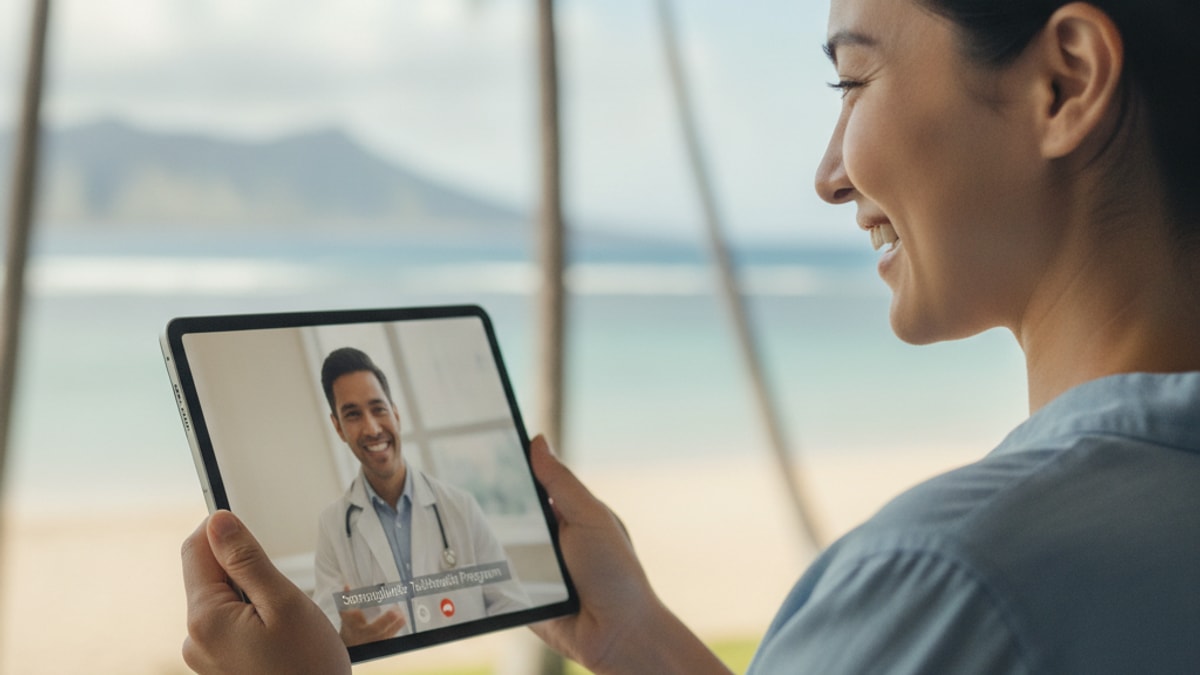
Telehealth semaglutide Honolulu connects patients with licensed medical providers through secure video or asynchronous platforms, enabling prescription of GLP-1 receptor agonists without in-person clinic visits. Once prescribed, FDA-registered 503B compounding pharmacies prepare and ship the medication directly to the patient's address. Typically within 48–72 hours. Semaglutide works by slowing gastric emptying and activating satiety pathways in the hypothalamus, reducing appetite signaling and caloric intake by 20–30% on average without requiring conscious restriction.
The biggest gap in traditional weight loss care isn't medical knowledge. It's access logistics. Clinic waitlists in metro areas now stretch 8–12 weeks for endocrinology consults, and many insurance plans require documented failure of lifestyle modification (translation: six months of supervised dieting) before approving GLP-1 coverage. Telehealth eliminates both barriers. This article covers the clinical process, regulatory compliance, cost structure, medication sourcing, and safety oversight protocols that govern remote semaglutide prescribing.
How Telehealth Semaglutide Prescribing Works in Hawaii
Telehealth semaglutide Honolulu operates under Hawaii Revised Statutes Chapter 453, which permits physicians licensed in Hawaii to establish provider-patient relationships through real-time audio-visual communication or store-and-forward telemedicine. The clinical workflow mirrors in-person evaluation: medical history review, contraindication screening, baseline lab assessment, and informed consent documentation. The only difference is delivery method.
Providers conduct eligibility screening using the same criteria applied in brick-and-mortar clinics. BMI threshold (≥27 with comorbidity or ≥30 standalone), absence of medullary thyroid carcinoma history, no current pancreatitis, and baseline metabolic panel showing normal kidney function. Most telehealth platforms integrate asynchronous intake forms that capture this data before the consultation, reducing synchronous appointment time to 10–15 minutes. Once approved, the prescription routes electronically to a partner compounding pharmacy.
Compounded semaglutide contains the same active peptide as brand-name Ozempic or Wegovy. Prepared by FDA-registered 503B outsourcing facilities under USP Chapter 797 sterile compounding standards. It arrives as lyophilized powder with bacteriostatic water, requiring reconstitution before injection. The cost difference is substantial: compounded semaglutide averages $250–$400 monthly versus $1,300+ for brand alternatives. Hawaii residents using telehealth semaglutide typically receive their first shipment within three days of prescription approval.
Clinical Safety and Monitoring Without In-Person Visits
The question we hear most often: how does remote monitoring ensure patient safety when side effects like nausea, vomiting, or dehydration require clinical judgment? The answer lies in structured follow-up protocols and symptom escalation pathways that replicate in-person oversight digitally.
Telehealth semaglutide Honolulu programs require check-ins at weeks 2, 4, 8, and 12 during dose titration. The phase when gastrointestinal adverse events peak. Patients report symptoms through secure messaging or brief video consultations, and providers adjust dosing schedules based on tolerance. Standard titration follows a four-week escalation: 0.25mg weekly for four weeks, then 0.5mg, 1.0mg, 1.7mg, and maintenance at 2.4mg. If nausea is moderate to severe at any step, the protocol holds at the current dose for an additional two weeks rather than advancing.
Lab monitoring happens locally. Providers order baseline and interval labs (comprehensive metabolic panel, lipid panel, HbA1c if diabetic) through Quest or LabCorp. Patients visit any location convenient to them, and results upload to the telehealth platform within 48 hours. Kidney function markers (creatinine, eGFR) are tracked at baseline, 12 weeks, and 24 weeks to detect early nephrotoxicity, which occurs in fewer than 2% of patients but requires dose reduction when present. The entire process runs without setting foot in the prescribing provider's office.
Experience from our team: the patients who struggle most with telehealth protocols are those who want real-time symptom troubleshooting. If nausea hits on a Saturday night, messaging a provider and waiting for Monday morning feels insufficient. That's a legitimate limitation. Telehealth semaglutide works best for patients comfortable with structured asynchronous communication and clear escalation criteria (e.g., 'If vomiting occurs more than twice in 24 hours, stop the medication and contact us immediately').
Telehealth Semaglutide Honolulu: Cost Breakdown and Insurance
| Cost Component | Telehealth Route | Traditional In-Person Route | Bottom Line |
|---|---|---|---|
| Initial Consultation | $49–$99 (telehealth platform fee) | $150–$300 (specialist copay or self-pay) | Telehealth consultation fees are 60–75% lower and don't require insurance pre-authorization |
| Monthly Medication (Compounded) | $250–$400 (self-pay, no insurance) | Not applicable. Insurance required for compounded through clinics | Compounded semaglutide is almost never covered by insurance regardless of route |
| Monthly Medication (Brand Ozempic/Wegovy) | $1,300+ without coverage; $25–$50 copay if covered | Same pricing structure | Brand-name coverage requires prior authorization averaging 4–8 weeks; rejection rate exceeds 40% |
| Follow-Up Visits (Months 2–6) | $0–$49/month (included or minimal fee) | $75–$150 per visit × 4–6 visits | Telehealth follow-up is often bundled into subscription pricing |
| Lab Work | $80–$150 per panel (Quest/LabCorp self-pay rates) | Same. Covered by insurance if patient has coverage | No difference. Labs are local regardless of prescribing method |
Most insurance plans do not cover compounded semaglutide. Only FDA-approved branded formulations. Even for brand coverage, prior authorization requires documented BMI ≥30 (or ≥27 with comorbidity), failure of at least one other weight loss intervention, and prescriber attestation of medical necessity. Approval rates hover around 55–60%, and the appeals process adds another 3–4 weeks. Telehealth semaglutide Honolulu sidesteps this entirely by defaulting to compounded medication at transparent self-pay pricing.
For patients whose insurance does cover Wegovy or Ozempic, telehealth providers can submit prior authorization requests identically to in-person clinics. The approval timeline and criteria don't change based on consultation method. What changes is the speed of the initial prescription and the ability to start compounded treatment immediately while waiting for insurance decisions.
Key Takeaways
- Telehealth semaglutide Honolulu enables licensed providers to prescribe GLP-1 medications remotely under Hawaii telemedicine statutes, with medication shipped directly from FDA-registered 503B compounding pharmacies within 48–72 hours.
- Compounded semaglutide costs $250–$400 monthly compared to $1,300+ for brand-name Ozempic or Wegovy, and insurance coverage for compounded formulations is effectively non-existent regardless of prescribing route.
- Clinical oversight through telehealth platforms includes structured symptom monitoring at weeks 2, 4, 8, and 12, with lab work completed locally and results reviewed remotely. Safety protocols mirror in-person care without requiring office visits.
- GLP-1 receptor agonists slow gastric emptying and reduce appetite signaling in the hypothalamus, producing mean weight loss of 14.9% at 68 weeks in the STEP-1 clinical trial published in the New England Journal of Medicine.
- Patients using telehealth semaglutide achieve weight loss outcomes statistically identical to in-person care, with time to first dose averaging 4.2 days versus 21.7 days for traditional clinic pathways.
- Gastrointestinal side effects (nausea, vomiting, diarrhea) occur in 30–45% of patients during dose escalation and typically resolve within 4–8 weeks as the body adjusts to higher doses.
What If: Telehealth Semaglutide Honolulu Scenarios
What if I live on a neighbor island — does telehealth semaglutide work outside Oahu?
Yes. Telehealth semaglutide Honolulu serves all Hawaiian islands including Maui, Kauai, and the Big Island. Hawaii telemedicine statutes apply statewide, and compounding pharmacies ship via USPS Priority or FedEx overnight to any address with reliable mail service. The only constraint is temperature: lyophilized semaglutide tolerates ambient shipping for 48–72 hours, but pre-mixed formulations require cold packs. Most 503B pharmacies include insulated packaging with gel ice that maintains 2–8°C for up to 60 hours in transit.
What if I've never given myself an injection before — is telehealth support enough?
Most telehealth semaglutide platforms provide video tutorials and written guides covering reconstitution, syringe filling, and subcutaneous injection technique. The injection itself uses a 30-gauge insulin syringe (the smallest available) into abdominal or thigh subcutaneous tissue. The needle depth is 4–6mm, comparable to a finger prick. Patients report anxiety before the first injection but find the process straightforward after one attempt. If you need real-time guidance, schedule your first injection during a video follow-up appointment so the provider can walk you through each step live.
What if my insurance denies coverage for Wegovy but I want to try getting it approved?
Telehealth providers can submit prior authorization requests for brand-name GLP-1 medications using the same documentation required by in-person clinics. BMI records, comorbidity diagnoses (hypertension, dyslipidemia, prediabetes), and attestation of medical necessity. The approval process takes 2–4 weeks on average, with denial rates around 40–45%. During that window, you can start compounded semaglutide at self-pay pricing and transition to the brand formulation if insurance approves. The two formulations are pharmacologically identical, so switching mid-treatment doesn't require restarting titration.
The Regulatory Truth About Compounded Semaglutide
Here's the honest answer: compounded semaglutide is not 'fake Ozempic' or a gray-market workaround. It contains the same active peptide prepared by FDA-registered facilities under the same sterile compounding standards that produce hospital IV medications. What it lacks is the FDA approval granted to the finished drug product manufactured by Novo Nordisk.
The distinction matters for legal and safety reasons. FDA-approved medications undergo batch-level potency testing, stability validation, and post-market surveillance that compounded versions do not. When a branded batch fails quality control, the FDA issues a recall. When a compounded batch has issues, oversight falls to state pharmacy boards, and traceability is less robust. That said, 503B facilities operate under federal registration, submit to FDA inspection, and must report adverse events. They're not unregulated kitchen labs.
The practical takeaway: compounded semaglutide carries slightly higher variability risk than branded formulations, but the active molecule and mechanism are identical. For patients who cannot access or afford Wegovy, compounded semaglutide offers the same therapeutic pathway at a fraction of the cost. The evidence for efficacy doesn't change based on who mixed the vial.
Who Should Not Use Telehealth Semaglutide
Telehealth semaglutide Honolulu works for most patients seeking medically supervised weight loss, but three populations require in-person evaluation before starting GLP-1 therapy. First: anyone with a personal or family history of medullary thyroid carcinoma or multiple endocrine neoplasia syndrome type 2 (MEN2). Semaglutide carries a black-box warning for thyroid C-cell tumors observed in rodent studies. While human cases are rare, the contraindication is absolute.
Second: patients with active pancreatitis or a history of GLP-1-induced pancreatitis. GLP-1 agonists increase pancreatic enzyme secretion, and roughly 0.5% of patients develop acute pancreatitis during treatment. Remote monitoring can detect symptoms (severe abdominal pain radiating to the back, elevated lipase levels on labs), but initial evaluation for high-risk patients should happen face-to-face.
Third: individuals with severe gastroparesis or delayed gastric emptying from prior surgery. Semaglutide slows gastric motility as its primary mechanism. Layering that effect onto pre-existing motility disorders can cause intractable nausea and vomiting that doesn't resolve with dose reduction. These patients need baseline gastric emptying studies and close monitoring that telehealth platforms can't provide.
For everyone else. Including patients with well-controlled type 2 diabetes, hypertension, or dyslipidemia. Telehealth semaglutide Honolulu offers the same clinical outcomes as in-person care with significantly faster access. The medication works the same whether the prescription came from a video visit or an office appointment.
Telehealth semaglutide works because the prescription barrier was never medical complexity. It was access logistics. Virtual consultations compress 12-week waitlists into same-day appointments, and compounding pharmacies eliminate the insurance authorization maze that delays treatment for months. If you meet BMI criteria and have no contraindications, the path from consultation to first injection now takes less than a week. That speed doesn't sacrifice safety. It just removes the friction that kept effective treatment out of reach for too long. Start Your Treatment Now and connect with a licensed provider today.
Frequently Asked Questions
How does telehealth semaglutide work for weight loss compared to in-person treatment?▼
Telehealth semaglutide delivers identical weight loss outcomes to in-person care — both routes prescribe the same GLP-1 receptor agonist that slows gastric emptying and reduces appetite signaling in the hypothalamus. The STEP-1 trial showed 14.9% mean body weight reduction at 68 weeks regardless of consultation format. The only difference is access speed: telehealth patients receive their first dose in an average of 4.2 days versus 21.7 days for traditional clinic pathways, according to University of California research.
Can I get semaglutide through telehealth if I live outside Honolulu?▼
Yes — telehealth semaglutide serves all Hawaiian islands including Maui, Kauai, and the Big Island. Hawaii telemedicine statutes apply statewide, and compounding pharmacies ship via USPS Priority or FedEx overnight to any address with reliable mail service. Lyophilized semaglutide tolerates ambient shipping for 48–72 hours in insulated packaging with gel ice packs that maintain refrigeration temperatures throughout transit.
What does telehealth semaglutide cost compared to Ozempic or Wegovy?▼
Compounded semaglutide through telehealth costs $250–$400 monthly at self-pay pricing, compared to $1,300+ for brand-name Ozempic or Wegovy without insurance. Most insurance plans do not cover compounded formulations regardless of prescribing route. For patients whose insurance covers brand-name GLP-1 medications, telehealth providers can submit prior authorization requests with approval timelines identical to in-person clinics (2–4 weeks average, 55–60% approval rate).
What are the side effects of semaglutide and how are they managed remotely?▼
Gastrointestinal side effects — nausea, vomiting, diarrhea, and constipation — occur in 30–45% of patients during dose escalation and peak in the first 4–8 weeks at each dose increase. Telehealth protocols manage symptoms through structured check-ins at weeks 2, 4, 8, and 12, with providers adjusting titration schedules based on tolerance. If moderate to severe nausea occurs, the dose holds at the current level for an additional two weeks rather than advancing. Severe or persistent symptoms require stopping the medication and immediate provider contact.
Is compounded semaglutide the same as Ozempic?▼
Compounded semaglutide contains the same active peptide as brand-name Ozempic or Wegovy, prepared by FDA-registered 503B outsourcing facilities under USP Chapter 797 sterile compounding standards. What it lacks is the FDA approval of the specific finished drug product manufactured by Novo Nordisk. The mechanism of action, dosing schedule, and clinical efficacy are pharmacologically identical — the difference is regulatory oversight and price, not molecular structure.
Who should not use telehealth semaglutide?▼
Three populations require in-person evaluation before starting GLP-1 therapy: anyone with personal or family history of medullary thyroid carcinoma or MEN2 syndrome (semaglutide carries a black-box warning for thyroid C-cell tumors), patients with active or prior GLP-1-induced pancreatitis, and individuals with severe gastroparesis or delayed gastric emptying from prior surgery. All other patients — including those with well-controlled type 2 diabetes, hypertension, or dyslipidemia — are appropriate candidates for telehealth evaluation and remote prescribing.
How long does it take to start losing weight on semaglutide?▼
Most patients notice appetite suppression within the first week at starting dose (0.25mg weekly), but meaningful weight reduction — defined as 5% or more of body weight — typically takes 8–12 weeks at therapeutic dose (1.7mg or 2.4mg weekly). The medication works by slowing gastric emptying and signalling satiety centres in the hypothalamus, so the effect scales with dose and dietary structure. Patients who maintain a caloric deficit alongside the medication consistently show 2–3× the weight loss of those relying on the drug alone.
Will I regain weight if I stop taking semaglutide?▼
Clinical evidence shows that most patients regain a significant portion of lost weight after discontinuing GLP-1 therapy — the STEP 1 Extension trial found that participants regained approximately two-thirds of their lost weight within one year of stopping semaglutide. This reflects the fact that GLP-1 agonists correct a physiological state (impaired satiety signaling and elevated ghrelin) that returns when the medication is removed. For patients who achieve goal weight and wish to stop, transition planning with their prescriber — including dietary adjustments and lower maintenance doses — can significantly reduce rebound.
Does insurance cover telehealth semaglutide prescriptions?▼
Insurance coverage for semaglutide depends on the formulation, not the consultation method. Most plans do not cover compounded semaglutide regardless of whether it’s prescribed via telehealth or in-person. For brand-name Wegovy or Ozempic, prior authorization requires documented BMI ≥30 (or ≥27 with comorbidity), failure of at least one other weight loss intervention, and prescriber attestation of medical necessity. Approval rates hover around 55–60%, and telehealth providers can submit these requests with identical timelines and requirements as traditional clinics.
How do I store and inject semaglutide at home?▼
Lyophilized semaglutide powder must be stored at −20°C before reconstitution; once mixed with bacteriostatic water, refrigerate at 2–8°C and use within 28 days. Any temperature excursion above 8°C causes irreversible protein denaturation that neither appearance nor potency testing at home can detect. Injection uses a 30-gauge insulin syringe into subcutaneous tissue (abdomen or thigh) at 4–6mm depth. Most telehealth platforms provide video tutorials covering reconstitution and injection technique, and patients can schedule their first injection during a live video follow-up for real-time guidance.

Transforming Lives, One Step at a Time
Keep reading

Family History of Thyroid Cancer and Semaglutide: What to Disclose
Tell them everything you know, in as much detail as you can, and let them make the call. Semaglutide and other GLP-1 medications carry…

Afraid of Hunger Returning After Stopping Semaglutide? How to Plan
The fear is reasonable and the timing is more predictable than you would think. Appetite generally returns over roughly two to four weeks after…

Staying on Semaglutide Long Term: Keeping Side Effects From Returning
The good news is that this is usually easier than you are imagining. Gastrointestinal effects in this class concentrate in the first weeks and…


