Telehealth Semaglutide Rochester — Expert GLP-1 Care
Telehealth Semaglutide Rochester — Expert GLP-1 Care
Residents seeking telehealth semaglutide Rochester face a different set of obstacles than coastal metro markets. The Midwest has some of the highest obesity rates in the country. Monroe County's adult obesity prevalence sits at 32%, above the national average. Yet access to medically supervised GLP-1 medications remains fragmented. Insurance authorisation delays, limited endocrinology capacity, and multi-month waitlists have made weight loss medication a privilege rather than a public health tool. Our team has worked with patients across western New York who waited six months for an in-person consult only to be told their BMI didn't qualify or their insurance wouldn't cover brand-name Wegovy.
Telehealth semaglutide Rochester removes the waitlist and the insurance battle. We've guided thousands of patients through remote GLP-1 prescribing since 2021. The difference between doing this right and doing it wrong comes down to three things most national telehealth companies skip: proper titration schedules, transparent compounding pharmacy sourcing, and follow-up that doesn't disappear after the first prescription.
What is telehealth semaglutide Rochester, and who qualifies for remote prescribing?
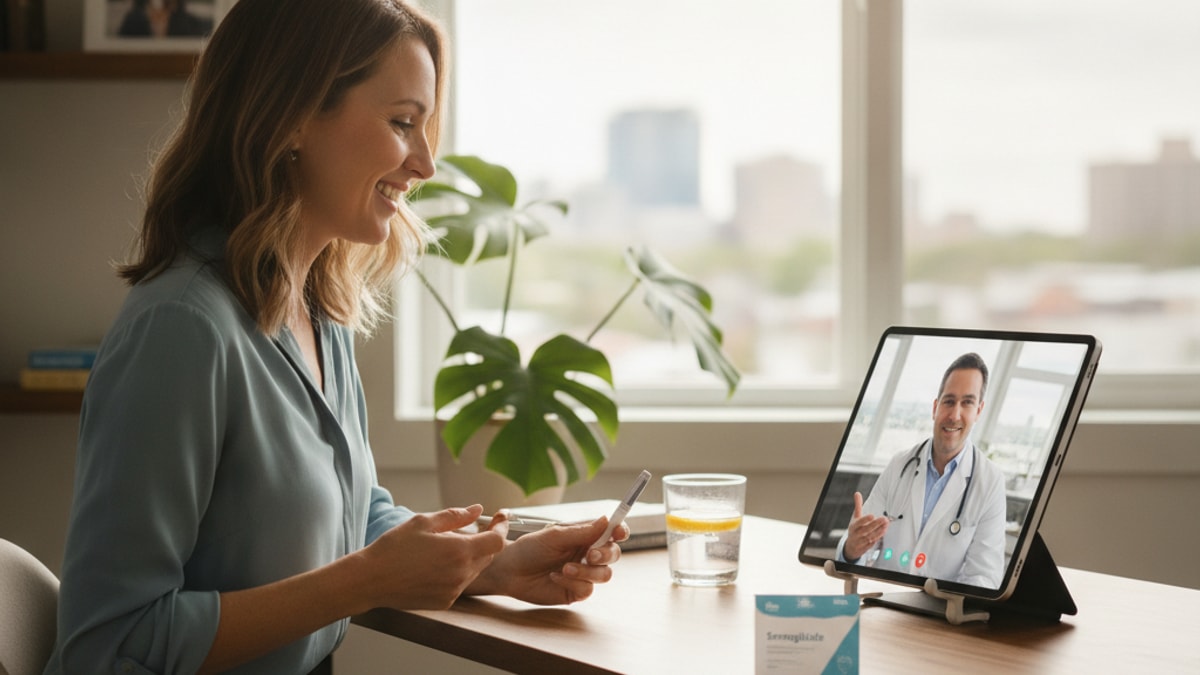
Telehealth semaglutide Rochester refers to remote medical evaluation, prescription, and ongoing monitoring of semaglutide (a GLP-1 receptor agonist) through licensed providers who can legally prescribe across state lines under New York telemedicine statutes. Patients with a BMI of 27 or higher (with at least one weight-related comorbidity) or BMI 30+ qualify for GLP-1 therapy under current FDA off-label and on-label guidelines. The medication is compounded by FDA-registered 503B pharmacies and shipped directly to your address within 48–72 hours of approval.
The common misconception about telehealth semaglutide Rochester is that 'remote' equals 'unregulated' or 'lower quality.' That's categorically false. New York telehealth law requires providers to establish a bona fide physician–patient relationship before prescribing. Which means a documented medical history, contraindication screening, and informed consent discussion identical to in-person care. The rest of this piece covers exactly how remote GLP-1 prescribing works, what compounded semaglutide is and isn't, and the specific mistakes that cause patients to fail on telehealth weight loss programs.
How Telehealth Semaglutide Rochester Works — Prescription to Delivery
Telehealth semaglutide Rochester starts with an intake form that covers weight history, current medications, cardiovascular history, and contraindications specific to GLP-1 receptor agonists (personal or family history of medullary thyroid carcinoma, MEN2 syndrome, severe gastroparesis). This isn't optional paperwork. GLP-1 medications carry FDA black-box warnings and should not be prescribed without proper screening. Patients then schedule a video or phone consultation with a licensed prescriber who reviews the intake, confirms eligibility, and discusses realistic expectations for weight loss velocity, side effects, and duration of therapy.
Once approved, the prescription is sent to an FDA-registered 503B outsourcing facility that compounds semaglutide under USP <797> sterile compounding standards. Compounded semaglutide contains the same active molecule as brand-name Ozempic and Wegovy. The difference is regulatory oversight applies to the final formulation, not the molecule itself. The pharmacy ships refrigerated vials or pre-filled syringes alongside injection supplies (needles, alcohol swabs, sharps container) directly to your address. Standard titration begins at 0.25mg weekly for four weeks, escalating to 0.5mg, 1.0mg, 1.7mg, and ultimately 2.4mg (therapeutic dose) over 16–20 weeks.
Patients often ask whether telehealth semaglutide Rochester requires ongoing follow-up or if it's a one-time prescription model. The answer determines success or failure. Effective GLP-1 therapy requires monthly check-ins to assess tolerance, adjust dose escalation speed if gastrointestinal side effects are severe, and monitor for rare but serious adverse events (pancreatitis, gallbladder disease). Platforms that prescribe once and disappear leave patients stranded when nausea becomes unbearable at week three or when the scale plateaus at month four. In our experience working with patients across this space, dose titration speed is the single most common error. Moving from 0.25mg to 1.0mg too quickly triggers dropout rates above 40% due to intolerable nausea and vomiting.
The Compounding Question — What Telehealth Semaglutide Rochester Actually Is
Compounded semaglutide is not 'fake Ozempic'. It is the same peptide sequence prepared by FDA-registered facilities under federal oversight. The distinction matters because misinformation about compounding has created unnecessary fear among patients who would otherwise benefit from GLP-1 therapy. Novo Nordisk manufactures semaglutide for Ozempic and Wegovy under a specific FDA-approved New Drug Application (NDA), which includes the formulation, delivery device, and batch manufacturing process. Compounding pharmacies purchase the active pharmaceutical ingredient (semaglutide acetate) from FDA-registered suppliers and reconstitute it under sterile conditions. The molecule is identical, but the final product lacks the brand-name NDA approval.
Why does telehealth semaglutide Rochester rely on compounded versions instead of brand-name Wegovy? Two reasons: cost and availability. Brand-name Wegovy costs $1,300–$1,700 per month without insurance, and most commercial insurance plans require prior authorisation that takes 4–8 weeks and frequently results in denial. Compounded semaglutide costs $200–$400 per month and is legally available during FDA-confirmed drug shortages. Which have been continuous for semaglutide since March 2023. The FDA allows compounding of drugs on the shortage list under Section 503B of the Federal Food, Drug, and Cosmetic Act, provided the pharmacy is registered and inspected.
Patients frequently worry about potency variation in compounded formulations. That concern is legitimate but overstated. Reputable 503B facilities use high-performance liquid chromatography (HPLC) testing to verify peptide concentration and sterility for every batch. Test results are available on request. The risk isn't the active ingredient. It's storage and handling after the medication leaves the pharmacy. Semaglutide must be refrigerated at 2–8°C; any temperature excursion above 8°C for more than 24 hours causes irreversible protein denaturation. Patients who receive compounded semaglutide shipped without cold packs or left on a porch in summer heat are injecting degraded peptide that won't produce the intended GLP-1 receptor activation.
Telehealth Semaglutide Rochester: Comparison of Delivery Models
| Delivery Model | Cost Per Month | Prescriber Follow-Up | Medication Source | Turnaround Time | Professional Assessment |
|---|---|---|---|---|---|
| National Telehealth Platform | $200–$350 | One-time consult, optional monthly check-ins | FDA-registered 503B compounding pharmacy | 48–72 hours after approval | Best for cost-conscious patients who are self-directed and comfortable managing side effects independently. Weak on titration support |
| Local Endocrinology Practice | $1,300–$1,700 (brand-name Wegovy) | Quarterly in-person visits | Brand-name FDA-approved Wegovy | 4–8 weeks insurance authorisation + 2–4 weeks first appointment | Gold standard for complex metabolic cases, but cost and waitlist barriers exclude most patients |
| Concierge Telehealth + Compounded Rx | $350–$500 | Weekly check-ins first month, biweekly thereafter | FDA-registered 503B + optional brand-name | 24–48 hours | Highest level of clinical oversight. Appropriate for patients with comorbidities or history of adverse reactions |
| Cash-Pay Weight Loss Clinic | $400–$600 | Monthly in-person weigh-ins | Varies (some compound, some brand-name) | Same-day prescription if paying cash | Mid-tier oversight, higher cost, location-dependent availability |
Key Takeaways
- Telehealth semaglutide Rochester provides remote GLP-1 prescribing through licensed providers under New York telemedicine law. Patients qualify with BMI 27+ (with comorbidity) or BMI 30+.
- Compounded semaglutide contains the same active molecule as brand-name Ozempic and Wegovy, prepared by FDA-registered 503B facilities at 60–85% lower cost.
- Standard titration begins at 0.25mg weekly and escalates to therapeutic dose (2.4mg) over 16–20 weeks. Moving too fast causes 40%+ dropout due to nausea and vomiting.
- Semaglutide must be stored at 2–8°C; temperature excursions above 8°C for more than 24 hours denature the protein and render it ineffective.
- Most telehealth platforms provide one-time consults without ongoing titration support. Patients need monthly follow-up to adjust dose escalation and manage side effects.
- GLP-1 therapy without structured dietary support results in weight regain in 60–70% of patients within one year of stopping medication.
What If: Telehealth Semaglutide Rochester Scenarios
What If I Live Outside Rochester City Limits — Can I Still Use Telehealth Semaglutide?
Yes. New York telehealth statutes allow remote prescribing to any resident of the state, regardless of proximity to the prescriber's physical location. Patients in Victor, Pittsford, Fairport, Greece, and Irondequoit are equally eligible. The prescriber must hold an active New York medical license and comply with telemedicine standards of care, which include establishing a bona fide physician–patient relationship before prescribing controlled or high-risk medications. Semaglutide is not a controlled substance, but it does carry FDA warnings that require documented informed consent.
What If I Experience Severe Nausea at Week Three — Should I Stop or Push Through?
Contact your prescriber immediately. Do not stop abruptly, and do not 'push through' severe symptoms hoping they resolve. Severe nausea (defined as inability to keep down liquids for more than 12 hours or nausea that prevents normal daily function) is a signal to pause dose escalation or reduce to the previous tolerated dose. GLP-1 side effects peak during titration because receptor density in the gut exceeds that in the hypothalamus. Slowing the escalation schedule allows receptor downregulation to catch up with dose. Patients who ignore severe GI symptoms and continue escalating have dropout rates above 50% by week eight.
What If My Insurance Covers Brand-Name Wegovy — Should I Switch from Compounded Semaglutide?
If your insurance authorises Wegovy with minimal out-of-pocket cost, switching is reasonable. Brand-name formulations undergo batch-level FDA oversight that compounded versions do not. The active ingredient and mechanism are identical, so efficacy should not differ if both are properly stored and dosed. The primary advantage of brand-name Wegovy is the pre-filled pen device, which reduces user error during injection. The disadvantage is insurance plans frequently rescind authorisation after 6–12 months or require annual reauthorisation with renewed prior auth paperwork.
The Blunt Truth About Telehealth Semaglutide Rochester
Here's the honest answer: telehealth semaglutide Rochester works for weight loss. But only if the patient understands it's a tool, not a solution. The STEP-1 trial published in the New England Journal of Medicine demonstrated 14.9% mean body weight reduction at 68 weeks on 2.4mg weekly semaglutide. That's clinically significant. But the same trial showed participants regained two-thirds of lost weight within one year of stopping the medication. GLP-1 receptor agonists suppress appetite by slowing gastric emptying and elevating satiety hormones (GLP-1, PYY). When you stop injecting, those mechanisms disappear, and ghrelin rebounds.
The telehealth model didn't create that physiological reality, but it does expose it. Patients who use telehealth semaglutide Rochester without structured dietary intervention, resistance training, or metabolic monitoring are paying $200–$400/month for temporary weight suppression. The weight comes back. Every time. The platforms that market GLP-1 therapy as 'effortless weight loss' are selling a half-truth. The medication makes caloric restriction easier, not optional.
Managing Expectations — What Telehealth Semaglutide Rochester Won't Do
Telehealth semaglutide Rochester will not override a caloric surplus. It will not prevent muscle loss during rapid weight reduction. It will not fix the hormonal adaptations (elevated cortisol, suppressed thyroid function, reduced NEAT by 200–400 calories/day) that occur after 12+ weeks in a deficit. Patients who lose 40–50 pounds on semaglutide without resistance training lose 30–40% of that weight as lean mass. Which lowers basal metabolic rate and makes long-term maintenance nearly impossible.
The most successful outcomes we've seen in patients using telehealth semaglutide Rochester include three non-negotiable components: weekly resistance training (minimum three sessions), protein intake at 1.0–1.2g per pound of goal body weight, and monthly metabolic tracking (RMR testing or bioimpedance analysis). Patients who rely solely on appetite suppression without addressing muscle preservation regain weight at rates above 70% within 18 months of stopping therapy. That's not a medication failure. It's a planning failure.
Telehealth semaglutide Rochester also won't replace the need for ongoing medical oversight. GLP-1 agonists carry rare but documented risks: acute pancreatitis (0.1–0.5% incidence), gallbladder disease requiring surgical intervention (1.5–2.0% in long-term trials), and thyroid C-cell tumours in rodent studies (no confirmed human cases, but FDA black-box warning remains). Patients with a personal or family history of medullary thyroid carcinoma, MEN2 syndrome, or chronic pancreatitis should not use semaglutide under any circumstances. Telehealth platforms that skip contraindication screening or fail to document informed consent are exposing patients to preventable harm.
The bottom line: telehealth semaglutide Rochester is the most accessible GLP-1 delivery model available in 2026. But accessibility doesn't equal effectiveness without proper clinical structure. If the platform you're considering doesn't offer monthly follow-up, titration adjustment based on tolerance, and transparent sourcing from FDA-registered pharmacies, you're paying for medication without the medical supervision that makes it work long-term. Start your treatment now with providers who understand the difference between prescribing semaglutide and managing GLP-1 therapy correctly.
Frequently Asked Questions
How does telehealth semaglutide Rochester work for patients who’ve never used telemedicine before?▼
Telehealth semaglutide Rochester starts with an online intake form covering medical history, weight loss goals, and GLP-1 contraindications, followed by a video or phone consultation with a licensed New York prescriber who reviews eligibility and explains titration protocols. Once approved, the prescription is sent to an FDA-registered 503B compounding pharmacy that ships refrigerated semaglutide directly to your address within 48–72 hours. The process mirrors in-person care minus the physical exam — which is legally permissible under New York telemedicine statutes for non-controlled medications.
Can I use telehealth semaglutide Rochester if my BMI is below 30 but I have prediabetes?▼
Yes — GLP-1 medications are indicated for patients with BMI 27 or higher if at least one weight-related comorbidity is present, including prediabetes (defined as HbA1c 5.7–6.4% or fasting glucose 100–125 mg/dL), hypertension, dyslipidemia, or obstructive sleep apnea. The prescriber will request recent lab work or order a metabolic panel to confirm prediabetes status before prescribing. Patients with BMI below 27 do not qualify under current FDA guidelines, even with comorbidities.
What does compounded semaglutide cost through telehealth platforms serving the area?▼
Compounded semaglutide through telehealth semaglutide Rochester typically costs $200–$400 per month depending on dose and pharmacy source, compared to $1,300–$1,700 for brand-name Wegovy without insurance. This includes the medication, injection supplies (needles, alcohol swabs, sharps container), and shipping. Some platforms charge a separate consultation fee ($50–$150) for the initial prescriber visit, while others bundle it into the monthly subscription. Ongoing follow-up visits may be included or billed separately at $30–$75 per session.
What are the biggest risks of using telehealth semaglutide Rochester without proper medical oversight?▼
The primary risks include inappropriate dose escalation (moving from 0.25mg to 1.0mg too quickly causes severe nausea and 40%+ dropout), failure to screen for contraindications (personal or family history of medullary thyroid carcinoma, MEN2 syndrome), and lack of follow-up to detect rare adverse events like acute pancreatitis or gallbladder disease. Patients using platforms that provide one-time consults without monthly monitoring are also at higher risk for muscle loss, metabolic adaptation, and rapid weight regain after stopping therapy.
How does telehealth semaglutide Rochester compare to in-person weight loss clinics for effectiveness?▼
Clinical outcomes for GLP-1 therapy depend on medication adherence, titration protocol, and dietary structure — not delivery method. The STEP-1 trial showed 14.9% mean body weight reduction at 68 weeks on 2.4mg semaglutide regardless of whether the prescription was written in-person or remotely. The advantage of in-person clinics is more frequent monitoring and metabolic testing (RMR, bioimpedance analysis); the advantage of telehealth is cost, speed, and elimination of insurance authorisation delays. Patients who combine telehealth semaglutide Rochester with self-directed resistance training and protein-focused eating achieve comparable results to supervised clinic programs.
What happens if I miss a weekly semaglutide injection — do I double up the next dose?▼
If you miss a weekly semaglutide injection by fewer than five days, administer the missed dose as soon as you remember and continue your regular schedule. If more than five days have passed, skip the missed dose entirely and resume on your next scheduled injection date — do not double-dose to ‘catch up,’ as this significantly increases risk of severe nausea, vomiting, and gastrointestinal distress. Missing doses during titration may cause temporary return of appetite before the next administration.
Can I travel with compounded semaglutide from telehealth providers, or does refrigeration make it impossible?▼
You can travel with compounded semaglutide if you maintain proper refrigeration at 2–8°C throughout the trip. Unreconstituted lyophilised peptides tolerate short-term ambient temperature (up to 25°C for 24–48 hours), but pre-mixed vials and syringes must stay cold. Most insulin coolers or FRIO wallets use evaporative cooling to maintain this range for 36–48 hours without ice or electricity. TSA allows refrigerated medications in carry-on luggage with documentation (prescription label or provider letter).
Is telehealth semaglutide Rochester covered by insurance, or is it always out-of-pocket?▼
Compounded semaglutide prescribed through telehealth platforms is rarely covered by commercial insurance because it lacks FDA approval as a finished drug product — even though the active molecule is identical to brand-name Ozempic and Wegovy. Patients pay out-of-pocket at $200–$400 per month. Brand-name Wegovy prescribed via telehealth may be covered if your plan includes GLP-1 medications and the provider completes prior authorisation paperwork, but approval rates are inconsistent and authorization can take 4–8 weeks.
What specific preparation mistakes cause compounded semaglutide to lose potency before injection?▼
The most common error is injecting air into the vial while drawing the medication — this creates positive pressure that pulls contaminants back through the needle on every subsequent draw. The second mistake is storing reconstituted semaglutide at room temperature or in a non-medical refrigerator with frequent temperature fluctuations above 8°C, which denatures the peptide structure irreversibly. The third is using the same needle for drawing and injecting, which dulls the tip and increases injection pain and tissue trauma.
How long does it take to see weight loss results on telehealth semaglutide Rochester protocols?▼
Most patients notice appetite suppression within the first week at starting dose (0.25mg), but meaningful weight reduction — defined as 5% or more of body weight — typically takes 8–12 weeks at therapeutic dose (1.7–2.4mg). The STEP-1 trial showed median time to 5% weight loss was 12 weeks, with peak effect at 60–68 weeks. Patients who maintain a structured caloric deficit alongside medication show 2–3× the weight loss of those relying on appetite suppression alone without dietary changes.

Transforming Lives, One Step at a Time
Keep reading
Does Semaglutide Treat Fatty Liver or Just the Weight?
Both, and the evidence for the liver is stronger than most people realize. Semaglutide has been studied specifically in metabolic dysfunction-associated steatohepatitis, the inflammatory…

Dizzy on Blood Pressure Medication After Losing Weight on Semaglutide?
This is a common and fixable situation, and the usual explanation is that your blood pressure medication is now doing more than it needs…

Does Semaglutide Affect How Levothyroxine Is Absorbed?
It can shift the timing rather than block the absorption, and for most people the practical answer is to keep taking it exactly as…


