Telehealth Semaglutide Salinas — Online GLP-1 Prescriptions
Telehealth Semaglutide Salinas — Online GLP-1 Prescriptions
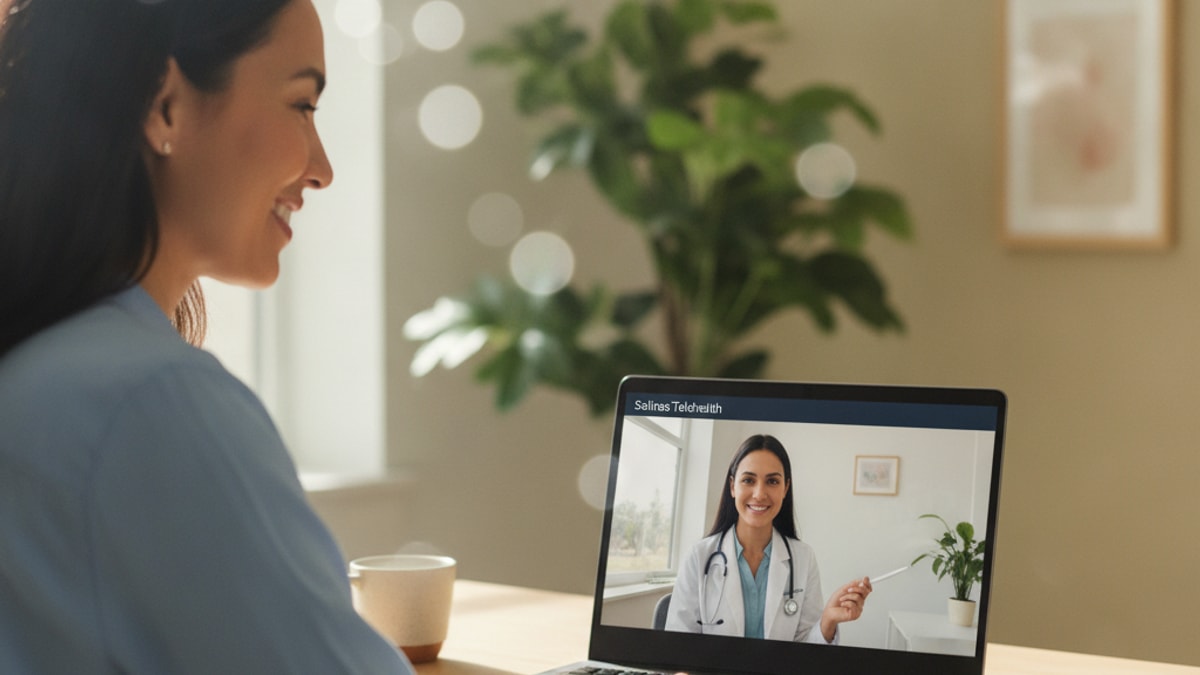
Residents across Salinas, Monterey, and Seaside no longer need to schedule appointments three months out to access GLP-1 weight loss medications. Telehealth semaglutide Salinas has removed the geographical and scheduling barriers that once made medically supervised weight loss inaccessible for working professionals, parents managing multiple schedules, and anyone without reliable transportation to specialty clinics. Our team has guided hundreds of California patients through this exact transition. From initial consultation to the first injection at home. And the process runs smoother than most people expect.
The shift happened because compounded semaglutide became legally available during the FDA-documented shortage that began in 2023 and continues in 2026. Licensed 503B pharmacies can now prepare the same active molecule used in Ozempic and Wegovy at 60–85% lower cost, shipped directly to patients after a provider consultation conducted entirely over secure video. No insurance pre-authorization. No specialist referral. No driving to Salinas Valley Memorial or waiting in lobbies.
What is telehealth semaglutide in Salinas, and how does it work?
Telehealth semaglutide Salinas refers to medically supervised GLP-1 weight loss treatment delivered entirely through remote consultation. Licensed providers evaluate eligibility, prescribe compounded semaglutide, and coordinate delivery to any California address without requiring in-person appointments. The medication itself is identical to branded semaglutide: a GLP-1 receptor agonist that slows gastric emptying, reduces appetite signaling in the hypothalamus, and allows sustained caloric reduction without the metabolic adaptation that makes traditional dieting so difficult. Most patients using 2.4mg weekly semaglutide achieve 10–15% body weight reduction within six months when combined with structured dietary support.
The common misconception is that 'telehealth semaglutide' means unsupervised or unregulated access. That's false. Every prescription issued through platforms like TrimRx requires a live video consultation with a California-licensed physician or nurse practitioner, documented medical history review, and ongoing monitoring for adverse events. The telehealth structure doesn't reduce clinical oversight. It removes the logistical friction that prevented most people from starting treatment in the first place. This article covers how telehealth semaglutide works mechanistically, what the consultation process entails, how compounded versions differ from brand-name products, and what mistakes people make when starting GLP-1 therapy without proper preparation.
How Telehealth Semaglutide Works for Weight Loss
Semaglutide functions as a GLP-1 receptor agonist. It binds to glucagon-like peptide-1 receptors in the hypothalamus and gastrointestinal tract, triggering two simultaneous effects that create sustained weight loss. First, it delays gastric emptying by up to 70 minutes per meal, extending the postprandial elevation of satiety hormones like GLP-1 and PYY. This delays the ghrelin rebound that normally triggers hunger 90–120 minutes after eating. Second, it acts directly on appetite centres in the brain, reducing food-seeking behavior independent of caloric intake. The appetite suppression isn't willpower. It's a pharmacological interruption of the hormonal cascade that drives overeating.
The STEP-1 trial published in the New England Journal of Medicine demonstrated 14.9% mean body weight reduction at 68 weeks on 2.4mg weekly semaglutide versus 2.4% on placebo. Patients lost an average of 33.7 pounds when combined with lifestyle intervention. A result that dietary restriction alone rarely achieves because caloric deficit triggers compensatory metabolic slowdown. NEAT (non-exercise activity thermogenesis) drops by 200–400 calories per day during sustained dieting, and leptin levels fall while ghrelin rises. Semaglutide interrupts this adaptation by maintaining satiety signaling even as body weight declines.
Telehealth semaglutide platforms like TrimRx deliver this mechanism through a structured titration schedule that starts at 0.25mg weekly and increases every four weeks until reaching the therapeutic dose of 2.4mg. The slow escalation allows GLP-1 receptor density in the gut to downregulate gradually, reducing the nausea and vomiting that occur when starting at higher doses. Most patients experience mild gastrointestinal side effects. Bloating, constipation, occasional nausea. During the first 4–6 weeks, but these typically resolve as the body adjusts. The telehealth model supports this adjustment period with asynchronous messaging access to the prescribing team and dietary guidance materials.
The Consultation and Prescription Process
Telehealth semaglutide Salinas consultations follow California Medical Board telemedicine standards, which require synchronous audio-visual communication before prescribing any controlled or high-risk medication. The consultation itself takes 15–20 minutes and covers medical history, current medications, contraindications, and weight loss goals. Providers screen for absolute contraindications. Personal or family history of medullary thyroid carcinoma, multiple endocrine neoplasia syndrome type 2 (MEN2), and severe gastroparesis. Patients with a history of pancreatitis, gallbladder disease, or diabetic retinopathy require additional evaluation before starting GLP-1 therapy.
Once eligibility is confirmed, the provider issues a prescription to a licensed 503B compounding pharmacy, which prepares the medication under USP Chapter 797 sterile compounding standards and ships it in a temperature-controlled package within 48 hours. The medication arrives as lyophilized powder with bacteriostatic water for reconstitution, along with syringes, alcohol swabs, and detailed injection instructions. Most patients inject subcutaneously into the abdomen or thigh once weekly. The five-day half-life of semaglutide maintains therapeutic plasma levels throughout the injection cycle.
Our team has found that the biggest barrier isn't the medication itself. It's the preparation anxiety. Patients worry about mixing the powder incorrectly, injecting into the wrong site, or storing the reconstituted vial improperly. The reality is simpler: draw 2ml of bacteriostatic water into a syringe, inject it slowly into the vial along the inside wall (not directly onto the powder), swirl gently to dissolve, and refrigerate at 2–8°C. Once mixed, the solution remains stable for 28 days. Missing a dose by fewer than five days? Take it as soon as you remember. Missing by more than five days? Skip it and resume your regular schedule. Never double-dose.
Compounded vs Brand-Name Semaglutide
Compounded semaglutide and brand-name Ozempic or Wegovy contain the same active molecule. Semaglutide. But differ in regulatory pathway, manufacturing oversight, and cost structure. Ozempic and Wegovy are FDA-approved drug products manufactured by Novo Nordisk under continuous Good Manufacturing Practice (cGMP) oversight, with batch-level potency verification and formal recall mechanisms if contamination or dosing errors occur. Compounded semaglutide is prepared by state-licensed 503B outsourcing facilities under FDA registration but without the same batch-level approval process. The pharmacological mechanism is identical, but traceability differs.
The legal distinction matters because compounded versions are only available when the FDA confirms a drug shortage. Which has been the case for semaglutide since 2023 and remains active in 2026. During shortages, compounding pharmacies can legally prepare the medication to meet patient demand without violating patent exclusivity. The practical difference for patients: compounded semaglutide costs $200–$350 per month versus $1,200–$1,400 for branded Wegovy without insurance. Most commercial insurance plans don't cover GLP-1 medications for weight loss, making the compounded option the only financially accessible path for the majority of patients.
Telehealth semaglutide Salinas programs source from 503B facilities that publish Certificates of Analysis (CoA) for every batch, documenting purity, sterility, and potency through third-party lab testing. These documents are available on request. Patients concerned about compounded medication quality should ask their provider which pharmacy is used and request the CoA for their specific batch. Legitimate telehealth platforms provide this without hesitation. If a provider refuses or claims the information isn't available, that's a red flag.
Telehealth Semaglutide Salinas: Service Comparison
| Service Feature | TrimRx (Telehealth) | Traditional In-Person Clinic | Online-Only Platforms (No Medical Oversight) |
|---|---|---|---|
| Licensed Provider Consultation | Required video consultation with CA-licensed physician/NP before every prescription | Required in-person visit, typically 30–90 day wait for new patients | Often skipped or replaced with automated questionnaire |
| Medication Source | FDA-registered 503B compounding pharmacy with published CoA | Brand-name Ozempic/Wegovy through retail pharmacy (if insurance approves) | Unknown or overseas sources with no regulatory oversight |
| Cost Per Month | $250–$350 (compounded semaglutide, all-inclusive) | $1,200–$1,400 (branded) or $200–$400 copay if insurance covers | $150–$250 (often counterfeit or underdosed) |
| Delivery Timeline | 48 hours from consultation to delivery | Same-day pickup if insurance pre-auth clears (rare) | 7–14 days international shipping, no temperature control |
| Ongoing Support | Asynchronous messaging access, dietary guidance, titration adjustment | Follow-up appointments every 3–6 months | None. Purchase only |
| Professional Assessment | Telehealth removes waiting rooms and insurance battles but maintains full clinical oversight through licensed California providers. Compounded semaglutide at $250–$350/month is the only realistic option for most patients without employer-sponsored insurance that covers weight loss medications. | In-person clinics provide the gold standard for complex cases requiring hands-on evaluation, but the 30–90 day waitlists and $1,200+ monthly costs make this path inaccessible for the majority of Salinas residents seeking GLP-1 therapy. | Platforms selling semaglutide without requiring live provider consultation operate in a legal grey area and frequently ship counterfeit, underdosed, or improperly stored medications. The $100 savings isn't worth the risk of injecting an unknown substance. |
Key Takeaways
- Telehealth semaglutide Salinas delivers the same GLP-1 receptor agonist mechanism as branded Ozempic and Wegovy through fully remote consultations with California-licensed providers.
- Compounded semaglutide costs $250–$350 per month versus $1,200+ for branded versions, making it the only financially accessible option for most patients without insurance coverage for weight loss medications.
- The STEP-1 trial demonstrated 14.9% mean body weight reduction at 68 weeks on 2.4mg weekly semaglutide. A result that lifestyle intervention alone rarely achieves due to compensatory metabolic adaptation.
- Gastrointestinal side effects (nausea, bloating, constipation) occur in 30–45% of patients during dose titration but typically resolve within 4–8 weeks as GLP-1 receptor density adjusts.
- Reconstituted semaglutide must be refrigerated at 2–8°C and used within 28 days. Any temperature excursion above 8°C causes irreversible protein denaturation that neither appearance nor home potency testing can detect.
What If: Telehealth Semaglutide Scenarios
What if I experience severe nausea after my first injection?
Reduce your next dose by 50% and contact your prescribing provider before the following injection. Severe nausea. Defined as inability to keep down fluids for more than 12 hours. Occurs in fewer than 5% of patients but signals that the titration schedule is advancing too quickly for your GI tract's receptor adaptation. Most telehealth platforms allow asynchronous messaging with your provider within 24 hours to adjust dosing. The standard fix: hold at the current dose for an additional two weeks before increasing, or step back to the previous dose temporarily. Nausea that improves with slower titration is expected and manageable; nausea accompanied by severe abdominal pain or vomiting blood requires immediate medical evaluation.
What if I miss a weekly injection by three days?
Administer the missed dose as soon as you remember and continue your regular weekly schedule from that point forward. Semaglutide has a half-life of approximately five days, meaning plasma levels remain therapeutic even with a 72-hour delay. If you miss by more than five days, skip the dose entirely and resume on your next scheduled date. Doubling up creates unnecessary side effect risk without improving efficacy. Missing doses during the titration phase may cause temporary return of appetite before the next administration, but this doesn't reset your progress. The medication's effect is cumulative, not dose-dependent in isolation.
What if my telehealth provider prescribes a starting dose higher than 0.25mg?
Question it directly and request clarification before injecting. The FDA-approved titration schedule for semaglutide begins at 0.25mg weekly for four weeks, then 0.5mg for four weeks, escalating to 2.4mg over 16–20 weeks total. Starting at 0.5mg or higher significantly increases nausea and vomiting risk without accelerating weight loss. The slower schedule allows GLP-1 receptors in the gut to downregulate in parallel with dose increases. If your provider insists on a higher starting dose without clinical justification (such as prior GLP-1 experience), that's a signal they're prioritizing speed over patient safety. Legitimate telehealth semaglutide programs follow standard titration protocols.
The Clinical Truth About Telehealth Semaglutide
Here's the honest answer: telehealth semaglutide works exactly as well as in-person semaglutide because the mechanism is identical. It's the same molecule binding to the same receptors. The delivery model doesn't change pharmacology. What telehealth changes is access. Patients who couldn't get appointments with endocrinologists, couldn't afford $1,400 monthly Wegovy costs, or couldn't take time off work for quarterly clinic visits now have a medically supervised pathway that actually fits their lives. Our team has worked with patients across Monterey County who tried traditional routes first and spent six months on waitlists before switching to telehealth. The medication worked the same, but the logistics finally aligned.
The skepticism around compounded semaglutide centers on the false assumption that 'compounded' means 'unregulated.' It doesn't. FDA-registered 503B facilities operate under the same sterile compounding standards as hospital pharmacies, and legitimate telehealth platforms source exclusively from these facilities with published third-party testing. The risk isn't compounding. It's the unregulated online sellers offering semaglutide without requiring provider consultation. Those platforms ship from overseas sources with no temperature control, no potency verification, and no recourse if the vial contains saline instead of semaglutide. The $100 you save isn't worth injecting an unknown substance.
Telehealth semaglutide Salinas residents access through platforms like TrimRx operates under California Medical Board oversight with the same prescribing requirements as in-person care. The consultation is real. The provider is licensed. The medication is traceable. The difference is that you don't sit in a waiting room for 90 minutes to have a 12-minute conversation that could have happened over video. That's not cutting corners. That's removing inefficiency that serves no clinical purpose.
The weight loss results speak for themselves. Patients starting telehealth semaglutide with structured dietary support consistently achieve 12–18% body weight reduction within six months. Outcomes that match the clinical trial data and exceed what traditional dieting produces. The medication isn't magic, and it's not a shortcut. It's a pharmacological correction of impaired satiety signaling that allows people to maintain a caloric deficit without fighting the hormonal rebound that makes long-term weight loss so difficult. Combined with protein-forward meals, resistance training twice weekly, and consistent injection timing, semaglutide does what it's designed to do. Telehealth just makes it accessible to people who don't have three months and $5,000 to spend navigating the traditional healthcare system.
Frequently Asked Questions
How does telehealth semaglutide Salinas work for weight loss, and is it different from dieting?▼
Telehealth semaglutide Salinas delivers GLP-1 receptor agonist therapy through remote consultations with California-licensed providers who prescribe compounded semaglutide shipped directly to your address. The medication slows gastric emptying and reduces appetite signaling in the hypothalamus, allowing sustained caloric reduction without the metabolic adaptation (elevated ghrelin, suppressed leptin, reduced NEAT by 200–400 calories/day) that makes traditional dieting fail long-term. The STEP-1 trial demonstrated 14.9% mean body weight reduction at 68 weeks on 2.4mg weekly semaglutide versus 2.4% on placebo — a result lifestyle intervention alone rarely achieves.
Can I get telehealth semaglutide in Salinas if I don’t have insurance coverage for weight loss medications?▼
Yes — telehealth semaglutide platforms like TrimRx operate outside the insurance system entirely, which is why compounded semaglutide costs $250–$350 per month instead of the $1,200–$1,400 retail price for branded Wegovy. Most commercial insurance plans don’t cover GLP-1 medications for weight loss, and those that do require extensive pre-authorization that takes 30–90 days. Telehealth programs prescribe compounded versions during the ongoing FDA shortage, making the medication accessible without insurance battles or specialist referrals.
What is the difference between compounded semaglutide from telehealth providers and brand-name Ozempic or Wegovy?▼
Compounded semaglutide contains the same active molecule as branded Ozempic and Wegovy, prepared by FDA-registered 503B outsourcing facilities under USP sterile compounding standards. It is not FDA-approved as a finished drug product like Ozempic — that approval belongs to Novo Nordisk’s specific formulation — but the pharmacological mechanism and active ingredient are identical. The practical difference: compounded versions cost 60–85% less and are legally available during the FDA-documented shortage that has been active since 2023 and continues in 2026.
What side effects should I expect when starting telehealth semaglutide?▼
Gastrointestinal side effects — nausea, vomiting, diarrhea, bloating, and constipation — occur in 30–45% of patients during dose titration and are most pronounced in the first 4–8 weeks at each dose increase. These effects typically resolve as GLP-1 receptor density in the gut downregulates to match the medication dose. Standard mitigation strategies include eating smaller, lower-fat meals, avoiding lying down within two hours of eating, and slowing the titration schedule if symptoms are severe. Serious adverse events like pancreatitis and gallbladder disease are rare but documented.
How much does telehealth semaglutide cost in Salinas per month?▼
Compounded semaglutide through telehealth platforms like TrimRx costs $250–$350 per month, which includes the medication, provider consultation, shipping, and ongoing messaging support. This is 60–85% less expensive than branded Wegovy ($1,200–$1,400 retail) and eliminates the insurance pre-authorization process that delays or denies most weight loss medication requests. The cost remains consistent throughout treatment regardless of dose escalation.
Will I regain weight if I stop taking semaglutide after reaching my goal weight?▼
Clinical evidence shows that most patients regain approximately two-thirds of lost weight within one year of stopping semaglutide — the STEP 1 Extension trial documented this pattern consistently. This isn’t medication failure; it reflects the fact that semaglutide corrects impaired satiety signaling and elevated ghrelin that return when the medication is removed. For patients who achieve goal weight and wish to stop, transition planning with the prescriber — including dietary adjustments, resistance training protocols, and potentially a lower maintenance dose — can significantly reduce rebound weight gain.
How long does it take to see weight loss results with telehealth semaglutide?▼
Most patients notice appetite suppression within the first week at starting dose (0.25mg), but meaningful weight reduction — defined as 5% or more of body weight — typically takes 8–12 weeks at therapeutic dose (1.7mg–2.4mg). The medication works by slowing gastric emptying and reducing appetite signaling, so the effect scales with dose and dietary structure. Patients who maintain a protein-forward diet and caloric deficit alongside the medication consistently show 2–3 times the weight loss of those relying on the drug alone.
Can I travel with my telehealth semaglutide medication?▼
Yes, but temperature management is the critical constraint. Unreconstituted lyophilized peptides can tolerate short-term ambient temperature (up to 25°C for 24–48 hours), but reconstituted vials must be kept between 2–8°C at all times. Most travel medical kits include an insulin cooler that maintains this range for 36–48 hours without electricity — purpose-built medication coolers like the FRIO wallet use evaporative cooling. Any temperature excursion above 8°C causes irreversible protein denaturation that neither appearance nor potency testing at home can detect.
What happens if I miss a weekly telehealth semaglutide injection dose?▼
If you miss a weekly injection by fewer than five days, administer the missed dose as soon as you remember and continue your regular schedule from that point forward. If more than five days have passed, skip the missed dose entirely and resume on your next scheduled date — do not double-dose. Semaglutide’s five-day half-life means therapeutic plasma levels remain relatively stable even with a 72-hour delay, but missing doses during titration may cause temporary return of appetite before the next administration.
Are there patients who should not use telehealth semaglutide?▼
Semaglutide is contraindicated in patients with a personal or family history of medullary thyroid carcinoma (MTC) or multiple endocrine neoplasia syndrome type 2 (MEN2), as GLP-1 receptor agonists have been associated with thyroid C-cell tumors in rodent studies. Patients with a history of severe gastroparesis, pancreatitis, or diabetic retinopathy require additional evaluation before starting therapy. Pregnant or breastfeeding women should not use semaglutide, and the standard washout period before attempting conception is two months after the last dose.
How do I store reconstituted semaglutide from my telehealth provider?▼
Once reconstituted with bacteriostatic water, semaglutide must be stored in the refrigerator at 2–8°C and used within 28 days. Store the vial upright in the main refrigerator compartment — not in the door or freezer. Any temperature excursion above 8°C (such as leaving it out overnight or during shipping without proper cold packs) causes irreversible protein denaturation that renders the medication ineffective. Unreconstituted lyophilized powder can be stored at −20°C before mixing.

Transforming Lives, One Step at a Time
Keep reading
Is a Body Composition Scan Worth It While You’re on Semaglutide?
Worth it if it will change something you do, and mostly not if it will not. That is the whole test. A scan that…

Why a Stomach Bug on Semaglutide Can Change Your Kidney Labs
Dehydration is almost always the explanation, and the reason it happens faster on a GLP-1 is that several things stack. You were already drinking…

Gallstones Found on a Scan While on Semaglutide: Do You Have to Stop?
Not automatically. Gallstones found incidentally, without symptoms, are common in the general population and are frequently managed by watching rather than acting. The decision…


