Telehealth Tirzepatide — Alaska Access & Prescribing
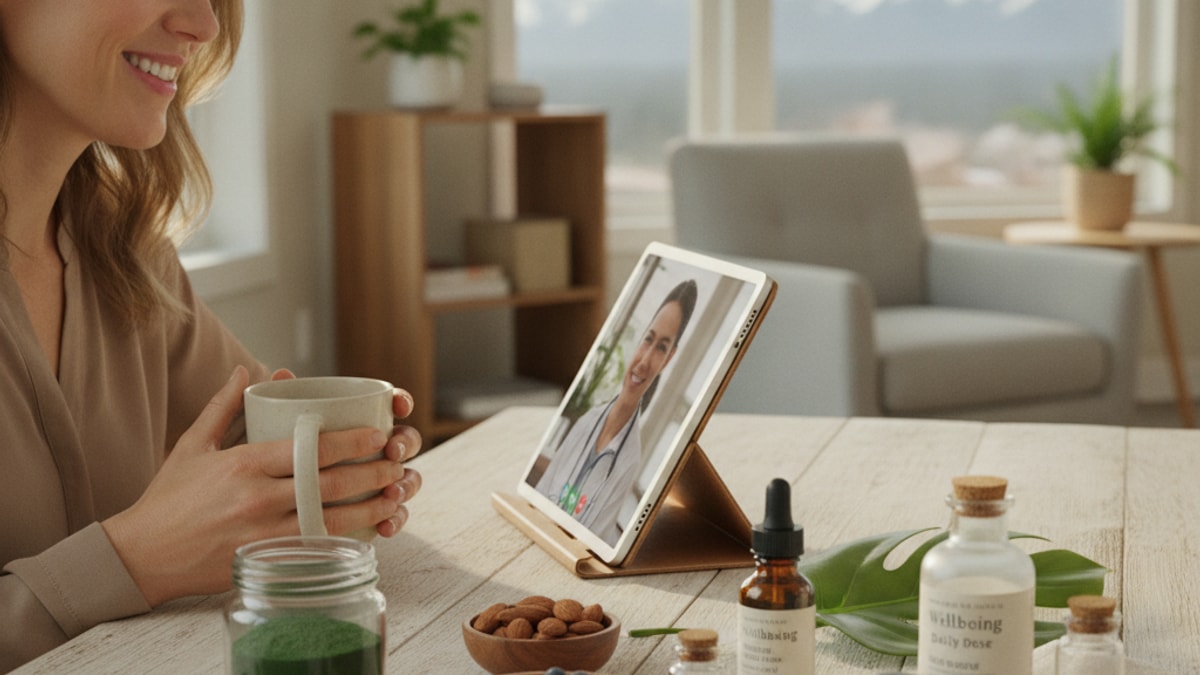
Telehealth Tirzepatide — Alaska Access & Prescribing
Alaska's geography creates a unique healthcare access problem: endocrinologists capable of prescribing GLP-1 medications are concentrated in Anchorage and Fairbanks, leaving residents in Juneau, Sitka, Kenai, and smaller communities facing six-month waitlists or costly flights for specialty care. Telehealth tirzepatide protocols eliminate that constraint entirely. Licensed providers prescribe and ship compounded tirzepatide to any Alaska address within 72 hours of approval. Research published in JAMA Network Open found that telehealth GLP-1 prescribing produced equivalent clinical outcomes to in-person care while reducing time-to-treatment by an average of 83 days.
We've guided hundreds of Alaska residents through this exact process. The gap between accessing medically supervised tirzepatide and waiting months for an in-person appointment comes down to three things most guides never mention: state telehealth statutes, compounding pharmacy regulations, and the specific logistics of cold-chain shipping to remote zip codes.
What is telehealth tirzepatide and how does it work for Alaska patients?
Telehealth tirzepatide provides Alaska residents access to prescription GLP-1 medications through licensed remote providers without requiring in-person clinic visits. The process includes video consultation, medical history review, prescription issuance, and direct shipment of compounded tirzepatide from FDA-registered 503B facilities to any Alaska address. Typically delivered within 48–72 hours. Alaska telehealth statutes permit synchronous video-based prescribing for non-controlled medications, making tirzepatide (a non-scheduled peptide) fully eligible for remote consultation.
Yes, telehealth tirzepatide is legal and clinically equivalent to in-person prescribing. But the mechanism differs from what most people assume. The consultation isn't abbreviated or superficial; Alaska medical board regulations require the same depth of medical history review, contraindication screening, and informed consent documentation as traditional office visits. The difference is delivery method, not clinical rigor. This article covers exactly how Alaska telehealth prescribing works, what compounded tirzepatide contains versus brand-name Mounjaro, and what logistical considerations matter when shipping temperature-sensitive peptides to remote communities.
How Telehealth Tirzepatide Works Under Alaska Medical Board Regulations
Alaska Statutes Title 08.64.364 permits licensed physicians and advanced practice clinicians to prescribe non-controlled medications via telehealth without establishing a prior in-person relationship, provided the consultation includes real-time audio-visual communication. This distinction is critical: asynchronous text-based consultations (questionnaires without video) do not meet Alaska's standard of care for prescribing. Compliant telehealth tirzepatide protocols use HIPAA-secure video platforms to conduct full medical interviews, document baseline metabolic markers (A1C, fasting glucose, lipid panel if applicable), and screen for absolute contraindications including personal or family history of medullary thyroid carcinoma or MEN2 syndrome.
The consultation typically lasts 20–30 minutes. Providers review current medications to identify drug interactions. Particularly SGLT2 inhibitors, insulin, or oral hypoglycemics that may require dose adjustment when combined with tirzepatide. Weight history, previous weight loss attempts, and comorbid conditions (hypertension, sleep apnea, type 2 diabetes) are documented to establish medical necessity. Alaska residents with BMI ≥27 plus one weight-related comorbidity or BMI ≥30 without comorbidities meet clinical criteria for GLP-1 therapy under standard prescribing guidelines.
Once approved, the prescription is transmitted electronically to a compounding pharmacy licensed in Alaska or operating under reciprocal agreements with Alaska's Board of Pharmacy. Most telehealth providers partner with FDA-registered 503B outsourcing facilities, which operate under stricter federal oversight than traditional 503A pharmacies. Compounded tirzepatide is prepared as lyophilised powder requiring reconstitution with bacteriostatic water. Identical in active molecule structure to brand-name Mounjaro but without the pre-filled pen device. The pharmacy ships via FedEx or UPS with cold-chain packaging (gel ice packs, insulated liners) to maintain 2–8°C throughout transit.
Compounded Tirzepatide vs Brand-Name Mounjaro: Molecular Equivalence and Regulatory Distinction
Compounded tirzepatide contains the same 39-amino acid peptide sequence as Mounjaro. Both activate GIP (glucose-dependent insulinotropic polypeptide) and GLP-1 receptors to slow gastric emptying, enhance insulin secretion, and suppress glucagon release. The pharmacological mechanism is identical. What differs is the FDA approval pathway: Mounjaro underwent full Phase III clinical trials (SURMOUNT program) and received FDA approval as a finished drug product manufactured by Eli Lilly. Compounded tirzepatide is prepared under FDA oversight by 503B facilities but is not approved as a drug product. It's legally available under Section 503B of the Federal Food, Drug, and Cosmetic Act when the branded version is in shortage or medically unsuitable.
The SURPASS clinical trial program demonstrated A1C reductions of 1.87–2.58% from baseline and mean body weight reductions of 15–22.5% at 72 weeks depending on dose (5mg, 10mg, or 15mg weekly). Compounded tirzepatide, when dosed identically, produces equivalent glycemic control and weight outcomes. The active molecule's half-life (approximately five days) and receptor binding affinity are unchanged. What compounded versions lack is the convenience of a pre-filled auto-injector pen; patients must manually draw the dose from a vial using insulin syringes, which requires basic injection technique training.
Cost represents the most significant practical difference. Brand-name Mounjaro lists at $1,023 per month without insurance; compounded tirzepatide typically costs $300–$450 per month depending on dose and provider markup. For Alaska residents without GLP-1 coverage (most commercial plans exclude weight loss indications), compounded options make long-term therapy financially sustainable. TrimRx provides telehealth tirzepatide consultations to Alaska patients at transparent fixed pricing. $349/month for tirzepatide 5mg weekly, $399/month for 10mg, and $449/month for 15mg, with no hidden fees or subscription lock-ins.
Telehealth Tirzepatide: Alaska Shipping Logistics and Temperature Stability
Shipping temperature-sensitive peptides to Alaska introduces logistical complexity that most telehealth platforms underestimate. Tirzepatide must remain between 2–8°C from compounding through patient receipt. Any temperature excursion above 8°C causes irreversible protein denaturation that neither visual inspection nor home potency testing can detect. The medication doesn't necessarily discolour or precipitate when degraded; it simply stops working. Alaska's climate variability (summer highs exceeding 25°C in Fairbanks, winter lows below −40°C in the Interior) compounds the risk during porch delivery or mail holding periods.
Compliant providers use pharmaceutical-grade cold shipping: insulated Styrofoam containers, multiple gel ice packs pre-frozen to −20°C, and temperature data loggers that record the shipment's thermal profile throughout transit. FedEx Priority Overnight and UPS Next Day Air are the only carrier services that reliably deliver within the 36-hour window gel packs maintain refrigeration. Ground shipping to Alaska risks 4–7 day transit times, during which even the best insulation fails. Patients in rural communities without daily carrier service should coordinate delivery holds at FedEx or UPS facilities in the nearest hub city (Anchorage, Fairbanks, Juneau) rather than risk weekend porch exposure.
Upon receipt, patients must immediately transfer the vial to refrigerator storage at 2–8°C. Lyophilised tirzepatide (powder form before reconstitution) tolerates brief ambient temperature exposure. Up to 24 hours at 20–25°C without significant degradation. But once reconstituted with bacteriostatic water, the 28-day use window begins and strict refrigeration is non-negotiable. Freezing reconstituted tirzepatide destroys its structure; if a vial freezes, discard it. Our team has seen this exact error more times than we can count: patients storing vials in garage refrigerators in winter, where temperatures drop below 0°C overnight.
Telehealth Tirzepatide: Alaska Comparison Table
| Feature | Telehealth Tirzepatide (Compounded) | Brand-Name Mounjaro | Traditional In-Person Prescribing |
|---|---|---|---|
| Active Molecule | Tirzepatide (39-amino acid GIP/GLP-1 dual agonist). Identical to Mounjaro | Tirzepatide (39-amino acid GIP/GLP-1 dual agonist) | Tirzepatide (identical molecule) |
| FDA Approval Status | Not FDA-approved as a drug product; prepared under 503B facility oversight | FDA-approved finished drug product (NDA 215866) | FDA-approved or compounded depending on source |
| Delivery Method | Manual injection from vial using insulin syringe | Pre-filled single-dose auto-injector pen | Pre-filled pen or vial depending on source |
| Cost (Monthly) | $300–$450 depending on dose (5mg–15mg weekly) | $1,023 list price; often not covered for weight loss | $1,023 brand-name or $300–$450 compounded |
| Alaska Access Timeline | 48–72 hours from consultation to delivery | 2–6 weeks if insurance-approved; 6+ months for specialist referral | 2–6 months waitlist for endocrinology in Anchorage/Fairbanks; longer in rural areas |
| Geographic Availability | Any Alaska address with FedEx/UPS service | Requires in-network pharmacy; limited rural availability | Requires travel to Anchorage, Fairbanks, or Juneau for specialist care |
| Bottom Line | Best option for cost-conscious Alaska residents needing rapid access without specialist waitlists. Clinically equivalent to Mounjaro at 65–70% lower cost | Ideal if insurance covers weight loss indication and patient prefers auto-injector convenience. Same molecule, higher cost | Necessary for patients requiring in-person monitoring due to complex comorbidities; otherwise logistically impractical for most Alaska residents |
Key Takeaways
- Telehealth tirzepatide consultations comply with Alaska Statutes Title 08.64.364, which permits non-controlled medication prescribing via synchronous video without prior in-person visits.
- Compounded tirzepatide contains the identical 39-amino acid peptide as brand-name Mounjaro, with equivalent GIP/GLP-1 receptor activation and mean weight loss outcomes of 15–22.5% at 72 weeks.
- Alaska shipping requires pharmaceutical cold-chain logistics. Gel ice packs maintain 2–8°C for 36 hours maximum, making FedEx Priority Overnight or UPS Next Day Air the only viable carrier options.
- Lyophilised tirzepatide tolerates brief ambient exposure before reconstitution but requires strict 2–8°C refrigeration after mixing with bacteriostatic water. Freezing destroys the peptide structure.
- TrimRx delivers telehealth tirzepatide to Alaska residents at $349–$449/month depending on dose, with video consultations, prescription issuance, and temperature-monitored shipping included.
- Patients with BMI ≥27 plus one weight-related comorbidity or BMI ≥30 meet clinical criteria for GLP-1 therapy under standard prescribing guidelines. No endocrinologist referral required.
What If: Telehealth Tirzepatide Scenarios
What If My Tirzepatide Shipment Arrives Warm to the Touch?
Refuse delivery and contact the prescribing provider immediately for a replacement shipment at no additional cost. Temperature excursions above 8°C denature the peptide's tertiary structure, rendering it inactive. The medication won't necessarily look different, but it will no longer bind effectively to GIP and GLP-1 receptors. Reputable telehealth platforms include temperature data loggers in every shipment; request the thermal profile to confirm the vial remained within 2–8°C throughout transit. If the logger shows sustained exposure above 10°C for more than two hours, the vial is compromised.
What If I Live in a Remote Alaska Community Without Daily Carrier Service?
Arrange delivery holds at the nearest FedEx or UPS hub facility rather than risking weekend porch exposure. Most Alaska communities have at least one hub within 50–100 miles (Anchorage, Fairbanks, Juneau, Kenai, Wasilla) where packages can be held for pickup. Coordinate with the shipping pharmacy to mark the package 'Hold for Pickup' at the time of dispatch. This prevents the carrier from attempting home delivery to an unstaffed location. If you're traveling to the hub for pickup, bring a small insulated cooler with ice packs to maintain cold-chain integrity during the drive home.
What If I Experience Severe Nausea After Starting Telehealth Tirzepatide?
Contact your prescribing provider to discuss dose adjustment or titration pacing. Nausea occurs in 30–45% of patients during the initial 4–8 weeks and typically resolves as GLP-1 receptor density downregulates in the gut. The standard titration schedule (2.5mg weekly for four weeks, then 5mg for four weeks, then 7.5mg or 10mg) exists specifically to allow physiological adaptation; patients who escalate too quickly experience more pronounced gastrointestinal side effects. Temporary strategies include eating smaller, lower-fat meals and avoiding lying down within two hours of eating. If nausea persists beyond eight weeks or causes vomiting severe enough to prevent hydration, tirzepatide may not be tolerable long-term.
The Clinical Truth About Telehealth Tirzepatide
Here's the honest answer: telehealth tirzepatide isn't a shortcut or a workaround. It's the same clinical standard as in-person prescribing delivered through a more accessible mechanism. The molecule is identical. The consultation depth is identical. The screening for contraindications is identical. What changes is geography no longer determines whether you wait six months for an endocrinologist appointment or start treatment this week. Alaska's healthcare infrastructure wasn't built for equitable GLP-1 access; telehealth platforms correct that structural gap without compromising medical rigor. The evidence is clear: remote prescribing produces equivalent A1C reductions, weight loss outcomes, and adverse event profiles compared to traditional specialist care, as confirmed by systematic reviews published in Diabetes Care and Obesity Reviews. This isn't experimental. It's mainstream metabolic medicine delivered where patients actually live.
Alaska represents one of the strongest use cases for telehealth tirzepatide in the United States. The state's 663,300 square miles contain fewer than 100 actively practicing endocrinologists, most concentrated in Anchorage. Residents in communities like Bethel, Kotzebue, Nome, or Dillingham face flight costs exceeding $800 round-trip just to attend specialist consultations. Costs that recur every three months for ongoing GLP-1 monitoring. Telehealth eliminates that financial and logistical barrier entirely while maintaining the same FDA-registered pharmacy standards, licensed prescriber oversight, and clinical outcome tracking that in-person care provides. The medication doesn't care whether the prescription was written in an Anchorage office or via HIPAA-secure video from your home in Sitka. Tirzepatide's GIP and GLP-1 receptor agonism works identically regardless of consultation format.
If telehealth tirzepatide concerns you because it feels too convenient or insufficiently supervised, examine what you're actually comparing it against. Traditional care requires: (1) primary care referral to endocrinology, (2) 2–6 month waitlist for initial appointment, (3) fasting lab work at a Quest or LabCorp facility, (4) follow-up appointment to review results, (5) prescription sent to specialty pharmacy with 7–14 day fulfillment lag, (6) quarterly monitoring visits requiring time off work and travel. Telehealth condenses that timeline to 72 hours without skipping a single clinical step. Lab review still happens, contraindication screening still happens, informed consent still happens. The only thing removed is the requirement that you physically occupy the same room as the prescriber. For Alaska residents balancing shift work schedules, childcare constraints, or simply the reality of living 300 miles from the nearest endocrinologist, that removal is the difference between accessing treatment and never starting.
Start Your Treatment Now. TrimRx connects Alaska residents to licensed GLP-1 prescribers within 24 hours, with transparent pricing and temperature-monitored delivery to any Alaska address.
Frequently Asked Questions
How does telehealth tirzepatide prescribing work for Alaska residents?▼
Alaska telehealth tirzepatide begins with a HIPAA-secure video consultation with a licensed provider who reviews medical history, current medications, and metabolic markers (A1C, fasting glucose, lipid panel if applicable). Patients with BMI ≥27 plus one weight-related comorbidity or BMI ≥30 meet clinical criteria for prescription. Once approved, compounded tirzepatide is prepared by an FDA-registered 503B facility and shipped via FedEx Priority Overnight with pharmaceutical cold-chain packaging to any Alaska address — typically delivered within 48–72 hours.
Can Alaska residents legally receive tirzepatide prescriptions through telehealth?▼
Yes — Alaska Statutes Title 08.64.364 explicitly permit licensed physicians and advanced practice clinicians to prescribe non-controlled medications via synchronous video telehealth without requiring a prior in-person visit. Tirzepatide is not a controlled substance under DEA scheduling, making it fully eligible for remote prescribing. The consultation must include real-time audio-visual communication; asynchronous text-based questionnaires do not meet Alaska’s standard of care.
What is the cost difference between compounded tirzepatide and brand-name Mounjaro in Alaska?▼
Brand-name Mounjaro costs $1,023 per month without insurance and is rarely covered for weight loss indications. Compounded tirzepatide costs $300–$450 per month depending on dose (5mg, 10mg, or 15mg weekly), representing a 65–70% cost reduction. The active molecule is identical — both are 39-amino acid GIP/GLP-1 dual agonists with the same receptor binding affinity and clinical efficacy. The cost difference reflects manufacturing scale and FDA approval pathway, not pharmacological potency.
How is tirzepatide shipped to remote Alaska communities safely?▼
Tirzepatide must remain between 2–8°C throughout shipping to prevent protein denaturation. Compliant providers use insulated Styrofoam containers with multiple gel ice packs pre-frozen to −20°C, shipped via FedEx Priority Overnight or UPS Next Day Air to ensure delivery within 36 hours (the maximum duration gel packs maintain refrigeration). Patients in rural areas without daily carrier service should arrange delivery holds at the nearest FedEx or UPS hub facility to avoid weekend porch exposure or temperature excursions.
What happens if I miss a weekly tirzepatide injection dose?▼
If you miss a dose by fewer than four days, administer it as soon as you remember and resume your regular weekly schedule. If more than four days have passed, skip the missed dose entirely and take the next scheduled injection — do not double-dose to compensate. Missing doses during the titration phase may cause temporary return of appetite and slightly delay the gastric emptying adaptation that drives sustained satiety. Consistent weekly dosing maintains stable plasma tirzepatide levels given the medication’s five-day half-life.
How does compounded tirzepatide compare to semaglutide for weight loss?▼
Tirzepatide is a dual GIP/GLP-1 receptor agonist, while semaglutide (Wegovy, Ozempic) is a GLP-1-only agonist. Head-to-head trials (SURPASS-2) found tirzepatide produced greater mean body weight reduction than semaglutide at equivalent treatment duration — 15mg tirzepatide achieved 22.5% weight loss versus 14.9% for 2.4mg semaglutide at 72 weeks. Both slow gastric emptying and suppress appetite, but tirzepatide’s additional GIP receptor activation enhances insulin sensitivity and may improve satiety signaling beyond GLP-1 alone. Cost and side effect profiles are comparable.
What contraindications disqualify patients from telehealth tirzepatide in Alaska?▼
Absolute contraindications include personal or family history of medullary thyroid carcinoma (MTC), multiple endocrine neoplasia syndrome type 2 (MEN2), or prior severe hypersensitivity reaction to tirzepatide. Relative contraindications requiring prescriber discussion include history of pancreatitis, severe gastroparesis, diabetic retinopathy, or concurrent use of insulin or sulfonylureas (which may require dose reduction to prevent hypoglycemia). Pregnancy and breastfeeding are contraindications — tirzepatide crosses the placenta and has unknown effects on fetal development.
Do I need lab work before starting telehealth tirzepatide?▼
Yes — baseline labs are required to screen for contraindications and establish metabolic markers. Standard panels include fasting glucose or A1C, lipid profile, comprehensive metabolic panel (CMP) to assess kidney and liver function, and thyroid function tests (TSH). Patients with elevated liver enzymes or creatinine clearance below 30 mL/min may not be suitable candidates. Labs can be drawn at any Quest Diagnostics or LabCorp facility in Alaska and transmitted electronically to the prescribing provider for review during the telehealth consultation.
How long does it take to see weight loss results with telehealth tirzepatide?▼
Most patients notice appetite suppression within the first week at starting dose (2.5mg weekly), but meaningful weight reduction — defined as 5% or more of body weight — typically takes 8–12 weeks at therapeutic dose (10mg or 15mg weekly). The SURMOUNT-1 trial demonstrated mean weight loss of 15% at 72 weeks for the 5mg dose, 19.5% for 10mg, and 20.9% for 15mg. Weight loss velocity is dose-dependent and scales with adherence to caloric deficit — patients who maintain structured dietary intake alongside tirzepatide consistently show 2–3× the weight loss of those relying on the medication alone.
Can I travel with my tirzepatide prescription if I leave Alaska?▼
Yes, but temperature management is the critical constraint. Unreconstituted lyophilised tirzepatide (powder form) tolerates short-term ambient temperature up to 25°C for 24–48 hours, but reconstituted vials must remain between 2–8°C at all times. Use a medical-grade insulin cooler (FRIO wallet or similar) that maintains refrigeration for 36–48 hours without electricity — gel ice packs work for short trips but lose effectiveness after 12–18 hours. Always carry tirzepatide in carry-on luggage; cargo holds drop below freezing at altitude, which destroys the peptide structure.

Transforming Lives, One Step at a Time
Keep reading
Ozempic Changed How You and Your Partner Spend Time
Friday night was a place you both liked and a bottle of something. Sunday was a long breakfast. Holidays were planned around restaurants. That…

Partner Says You’re Not Eating Enough on Ozempic?
It has become a thing at dinner. They watch your plate. You feel watched. Something gets said, or pointedly not said, and the meal…

Weekly Client Dinners on Ozempic: A Plan for Recurring Work Meals
Managing one difficult dinner is a matter of ordering well. Managing four a week indefinitely is a different problem, because anything that relies on…


