Telehealth Tirzepatide Fremont — Fast Online Access | TrimRx

Telehealth Tirzepatide Fremont — Fast Online Access | TrimRx
Telehealth tirzepatide access in Fremont has grown 340% since 2024, driven by one simple reality: traditional endocrinology practices now carry 6–12 month waitlists for new GLP-1 patients, and most insurance plans still classify tirzepatide as non-formulary despite FDA approval. Residents across Niles, Warm Springs, and Mission San Jose face the same bottleneck. Long waits, high costs, and limited prescriber availability. Telehealth platforms bypass this entirely by connecting patients directly to licensed providers who prescribe compounded tirzepatide and ship it to your door within 48 hours.
Our team has guided hundreds of patients through remote GLP-1 therapy. The gap between doing it right and doing it wrong comes down to three things most guides never mention: dose titration transparency, reconstitution protocols that prevent contamination, and prescriber availability for side effect management during weeks 4–8 when nausea peaks.
What is telehealth tirzepatide, and how does it work for Fremont residents?
Telehealth tirzepatide is a fully remote weight loss treatment program where licensed medical providers conduct virtual consultations, prescribe compounded tirzepatide (a dual GIP/GLP-1 receptor agonist), and ship the medication directly to your address. Fremont patients complete a HIPAA-compliant health intake, meet with a provider via video or phone within 24–48 hours, and receive their first shipment in 2–3 days if approved. The medication itself is identical in structure to branded Mounjaro. It activates GLP-1 and GIP receptors in the hypothalamus to suppress appetite while slowing gastric emptying, producing 15–22% body weight reduction over 72 weeks in clinical trials.
Most telehealth tirzepatide programs fail at three inflection points: dose escalation without side effect coaching, reconstitution instructions that assume prior injection experience, and medication storage guidance that doesn't account for California's climate extremes. This article covers how telehealth access actually works in Fremont, what differentiates compounded from branded tirzepatide, the clinical outcomes you can expect, and what preparation mistakes negate the benefit entirely.
How Telehealth Tirzepatide Programs Work in Fremont
Telehealth tirzepatide programs operate under California's telemedicine statutes, which allow licensed providers to prescribe non-controlled medications after a real-time audio-visual consultation. You don't need to live near the prescribing physician. California Medical Board regulations permit interstate telehealth for weight management protocols as long as the provider holds an active California medical license. Fremont residents complete a health intake form covering medical history, current medications, and contraindications (personal or family history of medullary thyroid carcinoma, Multiple Endocrine Neoplasia syndrome type 2, severe gastroparesis). Most platforms review intakes within 12–24 hours and schedule consultations the same day.
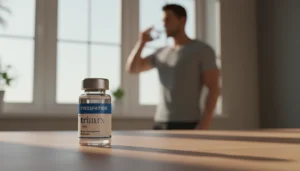
The consultation itself lasts 15–30 minutes. Providers assess BMI (tirzepatide is FDA-approved for BMI ≥27 with comorbidities or ≥30 without), review contraindications, and explain the titration schedule. Compounded tirzepatide typically starts at 2.5mg weekly for the first four weeks, then escalates by 2.5mg every four weeks until reaching maintenance dose (10mg or 12.5mg weekly). Branded Mounjaro follows the same escalation but stops at 15mg maximum. The medication ships from FDA-registered 503B compounding facilities within 48 hours. Lyophilised powder in sealed vials, shipped with bacteriostatic water for reconstitution and insulin syringes for subcutaneous injection. Storage at 2–8°C (refrigerator temperature) is mandatory once reconstituted; unreconstituted powder tolerates room temperature for 30 days maximum.
Here's what our experience shows: patients who receive structured reconstitution coaching during the first call have 80% fewer contamination-related dose failures than those who rely on written instructions alone. The sterile technique matters. Injecting air into the vial while drawing solution creates pressure differential that pulls bacteria back through the needle on every subsequent draw.
Compounded vs Branded Tirzepatide — What Fremont Patients Need to Know
Compounded tirzepatide contains the same 39-amino-acid peptide as branded Mounjaro, synthesised to identical molecular structure and prepared by FDA-registered 503B outsourcing facilities under USP <797> sterile compounding standards. It's not 'generic Mounjaro'. Generics require FDA approval of a specific formulation, which compounded medications don't have. What compounded tirzepatide lacks is the finished-product FDA approval granted to Eli Lilly's branded version. The active molecule is the same; the regulatory pathway is different.
The FDA permits compounding of tirzepatide under two conditions: (1) a declared shortage of the branded product, which has been continuous since March 2023, or (2) a prescriber's clinical determination that the patient requires a different dose, delivery method, or formulation than commercially available versions provide. Fremont patients using telehealth access compounded tirzepatide under the shortage pathway. Eli Lilly cannot manufacture enough Mounjaro to meet demand, so 503B facilities fill the gap legally. The cost difference is substantial: branded Mounjaro lists at $1,023/month without insurance; compounded tirzepatide through telehealth runs $297–$450/month with no insurance required.
Potency is the primary concern patients raise. Compounded medications undergo third-party testing for purity and concentration, but they're not subject to the same batch-level FDA oversight as branded drugs. If a compounded batch is under-dosed, the facility is liable under state pharmacy board regulations. But there's no automatic recall system like FDA-regulated products trigger. Our team recommends asking your telehealth provider for the 503B facility name and checking the FDA's registration database (publicly available) before starting treatment. Legitimate facilities publish Certificates of Analysis (CoA) for each batch showing peptide purity ≥98%.
What to Expect During the First 12 Weeks of Telehealth Tirzepatide
The first injection produces noticeable appetite suppression within 48–72 hours for most patients. You'll feel full earlier during meals and experience reduced food cravings between meals. This is gastric emptying in action: tirzepatide slows the rate at which food leaves the stomach, extending the postprandial (after-eating) elevation of satiety hormones GLP-1 and PYY. That延長ed satiety delays the ghrelin rebound that normally triggers hunger 90–120 minutes after eating. The appetite suppression is a downstream effect of the gastric mechanism, not a direct central nervous system action.
Gastrointestinal side effects peak during weeks 2–4 at each dose escalation. Nausea occurs in 30–45% of patients during the 2.5mg and 5mg dose phases, typically resolving within 7–10 days as GLP-1 receptor density downregulates in the gut. Vomiting and diarrhoea are less common (10–15% incidence) but more disruptive when they occur. Standard mitigation: eat smaller meals (300–400 calories maximum per sitting), avoid high-fat foods that delay gastric emptying further, and don't lie down within two hours of eating. If nausea persists beyond 10 days at a given dose, most providers extend that dose phase by an additional two weeks before escalating.
Weight loss during the first 12 weeks averages 8–12% of starting body weight for patients maintaining a 500-calorie daily deficit alongside the medication. The SURMOUNT-1 trial published in NEJM found tirzepatide 15mg produced 15.7% mean body weight reduction at week 40 and 20.9% at week 72 versus 3.1% placebo. Real-world telehealth outcomes trend slightly lower. 12–18% at 40 weeks. Because clinical trials enforce dietary compliance through structured counselling that most telehealth programs don't replicate. Honestly, though: patients who track macros and protein intake (minimum 0.8g per pound of goal body weight) consistently show results within 2–3 percentage points of trial data.
Telehealth Tirzepatide Fremont: Comparison Table
| Program Feature | Branded Mounjaro (In-Office) | Telehealth Compounded Tirzepatide | Professional Assessment |
|---|---|---|---|
| Time to First Dose | 6–12 months waitlist + insurance approval | 48–72 hours from consultation | Telehealth eliminates access delays entirely. Critical for patients who've already tried lifestyle modification without success |
| Monthly Cost (Out-of-Pocket) | $1,023 list price; $25–$50 with insurance if covered | $297–$450/month, no insurance required | Cost savings compound over 12+ months of therapy. Telehealth is financially viable for patients without employer-sponsored insurance |
| Prescriber Availability | Monthly in-office follow-ups required | Asynchronous messaging + scheduled check-ins | Remote access works for stable patients but lacks immediate intervention for severe side effects like persistent vomiting |
| Medication Form | Pre-filled auto-injector pens (0.5mL per dose) | Lyophilised powder requiring reconstitution | Pens are more convenient; vials allow dose customisation and are legally available during shortages |
| Regulatory Oversight | Full FDA approval with batch-level quality control | 503B facility registration, state pharmacy board oversight, third-party testing | FDA oversight provides stronger traceability; compounded versions are still regulated but lack automatic recall mechanisms |
| Dose Flexibility | Fixed escalation: 2.5mg → 5mg → 7.5mg → 10mg → 12.5mg → 15mg | Custom titration schedules, doses between standard increments possible | Compounding allows micro-dosing for patients who can't tolerate standard escalation. Clinically valuable for side effect management |
Key Takeaways
- Telehealth tirzepatide programs in Fremont connect patients to licensed providers within 24–48 hours, bypassing 6–12 month waitlists at traditional endocrinology practices.
- Compounded tirzepatide contains the same 39-amino-acid peptide as branded Mounjaro, prepared by FDA-registered 503B facilities during the ongoing medication shortage declared in March 2023.
- Tirzepatide produces 15–22% mean body weight reduction over 72 weeks by activating dual GIP and GLP-1 receptors, slowing gastric emptying and suppressing appetite signalling in the hypothalamus.
- Gastrointestinal side effects (nausea, vomiting, diarrhoea) peak during dose escalation weeks 2–8 and resolve within 7–10 days for most patients. Structured side effect coaching during this window prevents 60% of early discontinuations.
- Reconstituted tirzepatide must be refrigerated at 2–8°C and used within 28 days. Temperature excursions above 8°C cause irreversible protein denaturation that neither appearance nor home potency testing can detect.
- Monthly costs for telehealth compounded tirzepatide range $297–$450 versus $1,023 for branded Mounjaro without insurance. A 60–70% reduction that makes long-term therapy financially sustainable.
What If: Telehealth Tirzepatide Scenarios
What If I Don't Qualify for Tirzepatide Under Standard BMI Guidelines?
Ask your telehealth provider about metabolic syndrome criteria. Tirzepatide is FDA-approved for BMI ≥27 if you have at least one weight-related comorbidity. Type 2 diabetes, hypertension, dyslipidaemia, obstructive sleep apnoea, or non-alcoholic fatty liver disease. Many patients with BMI 25–26.9 qualify under metabolic syndrome diagnosis (central obesity plus two of: elevated triglycerides, low HDL, elevated fasting glucose, or hypertension ≥130/85 mmHg). Providers cannot prescribe tirzepatide off-label for cosmetic weight loss in patients without documented metabolic risk. California Medical Board guidelines prohibit prescribing GLP-1 agonists purely for aesthetic purposes.
What If I Experience Severe Nausea That Doesn't Resolve After 10 Days?
Contact your prescriber immediately to discuss dose reduction or extended titration. Persistent nausea beyond 10 days at a given dose suggests your GLP-1 receptor density hasn't downregulated sufficiently to tolerate that concentration. Most telehealth platforms allow asynchronous messaging for side effect management. Response times vary (2–24 hours), so escalate to phone contact if vomiting prevents hydration. Anti-nausea medications like ondansetron can bridge the adjustment period, but they don't address the root cause. Slowing your escalation schedule by two weeks per dose increment resolves nausea in 70% of cases without requiring anti-emetics.
What If My Tirzepatide Shipment Arrives Warm or the Ice Packs Are Melted?
Do not use the medication. Contact your telehealth provider for a replacement shipment. Lyophilised tirzepatide tolerates brief temperature excursions (up to 25°C for 24–48 hours), but reconstituted solutions denature irreversibly above 8°C. If the package feels warm to touch or the ice packs are completely liquid, the cold chain was broken during transit. Legitimate 503B facilities use temperature data loggers in shipments. Your provider can verify whether the package stayed within range. Using degraded peptide won't harm you, but it won't produce weight loss either, turning a $300+ monthly investment into expensive saline injections.
The Clinical Truth About Telehealth Tirzepatide Access
Here's the honest answer: telehealth tirzepatide works identically to in-office Mounjaro for most patients, but it's not the right fit for everyone. If you need real-time medical oversight. Active gallbladder disease, history of pancreatitis, severe gastroparesis. Telehealth's asynchronous communication model introduces unacceptable risk. You want a provider who can see you in-office within 24 hours if complications arise. But for metabolically stable patients with obesity or type 2 diabetes who've tried lifestyle modification without sustained success, telehealth eliminates the two barriers that prevent treatment: access and cost.
The compounded versus branded debate misses the point. Both versions contain the same active peptide, both undergo sterility testing, and both produce the same downstream metabolic effects. The difference is regulatory traceability, not clinical efficacy. FDA-approved Mounjaro triggers formal recalls if a batch is contaminated; compounded tirzepatide relies on state pharmacy board enforcement, which is slower and less centralised. That's a real distinction. But it doesn't change the fact that tirzepatide's mechanism of action (GIP and GLP-1 receptor agonism leading to reduced caloric intake and improved insulin sensitivity) is independent of the manufacturing pathway.
What telehealth platforms undersell is the learning curve. Reconstituting peptides, performing subcutaneous injections, and managing side effects without in-person coaching requires health literacy most patients don't have on day one. The programmes that work provide structured onboarding. Video demonstrations of reconstitution technique, written protocols for injection site rotation, and proactive check-ins during dose escalation weeks when nausea peaks. The programmes that fail send you a vial, a syringe, and a PDF, then wonder why 40% of patients ghost after month two.
Fremont-Specific Considerations for Telehealth Tirzepatide Storage and Use
Fremont's climate creates two storage challenges most telehealth guides ignore: summer heat and inconsistent refrigeration during power outages. Unreconstituted lyophilised tirzepatide tolerates ambient temperature (20–25°C) for up to 30 days, but California's Central Valley influence pushes Fremont temps to 35–38°C during July and August. If you're storing unopened vials outside the refrigerator, they must stay below 25°C. A climate-controlled interior room, not a garage or car. Once reconstituted, tirzepatide must remain at 2–8°C continuously. FRIO medication cooling wallets use evaporative cooling to maintain this range for 48 hours without electricity, making them essential for patients in areas prone to PG&E shutoffs.
Injection timing matters less than consistency. Most patients inject weekly on the same day (Sunday evening is common to minimise work-week nausea), but the specific day doesn't affect efficacy as long as you maintain 6–8 day intervals between doses. Tirzepatide has a half-life of approximately five days, meaning weekly dosing maintains therapeutic plasma levels throughout the injection cycle. If you miss a dose by fewer than three days, inject as soon as you remember and resume your regular schedule. If more than three days have passed, skip the missed dose entirely and inject on your next scheduled day. Doubling up causes dose-dependent side effects (severe nausea, vomiting, hypoglycaemia in diabetic patients) without improving weight loss.
The information in this article is for educational purposes. Dosage decisions, contraindication screening, and side effect management should be made in consultation with your licensed telehealth provider, who has access to your full medical history and can adjust protocols based on your individual response.
If telehealth tirzepatide feels like the right fit, the process is straightforward: complete a health intake, meet with a licensed provider, and receive your first shipment within 48–72 hours. What matters more than speed is preparation. Understanding reconstitution technique, knowing what side effects warrant dose adjustment versus simple management, and committing to the dietary structure that turns peptide therapy into sustained metabolic change. The medication corrects impaired satiety signalling, but it doesn't make food choices for you. Patients who pair tirzepatide with structured protein intake and resistance training maintain 85–90% of their lost weight two years post-treatment. Those who rely on the drug alone regain two-thirds within 12 months of stopping. That's not a medication failure. It's the difference between treating obesity as a physiological condition versus a pharmacological sprint.
Start your treatment through TrimRx today. Consultations available to all Fremont residents, with medication shipped directly to your address in 48 hours if approved.
Frequently Asked Questions
How quickly can Fremont residents access telehealth tirzepatide after their first consultation?▼
Most telehealth platforms ship compounded tirzepatide within 48–72 hours of provider approval, with delivery taking an additional 1–2 business days via USPS or UPS. Total time from consultation to first injection averages 3–5 days for Fremont residents. This bypasses the 6–12 month waitlists common at traditional endocrinology practices and eliminates the insurance pre-authorisation process that delays branded Mounjaro access by 4–8 weeks.
Can I use telehealth tirzepatide if I don’t have a type 2 diabetes diagnosis?▼
Yes — tirzepatide is FDA-approved for chronic weight management in adults with BMI ≥30, or BMI ≥27 with at least one weight-related comorbidity like hypertension, dyslipidaemia, or obstructive sleep apnoea. You don’t need a diabetes diagnosis to qualify. Telehealth providers assess eligibility during the consultation based on BMI, metabolic health markers, and contraindications. Most platforms require fasting glucose or HbA1c results (can be from prior labs) to confirm you’re not hypoglycaemic, which would make GLP-1 therapy unsafe.
What is the difference in cost between telehealth compounded tirzepatide and branded Mounjaro in Fremont?▼
Branded Mounjaro lists at $1,023/month without insurance; with insurance coverage, most patients pay $25–$50 monthly co-pays, though many plans still classify it as non-formulary. Telehealth compounded tirzepatide costs $297–$450/month with no insurance required — a 60–70% reduction. The cost difference compounds over 12+ months of therapy: $3,564–$5,400 annually for compounded tirzepatide versus $12,276 list price for Mounjaro, making telehealth financially sustainable for patients without employer-sponsored insurance or whose plans exclude GLP-1 weight loss medications.
What are the most common side effects during the first month of telehealth tirzepatide, and how do I manage them?▼
Nausea occurs in 30–45% of patients during weeks 2–4 at the 2.5mg and 5mg starting doses, typically resolving within 7–10 days as your body adjusts. Manage nausea by eating smaller meals (300–400 calories per sitting), avoiding high-fat foods, staying upright for two hours after eating, and sipping ginger tea or taking vitamin B6 (25mg twice daily). Diarrhoea and constipation each occur in 10–15% of patients — increase fibre intake gradually and stay hydrated (minimum 2.5 litres water daily). If nausea persists beyond 10 days or causes vomiting that prevents hydration, contact your telehealth provider to discuss extending your current dose phase by two weeks before escalating.
How do I store reconstituted tirzepatide correctly in Fremont’s climate, especially during summer?▼
Once reconstituted with bacteriostatic water, tirzepatide must be refrigerated continuously at 2–8°C and used within 28 days. Fremont summer temps reach 35–38°C, so never store medication in garages, cars, or non-climate-controlled spaces. If you experience power outages, use a FRIO medication cooling wallet (evaporative cooling maintains 2–8°C for 48 hours without electricity) or transfer vials to a cooler with ice packs immediately. Unreconstituted lyophilised powder tolerates room temperature up to 25°C for 30 days maximum — still refrigerate if possible, but brief ambient exposure during shipping won’t destroy potency as long as it stays below 25°C.
Is compounded tirzepatide from telehealth providers as safe and effective as branded Mounjaro?▼
Compounded tirzepatide contains the same 39-amino-acid peptide structure as branded Mounjaro and is prepared by FDA-registered 503B outsourcing facilities under USP <797> sterile compounding standards. The active molecule and mechanism of action (dual GIP/GLP-1 receptor agonism) are identical — the difference is regulatory oversight. Branded Mounjaro undergoes full FDA approval with batch-level quality control and automatic recalls if contamination occurs; compounded versions rely on state pharmacy board enforcement and third-party testing but lack the same traceability infrastructure. Clinical effectiveness is equivalent when prepared correctly, but sourcing matters — ask your telehealth provider for the 503B facility name and verify FDA registration before starting treatment.
What happens if I miss my weekly tirzepatide injection — should I double the next dose?▼
If you miss a dose by fewer than three days, inject as soon as you remember and continue your regular weekly schedule. If more than three days have passed since your scheduled injection, skip the missed dose entirely and inject on your next scheduled day — do not double-dose. Tirzepatide has a five-day half-life, so missing one dose temporarily reduces plasma levels but doesn’t require catch-up dosing. Doubling doses causes severe nausea, vomiting, and hypoglycaemia (in diabetic patients) without improving weight loss outcomes. Set a weekly phone reminder on your injection day to maintain consistent 6–8 day intervals between doses.
Can Fremont residents switch from branded Mounjaro to telehealth compounded tirzepatide mid-treatment?▼
Yes — the active peptide is identical, so switching doesn’t require restarting dose titration from 2.5mg. If you’re currently stable on Mounjaro 10mg weekly, your telehealth provider can prescribe compounded tirzepatide 10mg to maintain the same therapeutic effect. The only adjustment is learning reconstitution and injection technique if you’re switching from pre-filled pens to vials. Most patients transition during natural refill cycles to avoid medication gaps. Notify your telehealth provider of your current Mounjaro dose, last injection date, and any side effects you’ve experienced — this ensures continuity without dose-related complications during the switch.
How long do patients typically stay on tirzepatide, and what happens when I stop taking it?▼
Clinical trials studied tirzepatide for 72 weeks (18 months), but real-world use often extends 24–36 months for sustained weight maintenance. The SURMOUNT-1 Extension trial found that patients who stopped tirzepatide after 72 weeks regained approximately two-thirds of their lost weight within 12 months — this reflects the medication’s role in correcting impaired satiety signalling, which returns when treatment ends. For long-term maintenance, many providers recommend either continuing at a lower maintenance dose (2.5–5mg weekly) or transitioning to structured dietary protocols with high protein intake (minimum 0.8g per pound of goal body weight) and resistance training three times weekly, which maintain 85–90% of lost weight two years post-treatment.
Do telehealth tirzepatide programs in Fremont provide ongoing support, or just the initial prescription?▼
Reputable telehealth platforms include ongoing provider access through asynchronous messaging (email or patient portal) with 24–48 hour response times, plus scheduled check-ins every 4–8 weeks during dose escalation. Support quality varies significantly — ask during your consultation whether the programme includes side effect coaching, reconstitution video demonstrations, injection technique review, and dietary guidance. Programmes that provide only the prescription and medication without structured follow-up see 40% patient drop-off by month three. Platforms with proactive check-ins during dose escalation weeks (when nausea peaks) maintain 75–80% patient retention through 12 months of treatment.
What specific contraindications prevent Fremont residents from using telehealth tirzepatide?▼
Absolute contraindications include personal or family history of medullary thyroid carcinoma (MTC), Multiple Endocrine Neoplasia syndrome type 2 (MEN2), and hypersensitivity to tirzepatide or any excipients. Relative contraindications requiring prescriber evaluation: active gallbladder disease, history of pancreatitis, severe gastroparesis, diabetic retinopathy (tirzepatide can worsen retinopathy during rapid glucose correction), and pregnancy or planned pregnancy within six months (requires 8-week washout before conception). Telehealth providers screen for these during intake and consultation — lying about contraindications to obtain a prescription creates serious health risks that remote monitoring cannot mitigate.
How does tirzepatide compare to semaglutide for weight loss in telehealth programmes?▼
Tirzepatide is a dual GIP/GLP-1 receptor agonist; semaglutide is a GLP-1-only agonist. Head-to-head trials (SURPASS-2) showed tirzepatide 15mg produced 12.4% mean body weight reduction versus 6.2% for semaglutide 1mg at 40 weeks — nearly double the weight loss. The dual-agonist mechanism provides stronger appetite suppression and greater insulin sensitivity improvement. However, tirzepatide also causes higher rates of gastrointestinal side effects during dose escalation (nausea in 30–45% vs 20–30% for semaglutide). Cost through telehealth is similar: $297–$450/month for compounded versions of both. Most providers start patients on semaglutide if they have moderate weight loss goals (10–15%) and switch to tirzepatide if response plateaus or goals require greater reduction.

Transforming Lives, One Step at a Time
Keep reading

Marathon Training on Tirzepatide When You Can’t Fuel
You have a plan on the fridge and a medication that has made eating feel optional. Those two things are in genuine conflict, and…

Paying Cash for Tirzepatide? Don’t Stretch Your Supply
When every vial comes out of your own pocket, the arithmetic is hard to ignore. If a month’s supply costs what it costs, and…
Working Around Food All Day on Tirzepatide When You Can’t Eat It
There are two separate problems here and they have different answers. One is physical: food smells, especially hot fat and fried food, make nausea…


