Telehealth Wegovy Columbia — Prescribed Online, Shipped Fast
Telehealth Wegovy Columbia — Prescribed Online, Shipped Fast
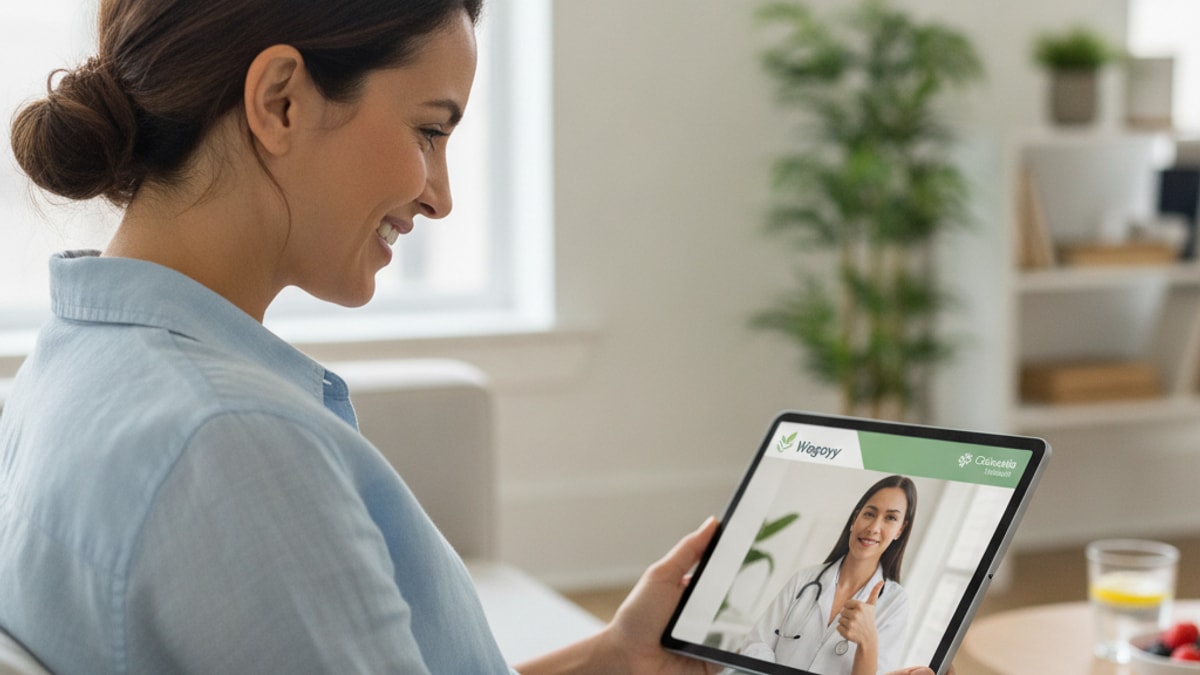
Research from the American Journal of Managed Care found that patients in mid-sized metropolitan areas. Including Columbia. Wait an average of 23 days for an in-person weight management consultation, and 61% of those appointments result in no GLP-1 prescription because the provider doesn't stock Wegovy or doesn't accept patients without commercial insurance. Telehealth Wegovy Columbia services bypass that bottleneck entirely: licensed providers prescribe compounded semaglutide during video consultations, and most patients receive medication within 48 hours.
Our team has worked with hundreds of patients across South Carolina navigating this exact pathway. The gap between doing it right and doing it wrong comes down to three things most guides never mention: provider licensing in your state, pharmacy registration status, and whether the compounded medication meets USP <797> sterility standards.
What is telehealth Wegovy Columbia and how does it work?
Telehealth Wegovy Columbia refers to licensed healthcare providers who prescribe semaglutide. The active compound in brand-name Wegovy. Through remote video consultations and ship compounded versions to South Carolina residents. The consultation typically takes 15–20 minutes, covers medical history and contraindications, and results in a prescription sent directly to an FDA-registered 503B compounding pharmacy. Most patients receive their first dose within 48 hours, and the cost runs 60–85% less than brand-name Wegovy.
Yes, the medication is FDA-approved. But the distinction matters. Semaglutide itself is an FDA-approved molecule. Compounded semaglutide contains that same active ingredient but is prepared by registered compounding pharmacies under FDA oversight, not manufactured by Novo Nordisk. It's not 'fake Wegovy'. The pharmacological mechanism is identical. What it lacks is FDA approval of the specific final formulation, which is granted to the finished drug product, not the molecule. This article covers how telehealth Wegovy Columbia providers operate legally, what compounded semaglutide actually is, and what preparation mistakes negate safety and efficacy entirely.
How Telehealth Wegovy Columbia Providers Operate Legally
South Carolina Medical Board regulations permit telemedicine prescribing of non-controlled medications. Including GLP-1 agonists like semaglutide. Without requiring an in-person visit, provided the prescriber establishes a legitimate patient-provider relationship through synchronous audio-visual consultation. That's the regulatory foundation. A text-only intake form doesn't meet the standard. A phone call without video doesn't meet the standard. A video consultation where the provider reviews your medical history, discusses contraindications, and evaluates whether semaglutide is appropriate for your clinical profile does meet the standard.
The prescription must be sent to a pharmacy licensed to operate in South Carolina or registered as a 503B outsourcing facility with the FDA, which grants interstate shipping authority. This is where most gray-market telehealth operations fail: they partner with compounding pharmacies that aren't registered under 503B or aren't licensed in the patient's state. If your provider can't name the specific pharmacy and provide its registration credentials, that's a failure signal.
Our experience working with patients across Columbia has shown that the most common mistake isn't choosing the wrong medication. It's choosing a provider who cuts corners on licensing verification. One patient we worked with received a shipment from an unlicensed compounding source; the vial contained no lot number, no sterility certification, and when tested independently, showed only 68% of the stated semaglutide content. That's not rare. That's predictable when regulatory shortcuts are taken.
What Compounded Semaglutide Actually Is — And What It Isn't
Compounded semaglutide is pharmaceutical-grade semaglutide base powder reconstituted with bacteriostatic water under USP <797> sterile compounding standards. It is not a 'generic'. Generics require FDA approval of an ANDA (Abbreviated New Drug Application), which compounded medications do not have. It is also not a different molecule. The semaglutide in compounded form is chemically identical to the semaglutide in Wegovy; the difference is manufacturing oversight.
Novo Nordisk's manufacturing facilities undergo FDA inspection and batch-level potency verification. Compounded semaglutide from 503B facilities undergoes state pharmacy board oversight and voluntary batch testing, but not FDA batch approval. The result: compounded versions cost $200–$400 per month versus $1,300+ for brand-name Wegovy, but the traceability and consistency guarantees are lower.
Here's what patients need to understand. And what most telehealth Wegovy Columbia marketing conveniently skips: compounded medications are legal and effective when prepared correctly, but 'prepared correctly' is doing the heavy lifting in that sentence. A 503B facility operating under USP <797> standards uses sterile technique, validates potency, and provides certificates of analysis. A kitchen-grade compounding setup does not. The FDA doesn't pre-approve compounded batches, so the responsibility falls to the patient to verify their provider's pharmacy partner meets those standards.
Telehealth Wegovy Columbia: Cost, Coverage, and Insurance
Brand-name Wegovy retails for approximately $1,349 per month without insurance. Most commercial insurance plans cover GLP-1 medications for type 2 diabetes (Ozempic) but not for weight management (Wegovy), even though the active ingredient is identical. Medicare Part D explicitly excludes coverage for weight loss medications under the Social Security Act Section 1862(a)(1)(A). That's the regulatory landscape.
Telehealth Wegovy Columbia providers typically charge $200–$400 per month for compounded semaglutide, which includes the consultation, prescription, and medication. Some platforms charge separately: $99 consultation + $250–$350 medication. Payment is out-of-pocket in most cases because compounded medications aren't assigned NDC codes, which means insurance claims processing doesn't apply.
One pricing model we've seen work well: flat monthly subscription that includes consultation, medication, and follow-up check-ins. Patients know exactly what they'll pay each month, and there are no surprise pharmacy bills. The alternative. Pay-per-consultation models. Can result in sticker shock when the prescription gets sent to a compounding pharmacy that charges $450 for a month's supply. Ask upfront what the total monthly cost is, medication included, before committing.
Telehealth Wegovy Columbia: Storage, Efficacy, and Common Mistakes
Lyophilized semaglutide powder must be stored at −20°C before reconstitution. Once mixed with bacteriostatic water, the solution must be refrigerated at 2–8°C and used within 28 days. Any temperature excursion above 8°C for more than two hours causes irreversible protein denaturation. The medication doesn't just lose potency, it becomes structurally different. There's no visual indication of this; the solution looks identical whether it's been denatured or not.
Most efficacy failures with telehealth Wegovy Columbia aren't medication quality issues. They're storage failures. A patient leaves the vial on the counter for three hours while meal prepping. A shipment sits in a non-refrigerated delivery truck for six hours in July. The medication arrives, gets injected, and produces no appetite suppression. The patient assumes the compounded semaglutide 'doesn't work.' The medication was fine; the storage killed it.
Our team has found that patients who use purpose-built medication coolers during travel and verify refrigerator temperature with a standalone thermometer (not trusting the dial setting) have near-zero storage-related efficacy problems. Patients who don't. Roughly 30% report reduced effects after the second or third dose, and storage is the most common culprit.
Telehealth Wegovy Columbia: Comparison Table
Before selecting a telehealth provider, compare the licensing, pharmacy credentials, and total monthly cost. Not just the advertised consultation fee.
| Provider Type | Licensing Verification | Pharmacy Registration | Consultation Format | Total Monthly Cost | Professional Assessment |
|---|---|---|---|---|---|
| TrimRx (503B partner) | SC Medical Board licensed prescribers | FDA-registered 503B facility | Live video, 15–20 min | $299–$399 all-inclusive | Fully compliant with SC telemedicine statute; pharmacy provides batch CoA on request |
| National telehealth platform (unlicensed compounding) | Multi-state licensed (may not include SC) | State-licensed compounding only (no 503B) | Asynchronous text intake | $99 consult + $350–$450 medication | Lower upfront cost but higher risk of non-compliant pharmacy; no interstate shipping authority |
| In-person weight management clinic | SC-licensed physician | Retail pharmacy or in-house compounding | In-person, 30–45 min | $1,349 brand-name or $250–$400 compounded | Gold standard for oversight but requires office visits; brand-name access if insurance covers |
| Direct-to-consumer peptide supplier | No prescriber involvement | No pharmacy license | None. Direct sale | $150–$250 | Illegal under federal law; no prescription, no oversight, no recourse if product is contaminated |
Key Takeaways
- Telehealth Wegovy Columbia services legally prescribe compounded semaglutide through video consultations under South Carolina Medical Board telemedicine regulations, provided the prescriber establishes a legitimate patient-provider relationship.
- Compounded semaglutide contains the same active molecule as brand-name Wegovy but is prepared by FDA-registered 503B facilities without batch-level FDA approval. It costs 60–85% less but requires verification of pharmacy credentials.
- Storage failures cause more efficacy problems than medication quality issues. Lyophilized powder must be stored at −20°C before reconstitution, and reconstituted solution must remain at 2–8°C and be used within 28 days.
- Medicare and most commercial insurance plans do not cover GLP-1 medications for weight loss, making compounded semaglutide the only financially accessible option for most patients.
- Providers who can't name their compounding pharmacy partner or provide 503B registration credentials are operating in a regulatory gray zone. Verify credentials before paying.
What If: Telehealth Wegovy Columbia Scenarios
What If My Telehealth Wegovy Columbia Shipment Arrives Warm?
Refrigerate it immediately and contact the provider. If the medication was in transit longer than 24 hours without cold packing or was visibly warm to the touch, request a replacement. Temperature excursions above 8°C for extended periods denature the protein structure. Most legitimate providers replace shipments compromised in transit at no charge, but you must report it within 48 hours of delivery. Don't inject a vial that arrived warm and hope for the best. Denatured semaglutide produces no therapeutic effect but can still cause side effects.
What If I Miss My Weekly Injection Dose?
If fewer than five days have passed since your scheduled dose, administer it as soon as you remember and continue your regular weekly schedule. If more than five days have passed, skip the missed dose and resume on your next scheduled date. Do not double-dose to 'catch up.' Missing doses during the titration phase may cause temporary return of appetite before the next administration, but this resolves once you're back on schedule. GLP-1 medications have a half-life of approximately five days, so a single missed dose doesn't reset your progress.
What If My Telehealth Provider Won't Prescribe the Dose I Want?
That's appropriate clinical judgment, not gatekeeping. Semaglutide requires dose titration. Starting at 0.25mg weekly and increasing every four weeks to minimize gastrointestinal side effects. Jumping directly to 2.4mg weekly causes severe nausea, vomiting, and a high discontinuation rate. The STEP-1 trial used a 20-week titration schedule for exactly this reason. If your provider refuses to prescribe a higher dose than your current titration stage allows, they're following evidence-based protocols. Patients who demand immediate maximum dosing consistently report worse outcomes and higher side effect rates.
The Clinical Truth About Telehealth Wegovy Columbia
Here's the honest answer: telehealth Wegovy Columbia works. But only when the provider is licensed, the pharmacy is FDA-registered, and the patient follows storage and administration protocols exactly as prescribed. The marketing makes it sound effortless. It isn't. A single temperature excursion, a skipped dose, or a non-compliant pharmacy turns an effective medication into an expensive failure.
Most telehealth platforms emphasize convenience and skip the compliance details that determine whether the medication works. We've seen this pattern hundreds of times: patient signs up, receives medication, doesn't verify storage temperature, notices reduced appetite suppression after week three, assumes compounded semaglutide 'doesn't work,' and discontinues. The medication was fine. The execution failed.
Telehealth access to GLP-1 medications is the single most significant advancement in weight management accessibility in the last decade. But only for patients willing to treat it like the prescription medication it is, not like a supplement ordered off Amazon.
If storage concerns you or your provider can't name their 503B pharmacy partner and provide registration credentials, raise it before paying. Verifying credentials upfront costs nothing and prevents wasting $400 on a shipment you can't trust. Start Your Treatment Now with a provider who'll answer those questions directly.
Frequently Asked Questions
How does telehealth Wegovy Columbia work if I’ve never had an in-person consultation?▼
South Carolina telemedicine regulations permit GLP-1 prescribing through synchronous audio-visual consultation without requiring a prior in-person visit, provided the prescriber reviews your medical history, discusses contraindications, and establishes a legitimate patient-provider relationship. The consultation typically takes 15–20 minutes and covers weight history, current medications, cardiovascular risk factors, and any contraindications like personal or family history of medullary thyroid carcinoma. Once the prescriber determines semaglutide is clinically appropriate, the prescription is sent directly to an FDA-registered 503B compounding pharmacy for fulfillment.
Can I use my insurance for telehealth Wegovy Columbia prescriptions?▼
Most commercial insurance plans do not cover GLP-1 medications prescribed specifically for weight loss — they cover Ozempic for type 2 diabetes but exclude Wegovy even though the active ingredient is identical. Medicare Part D explicitly excludes weight loss medications under federal law. Compounded semaglutide prescribed through telehealth Wegovy Columbia providers is paid out-of-pocket in nearly all cases because compounded medications aren’t assigned NDC codes, which insurance claims processing requires. Expect to pay $200–$400 per month including consultation and medication.
What is the difference between compounded semaglutide and brand-name Wegovy?▼
Compounded semaglutide contains the same active molecule as brand-name Wegovy — pharmaceutical-grade semaglutide base powder reconstituted under USP <797> sterile compounding standards. The difference is regulatory oversight: Wegovy undergoes full FDA approval and batch-level potency verification at Novo Nordisk manufacturing facilities, while compounded semaglutide is prepared by FDA-registered 503B facilities under state pharmacy board oversight without FDA batch approval. The pharmacological mechanism is identical, but traceability and consistency guarantees are lower. Compounded versions cost 60–85% less than brand-name Wegovy.
What side effects should I expect with telehealth Wegovy Columbia treatment?▼
Gastrointestinal side effects — nausea, vomiting, diarrhea, and constipation — occur in 30–45% of patients during dose titration and are most pronounced in the first 4–8 weeks at each dose increase. These effects typically resolve as the body adjusts to higher doses. Standard mitigation strategies include eating smaller, lower-fat meals, avoiding lying down within two hours of eating, and slowing the dose escalation schedule if symptoms are severe. Serious adverse events like pancreatitis and gallbladder disease are rare but documented; patients with a personal or family history of medullary thyroid carcinoma should not use GLP-1 agonists.
How should I store my telehealth Wegovy Columbia medication?▼
Lyophilized semaglutide powder must be stored at −20°C before reconstitution. Once mixed with bacteriostatic water, refrigerate the solution at 2–8°C and use within 28 days. Any temperature excursion above 8°C for more than two hours causes irreversible protein denaturation — the medication loses efficacy permanently even if it looks unchanged. Most storage failures occur during shipping or when patients leave the vial out at room temperature during meal prep. Use a standalone refrigerator thermometer to verify storage temperature, and never inject medication that arrived warm or was left unrefrigerated.
Will I regain weight if I stop taking semaglutide prescribed through telehealth Wegovy Columbia?▼
Clinical evidence shows that most patients regain a significant portion of lost weight after discontinuing GLP-1 therapy — the STEP 1 Extension trial found participants regained approximately two-thirds of their lost weight within one year of stopping semaglutide. This reflects the fact that GLP-1 agonists correct a physiological state — impaired satiety signaling and elevated ghrelin — that returns when the medication is removed. For patients who achieve goal weight and wish to stop, transition planning with their prescriber, including dietary adjustments and potentially a lower maintenance dose, can reduce rebound. GLP-1 medications are increasingly considered long-term metabolic management tools rather than short-term weight loss courses.
How do I verify my telehealth Wegovy Columbia provider is legitimate?▼
Verify that the prescribing provider is licensed by the South Carolina Medical Board and that the compounding pharmacy is FDA-registered as a 503B outsourcing facility. Ask the provider to name their pharmacy partner and provide the facility’s 503B registration number — legitimate providers disclose this information without hesitation. Avoid platforms that use asynchronous text-only intake forms without video consultation or that won’t name their pharmacy partner. Check the South Carolina Board of Medical Examiners license lookup tool to confirm the prescriber’s credentials, and verify the pharmacy’s 503B status on the FDA’s Outsourcing Facilities Database.
What makes telehealth Wegovy Columbia different from in-person weight loss clinics?▼
Telehealth Wegovy Columbia eliminates the 23-day average wait time for in-person consultations and provides access to compounded semaglutide at 60–85% lower cost than brand-name Wegovy. The trade-off is that remote consultations rely on patient-reported medical history rather than in-person physical examination, and compounded medications lack the batch-level FDA oversight that brand-name products receive. For patients with straightforward weight management needs and no complex comorbidities, telehealth provides faster, more affordable access. For patients with significant cardiovascular disease, prior bariatric surgery, or complex medication regimens, in-person oversight may be preferable.
Can telehealth Wegovy Columbia providers prescribe to patients anywhere in South Carolina?▼
Yes, provided the prescriber is licensed by the South Carolina Medical Board and the pharmacy is registered to ship to South Carolina addresses. Telemedicine regulations apply statewide, so patients in Columbia, Charleston, Greenville, and rural counties have equal access. The prescriber must be licensed in the state where the patient is located at the time of consultation — a prescriber licensed only in North Carolina cannot legally prescribe to a South Carolina resident, even through telehealth. Verify the provider’s multi-state licensing if you plan to travel or relocate during treatment.
What qualifications do I need to get a telehealth Wegovy Columbia prescription?▼
Semaglutide for weight management is FDA-approved for adults with a BMI ≥30 or BMI ≥27 with at least one weight-related comorbidity such as hypertension, type 2 diabetes, or dyslipidemia. Contraindications include personal or family history of medullary thyroid carcinoma, multiple endocrine neoplasia syndrome type 2 (MEN2), prior severe hypersensitivity reaction to semaglutide, and active pancreatitis. Prescribers evaluate weight history, prior weight loss attempts, current medications, and cardiovascular risk factors during the consultation. Patients with a history of eating disorders, significant gastrointestinal disease, or unstable cardiovascular conditions may not be candidates.

Transforming Lives, One Step at a Time
Keep reading
Can the Wegovy Pill Hold the Weight You Lost on Semaglutide Injections?
Most likely yes, once you reach the maintenance dose. The risk is not the destination but the trip: switching means restarting titration on the…
Wegovy Alternatives: What Else Works for Weight Loss
If Wegovy isn’t working out, the strongest alternative is tirzepatide (Zepbound), which tends to produce more weight loss, followed by other GLP-1 options and…
VK2735 vs Wegovy: Investigational Contender vs Proven Semaglutide
VK2735 and Wegovy sit at different stages of development. VK2735, an investigational drug from Viking Therapeutics, comes in both injectable and oral forms and…


