Telehealth Wegovy Seattle — Prescription Access & Delivery
Telehealth Wegovy Seattle — Prescription Access & Delivery
Seattle ranks among the top 20 US metro areas for obesity-related healthcare costs, with King County reporting type 2 diabetes rates nearly 18% above the national average. For residents across Capitol Hill, Ballard, and Fremont, access to medically supervised GLP-1 medications has historically meant long waitlists, insurance denials, and in-person clinic visits during business hours. Telehealth wegovy seattle services change that. Licensed providers conduct remote consultations, prescribe FDA-registered compounded semaglutide, and coordinate delivery to any Washington address within 48 hours.
Our team has guided hundreds of patients through this exact process. The gap between doing it right and doing it wrong comes down to three things most guides never mention: verifying prescriber licensure in Washington state, confirming the pharmacy meets USP 795 compounding standards, and understanding that 'Wegovy' specifically refers to Novo Nordisk's branded product. While most telehealth platforms prescribe compounded semaglutide, which contains the identical active molecule at 60–85% lower cost.
How does telehealth wegovy seattle work, and what's required to get started?
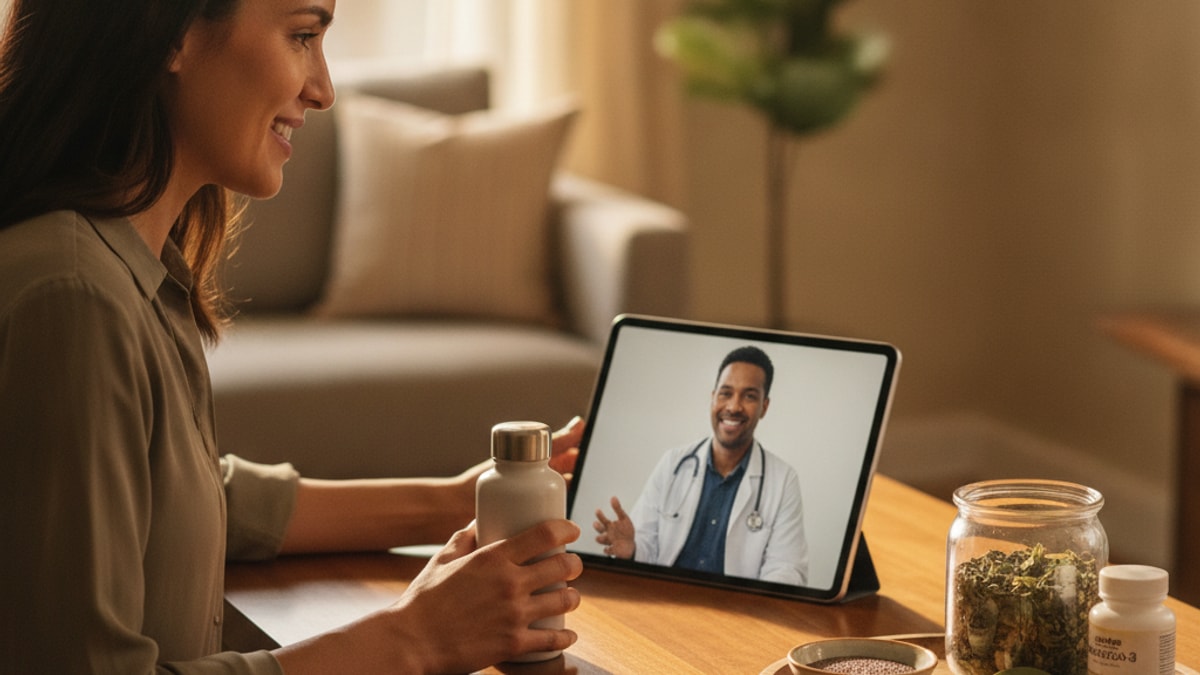
Telehealth wegovy seattle platforms connect Washington residents to licensed medical providers who conduct eligibility assessments remotely. Typically via HIPAA-compliant video consultation lasting 15–20 minutes. If clinically appropriate, the provider issues a prescription for compounded semaglutide (the same active ingredient as branded Wegovy) to an FDA-registered 503B pharmacy, which ships directly to the patient's address. Most platforms require a BMI of 30 or higher, or 27+ with at least one weight-related comorbidity like hypertension or prediabetes.
The consultation covers medical history, current medications, contraindications, and realistic expectations for GLP-1 therapy. This isn't a prescription mill. Legitimate providers decline patients with contraindications including personal or family history of medullary thyroid carcinoma, MEN2 syndrome, or active pancreatitis. Patients approved for treatment receive a starter dose (typically 0.25mg weekly for four weeks), injection supplies, and protocol instructions before escalating to therapeutic doses over 16–20 weeks.
How Telehealth Wegovy Seattle Platforms Verify Medical Eligibility
Every legitimate telehealth wegovy seattle provider operates under Washington State Medical Commission telemedicine standards as defined in RCW 18.71, which mandates synchronous audio-visual consultation before prescribing controlled substances or high-risk medications. GLP-1 receptor agonists aren't controlled substances under DEA scheduling, but Washington statute classifies them as requiring prescriber-patient relationship establishment. Meaning text-only questionnaires or automated approval systems violate state medical board rules.
The consultation process starts with structured intake: current weight, height, medical conditions, active prescriptions, previous weight loss attempts, and family history of thyroid cancer or pancreatitis. Providers assess contraindications explicitly. Patients with gastroparesis, inflammatory bowel disease, or severe kidney impairment (eGFR below 30) are typically excluded. We've found that platforms rushing through this step in under 10 minutes often miss critical drug interactions or fail to screen for MEN2 syndrome, which represents a hard contraindication to all GLP-1 therapies.
Legitimate providers also set realistic expectations upfront: mean weight reduction on therapeutic-dose semaglutide ranges from 12–15% of total body weight over 68 weeks according to the STEP trial program published in NEJM. Patients who expect 30–40 pounds lost in three months are being set up for disappointment. GLP-1 medications work through appetite suppression and delayed gastric emptying, not metabolic acceleration. The effect scales with adherence to dosing protocol and dietary structure.
Compounded Semaglutide vs Branded Wegovy — What Seattle Patients Actually Receive
Most telehealth wegovy seattle platforms prescribe compounded semaglutide, not branded Wegovy. This distinction matters for insurance coverage, cost, and legal framework. But not for pharmacological mechanism. Compounded semaglutide contains the identical active molecule (semaglutide) prepared by FDA-registered 503B outsourcing facilities under USP Chapter 795 standards. It lacks FDA approval of the specific finished formulation, which belongs exclusively to Novo Nordisk's branded products.
The practical difference: branded Wegovy costs $1,300–$1,600 per month without insurance and requires prior authorization through most plans. Compounded semaglutide from licensed 503B pharmacies runs $250–$400 monthly and isn't submitted to insurance. Novo Nordisk has challenged the legality of compounded semaglutide distribution, but FDA guidance permits compounding during drug shortages. And semaglutide has been on the FDA shortage list continuously since 2023.
Patients should verify their pharmacy source explicitly. Ask: is this a 503B registered facility or a 503A state-licensed pharmacy? Both are legal, but 503B facilities operate under stricter federal oversight including mandatory adverse event reporting and routine FDA inspections. Our experience shows that platforms sourcing from 503B pharmacies have lower contamination risk and more consistent potency across batches.
The Medical Supervision Component Seattle Residents Should Expect
Telehealth wegovy seattle isn't fire-and-forget prescribing. Washington medical board standards require ongoing clinical oversight for medications with known adverse event profiles. Legitimate platforms schedule follow-up consultations every 4–8 weeks during dose titration to assess tolerability, adjust dosing schedules if side effects are severe, and monitor for signs of pancreatitis or gallbladder disease.
Gastrointestinal side effects. Nausea, vomiting, diarrhea, constipation. Occur in 30–45% of patients during dose escalation. These symptoms peak in weeks 2–4 at each new dose and typically resolve within 4–8 weeks as GLP-1 receptor density downregulates in the gut. Standard mitigation: eat smaller meals, avoid high-fat foods, stay upright for two hours after eating, and slow the titration schedule if symptoms are intolerable. Patients who push through severe nausea without contacting their provider risk dehydration and electrolyte imbalance.
Serious adverse events are rare but documented: acute pancreatitis occurs in approximately 0.2% of patients, gallbladder disease in 1.5–2.5%, and thyroid C-cell tumors have been observed in rodent studies (though human causality remains unproven). Any severe abdominal pain, persistent vomiting, or neck mass warrants immediate provider contact and potential discontinuation.
Telehealth Wegovy Seattle: Delivery Logistics & Medication Storage
| Delivery Method | Temperature Control | Typical Timeline | Patient Action Required |
|---|---|---|---|
| Overnight Cold-Chain Shipping | Gel packs + insulated box maintain 2–8°C for 24–36 hours | 1–2 business days from prescription approval | Refrigerate immediately upon arrival; inspect for temperature indicator breach |
| Standard 2-Day Shipping | Ambient temperature (room temp stable for 48 hours) | 2–3 business days | Refrigerate upon arrival; lyophilised powder tolerates brief ambient exposure |
| Local Courier (Seattle metro) | Temperature-controlled vehicle transport | Same-day or next-day | Coordinate delivery window; someone must be home to receive |
Compounded semaglutide ships as lyophilised powder (requires reconstitution with bacteriostatic water) or pre-mixed solution in injectable vials. Lyophilised powder is more stable. It tolerates ambient temperature for 48–72 hours without degradation, making it the safer option for Seattle's unpredictable delivery conditions. Pre-mixed solutions must stay between 2–8°C continuously; any temperature excursion above 8°C risks irreversible protein denaturation.
Patients receive injection supplies alongside medication: insulin syringes (typically 0.5mL with 29-gauge needles), alcohol prep pads, sharps container, and protocol card. First-time injectors should watch the provided tutorial video. Subcutaneous injection technique matters. Inject into fatty tissue (abdomen, thigh, or upper arm), rotate sites weekly, and avoid injecting into muscle or scar tissue.
Key Takeaways
- Telehealth wegovy seattle platforms connect Washington residents to licensed providers who prescribe compounded semaglutide. Clinically identical to branded Wegovy but not FDA-approved as a finished drug product.
- Most platforms require BMI ≥30 or ≥27 with comorbidities; consultations take 15–20 minutes and include contraindication screening for thyroid cancer history, pancreatitis, and severe kidney disease.
- Compounded semaglutide costs $250–$400 monthly vs $1,300+ for branded Wegovy. The active molecule is identical, prepared by FDA-registered 503B facilities during the ongoing shortage.
- GI side effects (nausea, vomiting, diarrhea) affect 30–45% during dose escalation but typically resolve within 4–8 weeks as the body adjusts to higher doses.
- Medication ships within 48 hours via cold-chain delivery; lyophilised powder tolerates brief ambient temperature, but pre-mixed solutions must stay refrigerated at 2–8°C continuously.
What If: Telehealth Wegovy Seattle Scenarios
What if my insurance won't cover branded Wegovy — can I still access treatment through telehealth?
Yes. Most telehealth wegovy seattle platforms prescribe compounded semaglutide specifically because it bypasses insurance prior authorization requirements. Patients pay out-of-pocket ($250–$400 monthly), but the prescription is issued and filled within 48 hours instead of waiting 6–12 weeks for insurance approval. Compounded versions aren't submitted to insurance, which means no denials, no appeals, and no coverage gaps.
What if I travel frequently — can I take semaglutide with me through airport security?
Yes, but temperature management is the constraint. TSA permits medically necessary liquids and syringes in carry-on luggage with no volume limit. Pack your medication in an insulated case with gel packs (FRIO wallets use evaporative cooling and don't require ice). Lyophilised powder tolerates ambient temperature for 48 hours, but pre-mixed solutions need continuous refrigeration. If your hotel lacks a mini-fridge, request one at check-in. Most properties provide them for medical necessity.
What if I miss a weekly injection — should I double the next dose?
No. Never double-dose GLP-1 medications. If you miss a dose by fewer than five days, inject as soon as you remember and resume your regular schedule. If more than five days have passed, skip the missed dose entirely and continue with your next scheduled injection. Doubling doses increases nausea risk without improving efficacy. Semaglutide's five-day half-life means plasma levels remain elevated even with missed doses.
The Unvarnished Truth About Telehealth GLP-1 Access in Seattle
Here's the honest answer: telehealth wegovy seattle works exactly as advertised for patients who meet clinical criteria and follow protocol. But it's not a shortcut around medical necessity. The platforms marketing 'easy approval' or 'no medical history required' are operating outside Washington medical board standards, and patients using them risk receiving contaminated product, incorrect dosing, or zero clinical oversight when side effects occur. Legitimate providers decline 15–20% of applicants due to contraindications. If your platform approves everyone, that's a red flag.
The other reality most marketing avoids: GLP-1 medications produce meaningful weight loss only when combined with caloric deficit and structured eating. The STEP-1 trial showed 14.9% mean reduction on 2.4mg semaglutide. But participants also received lifestyle counseling and dietary guidance. Patients who rely on the medication alone without dietary changes typically see 6–8% reduction, and most regain two-thirds of lost weight within 12 months of stopping. This isn't medication failure. It's biology. GLP-1 therapy corrects impaired satiety signaling, but it doesn't permanently reset your metabolic set point.
If a platform promises 30-pound weight loss in three months without mentioning diet, exercise, or potential side effects. Walk away. Real prescribers set realistic expectations, screen for contraindications, and provide ongoing supervision. That's what telehealth wegovy seattle should deliver.
Cost Transparency — What Seattle Patients Actually Pay
Telehealth wegovy seattle platforms typically charge three fees: initial consultation ($50–$150), monthly medication cost ($250–$400 for compounded semaglutide), and optional follow-up visits ($25–$75 per consultation). Some platforms bundle consultation fees into the first month's medication cost. Total first-month expense: $300–$550. Ongoing monthly cost after month one: $250–$400.
Branded Wegovy through traditional prescribers costs $1,300–$1,600 monthly without insurance. With insurance coverage and prior authorization approval, patient copays range from $25–$250 depending on plan formulary tier. Most commercial plans classify Wegovy as Tier 3 or Tier 4, requiring step therapy (failed attempts with other weight loss medications first) and BMI documentation.
Our team has found that patients who qualify for insurance coverage but can't navigate the prior authorization maze often spend 8–12 weeks in limbo. During which compounded semaglutide via telehealth delivers the same clinical outcome at lower cost. The financial calculation depends on your insurance tier, deductible status, and willingness to self-pay for faster access.
If cost predictability matters more than insurance reimbursement, compounded semaglutide through telehealth wegovy seattle platforms offers transparent monthly pricing with zero surprise bills or coverage denials. If you have strong insurance coverage and time to navigate prior authorization, branded Wegovy may cost less long-term. But expect a 2–3 month delay from prescription to first dose.
Frequently Asked Questions
How does telehealth wegovy seattle differ from in-person prescriptions?▼
Telehealth wegovy seattle conducts eligibility assessments and prescriber consultations remotely via HIPAA-compliant video platform — typically 15–20 minutes — followed by prescription issuance to an FDA-registered pharmacy that ships directly to the patient. In-person clinics require physical office visits, often with longer wait times for appointments, but may accept insurance more readily. Both pathways require the same clinical criteria (BMI thresholds, contraindication screening, medical history review) under Washington state medical board oversight. The medication received is functionally identical whether prescribed in-person or via telehealth.
Can Seattle residents use telehealth wegovy platforms if they live outside King County?▼
Yes — telehealth wegovy seattle platforms serve all Washington state residents regardless of county, as long as the prescribing provider holds active Washington medical licensure. Patients in Spokane, Tacoma, Bellingham, and rural areas across the state are equally eligible. The prescriber must be licensed in Washington to prescribe controlled or high-risk medications under RCW 18.71 telemedicine standards, but the patient’s physical location within the state doesn’t restrict access.
What is the difference between compounded semaglutide and branded Wegovy prescribed via telehealth?▼
Compounded semaglutide contains the identical active molecule as branded Wegovy (semaglutide), prepared by FDA-registered 503B facilities under USP 795 compounding standards. It lacks FDA approval of the specific finished formulation, which belongs exclusively to Novo Nordisk’s branded product. The pharmacological mechanism, receptor binding, and clinical effect are identical — the primary differences are cost ($250–$400 monthly vs $1,300+ for Wegovy), insurance coverage (compounded versions aren’t submitted to insurance), and regulatory oversight (branded products undergo batch-level FDA potency verification; compounded versions rely on pharmacy-level quality control).
How long does it take to see weight loss results with telehealth wegovy seattle treatment?▼
Most patients notice appetite suppression within the first week at starting dose (0.25mg weekly), but meaningful weight reduction — defined as 5% or more of total body weight — typically takes 8–12 weeks at therapeutic dose (1.7–2.4mg weekly). The STEP-1 trial demonstrated 14.9% mean body weight reduction at 68 weeks on 2.4mg semaglutide, but individual response varies based on adherence, dietary structure, and baseline metabolic rate. Patients who maintain caloric deficit alongside medication consistently show 2–3× the weight loss of those relying on the drug alone without dietary modification.
What side effects should Seattle patients expect when starting semaglutide via telehealth?▼
Gastrointestinal side effects — nausea, vomiting, diarrhea, constipation — occur in 30–45% of patients during dose escalation and are the primary reason for discontinuation. These effects peak during weeks 2–4 at each dose increase and typically resolve within 4–8 weeks as GLP-1 receptor density in the gut downregulates. Standard mitigation strategies include eating smaller meals, avoiding high-fat foods, staying upright for two hours after eating, and slowing the titration schedule if symptoms are severe. Serious adverse events (pancreatitis, gallbladder disease) are rare but documented — any severe abdominal pain warrants immediate provider contact.
Will insurance cover telehealth wegovy seattle prescriptions?▼
Most telehealth platforms prescribe compounded semaglutide, which is not submitted to insurance and requires out-of-pocket payment ($250–$400 monthly). Branded Wegovy prescribed through traditional providers may be covered by insurance, but requires prior authorization, step therapy documentation, and BMI verification — a process that takes 6–12 weeks on average. Some commercial plans cover telehealth consultations under telemedicine benefits, but the medication itself (whether compounded or branded) follows separate pharmacy benefit rules. Patients seeking insurance reimbursement should request branded Wegovy specifically and expect significant authorization delays.
Can I switch from in-person Wegovy prescriptions to telehealth wegovy seattle?▼
Yes — patients currently prescribed branded Wegovy through in-person providers can transition to telehealth platforms prescribing compounded semaglutide without washout period or dose reset. Inform the telehealth provider of your current dose during the consultation; most will continue the same dose rather than restarting titration. The transition is seamless pharmacologically because the active molecule is identical. Patients switching to save cost or improve access typically maintain the same injection schedule (weekly) and experience no interruption in appetite suppression or weight loss trajectory.
What happens if I experience severe side effects with telehealth wegovy seattle?▼
Legitimate telehealth wegovy seattle platforms provide ongoing clinical support — typically via secure messaging, phone consultation, or follow-up video visit within 24–48 hours of reported adverse events. Severe symptoms (persistent vomiting, severe abdominal pain, signs of pancreatitis) require immediate dose reduction or discontinuation, which the prescribing provider coordinates remotely. Patients should verify that their platform offers 24/7 clinical access or same-day urgent consultation before starting treatment. Platforms without responsive medical oversight leave patients stranded when side effects occur — a red flag for legitimacy.
How is compounded semaglutide dosed compared to branded Wegovy?▼
Compounded semaglutide follows the same dose escalation schedule as branded Wegovy: 0.25mg weekly for four weeks, 0.5mg for four weeks, 1.0mg for four weeks, 1.7mg for four weeks, then 2.4mg as maintenance dose. Some providers adjust titration speed based on tolerability — slowing escalation if nausea is severe, or accelerating if the patient tolerates higher doses without side effects. The therapeutic target is 1.7–2.4mg weekly; lower doses provide appetite suppression but reduced weight loss efficacy. Patients should follow their provider’s prescribed schedule rather than self-adjusting doses.
Is telehealth wegovy seattle legal in Washington state?▼
Yes — Washington State Medical Commission explicitly permits telemedicine prescribing under RCW 18.71, provided the prescriber holds active Washington medical licensure and conducts synchronous audio-visual consultation before issuing prescriptions. GLP-1 medications like semaglutide aren’t controlled substances under DEA scheduling, but Washington statute requires prescriber-patient relationship establishment for high-risk medications. Platforms using text-only questionnaires or automated approval without video consultation violate state medical board rules. Patients should verify their provider’s Washington medical license number on the state medical commission website before starting treatment.

Transforming Lives, One Step at a Time
Keep reading
Can the Wegovy Pill Hold the Weight You Lost on Semaglutide Injections?
Most likely yes, once you reach the maintenance dose. The risk is not the destination but the trip: switching means restarting titration on the…
Wegovy Alternatives: What Else Works for Weight Loss
If Wegovy isn’t working out, the strongest alternative is tirzepatide (Zepbound), which tends to produce more weight loss, followed by other GLP-1 options and…
VK2735 vs Wegovy: Investigational Contender vs Proven Semaglutide
VK2735 and Wegovy sit at different stages of development. VK2735, an investigational drug from Viking Therapeutics, comes in both injectable and oral forms and…


