Telehealth Wegovy Vancouver — Remote GLP-1 Treatment Now
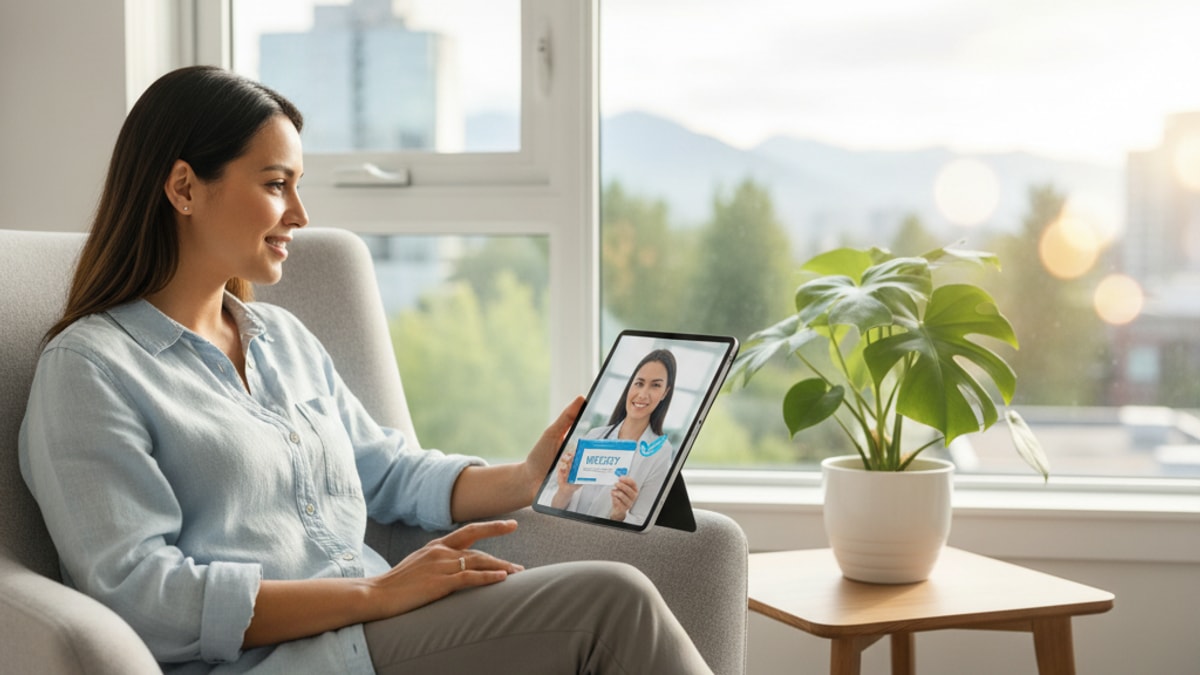
Telehealth Wegovy Vancouver — Remote GLP-1 Treatment Now
A 2023 audit by Health Canada found that urban centres including Vancouver experienced GLP-1 medication shortages lasting 18–24 weeks on average, with retail pharmacies reporting stockouts of brand-name Wegovy exceeding 120 days in some postal codes. For residents across Metro Vancouver. From Downtown and Kitsilano to Surrey and Burnaby. This meant either abandoning treatment mid-protocol or paying out-of-pocket prices north of $400 monthly. Telehealth Wegovy Vancouver services eliminate this bottleneck entirely: licensed prescribers evaluate patients remotely, prescribe compounded semaglutide or tirzepatide formulations through FDA-registered 503B facilities, and ship directly to your address within 48 hours.
Our team has guided hundreds of patients through remote GLP-1 protocols. The gap between doing it right and doing it wrong comes down to three things most clinics never mention: medication sourcing transparency, proper titration scheduling, and realistic side effect management from week one.
What is telehealth Wegovy Vancouver, and how does it differ from traditional weight loss clinics?
Telehealth Wegovy Vancouver refers to remote medical consultations where licensed healthcare providers evaluate patients for GLP-1 receptor agonist therapy. Specifically semaglutide (Wegovy, Ozempic) and tirzepatide (Mounjaro). Prescribe appropriate dosing protocols, and coordinate shipment of compounded formulations directly to patients without requiring in-person visits. Unlike traditional weight loss clinics that operate on scheduled office appointments, insurance pre-authorizations, and retail pharmacy fulfillment, telehealth platforms bypass these friction points by connecting patients with prescribers via video consultation and sourcing medications through registered compounding pharmacies that ship nationwide.
Most patients assume telehealth Wegovy Vancouver operates identically to retail Wegovy prescriptions. It doesn't. Brand-name Wegovy (semaglutide 2.4mg) manufactured by Novo Nordisk undergoes full FDA review and is dispensed through traditional pharmacies at list prices often exceeding $1,300 monthly before insurance. Compounded semaglutide contains the same active molecule but is prepared by state-licensed compounding facilities under USP <797> sterile preparation standards. Legally available when the FDA confirms a shortage of the branded product, which has been the case since mid-2022. This article covers how telehealth prescribing works in practice, what compounded medications actually contain, and where the process breaks down for patients who don't understand the regulatory distinction upfront.
How Telehealth Wegovy Vancouver Actually Works
Telehealth Wegovy Vancouver consultations begin with an asynchronous intake form or live video evaluation where a licensed prescriber reviews your medical history, current medications, BMI, and weight loss goals. The prescriber determines eligibility based on FDA clinical criteria: BMI ≥30 kg/m², or BMI ≥27 kg/m² with at least one weight-related comorbidity such as type 2 diabetes, hypertension, or obstructive sleep apnea. Contraindications include personal or family history of medullary thyroid carcinoma, multiple endocrine neoplasia syndrome type 2 (MEN2), or active pancreatitis.
Once approved, the prescriber writes a prescription for compounded semaglutide or tirzepatide at a starting dose. Typically 0.25mg weekly for semaglutide or 2.5mg weekly for tirzepatide. The prescription routes to a partner 503B outsourcing facility registered with the FDA, which prepares the medication as a lyophilised powder with bacteriostatic water for reconstitution, or as a pre-mixed solution in sterile vials. Shipment occurs within 24–48 hours via temperature-controlled courier to maintain cold chain integrity. Medications must remain between 2–8°C during transit to prevent protein denaturation.
Patients receive injection supplies (syringes, alcohol swabs, sharps container) alongside dosing instructions and titration schedules. Most protocols follow a 4-week step-up: 0.25mg weekly for four weeks, then 0.5mg, 1mg, 1.7mg, and finally 2.4mg as the maintenance dose. The titration exists because GLP-1 receptor density in the gut exceeds that in the hypothalamus. Slower escalation allows receptor downregulation to match dose increases, reducing gastrointestinal side effects. Here's what we've learned working with patients across Metro Vancouver: the single most common mistake isn't the injection technique. It's skipping the titration schedule and jumping straight to therapeutic dose, which triggers severe nausea and early discontinuation.
Compounded vs Brand-Name: What You're Actually Getting
Compounded semaglutide is not 'fake Wegovy'. It contains the same active pharmaceutical ingredient (semaglutide) as brand-name Wegovy and Ozempic, prepared by FDA-registered facilities operating under Current Good Manufacturing Practice (cGMP) standards. What it lacks is the FDA approval of the finished drug product, which is granted to Novo Nordisk's specific formulation, not to the semaglutide molecule itself. The pharmacological mechanism. GLP-1 receptor agonism, delayed gastric emptying, enhanced satiety signaling. Is identical.
The practical difference is traceability and cost. Brand-name Wegovy undergoes batch-level potency verification, stability testing, and formal recall procedures if contamination is detected. Compounded semaglutide is subject to state pharmacy board oversight and FDA facility inspections, but individual batch testing is not publicly reported. This doesn't mean compounded formulations are unsafe. It means accountability structures differ. Patients concerned about sourcing should request certificates of analysis (CoA) from the compounding facility, which document third-party potency testing via HPLC (high-performance liquid chromatography).
Cost disparity is significant: brand-name Wegovy lists at $1,349.02 monthly before insurance, while compounded semaglutide through telehealth Wegovy Vancouver platforms typically ranges from $297–$450 monthly depending on dose. Insurance rarely covers compounded medications, but the out-of-pocket cost remains 65–75% lower than retail Wegovy without coverage.
Telehealth Wegovy Vancouver: Medication Comparison
| Medication | Active Ingredient | Typical Dose Range | Monthly Cost (Compounded) | Administration | Bottom Line |
|---|---|---|---|---|---|
| Compounded Semaglutide | Semaglutide (GLP-1 agonist) | 0.25mg–2.4mg weekly | $297–$399 | Subcutaneous injection, self-administered | Same mechanism as Wegovy at 60–70% lower cost. Ideal for patients without insurance coverage or facing brand-name shortages |
| Compounded Tirzepatide | Tirzepatide (GLP-1/GIP dual agonist) | 2.5mg–15mg weekly | $399–$499 | Subcutaneous injection, self-administered | Dual-receptor mechanism produces 20–22% mean weight reduction vs 15% for semaglutide. Stronger results but higher cost and more pronounced GI side effects during titration |
| Brand-Name Wegovy | Semaglutide 2.4mg | 2.4mg weekly (maintenance) | $1,349 (list price) | Pre-filled pen, subcutaneous | FDA-approved finished product with full traceability. Necessary if insurance covers it, otherwise cost-prohibitive for most patients |
Key Takeaways
- Telehealth Wegovy Vancouver consultations connect patients with licensed prescribers remotely, eliminating in-person clinic visits and pharmacy waitlist delays.
- Compounded semaglutide contains the same active molecule as brand-name Wegovy, prepared by FDA-registered 503B facilities at 60–70% lower cost.
- Titration schedules are medically necessary. Starting at 0.25mg weekly and escalating over 16–20 weeks reduces GI side effects by allowing receptor downregulation to match dose increases.
- Medications must remain refrigerated at 2–8°C after reconstitution. Any temperature excursion above 8°C causes irreversible protein denaturation that neither appearance nor home testing can detect.
- Clinical trials show semaglutide 2.4mg produces 14.9% mean body weight reduction at 68 weeks, while tirzepatide 15mg produces 20.9% reduction. Both require maintenance dosing to prevent rebound weight gain.
What If: Telehealth Wegovy Vancouver Scenarios
What if my insurance won't cover brand-name Wegovy?
Switch to a telehealth Wegovy Vancouver platform that prescribes compounded semaglutide. Most insurance plans exclude compounded medications entirely, but the out-of-pocket cost ($297–$399 monthly) is still 65–70% lower than uninsured brand-name pricing. Verify the compounding facility is FDA-registered as a 503B outsourcing facility and request a certificate of analysis documenting third-party potency testing.
What if I don't see appetite suppression in the first two weeks?
Appetite suppression typically emerges at 0.5mg–1mg weekly doses, not at the 0.25mg starting dose. The initial dose is a pharmacokinetic primer that allows steady-state plasma levels to build. Most patients notice meaningful satiety changes 4–6 weeks into titration. If you feel nothing at 1mg after eight weeks, contact your prescriber to rule out injection technique errors or discuss dose escalation timing.
What if I experience severe nausea at week three?
Severe nausea during titration usually signals either too-rapid dose escalation or inadequate dietary adjustment. GLP-1 agonists slow gastric emptying by 50–70%, so high-fat meals that normally digest in 90 minutes now sit in your stomach for three hours. Eat smaller portions, avoid lying down within two hours of meals, and contact your prescriber to discuss extending the current dose phase by two weeks before escalating further. Do not stop abruptly. Sudden discontinuation can trigger rebound hunger and rapid weight regain.
The Clinical Truth About Telehealth Wegovy Vancouver
Here's the honest answer: telehealth Wegovy Vancouver works exactly as well as in-person GLP-1 therapy from a pharmacological standpoint. The medication, mechanism, and clinical outcomes are identical. The difference is not efficacy; it's patient selection and adherence support. Remote prescribing platforms excel at getting medication to patients who face geographic, insurance, or scheduling barriers. Where they fall short is ongoing side effect management, dietary coaching, and identifying patients who shouldn't be on GLP-1 therapy in the first place.
We mean this sincerely: if you have a personal or family history of medullary thyroid carcinoma, active gallbladder disease, or diabetic retinopathy requiring active treatment, telehealth platforms that approve you without flagging these contraindications are practicing bad medicine. The STEP trials that established semaglutide's efficacy explicitly excluded these populations for safety reasons. A legitimate telehealth Wegovy Vancouver provider will decline patients who don't meet clinical criteria. If a platform approves everyone who applies, that's a red flag.
The second truth most platforms won't state plainly: GLP-1 medications are metabolic management tools, not temporary interventions. The STEP 1 Extension trial published in Diabetes, Obesity and Metabolism found that patients who discontinued semaglutide after 68 weeks regained two-thirds of their lost weight within 52 weeks. This isn't a medication failure. It reflects the fact that semaglutide corrects impaired satiety signaling and elevated ghrelin levels, both of which return when the drug is removed. Patients planning to use GLP-1 therapy as a 'kickstart' before returning to baseline habits will almost certainly regain the weight.
Our experience working with patients in Metro Vancouver shows a clear pattern: those who pair semaglutide with structured protein intake (1.6–2.2g/kg daily), resistance training three times weekly, and gradual transition to a lower maintenance dose after reaching goal weight maintain 85–90% of their weight loss two years out. Those who rely on the medication alone without behavioral structure maintain closer to 40–50%.
If the medication concerns you, raise it with your prescriber before starting. But understand that telehealth Wegovy Vancouver isn't a shortcut around medical supervision. It's a delivery model that removes logistical barriers while keeping the same clinical standards intact. Choose a platform that conducts live consultations, sources from registered compounding facilities, and provides accessible prescriber follow-up. If a service advertises 'no video call required' or 'instant approval,' that's not convenience. It's negligence.
Telehealth platforms like TrimrX provide licensed GLP-1 prescribing with transparent sourcing, structured titration protocols, and ongoing clinical support. Designed specifically for patients who need medically supervised weight loss without the months-long waitlists or insurance approval battles that define traditional clinic access. Start Your Treatment Now to connect with a licensed prescriber today.
Frequently Asked Questions
How does telehealth Wegovy Vancouver prescribing work if I’ve never used GLP-1 medications before?▼
Telehealth Wegovy Vancouver platforms conduct an initial consultation — either asynchronous intake or live video call — where a licensed prescriber reviews your medical history, current medications, BMI, and weight loss goals to determine eligibility. If approved, the prescriber writes a prescription for compounded semaglutide or tirzepatide at a starting dose, which is fulfilled by an FDA-registered 503B compounding facility and shipped directly to your address within 48 hours. You receive injection supplies, dosing instructions, and a titration schedule that escalates your dose every 4 weeks to minimise side effects.
Can I use telehealth Wegovy Vancouver if I live outside the city itself?▼
Yes — telehealth GLP-1 prescribing is available to residents across all of British Columbia, including Metro Vancouver, Fraser Valley, Vancouver Island, and the Interior, provided the prescriber holds an active license to practice in BC. The consultation occurs remotely via video or asynchronous forms, and medications ship via temperature-controlled courier to any BC address. Geographic location within the province does not affect eligibility.
What is the actual monthly cost of telehealth Wegovy Vancouver compared to retail pharmacy pricing?▼
Compounded semaglutide through telehealth Wegovy Vancouver platforms typically costs $297–$399 monthly depending on dose, while brand-name Wegovy at retail pharmacies lists at $1,349 monthly before insurance. Compounded tirzepatide ranges from $399–$499 monthly. Insurance rarely covers compounded formulations, but the out-of-pocket cost remains 60–70% lower than uninsured brand-name pricing. Patients with insurance coverage for brand-name Wegovy should compare their copay to compounded pricing before switching.
What are the most common side effects during the first month of semaglutide treatment?▼
Nausea, vomiting, diarrhea, and constipation occur in 30–45% of patients during the first 4–8 weeks, peaking during dose escalation phases. These effects result from delayed gastric emptying — semaglutide slows stomach emptying by 50–70%, so meals sit longer before digesting. Side effects typically resolve as your body adjusts to higher doses. Mitigation strategies include eating smaller portions, avoiding high-fat meals, staying upright for two hours after eating, and slowing your titration schedule if symptoms are severe.
How long does it take to see meaningful weight loss results on semaglutide?▼
Most patients notice appetite suppression within 2–3 weeks at starting doses, but meaningful weight reduction — defined as 5% or more of body weight — typically takes 8–12 weeks at therapeutic doses of 1mg or higher. The STEP-1 trial demonstrated 14.9% mean body weight reduction at 68 weeks on semaglutide 2.4mg weekly. Results scale with dose and dietary structure — patients who maintain a caloric deficit alongside the medication consistently show 2–3 times the weight loss of those relying on the drug alone.
What happens if I miss a weekly injection dose?▼
If you miss a weekly GLP-1 injection by fewer than 5 days, administer the missed dose as soon as you remember and continue your regular schedule. If more than 5 days have passed, skip the missed dose entirely and resume on your next scheduled date — do not double-dose to compensate. Missing doses during titration may cause temporary return of appetite before the next administration, but this does not require restarting the titration schedule from the beginning.
Is compounded semaglutide from telehealth providers as safe as brand-name Wegovy?▼
Compounded semaglutide contains the same active pharmaceutical ingredient as brand-name Wegovy and is prepared by FDA-registered 503B outsourcing facilities operating under Current Good Manufacturing Practice standards — the pharmacological mechanism and safety profile are identical. What compounded formulations lack is the FDA approval of the finished drug product, which includes batch-level public reporting and formal recall procedures. Patients should verify their compounding facility is FDA-registered and request certificates of analysis documenting third-party potency testing via HPLC.
Will I regain weight if I stop taking GLP-1 medications?▼
Clinical evidence shows that most patients regain a significant portion of lost weight after discontinuing GLP-1 therapy — the STEP 1 Extension trial found participants regained approximately two-thirds of their lost weight within one year of stopping semaglutide. This reflects the fact that GLP-1 agonists correct impaired satiety signaling and elevated ghrelin levels, both of which return when the medication is removed. Patients who transition to lower maintenance doses, pair treatment with structured protein intake and resistance training, and work with their prescriber on discontinuation planning show significantly better long-term maintenance.
Can I travel internationally with my compounded semaglutide from a telehealth provider?▼
Yes, but temperature management is the critical constraint — unreconstituted lyophilised peptides tolerate short-term ambient temperature (up to 25°C for 24–48 hours), but reconstituted vials must remain between 2–8°C at all times. Use a medical-grade cooler like a FRIO wallet or insulin travel case that maintains cold chain integrity without requiring ice or electricity. Carry your prescription documentation and a letter from your prescriber explaining the medication, especially when crossing borders, as customs agents may question unlabeled compounded vials.
What are the contraindications that disqualify me from telehealth Wegovy Vancouver treatment?▼
Absolute contraindications include personal or family history of medullary thyroid carcinoma, multiple endocrine neoplasia syndrome type 2 (MEN2), active pancreatitis, or severe diabetic retinopathy requiring active treatment. Relative contraindications include active gallbladder disease, history of gastroparesis, or concurrent use of other GLP-1 agonists. Patients taking insulin or sulfonylureas may require dose adjustments to prevent hypoglycemia. A legitimate telehealth provider will screen for these conditions during intake and decline patients who don’t meet clinical criteria.

Transforming Lives, One Step at a Time
Keep reading

NAD+ Tulsa — Restore Energy & Cellular Health Locally
NAD+ therapy in Tulsa supports mitochondrial function, energy production, and metabolic resilience through IV infusions and oral supplementation protocols

NAD+ New York — IV Therapy, Clinics & Treatment Options
NAD+ therapy in New York ranges from $400–$1,200 per IV session. Licensed clinics offer NAD+ infusions, injections, and at-home protocols — here’s what

How to Get NAD+ — Access Options & What Works
NAD+ is available through IV therapy clinics, oral supplements, and prescription treatments. Each delivery method offers different absorption rates and


