The Critical Question: Does Expired Ozempic Work? Understanding GLP-1 Medication Shelf Life and Safety
Introduction
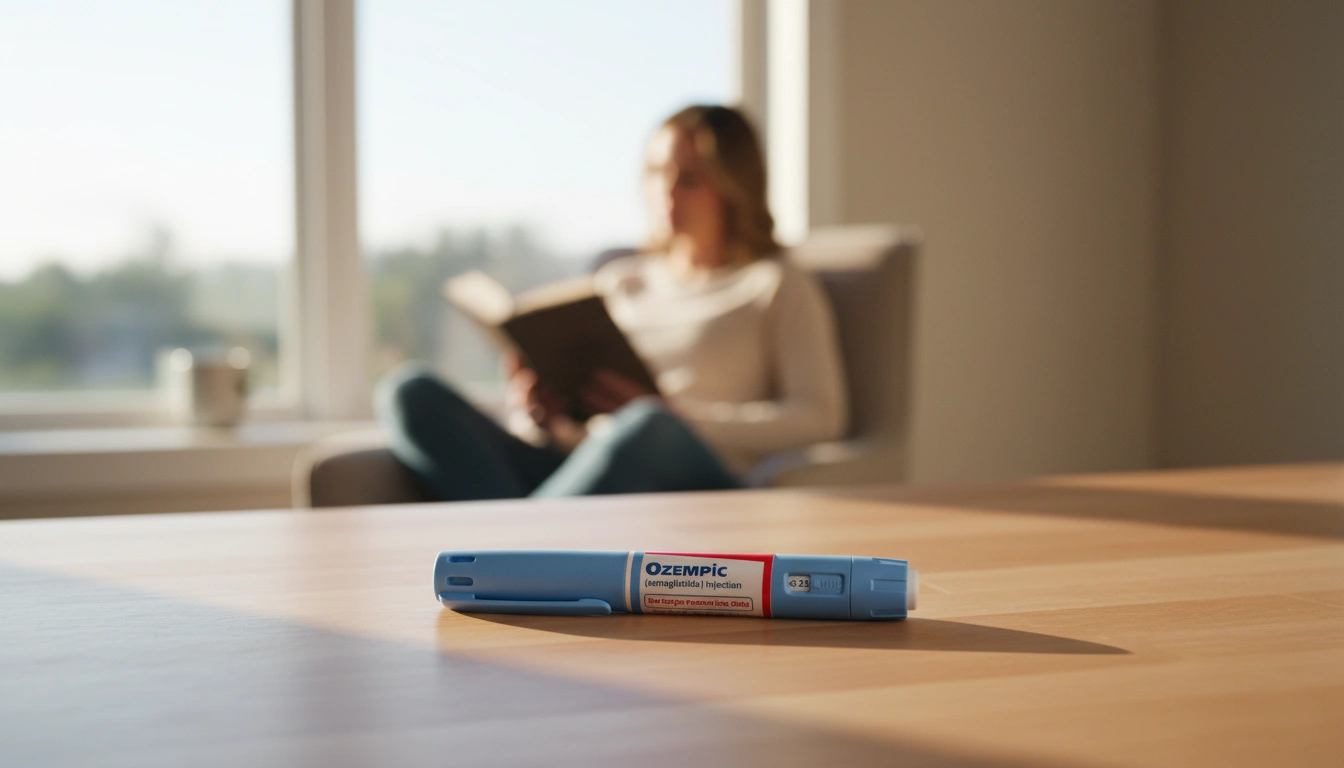
Finding an unused Ozempic pen, perhaps from an earlier time in your health journey, might lead to a natural question: “Does expired Ozempic work?” This query often stems from a desire to utilize every resource effectively, especially when managing long-term health goals. Yet, when it comes to medications like Ozempic, a type of GLP-1 receptor agonist that plays a pivotal role in blood sugar control and weight management, the answer isn’t as simple as with a common over-the-counter pain reliever. These sophisticated medications are biologics, meaning they are derived from living organisms, and their stability and efficacy are incredibly sensitive to time and environmental factors.
At TrimRx, our journey began with a shared vision to help individuals embrace healthier lifestyles by merging cutting-edge telehealth innovations with effective weight loss solutions. We understand the profound impact that safe, effective medication and personalized care can have on your well-being. This understanding underpins our unwavering commitment to providing clear, trustworthy guidance on all aspects of your treatment. When questions arise about medication safety, especially concerning expiration, we believe in arming you with comprehensive, science-backed information.
The purpose of this in-depth post is to thoroughly explore the complexities surrounding the expiration of GLP-1 medications such as Ozempic, Wegovy, and Tirzepatide (Mounjaro, Zepbound), along with compounded formulations. We will demystify the difference between expiration dates and beyond-use dates, delve into the scientific reasons why these medications degrade, and outline the significant risks associated with using expired products. Furthermore, we will provide essential guidance on proper storage, what healthcare providers recommend, and crucial steps to take if you find yourself with potentially compromised medication. By the end, you will have a clear understanding of why adhering to proper medication guidelines is paramount for both effectiveness and safety, empowering you to make informed decisions on your path to a healthier life.
Understanding Medication Expiration: More Than Just a Date
The dates printed on your medication packaging are not arbitrary; they are critical markers established through rigorous testing by manufacturers to ensure the product’s safety and full potency. However, for complex medications like GLP-1 receptor agonists, there are actually two important dates to consider: the manufacturer’s expiration date and the beyond-use date once the medication has been opened. Navigating these distinctions is crucial for anyone utilizing these therapies for blood sugar management or weight loss.
Expiration Date vs. Beyond-Use Date
The expiration date is a guarantee from the manufacturer that, when stored unopened and under specified conditions, the medication will retain its full potency and stability until that specific day. This date is determined by extensive stability studies conducted before the product is released to the market. For many GLP-1 medications like Ozempic, this unopened, refrigerated shelf life can be quite long, often extending to several years (e.g., 36 months). This period represents the maximum time a medication is expected to remain effective and safe before its seal is broken.
Once a medication pen is opened or “first used” – meaning the seal has been punctured and it’s ready for injection – a new timeline begins: the beyond-use date. This date is typically much shorter than the printed expiration date for unopened pens. For popular GLP-1 injectable pens such as Ozempic and Wegovy, the beyond-use date is commonly 56 days (or 8 weeks) after the first use, regardless of whether there is still medication left in the pen. This shorter window accounts for potential changes in the medication’s stability once it’s exposed to air, light, and varying temperatures, even if kept refrigerated or at room temperature within specified limits.
Understanding this dual timeline is fundamental. An unopened pen might be “unexpired” according to its manufacturer date, but if it was opened more than 56 days ago, it has passed its beyond-use date and should no longer be used. Our commitment at TrimRx is to ensure you have complete clarity on these guidelines, emphasizing that transparent service is a cornerstone of our approach. We partner with FDA-registered and inspected pharmacies for the shipping of weight loss medications, further underscoring our dedication to safety and quality at every step.
Why Biologics are Different: The Fragile Nature of GLP-1s
Unlike many oral medications, which often retain some potency long past their expiration dates, GLP-1 receptor agonists are biologics. This means they are complex protein-based medications derived from living organisms. Think of them less like a stable chemical compound and more like a finely tuned biological structure.
- Protein Structure: Semaglutide and tirzepatide are large, delicate protein molecules. Proteins are highly susceptible to degradation when exposed to various environmental stressors such as heat, light, and freezing temperatures. These stressors can cause the protein structure to unravel or clump together, a process known as aggregation.
- Loss of Function: When protein degradation occurs, the active ingredient’s three-dimensional structure changes. This structural integrity is vital for the medication to bind effectively to its target receptors in the body and exert its therapeutic effects, such as regulating blood sugar or reducing appetite. A compromised structure means a compromised function.
- Immune Reactions: In some cases, aggregated protein particles can potentially trigger an immune response in the body. While not a common occurrence with GLP-1s, it highlights the body’s sensitivity to altered biological substances.
Because of this inherent fragility, the stability of GLP-1 medications is carefully controlled by manufacturers, who specify precise storage conditions and strict expiration and beyond-use dates. Our innovative approach at TrimRx not only brings advanced medical science and modern technology together but also ensures that comprehensive information about your medications is always at your fingertips, helping you manage them safely and effectively. This detailed understanding reinforces why we, as your trusted partner, prioritize adherence to these guidelines for your health and safety.
The Science Behind Semaglutide’s Stability
The effectiveness of GLP-1 medications hinges on the integrity of their active compounds. When these complex proteins are compromised, their ability to support your weight loss and health goals diminishes significantly. This section delves into the specific ways semaglutide and tirzepatide can degrade and the visual cues that indicate a potential problem.
Protein Degradation: Aggregation and Potency Loss
At the molecular level, semaglutide and tirzepatide are designed with precision. However, these protein-based medications are inherently vulnerable to physical and chemical changes over time, especially beyond their recommended storage periods.
- Molecular Clumping (Aggregation): The most significant concern for protein drugs is aggregation. Over time, or under adverse storage conditions (like freezing or excessive heat), the individual protein molecules can start to clump together, forming larger aggregates or fibrils. When this happens, the active medication becomes less available in its correct form. Imagine trying to use a key that has been bent or fused with other keys; it simply won’t fit the lock properly. Similarly, aggregated GLP-1 molecules may not effectively bind to GLP-1 receptors in your body, leading to reduced therapeutic effect.
- Reduced Active Medication: This aggregation means that the dose you are injecting may contain significantly less active medication than intended. Even if the pen appears full, the actual amount of functional semaglutide or tirzepatide available to your body can be substantially lower. Since the benefits of these medications are dose-dependent, receiving a reduced effective dose can compromise your blood sugar control or hinder your weight loss progress.
- Chemical Degradation: Beyond physical aggregation, chemical degradation can also occur. This involves changes to the chemical bonds within the protein, further altering its structure and reducing its efficacy. While manufacturers include stabilizers and preservatives, their effectiveness can wane over time, especially past expiration or beyond-use dates.
These scientific realities underscore why healthcare providers and regulatory bodies universally advise against using expired or improperly stored GLP-1 medications. Our supportive and results-oriented approach at TrimRx means we equip you with accurate information and resources to ensure you’re always receiving the full benefit of your prescribed treatment plan.
Visual Signs of Spoiled Semaglutide
While the degradation of GLP-1 medications primarily occurs at a microscopic level, there are often visible signs that indicate the medication has been compromised. It is absolutely vital to inspect your medication before each use. If you observe any of the following, the medication should be discarded:
- Cloudiness in the Solution: Fresh, properly stored GLP-1 medications are typically clear and colorless. If your solution appears cloudy, hazy, or milky, it’s a strong indicator that the protein has started to break down or aggregate.
- Particles Floating Around: The presence of visible particles, flakes, or strands floating in the liquid is another clear sign of degradation. These could be protein aggregates that have become large enough to see.
- Color Changes: While usually colorless, any noticeable discoloration—such as a yellowish or brownish tint—suggests chemical degradation has occurred.
- Crystals or Clumps: The appearance of crystals or larger clumps indicates severe protein aggregation.
- Unusual Odor: Though less common, any unusual or distinct odor from the medication should also be a red flag.
These visual cues are your body’s first line of defense against compromised medication. Our focus on safety means we always emphasize these crucial checks. If you are ever in doubt about the appearance of your medication, it is best to err on the side of caution and discard it. When you embark on a personalized weight loss program with TrimRx, we ensure you receive all the necessary guidance and support, including how to properly check and store your medication, contributing to a safe and effective journey.
Why Using Expired Semaglutide Isn’t Worth the Risk
The temptation to use medication that seems “fine” after its expiration or beyond-use date is understandable, especially given the investment in one’s health journey. However, for GLP-1 medications, the potential drawbacks far outweigh any perceived benefit. The risks are not merely theoretical; they can significantly impact your health and safety.
Reduced Effectiveness: Impacting Your Health Goals
The primary and most immediate risk of using expired or degraded semaglutide or tirzepatide is a significant reduction in its effectiveness. This isn’t just about getting “a little less” of the drug; it’s about the core function of the medication being compromised.
- Compromised Blood Sugar Control: For individuals managing Type 2 diabetes, GLP-1 medications are crucial for regulating blood glucose levels. If the medication has lost potency, it may fail to adequately stimulate insulin release, suppress glucagon, or slow gastric emptying. This could lead to elevated blood sugar, increasing the risk of both short-term complications (like hyperglycemia) and long-term health issues associated with poorly controlled diabetes.
- Ineffective Weight Loss Support: A cornerstone of our approach at TrimRx is sustainable weight loss, and GLP-1s are potent tools in this regard. These medications work by promoting satiety and reducing appetite. If the active ingredient is degraded, these effects will be diminished or entirely absent. This means you may not experience the expected appetite suppression or metabolic benefits, leading to stalled progress on your weight loss journey and potential frustration. Our results-oriented programs are designed to deliver tangible progress, which relies heavily on the full efficacy of your medication.
- Return of Symptoms: For those who rely on these medications to manage cravings, hunger, or other metabolic symptoms, a loss of potency can mean a resurgence of these challenges. This undermines the stability and progress you’ve worked hard to achieve.
The benefits of GLP-1 medications are dose-dependent, meaning higher effective doses generally produce better results for both blood sugar control and weight loss. If your expired pen delivers a sub-therapeutic dose due to degradation, you are essentially hindering your own progress. Our medically supervised care at TrimRx ensures that your treatment plan is tailored to your individual needs, and this includes making sure you always have access to potent and safe medication.
Potential for Contamination
Injectable medications, by their very nature, carry a risk of bacterial contamination, particularly if they are multi-dose vials or pens used over an extended period. While GLP-1 pens are designed for single-patient use and contain preservatives, using them beyond their safe timeframe significantly increases this risk.
- Compromised Sterility: Over time, the integrity of the pen’s components, including the needle insertion site, can be compromised. Each time the pen is used, there’s a microscopic interaction with the environment. Beyond the beyond-use date, the protective measures and preservatives designed to maintain sterility become less reliable.
- Bacterial Growth: Studies have indicated that a small percentage of multi-dose medication vials can develop bacterial growth over time. While GLP-1 pens are not typical vials, the principle remains: prolonged use or improper handling can introduce bacteria into the solution. Injecting contaminated medication can lead to local site infections, or in more severe but rare cases, systemic infections or abscesses.
- Environmental Exposure: Even if you meticulously follow hygiene protocols, the repeated handling and storage of an opened pen over many weeks or months beyond its recommended usage window increases its exposure to environmental microbes.
The peace of mind that comes with knowing your medication is sterile and safe is invaluable. TrimRx emphasizes working exclusively with FDA-registered and inspected pharmacies for the shipping of our weight loss medications. This partnership ensures that the products you receive meet stringent quality and sterility standards, minimizing the risk of contamination from the outset and throughout their intended shelf life.
No Safety Guarantees from the Manufacturer or FDA
Perhaps the most compelling reason to avoid expired GLP-1 medications is the complete absence of safety guarantees. Once a medication passes its expiration date or beyond-use date, the manufacturer no longer assures its strength, quality, or purity.
- Loss of Manufacturer Responsibility: The manufacturer’s warranty for stability and effectiveness ceases on the stated dates. If a health issue arises from using expired medication, you are entirely outside the scope of manufacturer assurance.
- FDA Warnings: The U.S. Food and Drug Administration (FDA) explicitly warns against using expired drugs. While there’s no widespread evidence that expired semaglutide directly becomes “toxic” in the way some other drugs might, the FDA highlights that expired drugs “may not work as intended” and could potentially form “harmful breakdown products.” This lack of certainty presents an unacceptable risk to your health.
- Unknown Risks: The specific effects of degraded GLP-1 proteins on the human body are not fully studied in an expired context. By using such medication, you are essentially conducting an uncontrolled experiment on yourself, with unknown potential side effects or diminished efficacy.
Our brand is built on trust and a commitment to your well-being. We believe that sustainable weight loss should be achieved through science, empathy, and a transparent approach. This includes providing clear guidance on why safety boundaries, like expiration dates, are non-negotiable for your personalized weight loss journey. By choosing fresh, properly stored medication, you are making a vital choice for your health.
Proper Storage: Extending Potency, Not Expiration
While an expired medication cannot be magically revived, proper storage is paramount to ensure your GLP-1 medication remains potent and safe right up to its intended expiration and beyond-use dates. Maintaining optimal storage conditions is a proactive step in protecting your health investment and ensuring consistent treatment efficacy.
Before First Use: The Refrigerator is Your Ally
Unopened GLP-1 medication pens, such as Ozempic, Wegovy, Mounjaro, or Zepbound, along with our compounded semaglutide and tirzepatide, are most stable when stored in specific conditions prior to their first use.
- Consistent Refrigeration: Unopened pens should always be kept in the refrigerator at a temperature between 36°F and 46°F (2°C and 8°C). This cool, consistent environment helps to preserve the delicate protein structure of the active ingredient, maintaining its stability for its full manufacturer-specified shelf life, which can be up to 36 months for some products.
- Protect from Light: While in the refrigerator, it’s also advisable to keep the pen in its original carton or away from direct light, as light exposure can contribute to degradation over time.
This initial storage phase is critical for ensuring the medication begins its journey with full potency.
After First Use: The 56-Day Rule and Temperature Flexibility
Once you’ve punctured the seal of your GLP-1 pen for the first time, the storage rules shift, and the “beyond-use date” clock begins ticking.
- 56-Day Window: Regardless of where it’s stored, an opened pen typically has a beyond-use date of 56 days (or 8 weeks). After this period, any remaining medication should be discarded, even if it appears visually normal. Mark the date of first use on the pen itself or in your calendar to help you remember.
- Room Temperature or Refrigeration: For this 56-day window, most GLP-1 pens offer flexibility. They can usually be stored either at room temperature (typically not exceeding 86°F or 30°C) or returned to the refrigerator. The key is to avoid extreme fluctuations and consistently stay within the recommended temperature range. If you choose room temperature, ensure it’s in a cool, dry place, away from direct sunlight or heat sources.
- Injection Temperature: While storing it cold is fine, many individuals find that injecting cold medication can cause discomfort or stinging. If stored in the refrigerator after first use, it’s perfectly acceptable to take the pen out a few minutes before your injection to allow it to warm up to room temperature. There are no strict rules on this, and it doesn’t affect the medication’s efficacy as long as it returns to proper storage conditions afterward.
Crucial Don’ts: Protecting Your Medication’s Integrity
Understanding what not to do is just as important as knowing what to do for proper medication storage.
- Never Freeze Semaglutide or Tirzepatide: Freezing is one of the most destructive conditions for protein-based medications. The formation of ice crystals can physically damage the delicate protein molecules, causing them to aggregate and rendering the medication ineffective, even after thawing. If your pen has accidentally frozen at any point, it must be discarded immediately.
- Protect from Extreme Heat: High temperatures can accelerate the chemical degradation of GLP-1s. Never leave your pen in a hot car, direct sunlight, near a stove, or in any location where temperatures might spike above the recommended limit (e.g., 86°F or 30°C).
- Avoid Direct Light: Direct exposure to sunlight or strong artificial light can also contribute to the breakdown of the active ingredient. Always store your pen in its original carton or a dark place to minimize light exposure.
At TrimRx, our comprehensive service includes providing clear guidance on all aspects of your treatment, from doctor consultations and lab work to understanding how to properly care for your medication. We offer compassionate care that respects every individual’s unique journey, combining advanced medical science with modern technology to ensure your weight loss solutions are safe and effective. Our commitment to transparent service extends to every detail, ensuring your approach remains consistent, whether you’re adjusting dosages or simply storing your medication.
What Healthcare Professionals and Regulatory Bodies Advise
The consensus among healthcare professionals and regulatory agencies regarding expired injectable medications is clear and unequivocal: they should not be used. This guidance is rooted in patient safety and the assurance of treatment efficacy, especially for medications that manage serious health conditions like diabetes and contribute to significant weight loss.
Unanimous Recommendation: Do Not Use Expired Injectables
Leading medical organizations and regulatory bodies consistently advise against using any medication, particularly injectables and biologics, past its expiration or beyond-use date.
- FDA Guidance: The U.S. Food and Drug Administration (FDA) is explicit in its stance. Once a drug passes its expiration date, the FDA states there is “no assurance” of its potency, effectiveness, or safety. The agency emphasizes that expired drugs may not work as intended and could potentially form harmful breakdown products, though this is rare for GLP-1s. The overarching message is to prioritize safety by adhering to manufacturer guidelines.
- American Diabetes Association (ADA): Given that many GLP-1 medications like Ozempic were originally developed for Type 2 diabetes management, organizations like the ADA play a crucial role in patient education. The ADA specifically advises patients to regularly check expiration dates on insulin and GLP-1 medications before each use, underscoring the importance of fresh, potent medication for effective blood sugar control.
- U.S. Pharmacopeia (USP) Guidelines: The USP sets standards for medication quality, purity, and strength. Their guidelines for multi-dose injectable medications often impose strict beyond-use dates (e.g., 28 days for some insulin formulations, though 56 days for Ozempic) once opened, primarily to minimize the risk of microbial contamination and stability issues. This conservative approach is a testament to the critical need for maintaining sterile and potent injectable products.
Healthcare providers adhere to these stringent guidelines because the stakes are high. For individuals with diabetes, inadequate blood sugar control due to ineffective medication can lead to severe immediate complications, such as diabetic ketoacidosis or hyperosmolar hyperglycemic state, and long-term consequences, including cardiovascular disease, neuropathy, and kidney damage. For those using GLP-1s for weight management, ineffective doses mean not achieving crucial health goals that can impact overall well-being, mobility, and the management of co-morbidities.
The Rationale for a Strict Approach
The strict stance on medication expiration, especially for biologics like semaglutide and tirzepatide, is not about being overly cautious; it’s about minimizing risk where uncertainty exists.
- Risk vs. Benefit Analysis: Healthcare professionals constantly weigh the risks and benefits of treatments. When a medication is expired, the “benefit” side of the equation becomes highly unreliable, while potential “risks” (reduced efficacy, contamination, unknown degradation products) remain. The balance shifts dramatically against using the expired product.
- Consistency of Care: Effective chronic disease management, including weight loss and diabetes, relies on consistent and predictable medication performance. Expired medication introduces an unpredictable variable that can disrupt treatment plans and compromise patient outcomes.
- Patient Empowerment: By providing clear guidelines, providers empower patients to be active participants in their health journey, making informed decisions that prioritize their safety. At TrimRx, we believe in empowering you with knowledge, support, and trustworthy solutions to help you achieve sustainable health improvements. Our brand personality is rooted in being empathetic, innovative, and trustworthy, offering compassionate care and transparent service at every turn.
We encourage open dialogue with your healthcare provider about any concerns regarding your medication. If you have questions about your personalized weight loss program, our team is always here to provide unlimited support and guidance, ensuring your journey is as safe and effective as possible.
When You Have Only Expired Medication: Taking the Right Steps
Discovering that your only available GLP-1 medication has expired can be concerning. It might be tempting to use it anyway, especially if you’re facing medication shortages or feeling an urgency to continue your treatment. However, as we’ve explored, using expired semaglutide or tirzepatide is not recommended due to compromised effectiveness and potential safety risks. The safest and most responsible course of action involves proactive steps to secure a fresh, potent supply.
Prioritizing Your Health: What to Do
If you find yourself with only expired GLP-1 medication, resist the urge to use it. Here’s a clear pathway to ensure your health remains the top priority:
- Contact Your Healthcare Provider Immediately: This is the most crucial first step. Your prescribing healthcare provider can assess your situation, understand your treatment history, and help you find the best immediate solutions. They might be able to:
- Expedite a new prescription.
- Suggest alternative medications that are currently available and appropriate for your needs.
- Provide temporary guidance for managing your condition until a new supply is secured.
- Advise on whether any symptoms you’re experiencing could be related to a lapse in effective medication.
- Explore Patient Assistance Programs: Many pharmaceutical companies offer patient assistance programs designed to help individuals manage medication costs or access supplies during challenging times. Your healthcare provider or pharmacy may be able to guide you toward these resources. While TrimRx does not provide specific patient assistance programs, we pride ourselves on offering comprehensive services that aim to make safe, effective weight loss attainable and tailored to the individual.
- Check with Your Pharmacy: Inquire about the availability of new stock for your prescribed medication or potential generic alternatives (if applicable and prescribed by your provider). Pharmacists are valuable resources for medication availability and can often provide practical advice.
- Never Ration or Stretch Medication: It can be tempting to try to make your current medication last longer if there are concerns about cost or availability. However, altering your prescribed dosage or stretching out doses can lead to inconsistent treatment, reduced effectiveness, and potentially worsen your underlying condition or impede weight loss progress. Safety and consistent efficacy always come first.
- Proper Disposal of Expired Medication: Once you’ve confirmed your medication is expired, it’s essential to dispose of it safely. Do not simply throw it in the trash or flush it down the toilet. Injectable medications and needles (sharps) require specific disposal methods to prevent accidental needlesticks and environmental contamination.
- Sharps Container: Place the expired pen (with the needle detached and properly disposed of in a separate sharps container if it was previously used) into an FDA-approved sharps disposal container. If you don’t have one, a heavy-duty, puncture-resistant plastic container with a tight-fitting lid (like an empty laundry detergent bottle) clearly labeled “SHARPS – DO NOT RECYCLE” can serve as a temporary solution.
- Community Guidelines: Consult your local waste management services or pharmacy for specific guidelines on how to dispose of full sharps containers in your community. Many areas have designated collection sites or mail-back programs.
Taking these proactive steps ensures that you not only address the immediate issue of expired medication but also maintain the continuity and safety of your health management plan.
At TrimRx, we are dedicated to supporting you at every stage of your weight loss journey. Our platform offers a user-friendly and supportive space where individuals receive personalized, medically supervised care. To explore safe and effective solutions for your weight loss goals, we encourage you to take our free assessment quiz today. This personalized assessment can help determine your eligibility for our prescription weight loss medications, including Compounded Semaglutide, Oral Semaglutide, Ozempic®, Compounded Tirzepatide, Oral Tirzepatide, Mounjaro®, Zepbound®, and Wegovy®.
For immediate support on your wellness journey, we also offer quick-access supplements that do not require a quiz. Consider enhancing your overall well-being with our GLP-1 Daily Support or boost your efforts with Weight Loss Boost.
TrimRx: Your Partner in Safe and Effective Weight Management
At TrimRx, our journey began with a shared vision: to empower individuals to embrace healthier lifestyles by merging cutting-edge telehealth innovations with effective, science-backed weight loss solutions. We understand that navigating the complexities of weight management, including medication safety and efficacy, requires a partner who is not only knowledgeable but also deeply empathetic and supportive. Our platform is meticulously designed to be a user-friendly and supportive space where individuals receive personalized, medically supervised care—all crafted to make sustainable weight loss attainable and genuinely tailored to your unique needs.
We firmly believe that sustainable weight loss should be achieved through a thoughtful combination of science, empathy, and a transparent approach. This philosophy guides everything we do, from the development of our personalized programs to the clarity of our communication.
Our Brand Values in Action
Our brand personality is built on pillars of empathy, innovation, trustworthiness, support, results-orientation, and personalization.
- Empathetic Care: We offer compassionate care that respects every individual’s unique journey. We recognize that weight loss is deeply personal and often comes with its own set of challenges and triumphs. Our team is here to listen, understand, and guide you with kindness and respect.
- Innovative Solutions: By combining advanced medical science with modern technology, we bring you convenient, accessible, and highly effective weight loss programs. Our telehealth model means expert care is always within reach.
- Trustworthy & Transparent Service: We are committed to transparent service, ensuring that our approach remains consistent and clear, regardless of dosage changes or other adjustments to your plan. You’ll always know what to expect. Crucially, we focus on safety by working exclusively with FDA-registered and inspected pharmacies for the shipping of our weight loss medications. It must be clear that TrimRx partners with these pharmacies for medication shipping and does not directly provide medical supervision, which is provided by the licensed healthcare professionals within our network.
- Supportive Environment: We don’t just provide medication; we provide comprehensive support. From doctor consultations and lab work to unlimited access to our care team and seamless shipping, we cover every aspect of your journey with no hidden fees.
- Results-Oriented Focus: While the journey is important, achieving tangible, sustainable results is our ultimate goal. Our programs are designed to help you not just lose weight, but maintain a healthier lifestyle long-term.
- Personalized Programs: We understand that no two individuals are alike. Our approach involves a personalized assessment to create a treatment plan that aligns with your specific health profile, goals, and needs.
Your Path to Personalized Weight Loss with TrimRx
At TrimRx, we offer a range of clinically proven solutions to support your weight loss journey.
Personalized Weight Loss Program (Requires Quiz)
For those seeking prescription weight loss medications, our process begins with a crucial step: a personalized assessment. This free quiz helps us understand your health history and determine your eligibility for specific treatments. Through this process, you may qualify for options such as:
- Compounded Semaglutide
- Oral Semaglutide
- Ozempic®
- Compounded Tirzepatide
- Oral Tirzepatide
- Mounjaro®
- Zepbound®
- Wegovy®
We partner with FDA-registered and inspected pharmacies to ensure these medications are delivered safely and directly to you. Please remember, while branded medications like Ozempic® and Zepbound® are FDA-approved, compounded medications are not FDA-approved. Our focus is always on providing effective solutions through safe, compliant channels. To see if you qualify and to get started on your personalized treatment plan, take our free assessment quiz today.
Quick-Access Supplements (No Quiz Required)
For immediate support in your overall wellness and weight management journey, we also offer high-quality supplements that do not require a personalized assessment:
- GLP-1 Daily Support: Designed to complement your health regimen.
- Weight Loss Boost: To give your efforts an extra lift.
These quick-access supplements are available for immediate purchase, allowing you to seamlessly integrate them into your routine as part of a holistic approach to health.
At TrimRx, we are more than just a provider; we are your dedicated partner, committed to supporting you with safe, effective, and personalized weight loss solutions every step of the way.
Conclusion
The question of “does expired Ozempic work” leads us down a path that underscores the critical importance of understanding medication stability and adherence to safety guidelines. We’ve seen that unlike many simpler medications, protein-based GLP-1 receptor agonists like semaglutide and tirzepatide are delicate biologics whose effectiveness and safety are highly sensitive to time and storage conditions. The distinction between an unopened pen’s expiration date and an opened pen’s beyond-use date (typically 56 days) is paramount.
Using expired or improperly stored GLP-1 medication carries significant risks, primarily reduced effectiveness—which can compromise blood sugar control and hinder weight loss goals—and a potential for contamination. Furthermore, once a medication is past its official dates, the manufacturer’s guarantees and the FDA’s assurances of potency and purity are no longer valid, introducing unknown health risks. Healthcare professionals and regulatory bodies are unanimous in their recommendation: do not use expired injectable medications.
For your safety and the success of your health journey, always prioritize using fresh, properly stored medication. If you find yourself with expired GLP-1 medication, the best course of action is to contact your healthcare provider immediately for guidance on securing a new prescription and safe disposal. Never ration or stretch your medication.
At TrimRx, we are committed to being your trusted partner in achieving sustainable weight loss through science, empathy, and transparency. Our personalized, medically supervised programs are designed to provide you with safe, effective solutions, supported by comprehensive care and an unwavering dedication to your well-being. We partner with FDA-registered and inspected pharmacies to ensure the quality and safety of the medications shipped for your treatment plan.
Your health is invaluable, and making informed decisions about your medication is a cornerstone of a successful weight loss journey. We encourage you to be proactive in managing your health. To explore how our personalized weight loss programs can benefit you, we invite you to take our free assessment quiz today. If you’re looking for immediate support, consider our GLP-1 Daily Support or Weight Loss Boost supplements. Together, let’s navigate your path to a healthier, happier you.
Frequently Asked Questions
How long is Semaglutide (like Ozempic) good for after its printed expiration date?
An unopened Semaglutide pen, stored properly in the refrigerator, is good until the manufacturer’s printed expiration date, which can be up to 36 months. However, once a pen is first used, a new rule applies: it is typically only good for 56 days, regardless of the printed expiration date for an unopened pen, as long as it’s stored within recommended temperature ranges (either refrigerated or at room temperature, not exceeding 86°F or 30°C). After this 56-day “beyond-use” period, any remaining medication should be discarded.
What should I do if I accidentally used expired Semaglutide?
If you have accidentally used expired Semaglutide (or any GLP-1 medication), the first step is to stop using the expired pen immediately. Then, promptly contact your healthcare provider. They will advise you on monitoring your blood sugar levels (if you have diabetes), watching for any unusual symptoms, and making adjustments to your treatment plan to ensure your health goals remain on track. It’s crucial to be transparent with your provider to receive the best guidance.
Can improper storage make my Semaglutide (e.g., Ozempic) expire faster than its stated dates?
Yes, absolutely. Improper storage conditions can significantly accelerate the degradation of Semaglutide and other GLP-1 medications, effectively making them expire faster than their stated dates. Exposure to extreme temperatures (especially freezing or excessive heat), direct sunlight, or storing an opened pen beyond its 56-day beyond-use date can compromise the medication’s potency and safety, even if the pen itself hasn’t reached its printed expiration date. Always follow the specific storage instructions provided by the manufacturer and your healthcare team.
How does TrimRx ensure the safety and effectiveness of the medications in its personalized programs?
At TrimRx, we prioritize your safety and the effectiveness of your treatment. We partner exclusively with FDA-registered and inspected pharmacies for the shipping of all weight loss medications. This ensures that the products you receive meet stringent quality and safety standards. Furthermore, our personalized programs include comprehensive services like doctor consultations, lab work, and unlimited support, ensuring you receive medically supervised care and clear guidance on proper medication usage and storage. We believe in transparency and empowering you with knowledge to make informed decisions throughout your weight loss journey. To explore our personalized programs, take our free assessment quiz.

Transforming Lives, One Step at a Time
Keep reading

How to Get Ozempic Without a Doctor Visit
The idea of getting a prescription without sitting in a waiting room used to sound like a workaround. Now it’s standard practice for millions…
Ozempic for Men: What’s Different
Men and women lose weight differently. That’s not a controversial statement; it’s biology. Hormonal profiles, fat distribution patterns, muscle mass, and metabolic rates all…

Ozempic vs Surgery: Comparing Weight Loss Options
Weight loss surgery has been the gold standard for severe obesity for decades. Then GLP-1 medications like Ozempic arrived, and the conversation shifted. Now…


