The Long-Term Picture: Do I Have to Take Zepbound Forever for Sustainable Weight Loss?
Introduction
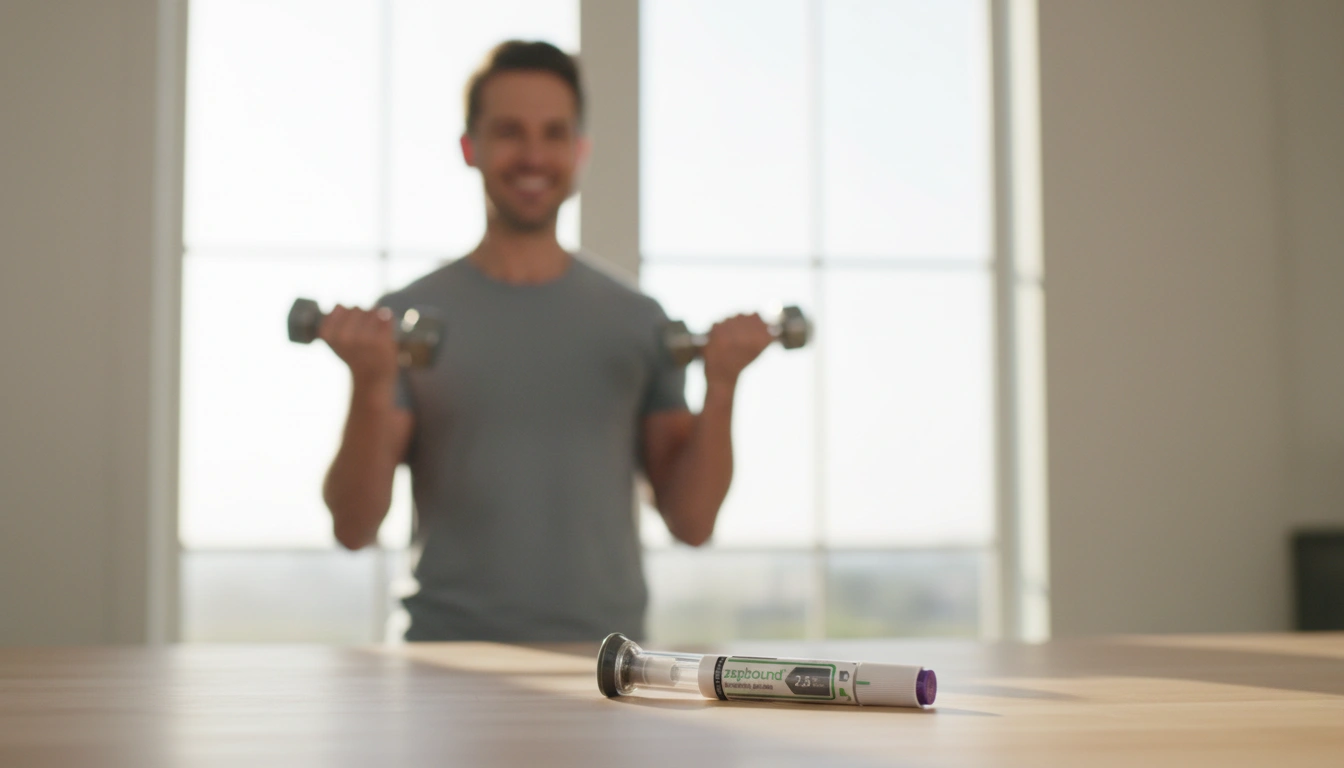
The desire for lasting health and a comfortable relationship with our bodies is universal. Many of us have faced the persistent challenges of weight management, navigating countless diets and exercise regimens, often feeling as though our bodies are working against us. This isn’t a reflection of willpower; it’s a profound interaction with complex biological systems. Today, advanced medications like Zepbound® (tirzepatide) are changing the landscape of weight loss, offering powerful new tools. But as individuals experience significant success, a fundamental question emerges: “Do I have to take Zepbound forever to maintain these results?” This isn’t just a practical query; it strikes at the heart of how we understand obesity, chronic disease management, and the journey toward sustainable well-being.
This comprehensive guide will delve into the science behind Zepbound, exploring its mechanisms and the critical research illuminating what happens when the medication is discontinued. We will examine the chronic nature of obesity, emphasizing why a long-term approach is often essential, similar to managing other persistent health conditions. Furthermore, we’ll discuss the multifaceted strategies for weight maintenance, integrating lifestyle adjustments, and the pivotal role of ongoing support. By the end of this article, you will gain a deeper understanding of Zepbound’s role in a long-term weight management strategy and how personalized, medically supervised programs—like those we champion at TrimRx—are designed to empower you with science, empathy, and a transparent approach. Our goal is to equip you with the knowledge to make informed decisions about your health journey, highlighting the pathways to achieving and sustaining your weight loss goals.
Understanding Obesity: A Chronic Condition, Not a Choice
For far too long, obesity has been mistakenly viewed as a simple matter of personal discipline or a lack of willpower. This perspective not only stigmatizes individuals but also fundamentally misunderstands the complex biological underpinnings of weight gain and retention. Modern science unequivocally demonstrates that obesity is a chronic, multifactorial disease, influenced by genetics, environment, metabolism, hormones, and even neurological factors. It’s a condition that reshapes the body’s physiological set points, making weight loss incredibly challenging and weight regain highly probable without ongoing intervention.
Our bodies are remarkably efficient at defending their established weight, a survival mechanism honed over millennia when food scarcity was a constant threat. When we reduce caloric intake and lose weight, our bodies often respond by increasing hunger signals, slowing metabolism, and altering hormone levels to encourage weight regain. This biological drive can manifest as what many describe as “food noise” – a relentless stream of thoughts and cravings related to food, making sustained dietary adherence extraordinarily difficult. This “food noise” isn’t a sign of weakness; it’s a powerful biological response that medications like Zepbound help to quiet, offering a profound sense of relief to many who have struggled for years.
Recognizing obesity as a chronic disease is crucial because it reframes the conversation around treatment. Just as someone with hypertension may need to take blood pressure medication indefinitely, or a person with diabetes may require ongoing insulin or oral medications, individuals living with obesity may need continuous support to manage their condition effectively. This understanding forms the bedrock of our approach at TrimRx, where we combine advanced medical science with compassionate care, recognizing that sustainable weight loss requires respecting every individual’s unique biological journey. Our journey began with a shared vision to help individuals embrace healthier lifestyles by merging cutting-edge telehealth innovations with effective weight loss solutions, creating a user-friendly and supportive space for personalized, medically supervised care.
The Biological Basis of Weight Regulation
To truly grasp why “forever” might be a consideration for Zepbound, we must appreciate the intricate biological systems governing weight. Our bodies have sophisticated feedback loops involving hormones like leptin (which suppresses hunger) and ghrelin (which stimulates appetite). In individuals with obesity, these hormonal signals can become dysregulated, leading to persistent hunger and difficulty feeling full. Metabolism also plays a significant role; a reduced metabolic rate can make it harder to burn calories, further contributing to weight regain after initial loss. The brain’s reward centers, influenced by food, also contribute to cravings and eating behaviors, often overriding conscious efforts to restrict intake. This intricate interplay of hormones, metabolism, and neural pathways underscores why traditional diet and exercise alone often fall short for many individuals in the long run.
Zepbound (Tirzepatide): How It Reshapes the Weight Loss Journey
Zepbound® (tirzepatide) represents a significant advancement in the medical treatment of obesity. Approved by the FDA specifically for chronic weight management in adults with obesity or those who are overweight with at least one weight-related comorbidity, Zepbound is a dual GIP and GLP-1 receptor agonist. This means it mimics the action of two natural gut hormones: glucose-dependent insulinotropic polypeptide (GIP) and glucagon-like peptide-1 (GLP-1).
The Dual-Action Mechanism
GLP-1 and GIP are incretin hormones that play vital roles in metabolic regulation. When released after eating, they signal to the brain, influencing appetite and satiety. Specifically, Zepbound’s dual action contributes to weight loss through several key mechanisms:
- Reduced Appetite and Increased Satiety: By acting on receptors in the brain, Zepbound helps to diminish hunger and increase feelings of fullness, allowing individuals to consume fewer calories naturally without the constant struggle of feeling deprived. This often includes a profound reduction in “food noise” that many patients report.
- Slowed Gastric Emptying: The medication slows down the rate at which food leaves the stomach, prolonging feelings of fullness and helping to regulate blood sugar levels.
- Improved Blood Sugar Control: While initially approved as Mounjaro® for type 2 diabetes, tirzepatide also enhances insulin secretion in a glucose-dependent manner and reduces glucagon secretion, contributing to better glycemic control. This is particularly beneficial for individuals with prediabetes or type 2 diabetes.
The effectiveness of Zepbound® in clinical trials has been remarkable, showing an average body weight reduction of approximately 20% over 72 weeks for those on the highest dose. This level of weight loss is comparable to, and in some cases surpasses, what was previously achievable only through bariatric surgery, marking a new era in obesity treatment. We are proud to offer access to Zepbound® and other effective medications like Compounded Semaglutide, Oral Semaglutide, Ozempic®, Compounded Tirzepatide, Oral Tirzepatide, Mounjaro®, and Wegovy® through our personalized assessment quiz, as part of our commitment to leveraging advanced medical science for our members.
The Question of “Forever”: What Happens When Zepbound is Discontinued?
The compelling results of Zepbound naturally lead to the pivotal question for many individuals: “Do I have to take Zepbound forever?” Current research, including a key study sponsored by Eli Lilly and published in JAMA, offers significant insights into what happens when tirzepatide is discontinued. The overarching finding is clear: for most individuals, weight regain is a prominent outcome.
Evidence from Clinical Studies
In the Eli Lilly study, participants who achieved substantial weight loss over nine months on tirzepatide were then divided into two groups: one continued on Zepbound, and the other switched to a placebo. Over the subsequent year, those who continued Zepbound maintained or even modestly improved their weight loss, while the placebo group experienced significant weight regain, recovering approximately half of the weight they had initially lost. Similarly, a 2022 study on semaglutide (the active ingredient in Wegovy® and Ozempic®) indicated that patients who stopped the medication regained around two-thirds of their lost weight within a year.
These findings are consistent with the understanding of obesity as a chronic disease. When the medication’s effects on appetite suppression, satiety, and metabolic regulation are removed, the body’s inherent biological mechanisms for weight regain tend to reassert themselves. The “food noise” often returns, hunger increases, and the metabolic adjustments that previously promoted weight loss are reversed. This isn’t a failure of the individual; it’s a predictable biological response to the cessation of a treatment for a chronic condition.
Reversion of Health Benefits
Beyond weight itself, the health benefits associated with medications like Zepbound also tend to revert upon discontinuation. Improvements in blood pressure, cholesterol levels, and blood sugar control — all often significant “side benefits” of substantial weight loss — can drift back towards baseline. While individuals may not be “worse off” than before starting the medication, the positive physiological shifts are largely dependent on ongoing treatment. This reinforces the idea that Zepbound, like many medications for chronic diseases, manages the condition rather than “curing” it. Just as someone with high blood pressure would expect their blood pressure to rise again if they stopped their medication, individuals managing obesity with Zepbound can anticipate a return of their underlying biological drivers for weight gain without continued support.
The Role of Long-Term Commitment
This evidence suggests that for many, Zepbound, like other GLP-1/GIP medications, may need to be a long-term commitment to sustain its benefits. The decision to continue medication indefinitely is a deeply personal one, weighing the benefits against potential side effects and other practical considerations. Our commitment to transparent service means we highlight that our approach remains consistent regardless of dosage changes, and our focus on safety includes working exclusively with FDA-registered and inspected pharmacies. We believe that empowering individuals with accurate information about the long-term implications is essential for informed decision-making.
While the data strongly indicates weight regain for most upon stopping, it’s also true that not every single person regains all the weight. Some individuals, about one in six in certain studies, managed to maintain a significant portion of their weight loss. The factors contributing to this minority’s success are not yet fully understood and warrant further research. However, for the majority, a robust strategy for maintenance is critical, whether that involves continued medication or an intensive, personalized lifestyle intervention.
Strategies for Sustaining Weight Loss Beyond Medication
Given the scientific evidence suggesting that weight regain is common after discontinuing Zepbound, developing a robust, long-term strategy for weight maintenance becomes paramount. This strategy often involves a multifaceted approach that addresses diet, physical activity, and mental well-being, ideally established while still on medication to build sustainable habits. For those considering a path away from continuous medication, a well-defined and highly individualized plan, ideally developed with medical supervision, is crucial.
Reimagining Dietary Approaches
The common advice to “eat less” often clashes with our body’s powerful biological drives to regain weight. Instead, the focus should shift to what we eat and how it impacts satiety and metabolism.
Prioritizing Satiety and Nutrient Density
- High Protein Intake: Protein is known for its satiating effect, helping to reduce hunger and preserve lean muscle mass during weight loss and maintenance. Incorporating lean proteins at every meal can be a powerful strategy.
- Fiber-Rich Foods: Fruits, vegetables, whole grains, and legumes are packed with fiber, which adds bulk to meals, promotes feelings of fullness, and supports gut health. These foods also tend to be less energy-dense, meaning you can eat more volume for fewer calories.
- Minimizing Ultra-Processed Foods: These foods are often high in calories, unhealthy fats, added sugars, and sodium, and are engineered to be highly palatable, often contributing to overconsumption and difficulty with satiety. Focusing on whole, unprocessed foods can naturally support better weight management.
The goal is to discover a dietary pattern that feels sustainable and satisfying, one that inherently supports a healthy weight without constant deprivation. This is a journey of understanding your body’s unique needs and preferences.
The Essential Role of Physical Activity
While medications like Zepbound can achieve significant weight loss without intense exercise, physical activity becomes absolutely essential for long-term weight maintenance, especially if medication is reduced or stopped.
Building a Sustainable Exercise Routine
- Energy Expenditure: Regular physical activity burns calories, helping to offset any metabolic slowdown and create a more favorable energy balance.
- Muscle Mass Preservation: Resistance training is crucial for building and maintaining muscle mass, which is metabolically active and helps to boost calorie expenditure.
- Improved Metabolic Health: Exercise enhances insulin sensitivity, improves cardiovascular health, and can positively impact mood and energy levels.
- Habit Formation: Developing a consistent exercise routine while on medication can help cement these habits, making them more likely to continue should the medication dosage change or cease. Experts suggest gradually increasing activity levels to at least 150 minutes of moderate-intensity exercise per week, with some recommending even more intense exercise six days a week for those aiming to maintain weight off GLP-1s.
The key is finding activities you enjoy, making physical activity an integrated part of your daily life, rather than a chore.
The Mental Aspect and Mindset Shifts
Weight management isn’t just about diet and exercise; it’s deeply intertwined with our mindset, emotional well-being, and relationship with food.
Cultivating Resilience and Mindfulness
- Addressing “Food Noise”: For those who experienced a quieting of “food noise” on Zepbound, its potential return can be challenging. Developing mindfulness around eating, practicing stress management techniques, and seeking support can help navigate these internal dialogues.
- Developing Resilience: The weight loss journey often involves plateaus and setbacks. Cultivating resilience – the ability to bounce back from challenges – is vital for long-term success.
- Rethinking Success: Success isn’t just about a number on the scale. It encompasses improved health markers, increased energy, enhanced mobility, and a better quality of life. Shifting the definition of success to include fitness and functionality can be profoundly empowering.
Considerations for a Gradual Approach to Discontinuation
For individuals who ultimately wish to transition off Zepbound, a gradual tapering strategy, under strict medical supervision, is likely more beneficial than abrupt cessation. Abruptly stopping can lead to a sudden surge in hunger and a rapid return of pre-medication biological drives, making weight regain almost guaranteed. However, it’s important to note that specific, science-based protocols for tapering GLP-1/GIP medications for weight management are still emerging, and more research is needed in this area. Such decisions must always be made in close consultation with a healthcare provider who can monitor your progress and adjust your plan as needed.
Our personalized programs are designed to provide comprehensive service that includes doctor consultations, medication (where eligibility is determined through our free assessment quiz), lab work, unlimited support, and shipping, all with no hidden fees. We believe that sustainable weight loss should be achieved through science, empathy, and a transparent approach, whether you are exploring long-term medication use or seeking strategies for maintenance.
Challenges and Considerations for Long-Term Zepbound Use
While Zepbound and similar medications offer transformative potential for weight loss, their long-term use comes with several practical challenges and considerations that individuals must weigh. Understanding these factors is crucial for making informed decisions about your health journey.
Managing Potential Side Effects
Like all medications, Zepbound can cause side effects. The most common are gastrointestinal in nature, including nausea, vomiting, diarrhea, and constipation. While these are often mild and temporary, particularly as the body adjusts to the medication, some individuals may find them intolerable. Studies show that a notable percentage of patients discontinue these drugs due to side effects. For those who experience persistent or severe side effects, continuing the medication long-term may not be a viable or desirable option. Close medical supervision, such as that provided through our personalized programs at TrimRx, is essential to manage these effects and adjust treatment plans as necessary, ensuring your comfort and safety.
Access, Cost, and Insurance Coverage
A significant barrier to long-term use for many is the financial aspect. These medications can be expensive, and insurance coverage varies widely. Many insurers are grappling with how to cover these new, highly effective drugs, with some enacting more stringent requirements or even dropping coverage for weight loss indications. Without adequate insurance coverage, the out-of-pocket cost can be prohibitive, leading many individuals to discontinue treatment even if they are experiencing positive results. This challenge underscores the importance of a comprehensive service that provides support in navigating the treatment process, a core part of our commitment at TrimRx. While we do not discuss pricing, we emphasize our full-service approach which includes doctor consultations, medication (when eligible), lab work, unlimited support, and shipping. We partner exclusively with FDA-registered and inspected pharmacies to ensure the highest standards of safety and quality for your medication.
“Medication Fatigue” and Personal Preference
Beyond side effects and cost, some individuals simply harbor a natural reluctance to take medication indefinitely. This “medication fatigue” or the desire to achieve results without continuous pharmaceutical intervention is a valid personal preference. While experts often compare the indefinite use of anti-obesity medications to the long-term management of other chronic conditions, the emotional and psychological aspects of daily or weekly injections can be a factor for some. It is important to acknowledge these feelings and work with a supportive healthcare team to explore all options. We offer compassionate care that respects every individual’s unique journey, understanding that personal choices play a significant role in long-term health. For those who ultimately choose to discontinue, having a robust, medically supervised strategy in place, focusing on intensive lifestyle modifications, becomes even more critical to mitigate weight regain.
The Evolving Landscape of Treatment
The field of obesity medicine is rapidly evolving. Researchers are continuously exploring new medications, combination therapies (such as adding another drug if the body compensates for the effects of one over time), and innovative strategies for maintenance. The current understanding of “forever” is based on existing data, but future research may reveal new approaches that allow for more successful maintenance with reduced or intermittent medication use. Remaining informed and engaged with your healthcare provider is key to adapting to this dynamic landscape.
At TrimRx, we combine advanced medical science with modern technology to deliver personalized, medically supervised care. We believe in being innovative and results-oriented, while remaining empathetic and trustworthy. Our comprehensive programs aim to provide not just medication, but a holistic support system to help you navigate these challenges and achieve sustainable weight loss.
TrimRx’s Personalized Approach to Sustainable Weight Loss
At TrimRx, our journey began with a shared vision to help individuals embrace healthier lifestyles by merging cutting-edge telehealth innovations with effective weight loss solutions. We understand that sustainable weight loss is not a one-size-fits-all endeavor; it’s a deeply personal journey influenced by unique biological, lifestyle, and emotional factors. This understanding is at the core of our brand, driving our commitment to science, empathy, and a transparent approach. Our platform is designed as a user-friendly and supportive space where individuals receive personalized, medically supervised care—all crafted to make sustainable weight loss attainable and tailored to the individual.
Your Personalized Path Starts Here: The Assessment Quiz
We believe that the most effective weight loss plans are those tailored specifically to you. That’s why, for those seeking prescription weight loss medications like Zepbound®, we start with a crucial first step: our free assessment quiz. This quiz helps our medical team understand your health history, weight loss goals, and eligibility for various treatment options. Based on your responses, you could qualify for a personalized treatment plan that includes advanced medications:
- Compounded Semaglutide: A highly effective GLP-1 agonist offered as a customized solution.
- Oral Semaglutide: An oral form of semaglutide, providing an alternative to injections.
- Ozempic®: The branded, FDA-approved injectable semaglutide.
- Compounded Tirzepatide: A customized version of the dual GIP/GLP-1 agonist.
- Oral Tirzepatide: An oral form of tirzepatide, for those preferring an alternative to injections.
- Mounjaro®: The branded, FDA-approved injectable tirzepatide, often used for type 2 diabetes.
- Zepbound®: The branded, FDA-approved injectable tirzepatide specifically for weight management.
- Wegovy®: The branded, FDA-approved injectable semaglutide specifically for weight management.
Our comprehensive service includes doctor consultations, ensuring you receive professional guidance and a treatment plan designed for your specific needs. We manage all necessary lab work and provide unlimited support throughout your journey. Your medication, if prescribed, is shipped directly to you from FDA-registered and inspected pharmacies, ensuring quality and convenience. Our commitment to transparent service means there are no hidden fees—our approach remains consistent, whether your dosage changes or your program evolves.
Immediate Support for Your Wellness Journey: Quick-Access Supplements
We also recognize that support for overall wellness can begin immediately, even before you explore prescription options or to complement your ongoing program. For this reason, we offer a selection of quick-access supplements that do not require an assessment quiz and are available for immediate purchase:
- GLP-1 Daily Support: This supplement is designed to support the body’s natural GLP-1 pathways, aiding in appetite regulation and healthy digestion. It can be a valuable addition to your regimen, whether you’re on a prescription medication or simply looking for natural support.
- Weight Loss Boost: Formulated to support metabolic function and energy levels, this supplement provides an additional layer of support for your weight management efforts.
These quick-access supplements are crafted with the same dedication to quality and effectiveness that defines all our offerings, providing convenient options to enhance your overall well-being.
At TrimRx, our brand is empathetic, innovative, trustworthy, supportive, results-oriented, and personalized. We offer compassionate care that respects every individual’s unique journey by combining advanced medical science with modern technology. We partner with FDA-registered and inspected pharmacies for the shipping of weight loss medications, ensuring your safety and compliance. We are here to support you at every step, offering the tools and guidance needed to achieve your sustainable weight loss goals.
Conclusion
The question, “Do I have to take Zepbound forever?” resonates with the core challenge of sustainable weight management for many individuals. The scientific evidence, including recent studies on Zepbound and similar medications, strongly suggests that for most, continuing treatment is often necessary to sustain the significant weight loss and associated health benefits achieved. Obesity is a chronic disease, driven by complex biological factors that promote weight regain once active treatment ceases. This understanding is not a source of discouragement but a call for a pragmatic, informed, and long-term approach to health.
Embracing this perspective means recognizing that medications like Zepbound are powerful tools that manage a chronic condition, much like treatments for hypertension or diabetes. It highlights the importance of working with a medically supervised program that offers continuous support, addresses lifestyle factors, and respects your individual journey. While some individuals may find success in maintaining weight loss through intensive lifestyle modifications after discontinuing medication, for the majority, a dedicated and often ongoing strategy, potentially including continued pharmacological support, is key to preventing weight regain.
At TrimRx, we are dedicated to providing personalized, clinically proven weight loss solutions designed for safety and effectiveness. We merge cutting-edge telehealth with compassionate care, offering a comprehensive service that includes doctor consultations, medication (where eligible), lab work, unlimited support, and shipping, all backed by our commitment to transparency and quality from FDA-registered and inspected pharmacies. Whether you are exploring the potential of prescription medications like Zepbound® or seeking immediate support through our GLP-1 Daily Support and Weight Loss Boost supplements, we are here to empower you. We encourage you to take our free assessment quiz today to discover how our personalized approach can help you embark on a path toward lasting health and well-being. Your journey to sustainable weight loss deserves a partner dedicated to your success.
Frequently Asked Questions
Q1: Is Zepbound a lifelong medication?
For many individuals, Zepbound (tirzepatide) may be a long-term medication, similar to treatments for other chronic conditions like high blood pressure or diabetes. Clinical studies indicate that most people who stop taking Zepbound experience significant weight regain, as the body’s natural biological mechanisms for weight regulation and hunger return. While not universally “lifelong” for everyone, sustained use is often necessary to maintain the achieved weight loss and associated health benefits.
Q2: What happens if I stop taking Zepbound?
If you stop taking Zepbound, it is highly likely you will regain a significant portion, if not all, of the weight you lost. Studies have shown that individuals who discontinue GLP-1/GIP medications often experience increased hunger, a return of “food noise,” and metabolic adjustments that promote weight regain. Furthermore, health improvements such as better blood pressure, cholesterol, and blood sugar levels may also revert to pre-treatment levels. Any decision to discontinue should be made in close consultation with your healthcare provider and ideally with a robust, medically supervised plan for transitioning to alternative maintenance strategies.
Q3: Can lifestyle changes help maintain weight loss after stopping Zepbound?
Lifestyle changes, including a healthy diet and regular physical activity, are absolutely essential for weight management, and their importance only increases if you stop taking Zepbound. However, relying solely on lifestyle changes after stopping medication can be challenging due to the body’s strong biological drives to regain weight. Focusing on high-protein, fiber-rich foods, minimizing ultra-processed items, and incorporating consistent, varied exercise (including resistance training) can help. While these strategies are crucial, they may not fully counteract the biological changes that promote weight regain for all individuals. Building these habits while on medication can improve long-term success.
Q4: How does TrimRx support individuals considering long-term weight management with Zepbound?
At TrimRx, we offer a personalized and medically supervised approach to weight loss, including access to medications like Zepbound® for eligible individuals. We provide comprehensive service that includes doctor consultations, prescribed medication from FDA-registered and inspected pharmacies, necessary lab work, unlimited support from our care team, and convenient shipping, all with transparent service and no hidden fees. We guide you through the initial assessment process with our free assessment quiz to determine your eligibility and create a tailored plan. Our empathetic, innovative, and results-oriented approach ensures you have the tools and ongoing support needed to navigate your long-term weight management journey safely and effectively. Additionally, we offer quick-access supplements like GLP-1 Daily Support and Weight Loss Boost to support overall wellness throughout your journey.

Transforming Lives, One Step at a Time
Keep reading

How to Get Zepbound in Texas: Your Guide
Getting Zepbound in Texas is straightforward once you know your options. You can get a prescription through a telehealth provider from home, through your…

How to Get Zepbound in California: Where to Start
Zepbound (tirzepatide) is available to California residents through your primary care provider, a weight loss clinic, or a telehealth service that prescribes and delivers…

Stopping Zepbound: Managing the Transition
When you stop taking Zepbound, your appetite returns to pre-medication levels within a few weeks and most people regain a meaningful portion of their…


