The Long-Term Vision: Understanding How Long Do I Take Zepbound for Sustainable Weight Management
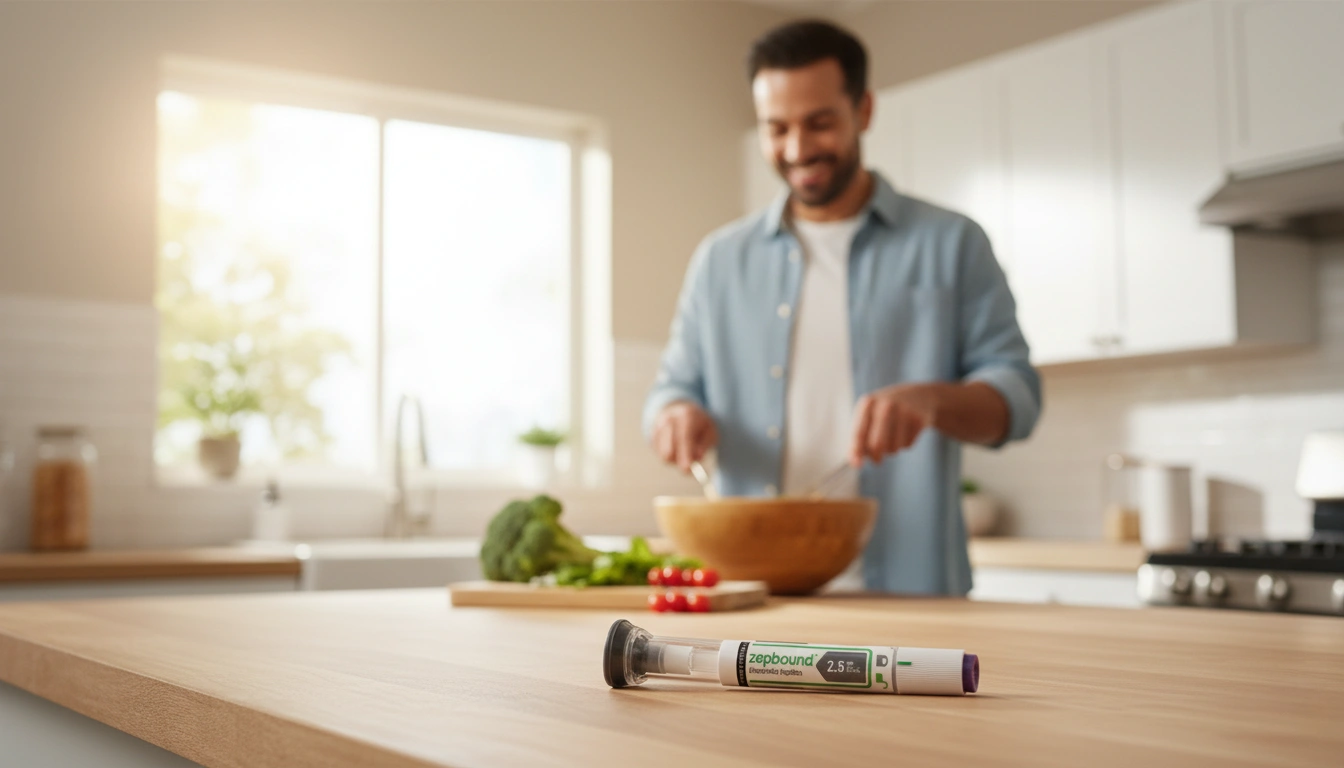
Embarking on a weight loss journey often brings with it a surge of hope, determination, and, very naturally, a host of questions. Among the most common inquiries we hear from individuals considering advanced weight management solutions is, “how long do I take Zepbound?” This question isn’t just about a timeline; it reflects a deeper desire for understanding the commitment involved, the journey ahead, and the potential for lasting change. Many approach weight loss expecting quick fixes, but true, sustainable health transformation is a marathon, not a sprint.
At TrimRx, our journey began with a shared vision: to help individuals embrace healthier lifestyles by merging cutting-edge telehealth innovations with effective, medically supervised weight loss solutions. We understand that effective weight management is a dynamic process, one that requires not only powerful tools but also consistent support and a personalized approach. Our platform is designed as a user-friendly and supportive space where individuals receive tailored, medically supervised care, all crafted to make sustainable weight loss attainable and truly individualized. We firmly believe that lasting weight loss should be achieved through science, empathy, and a transparent approach, guiding you every step of the way.
This comprehensive guide is designed to demystify the duration and commitment associated with Zepbound (tirzepatide), an innovative, FDA-approved medication for chronic weight management and obstructive sleep apnea in adults with obesity. We will delve into how Zepbound works, its typical dosing schedule, the factors influencing treatment length, and the vital role of ongoing support. By the end of this post, you will have a clearer understanding of Zepbound’s role as a long-term partner in your health journey, and how our personalized programs at TrimRx can integrate this powerful tool into a holistic plan designed just for you. We aim to provide an authoritative yet empathetic perspective, equipping you with the knowledge to make informed decisions about your well-being.
The Science Behind Zepbound: A Dual-Action Approach to Weight Management
To truly understand how long do I take Zepbound, it’s essential to first grasp the innovative science that powers this medication. Zepbound’s active ingredient, tirzepatide, represents a significant advancement in weight management pharmacology. Unlike previous generations of medications that might target single pathways, tirzbound is a dual GIP (glucose-dependent insulinotropic polypeptide) and GLP-1 (glucagon-like peptide-1) receptor agonist. This dual action sets it apart, offering a more comprehensive approach to managing appetite and promoting weight loss.
The Role of GIP and GLP-1 Hormones
Our bodies naturally produce GIP and GLP-1, two powerful gut hormones that play crucial roles in metabolic regulation.
Glucose-Dependent Insulinotropic Polypeptide (GIP)
GIP is released after we eat and stimulates insulin secretion from the pancreas in a glucose-dependent manner. This means it only prompts insulin release when blood sugar levels are high, helping to prevent hypoglycemia. Beyond its role in insulin, GIP receptors are found in various tissues, including fat cells, and are thought to influence fat metabolism and energy balance.
Glucagon-Like Peptide-1 (GLP-1)
GLP-1, also released post-meal, similarly stimulates insulin secretion and suppresses glucagon release, another hormone that raises blood sugar. Critically for weight loss, GLP-1 also slows gastric emptying—the rate at which food leaves the stomach. This slower digestion contributes to feeling fuller for longer. Furthermore, GLP-1 acts on the brain to reduce appetite, decrease food cravings, and quiet what many refer to as “food noise”—the constant, intrusive thoughts about food.
How Zepbound Harnesses These Hormones for Weight Loss
Zepbound mimics the actions of both natural GIP and GLP-1 hormones. By activating both receptor types, it provides amplified effects that contribute significantly to weight reduction:
- Enhanced Satiety: Zepbound helps keep food in your stomach longer, promoting a sustained feeling of fullness after meals. This naturally leads to consuming fewer calories.
- Appetite Regulation: It sends powerful signals to the brain that reduce overall appetite and lessen the intensity of food cravings, making it easier to adhere to a calorie-reduced diet.
- Reduction of “Food Noise”: For many individuals, the constant mental battle with food thoughts can be exhausting. Zepbound helps quiet this “food noise,” allowing for a more peaceful relationship with eating.
- Improved Metabolic Control: While primarily approved for weight management, its action on insulin and glucose levels supports overall metabolic health, making it particularly beneficial for individuals with insulin resistance or prediabetes, common companions to obesity.
The efficacy of Zepbound is well-documented. In clinical trials, participants using Zepbound achieved impressive results, with average weight loss ranging from 15% to 20.9% of their body weight over approximately 72 weeks, depending on the dose. It’s important to remember that these results were achieved in conjunction with lifestyle modifications, emphasizing that Zepbound is a powerful tool best utilized as part of a comprehensive approach including a balanced diet and regular physical activity.
The Duration of Zepbound Treatment: A Long-Term Partnership
One of the most pressing questions for individuals considering this medication is, “how long do I take Zepbound?” The answer, supported by clinical evidence and medical guidelines, is that Zepbound is designed to be a long-term treatment for chronic weight management. It’s not a short-term fix but rather a sustainable approach to managing obesity and related health conditions.
Zepbound as a Chronic Disease Management Tool
Obesity is recognized as a chronic disease, much like high blood pressure or diabetes. Just as you wouldn’t expect to take medication for these conditions for only a few weeks or months and then stop, chronic weight management often requires ongoing support. Zepbound, by acting on fundamental metabolic and appetite-regulating pathways, helps maintain the physiological changes necessary for sustained weight loss and weight maintenance.
If you and your healthcare provider determine that Zepbound is safe and effective for your individual needs, it is highly probable that you will continue using it long-term. This ongoing treatment helps prevent weight regain, which is a common challenge once weight loss medications are discontinued.
The Initial Phase: Titration and Finding Your Maintenance Dose
Before settling into a long-term routine, there’s an initial titration phase. This gradual increase in dosage is a critical aspect of Zepbound treatment, designed to enhance tolerability and optimize effectiveness.
Starting Your Zepbound Journey
Treatment with Zepbound typically begins at a recommended starting dose of 2.5 mg once weekly. This low dose allows your body to gradually adjust to the medication, minimizing potential side effects.
The Gradual Dose Increase
After the initial 4 weeks on the starting dose, your healthcare provider will likely increase your dose to 5 mg once per week. This incremental increase continues, with your dose potentially going up by 2.5 mg every 4 weeks, until you reach a dose that is both effective for weight loss and well-tolerated. The available doses for Zepbound are 2.5 mg, 5 mg, 7.5 mg, 10 mg, 12.5 mg, and 15 mg.
Achieving Your Maintenance Dose
The goal of this titration process is to find your maintenance dose, which is the optimal weekly dose that provides the desired therapeutic effects with manageable side effects. For weight loss and weight management, the recommended maintenance doses are 5 mg, 10 mg, or 15 mg once per week. For obstructive sleep apnea, the recommended maintenance doses are 10 mg or 15 mg once per week. The maximum dose for both indications is 15 mg once weekly.
This step-by-step approach ensures that your body adapts smoothly, and you and your doctor can monitor your progress and adjust the plan as needed. At TrimRx, we emphasize this personalized approach, with our healthcare providers working closely with you to navigate the titration schedule and ensure your comfort and progress. Our comprehensive service includes doctor consultations and unlimited support to address any questions that arise during this crucial phase.
What Happens When You Stop Taking Zepbound?
Because Zepbound has a half-life of 5 days, it takes about 30 days for the medication to be fully eliminated from your body after discontinuation. Once the medication is no longer in your system, the appetite-regulating and metabolic effects will diminish. Research indicates that discontinuation of medications like Zepbound can lead to weight regain, underscoring its role as a long-term management tool rather than a temporary solution. This is why discussing the long-term commitment with your healthcare provider is paramount, and why our comprehensive service at TrimRx is designed to support you throughout your entire journey, not just for a limited period.
Administering Zepbound: Practical Considerations for Your Journey
Beyond understanding “how long do I take Zepbound,” knowing the practical aspects of administration is key to a successful treatment journey. Zepbound is a once-weekly injectable medication, available in a single-dose prefilled pen or a single-dose vial.
Forms, Strengths, and Administration
Zepbound comes as a solution for subcutaneous injection. This means it is injected just under the skin.
Available Strengths
Zepbound is available in several strengths, ensuring that your healthcare provider can precisely tailor your dose:
- 2.5 mg per 0.5 mL
- 5 mg per 0.5 mL
- 7.5 mg per 0.5 mL
- 10 mg per 0.5 mL
- 12.5 mg per 0.5 mL
- 15 mg per 0.5 mL
How to Inject Zepbound
Your doctor or another healthcare professional will provide thorough training on how to administer your Zepbound dose. The medication can be injected into the stomach (abdomen), thigh, or the back of the upper arm. If you’re injecting into your stomach, avoid the area within 2 inches of your belly button. It is crucial to rotate your injection sites each week to prevent irritation or discomfort. Always choose an area where the skin is not tender, hard, bruised, or irritated.
Zepbound can be taken with or without food, giving you flexibility in your weekly routine. For consistency and to minimize the chance of missing a dose, many individuals find it helpful to set a reminder or choose a specific day and time each week for their injection.
Managing Missed Doses
Life happens, and schedules can change. If you miss a dose of Zepbound, here’s what we advise:
- Within 4 days (96 hours) of your scheduled dose: Take the missed dose as soon as you remember.
- More than 4 days (96 hours) after your scheduled dose: Skip the missed dose and take your next dose on your regularly scheduled day.
- Important: Do not take two doses of Zepbound within 3 days (72 hours) of each other. Never double your dose to make up for a missed one.
If you’re ever unsure about a missed dose, our team at TrimRx is here to provide unlimited support and guidance through doctor consultations, ensuring you always feel confident in your treatment plan.
Proper Storage and Disposal
Caring for your medication properly is essential for its efficacy and your safety.
Storage Guidelines
- Refrigeration is Key: Store your Zepbound pens or vials in the refrigerator, between 36°F to 46°F (2°C to 8°C).
- Room Temperature (Temporary): If necessary, a single-dose pen or vial can be stored at room temperature (up to 86°F or 30°C) for a maximum of 21 days. Crucially, if Zepbound has been stored at room temperature, do not return it to the refrigerator. Discard it if not used within 21 days after removing it from refrigeration.
- Protection from Light: Always store Zepbound in its original carton to protect it from light.
- Do Not Freeze: Never freeze Zepbound. If the medication has been frozen, do not use it.
- Handle with Care: The Zepbound pen contains glass parts, so handle it carefully. If dropped on a hard surface, do not use it; discard it and use a new pen.
Safe Disposal
- Sharps Disposal Container: It is vital to dispose of used Zepbound pens, needles, and syringes safely in an FDA-cleared sharps disposal container immediately after use.
- Household Containers: If an FDA-cleared sharps container isn’t available, you can use a heavy-duty plastic household container that can be closed with a tight-fitting, puncture-resistant lid, is stable, leak-resistant, and properly labeled.
- Community Guidelines: Follow your local community guidelines for the correct disposal of your sharps container. Do not throw used sharps in household trash or recycling.
At TrimRx, we partner exclusively with FDA-registered and inspected pharmacies to ensure the highest standards of safety and quality for all medications, including Zepbound. This commitment extends to the proper handling and shipping of your medication, giving you peace of mind throughout your treatment journey.
Navigating Potential Side Effects and Safety Considerations
Understanding “how long do I take Zepbound” also means being prepared for potential side effects and knowing important safety information. While Zepbound is highly effective, like all medications, it can come with side effects. Our empathetic and supportive approach at TrimRx means we want you to be fully informed and empowered to discuss any concerns with your healthcare provider.
Common Side Effects
Many individuals experience some side effects, especially when starting treatment or increasing their dose. These are often gastrointestinal in nature and tend to decrease over time as your body adjusts. The most common side effects reported in clinical trials include:
- Nausea
- Diarrhea
- Vomiting
- Constipation
- Stomach (abdominal) pain
- Indigestion
- Injection site reactions (e.g., rash, itching, bruising, pain)
- Fatigue
- Allergic reactions
- Belching
- Hair loss
- Heartburn
Tips for Managing Nausea
Nausea is a frequently reported side effect, especially during dose escalation. If you experience nausea, we encourage you to talk to your doctor. In the meantime, these tips may help:
- Eat smaller, more frequent meals throughout the day.
- Stop eating when you feel full, rather than overeating.
- Avoid fatty or greasy foods, which can exacerbate nausea.
- Opt for bland foods such as toast, crackers, or rice.
- Stay hydrated by sipping on clear liquids.
It’s important to remember that most gastrointestinal side effects generally decrease as your body adapts to the medication. If side effects are bothersome or persistent, always communicate with your TrimRx healthcare provider. Our unlimited support ensures you can reach out whenever you need guidance.
Important Safety Information and Warnings
Zepbound can cause serious side effects, and it’s crucial to be aware of these. Our commitment to transparent service means we want you to have all the necessary information.
Boxed Warning: Risk of Thyroid C-Cell Tumors
Zepbound carries a boxed warning, the most serious warning issued by the FDA. In animal studies, tirzepatide caused dose-dependent and treatment-duration-dependent thyroid C-cell tumors, including medullary thyroid carcinoma (MTC). It is currently unknown whether Zepbound causes these tumors in humans.
- Contraindication: Do not use Zepbound if you or any of your family members have a personal or family history of MTC, or if you have Multiple Endocrine Neoplasia syndrome type 2 (MEN 2), a rare genetic condition.
- Symptoms to Watch For: Be vigilant for possible symptoms of thyroid tumors, such as a lump or swelling in the neck, hoarseness, trouble swallowing, or shortness of breath. If you experience any of these, notify your healthcare provider immediately.
Other Serious Side Effects
- Severe Stomach Problems: Cases of severe stomach problems have been reported. Inform your healthcare provider if you have severe or persistent stomach issues.
- Kidney Problems (Kidney Failure): Diarrhea, nausea, and vomiting can lead to dehydration, which may cause or worsen kidney problems. Staying well-hydrated is crucial. Your doctor will monitor your kidney function if you experience adverse reactions that could lead to volume depletion.
- Acute Gallbladder Disease: Treatment with Zepbound has been associated with an increased risk of acute gallbladder disease, including gallstones and inflammation of the gallbladder.
- Acute Pancreatitis: Acute pancreatitis, a serious inflammation of the pancreas, has been observed in patients using GLP-1 receptor agonists and tirzepatide. Be aware of symptoms like persistent, severe abdominal pain that may radiate to the back, possibly with vomiting.
- Hypersensitivity Reactions: Serious allergic reactions (e.g., anaphylaxis, angioedema) can occur. Seek medical attention immediately if you experience symptoms like swelling of the face, lips, tongue, or throat, difficulty breathing or swallowing, severe rash, or rapid heartbeat. Zepbound is contraindicated in patients with known serious hypersensitivity to tirzepatide or any of its ingredients.
- Hypoglycemia (Low Blood Sugar): Zepbound lowers blood glucose. The risk of hypoglycemia is higher when Zepbound is used in combination with insulin or insulin secretagogues (like sulfonylureas). Your doctor will monitor your blood glucose and may adjust doses of other medications.
- Diabetic Retinopathy Complications: In patients with type 2 diabetes, rapid improvement in blood glucose control has been associated with a temporary worsening of diabetic retinopathy. Individuals with a history of diabetic retinopathy should be monitored closely.
- Suicidal Behavior and Ideation: While not directly linked to Zepbound in its own trials, suicidal thoughts or behaviors have been reported in clinical trials with other weight management products. Monitor for emergence or worsening depression, suicidal thoughts, or unusual mood changes. Discontinue Zepbound if such issues arise and avoid it in patients with a history of suicidal attempts or active suicidal ideation.
- Pulmonary Aspiration: Zepbound delays gastric emptying, which in rare cases, particularly during general anesthesia or deep sedation, might increase the risk of pulmonary aspiration (inhaling stomach contents into the lungs). Inform healthcare providers of Zepbound use prior to any planned surgeries or procedures.
Our healthcare providers conduct thorough consultations to assess your medical history, discuss potential risks, and ensure Zepbound is appropriate for you. We provide compassionate care that respects every individual’s unique journey, combining advanced medical science with modern technology to deliver personalized solutions safely.
Is Zepbound Right for You? Eligibility and Personalized Pathways with TrimRx
Understanding “how long do I take Zepbound” hinges significantly on whether the medication is the right fit for your unique health profile and goals. Zepbound is an FDA-approved prescription medication, meaning eligibility is determined by a qualified healthcare professional.
Who is Zepbound Approved For?
Zepbound is approved for specific adult populations:
- Adults with Obesity: Defined as a Body Mass Index (BMI) of 30 kg/m² or greater.
- Adults who are Overweight with at Least One Weight-Related Condition: Defined as a BMI of 27 kg/m² or greater, accompanied by conditions such as high blood pressure, type 2 diabetes, high cholesterol, heart disease, or obstructive sleep apnea.
- Adults with Obesity for Obstructive Sleep Apnea (OSA): Zepbound is also specifically approved to treat moderate to severe obstructive sleep apnea in adults who also have obesity.
A good candidate for Zepbound is typically someone who meets these criteria and is also ready to commit to comprehensive lifestyle changes, including a balanced, nutrient-rich diet and regular physical activity. Zepbound is most effective when used in combination with these healthy habits, not as a standalone solution. We believe that weight loss is not just about achieving a number on the scale, but about improving overall quality of life and health outcomes.
Your Personalized Pathway with TrimRx
At TrimRx, we are dedicated to safe, effective weight loss and individualized care. We understand that every person’s weight loss journey is unique, which is why we offer a personalized approach to determine the most suitable treatment plan.
Step 1: Discover Your Eligibility with Our Free Assessment Quiz
If you’re wondering if Zepbound or other prescription weight loss medications like Compounded Semaglutide, Oral Semaglutide, Ozempic®, Compounded Tirzepatide, Oral Tirzepatide, Mounjaro®, or Wegovy® could be part of your journey, the first step is to take our free assessment quiz. This quick and confidential quiz helps us understand your health profile, medical history, and weight loss goals.
Step 2: Personalized Consultation and Treatment Plan
Upon completing the quiz, if you qualify, you’ll engage in a comprehensive doctor consultation. Our medical professionals will review your information, conduct any necessary lab work, and discuss the best course of action. This ensures that your personalized treatment plan is medically appropriate, safe, and tailored specifically to you. Our commitment to transparent service means you’ll understand every aspect of your plan, from potential medications to lifestyle recommendations, with no hidden fees. Our comprehensive service includes:
- Doctor consultations
- Medication (if prescribed and approved through FDA-registered and inspected pharmacies)
- Lab work (if needed)
- Unlimited support from our care team
- Shipping directly to your door
It is important to reiterate that TrimRx partners with FDA-registered and inspected pharmacies for the shipping of weight loss medications and does not provide actual medical supervision. This clear distinction underscores our commitment to connecting you with licensed healthcare professionals who oversee your medical care.
We are results-oriented, but equally empathetic and supportive. Our goal is to empower you with the right tools and knowledge to achieve sustainable weight loss, always prioritizing your safety and well-being.
Beyond Prescription Medication: Holistic Support for Your Journey
While medications like Zepbound are powerful tools, we understand that true weight management and overall wellness extend beyond a single prescription. At TrimRx, we embrace a holistic view of health, supporting all facets of your journey.
Our approach integrates advanced medical science with modern technology to offer comprehensive care. We know that some individuals may not qualify for prescription medications, or they may be looking for additional support to complement their prescribed treatment. This is where our quick-access supplements can play a valuable role.
Quick-Access Supplements for Enhanced Wellness
For those seeking immediate support for their overall wellness during their weight loss journey, or for those not yet ready for a prescription program, we offer carefully formulated supplements that do not require a quiz for purchase:
GLP-1 Daily Support
Our GLP-1 Daily Support supplement is designed to work synergistically with your body’s natural processes. It provides nutritional backing that can help support healthy metabolism and digestive function, contributing to a more balanced internal environment. This can be particularly beneficial in maintaining energy levels and supporting overall gut health, both crucial components of a successful weight management plan.
Weight Loss Boost
The Weight Loss Boost supplement is formulated to provide additional assistance for your weight loss efforts. It focuses on supporting key metabolic processes that are vital for fat utilization and energy production. By providing targeted nutrients, this supplement aims to enhance your body’s natural ability to manage weight effectively, contributing to your feeling of vitality and progress.
These quick-access supplements are available for immediate purchase, embodying our commitment to providing accessible and effective options for a wide range of needs. They reflect our dedication to innovation and our belief that every individual deserves supportive tools on their path to a healthier lifestyle. Whether through personalized prescription plans or immediate support supplements, we strive to be a trustworthy partner, offering compassionate care and transparent service at every turn. Our comprehensive approach ensures that, regardless of your specific needs, TrimRx is here to support your journey to sustainable weight loss and improved well-being.
Conclusion: Embracing a Sustainable Path to Weight Management
The question, “how long do I take Zepbound?” ultimately leads to a profound understanding: for many, Zepbound is not a temporary solution but a powerful, long-term partner in the journey toward sustainable weight management and improved health. As a dual GIP/GLP-1 receptor agonist, Zepbound offers a scientifically advanced mechanism to regulate appetite, slow digestion, and quiet “food noise,” fostering significant and lasting weight loss when combined with dedicated lifestyle changes. Its long-term use, guided by medical supervision and a gradual titration process, underscores the commitment required to manage obesity as a chronic condition.
We have explored the intricate workings of Zepbound, its prescribed dosing schedule, and the vital importance of proper administration, storage, and disposal. Furthermore, we’ve shed light on both the common and serious side effects, emphasizing the need for open communication with your healthcare provider and adherence to safety guidelines. This transparent approach is central to our values at TrimRx.
At TrimRx, we are dedicated to supporting your unique path to a healthier lifestyle through safe, effective, and personalized solutions. Our journey began with a vision to merge cutting-edge telehealth with empathetic, medically supervised care, making sustainable weight loss attainable for you. We provide comprehensive services, including doctor consultations, medication (sourced from FDA-registered and inspected pharmacies), lab work, unlimited support, and convenient shipping—all with no hidden fees.
If you’re considering whether Zepbound or other prescription weight loss medications like Compounded Semaglutide, Oral Semaglutide, Ozempic®, Compounded Tirzepatide, Oral Tirzepatide, Mounjaro®, or Wegovy® are right for you, we encourage you to take our free assessment quiz. This initial step can unlock a personalized treatment plan tailored to your specific needs. Additionally, for immediate support in your wellness journey, explore our quick-access supplements like GLP-1 Daily Support and Weight Loss Boost, designed to complement your efforts.
Your health journey is personal, and our brand is built on empathy, innovation, trustworthiness, and unwavering support. We are here to partner with you, combining advanced medical science with modern technology to help you achieve your weight loss goals and embrace a healthier, more vibrant life.
Frequently Asked Questions About Zepbound Treatment
Q1: Is Zepbound meant for permanent use, or can I eventually stop taking it?
Zepbound is generally considered a long-term treatment for chronic weight management. Obesity is a chronic disease, and sustained weight loss often requires ongoing support. If you and your doctor determine Zepbound is safe and effective for you, you will likely use it long-term to help prevent weight regain. Discontinuing the medication may lead to the return of appetite-regulating effects and potential weight regain.
Q2: How quickly will I see results after starting Zepbound, and how long does it take to reach the full effect?
Zepbound starts working after your first dose, but you may not feel its full effects immediately. People typically begin to notice weight loss around the four-week mark, when a steady concentration of the medication is reached in the bloodstream. The majority of significant weight loss often occurs within the first nine months of treatment, with continued, though sometimes slower, progress possible if you keep taking the medication. This timeline also accounts for the gradual dose escalation (titration) process.
Q3: What happens if I miss a dose of Zepbound, and how should I adjust my schedule?
If you miss a dose of Zepbound, take it as soon as possible, provided it is within 4 days (96 hours) of your originally scheduled dosing day. If more than 4 days have passed since your missed dose, you should skip that dose and take your next dose on your regularly scheduled day. It is crucial never to take two doses of Zepbound within 3 days (72 hours) of each other. If you are unsure, always consult with your TrimRx healthcare provider.
Q4: Can Zepbound be used by individuals who do not have type 2 diabetes?
Yes, Zepbound is FDA-approved for chronic weight management in adults with obesity (BMI ≥ 30 kg/m²) or who are overweight (BMI ≥ 27 kg/m²) and have at least one weight-related comorbidity, such as high blood pressure, high cholesterol, heart disease, or obstructive sleep apnea. It is also specifically approved for treating obstructive sleep apnea in adults with obesity. While the active ingredient (tirzepatide) is also used in a medication for type 2 diabetes (Mounjaro®), Zepbound’s approval is distinct for weight management, and eligibility is not limited to those with diabetes.

Transforming Lives, One Step at a Time
Keep reading

How to Get Zepbound in Texas: Your Guide
Getting Zepbound in Texas is straightforward once you know your options. You can get a prescription through a telehealth provider from home, through your…

How to Get Zepbound in California: Where to Start
Zepbound (tirzepatide) is available to California residents through your primary care provider, a weight loss clinic, or a telehealth service that prescribes and delivers…
Stopping Zepbound: Managing the Transition
When you stop taking Zepbound, your appetite returns to pre-medication levels within a few weeks and most people regain a meaningful portion of their…


