Can I Take Someone Else’s Ozempic? Risks and Legal Alternatives
Introduction
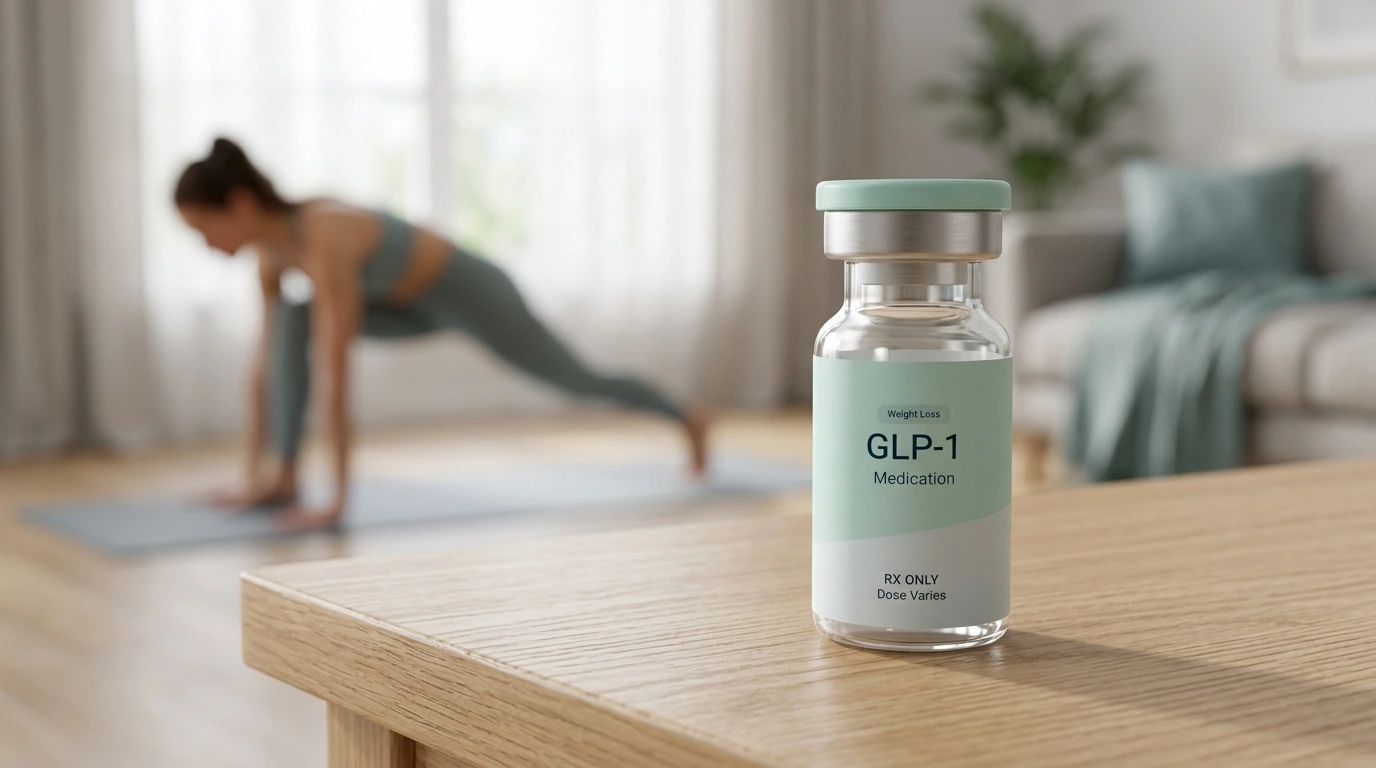
Finding a way to manage your weight can feel like an uphill battle, especially when you hear about the success others are having with modern medications. You might have a friend or family member with a “spare” pen who offers it to you. While the temptation to jump-start your progress is understandable, using medication not prescribed to you carries significant health and legal risks. At TrimRx, we believe that every individual deserves a weight loss plan that is safe, legal, and tailored specifically to their unique biological needs. This article covers the medical dangers of sharing prescription pens, the importance of clinical supervision, and how you can access personalized treatment the right way. Taking someone else’s medication is never worth the risk when professional, affordable telehealth options are available to help you reach your goals safely.
If you are considering medically supervised treatment, you can complete a free eligibility assessment to learn whether a personalized program may be appropriate for you.
Quick Answer: No, you should never take someone else’s Ozempic®. Using medication not prescribed to you by a licensed provider is illegal and dangerous because the dosage may not be right for you, you may have underlying contraindications, and sharing pens poses a high risk of serious infection.
The Risks of Sharing Prescription Medication
When a healthcare provider writes a prescription for Ozempic® (semaglutide), they are not just giving a patient a product. They are confirming that, based on a medical history and current health status, the medication is safe and appropriate for that specific person. Taking someone else’s medication bypasses this critical safety check.
For more information about how legitimate online treatment includes intake screening and provider review, read this guide to how online GLP-1 prescriptions work.
Serious Risk of Infection
One of the most immediate dangers of using someone else’s injection pen is the risk of infection. Even if you use a fresh needle, the pen itself is designed for single-patient use. Microscopic amounts of blood or biological material can sometimes be drawn back into the pen mechanism during use.
Sharing a pen can lead to the transmission of bloodborne pathogens, including:
- Hepatitis B
- Hepatitis C
- HIV (Human Immunodeficiency Virus)
The manufacturer and medical experts are very clear: an injection pen should never be shared under any circumstances. Once a pen is used by one person, it is biologically contaminated for anyone else.
Incorrect Dosing and Titration Issues
Weight loss medications like semaglutide require a process called titration. This means you start at a very low dose—usually 0.25 milligrams (mg)—to allow your body to adjust to the medication. Over several months, a provider gradually increases the dose.
You can review what to expect when beginning treatment in this guide to your first semaglutide dose.
If you take a dose from a friend’s pen, you might be injecting a much higher amount than your body is ready for. For example, if your friend is on a maintenance dose of 2.0 mg and you have never taken the medication before, you could experience extreme, debilitating side effects.
Key Takeaway: Taking a dose that is too high for your current tolerance can lead to severe nausea, uncontrollable vomiting, and dehydration that may require hospitalization.
Understanding the Mechanism of Semaglutide
To understand why a doctor’s supervision is necessary, it helps to know how the medication works. Ozempic® is a glucagon-like peptide-1 (GLP-1) receptor agonist. A receptor agonist is a type of drug that mimics a hormone already found in your body.
When you take this medication, it targets the areas of the brain that regulate appetite and food intake. It also slows down “gastric emptying,” which is the scientific term for how fast food leaves your stomach. This makes you feel full longer.
Because the medication affects your digestive system and your metabolic hormones, your body needs to be monitored to ensure it is responding correctly. A licensed provider at TrimRx can help monitor these changes and ensure the medication is supporting your health rather than causing harm.
Hidden Medical Contraindications
You may feel perfectly healthy, but there are specific medical conditions that make GLP-1 medications dangerous for certain people. A friend offering you a pen won’t know if you have these risk factors, but a healthcare provider will check for them during a formal assessment.
If you want to understand the screening process before starting treatment, you can see whether GLP-1 medications may be right for you.
Thyroid Health Concerns
Clinical studies have shown that semaglutide can increase the risk of thyroid C-cell tumors in rodents. While it is not yet known if it causes the same tumors in humans, the medical community takes this very seriously.
You should not take these medications if you have:
- A personal or family history of Medullary Thyroid Carcinoma (MTC)
- Multiple Endocrine Neoplasia syndrome type 2 (MEN 2)
Pancreatitis and Kidney Function
Inflammation of the pancreas, known as pancreatitis, is a serious potential side effect. If you have a history of gallbladder issues or pancreatitis, taking this medication without a doctor’s clearance is highly dangerous.
Additionally, because these medications can cause nausea and vomiting, they can lead to dehydration. Severe dehydration can put a significant strain on the kidneys. For individuals who already have decreased kidney function, this could lead to acute kidney injury.
Managing Side Effects Properly
Common side effects of GLP-1 medications include:
- Nausea and vomiting
- Diarrhea or constipation
- Abdominal pain
- Heartburn or acid reflux
For a deeper look at these symptoms and practical management considerations, read this guide to compounded semaglutide side effects.
When you are part of a supervised program, your provider can help you manage these symptoms. They might suggest dietary changes, adjust your dose, or recommend supportive supplements like our GLP-1 Daily Support to help your body feel its best during the process.
The Legal and Practical Reality
Beyond the health risks, there are legal and practical reasons to avoid using someone else’s prescription.
Prescription Diversion
In the United States, Ozempic® is a prescription-only medication. Giving your prescription to someone else or taking a medication not prescribed to you is considered “prescription diversion.” This is a violation of the law.
Lack of Insurance Coverage
If you experience a medical emergency while taking someone else’s medication, your health insurance may not cover the costs of your treatment, as the injury resulted from the illegal use of a prescription drug.
Counterfeit Risks
With the high demand for weight loss medications, there has been a rise in counterfeit products. If you aren’t getting your medication through a verified, licensed pharmacy, you have no way of knowing what is actually in the pen. Some counterfeit pens have been found to contain insulin, which can lead to life-threatening low blood sugar (hypoglycemia).
Comparison: Sharing vs. Professional Supervision
| Feature | Sharing a Pen | Professional Program (TrimRx) |
|---|---|---|
| Safety Screening | None | Full medical history review |
| Dosage | Random/Incorrect | Personalized titration schedule |
| Support | None | 24/7 access to specialists |
| Source | Unknown/Used | FDA-registered pharmacy |
| Legality | Illegal | 100% Legal & Regulated |
| Side Effect Help | None | Clinical guidance and supplements |
How to Access Treatment Safely
If you are interested in starting a weight loss journey with GLP-1 medications, the best step is to do it through a legitimate telehealth platform. We offer a path that is simple, online, and medically supervised.
You can also read about safe and effective access to GLP-1 medications online before beginning the process.
Step 1: Complete the Free Assessment
The first step is taking our online health quiz. This allows us to understand your BMI, medical history, and weight loss goals. This information is vital for a healthcare provider to determine if you are a candidate for medication.
Step 2: Provider Consultation
After your quiz, you will be connected with a licensed healthcare provider. They will review your profile, order any necessary lab work, and discuss your options. They will ensure that you do not have any contraindications like MTC or MEN 2.
Step 3: Personalized Prescription
If the provider determines that medication is right for you, they will write a personalized prescription. This might be for Compounded Semaglutide, Compounded Tirzepatide, or other options depending on what fits your health profile.
Note: Compounded Semaglutide and Compounded Tirzepatide are prepared and shipped by FDA-registered, inspected compounding pharmacies. They are not the same as branded Ozempic® or Mounjaro®, which are trademarked branded medications not affiliated with our platform.
Step 4: Ongoing Monitoring
Unlike using a friend’s pen, our program includes continuous support. If you experience nausea or need to adjust your dose, your team is always available to help. You never have to guess about your health.
The Danger of Overdose
Taking too much semaglutide is a medical emergency. Because the medication stays in your system for a long time—it has a half-life of about a week—an overdose can cause symptoms that last for many days.
Symptoms of an Overdose include:
- Severe Hypoglycemia: Dizziness, confusion, shakiness, and in extreme cases, seizures.
- Persistent Vomiting: This can lead to severe electrolyte imbalances and dehydration.
- Extreme Abdominal Pain: This could signal pancreatitis or a serious gastrointestinal blockage.
If you suspect you have taken too much medication, you must seek immediate medical attention or contact a poison control center. Do not wait for the symptoms to “wear off” on their own.
Making a Sustainable Choice
Weight loss is not just about a single injection; it is about a long-term commitment to metabolic health. When you use someone else’s pen, you are looking for a quick fix that lacks a foundation. You don’t have a plan for what happens when that pen runs out, and you don’t have the tools to maintain your progress.
A personalized program provides more than just medication. It provides a structured environment where you can learn how your body responds to treatment. At TrimRx, we are committed to helping you embrace a healthier lifestyle through a transparent and science-backed approach.
For additional guidance about maintaining a structured GLP-1 routine, explore these GLP-1 treatment strategies.
Bottom line: Your health is too valuable to risk on a borrowed prescription. Safety, clinical oversight, and legal access are the only ways to achieve sustainable, healthy weight loss.
The Importance of High-Quality Support
Many people find that the physical symptoms of weight loss medications are easier to manage when they have access to specific nutritional support. For example, our Weight Loss Boost supplement is designed to work alongside your program to help you feel energized and balanced. These tools are available to help you optimize your results without taking shortcuts that could compromise your safety.
Conclusion
It is natural to feel a sense of urgency when you are ready to change your life. However, taking someone else’s Ozempic® is a dangerous choice that can lead to infection, severe overdose, and legal trouble. The medications used for weight loss are powerful hormones that require careful titration and medical oversight. By choosing a professional telehealth program, you ensure that you are receiving medication that is safe for your specific body and legal under federal law. Our mission is to provide you with the clinical expertise and empathetic support you need to reach your goals without the risks of the “black market” or shared prescriptions. Take the first step today by completing our free assessment quiz and start your journey on a foundation of safety and science.
FAQ
Is it okay to use a new needle on a friend’s Ozempic® pen?
No, it is not safe to share the pen even with a new needle. Biological material and blood can be drawn into the pen’s internal mechanism during use, which can transmit serious infections like Hepatitis or HIV to the next user.
What happens if I take a dose of Ozempic® that is too high for me?
Taking a dose higher than your body is adjusted to can cause severe nausea, projectile vomiting, and extreme abdominal pain. This often leads to dehydration and may require medical intervention or hospitalization to manage the symptoms.
For more information about managing symptoms safely, review this semaglutide side effect guide.
Can I get in legal trouble for taking someone else’s prescription?
Yes, Ozempic® is a prescription-only medication, and using it without a valid prescription written in your name is considered prescription diversion. This is illegal in the United States and can have serious legal and insurance consequences.
Why do I need a doctor’s consultation before starting semaglutide?
A consultation is necessary to screen for life-threatening contraindications, such as a family history of specific thyroid cancers or existing kidney issues. A provider also ensures you start at the correct low dose to minimize side effects and monitor your metabolic health safely. If you are considering treatment, you can begin the free assessment process.
Disclaimer: This content is for informational purposes only and does not constitute medical advice. It is not intended to diagnose, treat, cure, or prevent any disease or condition. Individual results may vary. Always consult a qualified healthcare professional before starting any weight loss program or medication.

Transforming Lives, One Step at a Time
Keep reading

Is It Normal for Nausea to Come Back on Ozempic?
Many people on Ozempic or another GLP-1 have a rough first few weeks, then settle in and feel much better. So it can be…
Is It Normal to Not Feel Anything After Taking Ozempic?
You have heard stories about people losing interest in food overnight or feeling queasy after their first dose. Then you take your own first…

Is It Normal to Have Dark Urine on Ozempic?
Noticing that your urine is darker than usual can be worrying. On Ozempic or another GLP-1, the most common reason is simple: you are…


