The SURMOUNT Trials: What Tirzepatide’s Data Means for Patients
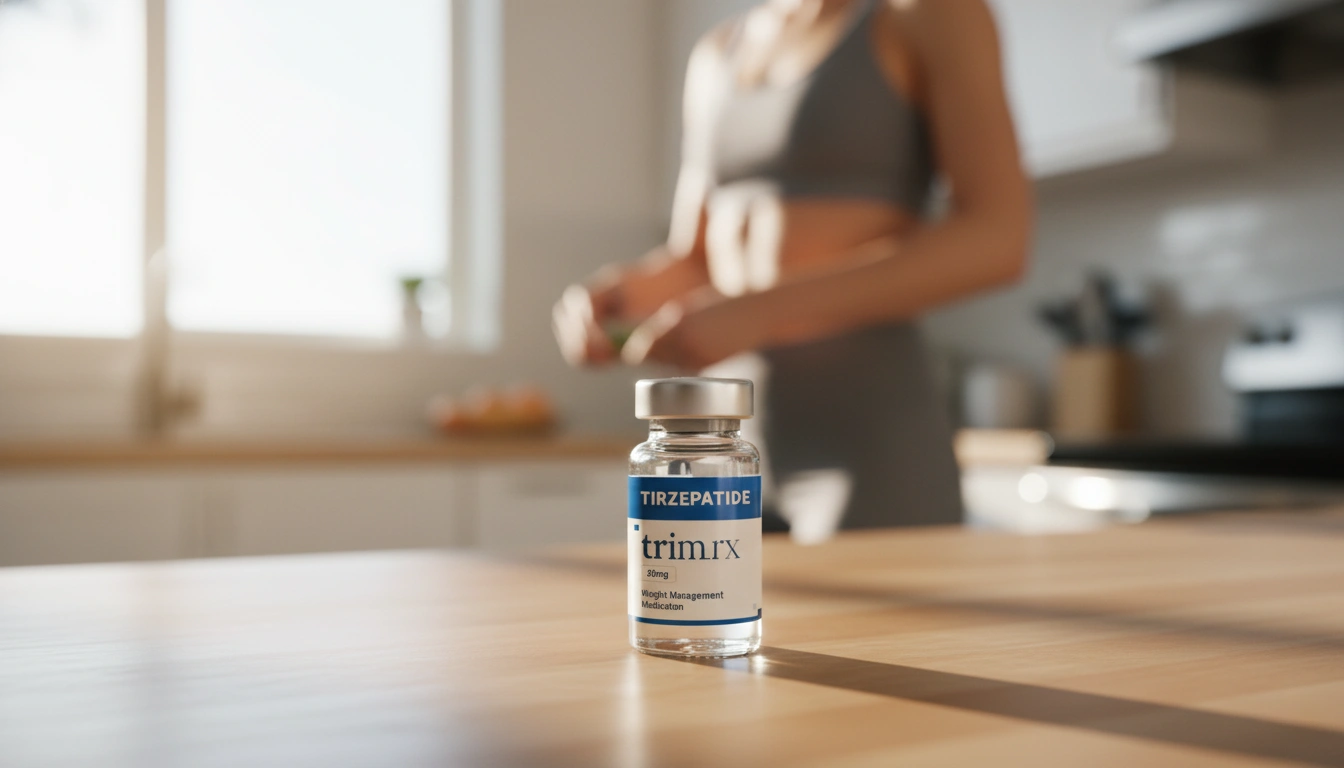
Weight loss drugs have been around for decades, but none of them produced numbers like tirzepatide did in clinical trials. The SURMOUNT program, a series of large Phase 3 trials sponsored by Eli Lilly, generated results that genuinely surprised researchers and reshaped expectations for what medication-assisted weight loss could achieve. If you’re considering Mounjaro or Zepbound, or you’re already on tirzepatide and want to understand the evidence behind your treatment, here’s what the data actually shows.
What the SURMOUNT Program Is
SURMOUNT is the name for Eli Lilly’s clinical trial program evaluating tirzepatide specifically for chronic weight management. This is distinct from the SURPASS program, which evaluated tirzepatide for type 2 diabetes management. The SURMOUNT trials enrolled people with obesity or overweight without diabetes (with some exceptions), making the data directly applicable to the majority of patients using tirzepatide for weight loss today.
The program includes multiple trials, with SURMOUNT-1 being the flagship study and SURMOUNT-2 through SURMOUNT-4 addressing specific patient populations and scenarios.
SURMOUNT-1: The Core Data
SURMOUNT-1 enrolled 2,539 adults with obesity (BMI of 30 or higher) or overweight (BMI of 27 or higher) with at least one weight-related complication, but without type 2 diabetes. Participants were randomized to tirzepatide at 5 mg, 10 mg, or 15 mg weekly, or placebo, over 72 weeks.
The results were striking across all dose groups:
The 5 mg group lost an average of 15% of their body weight. The 10 mg group lost an average of 19.5%. The 15 mg group, the highest dose, lost an average of 20.9% of body weight. The placebo group lost about 3.1%.
To put that in perspective, consider this scenario: a patient starting at 240 pounds on the 15 mg dose would lose roughly 50 pounds over 72 weeks. That’s a level of weight loss previously associated only with bariatric surgery. Nearly 37% of participants on the 15 mg dose lost 25% or more of their body weight, and about 57% lost at least 20%. These numbers were unprecedented in a pharmaceutical trial.
For a closer look at how those results map to real-world timelines, Tirzepatide Results Timeline: Week by Week Guide breaks down what to expect at each stage.
SURMOUNT-2: Results in People With Type 2 Diabetes
SURMOUNT-2 enrolled adults with both obesity and type 2 diabetes, a population where weight loss is typically harder to achieve. Over 72 weeks, participants on tirzepatide 15 mg lost an average of 15.7% of their body weight, compared to 3.3% on placebo.
While these results are somewhat lower than SURMOUNT-1 (consistent with the known difficulty of losing weight with diabetes), they’re still exceptional compared to any prior diabetes medication. Blood sugar control improved substantially as well, with many participants seeing major reductions in HbA1c. If you’re specifically looking at tirzepatide’s effects on prediabetes or insulin resistance, Tirzepatide for Prediabetes covers that in detail.
SURMOUNT-3 and SURMOUNT-4: Maintenance and Real-World Scenarios
SURMOUNT-3 took a different approach. Participants first went through an intensive lifestyle intervention for 12 weeks before being randomized to tirzepatide or placebo. This design tested whether tirzepatide could accelerate and extend weight loss beyond what lifestyle intervention alone achieved. The tirzepatide group lost an additional 18.4% of body weight on top of the weight already lost during the lifestyle phase, compared to 2.5% for placebo. The combination of lifestyle changes followed by tirzepatide produced some of the largest total weight losses recorded in any clinical trial.
SURMOUNT-4 addressed a question many patients eventually face: what happens when you stop? Participants who lost weight on tirzepatide for 36 weeks were then randomized to either continue the medication or switch to placebo. Those who continued tirzepatide lost an additional 5.5% of body weight over the following year. Those switched to placebo regained an average of 14% of their body weight. This data is important for understanding why tirzepatide, like other GLP-1 medications, is generally considered a long-term treatment rather than a short course. For more on that, How Long Can You Take Mounjaro covers the long-term use picture.
Why Tirzepatide Outperforms Semaglutide in Head-to-Head Comparisons
Tirzepatide works differently from semaglutide, and the mechanism matters. Semaglutide is a GLP-1 receptor agonist. Tirzepatide activates both GLP-1 and GIP receptors, making it a dual agonist. GIP (glucose-dependent insulinotropic polypeptide) is a separate gut hormone that also influences appetite, fat storage, and insulin secretion. Activating both pathways appears to produce additive effects that single-agonist medications can’t fully replicate.
The SURMOUNT-1 results outpaced what semaglutide achieved in its own landmark trial (the STEP-1 trial), where participants lost an average of about 14.9% of body weight on the highest dose. Direct head-to-head trial data comparing the two medications is limited, but the population-level numbers consistently show tirzepatide producing greater average weight loss.
That said, individual responses vary. Some patients do exceptionally well on semaglutide. Others plateau and find tirzepatide more effective. If you’re thinking through which option fits your situation, Semaglutide to Tirzepatide: Switching Guide walks through the transition considerations.
What the SURMOUNT Data Means for You
A few practical takeaways from the trial results:
Higher doses produced greater weight loss, but side effects (primarily nausea and gastrointestinal symptoms) also increased with dose. The standard approach is to start at 2.5 mg and escalate gradually, which is exactly what the trial protocols did. Rushing the escalation increases side effects without improving long-term outcomes. Starting Dose of Tirzepatide covers what to expect at the beginning.
Results take time. The largest weight losses in the SURMOUNT trials were recorded at or near the 72-week mark. If you’re at month three and frustrated with your progress, the data suggests the most significant losses often come later. Tirzepatide Results at 6 Months gives a realistic benchmark for where you should be midway through treatment.
Weight maintenance requires continuation. SURMOUNT-4 made this clear. Most people regain substantial weight when they stop tirzepatide, which means stopping should be a planned, medically supervised process rather than something that happens because of cost or access issues.
The Cardiovascular Data Still Being Written
One area where tirzepatide’s evidence base is still developing is cardiovascular outcomes. The SURMOUNT-MMO trial (Mortality and Morbidity Outcomes) is a large ongoing cardiovascular outcomes trial for tirzepatide in people with obesity but without diabetes. Results are anticipated in the coming years and will determine whether tirzepatide earns the kind of formal cardiovascular indication that semaglutide has already established.
Early signals are promising. The metabolic improvements seen across SURMOUNT trials (blood pressure reduction, lipid improvements, better glycemic control) suggest cardiovascular benefit is likely, but the definitive outcomes data isn’t there yet. This is one area where semaglutide currently has a more complete evidence base.
Getting Started With Tirzepatide
The SURMOUNT data makes a strong case that tirzepatide is currently the most effective medication available for weight loss, at least at a population level. Whether it’s the right choice for your specific situation depends on your health history, other medications, and what you’ve already tried.
Start your assessment at TrimRx to connect with a clinician who can review your profile and help you decide whether tirzepatide or another GLP-1 medication is the right fit.
This information is for educational purposes and is not medical advice. Consult with a healthcare provider before starting any medication. Individual results may vary.

Transforming Lives, One Step at a Time
Keep reading

Tirzepatide and Pregnancy: Safety Guide for Women
Tirzepatide is one of the most effective weight loss medications available right now, and many of the women using it are in their reproductive…

GLP-1 Medications and Autoimmune Conditions: A Guide for Lupus and RA Patients
If you have lupus or rheumatoid arthritis and you’re carrying extra weight, you’ve probably wondered whether GLP-1 medications are an option for you. The…

Tirzepatide for Prediabetes: Can Mounjaro or Zepbound Reverse It
Tirzepatide doesn’t just slow prediabetes progression. In clinical trials, a significant proportion of patients with prediabetes returned to normal blood sugar levels entirely. That’s…


