Thyroid Issues and Ozempic: Safety Considerations
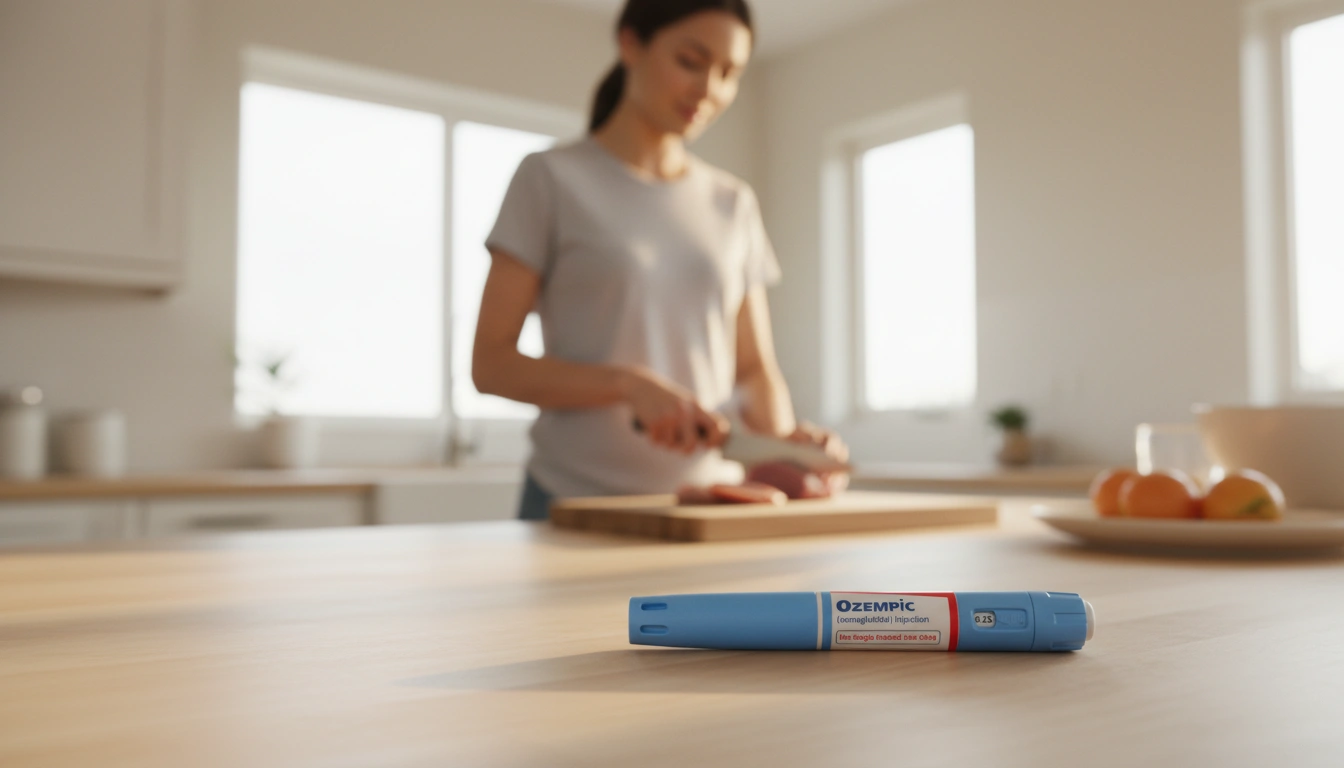
If you have a thyroid condition and you’re considering Ozempic or another GLP-1 medication for weight loss, you’ve probably come across some alarming language in the prescribing information. Words like “thyroid tumor” and “medullary thyroid carcinoma” appear in the black box warning on semaglutide packaging, and understandably, that gives people pause. The reality is more nuanced than the warning alone suggests, and women with common thyroid conditions like hypothyroidism or Hashimoto’s have a different risk profile than the warning is primarily addressing. Here’s what you actually need to know.
Understanding the Black Box Warning
The FDA requires a black box warning on all GLP-1 receptor agonists, including semaglutide (Ozempic, Wegovy) and tirzepatide (Mounjaro, Zepbound), related to thyroid C-cell tumors. This warning stems from animal studies in which rodents given GLP-1 medications developed C-cell hyperplasia and medullary thyroid carcinoma (MTC) at high doses over extended periods.
The critical context: rodents have a much higher density of GLP-1 receptors in thyroid C-cells than humans do. The relevance of these findings to human risk is considered low by most endocrinologists and the FDA itself acknowledges that the human relevance is uncertain. Post-market surveillance data from millions of GLP-1 users has not shown a clear increase in MTC rates in the general population.
That said, the warning exists for a reason, and it applies specifically to people with a personal or family history of MTC or Multiple Endocrine Neoplasia syndrome type 2 (MEN 2). For those individuals, GLP-1 medications are contraindicated. Full stop.
For everyone else, including women with hypothyroidism, Hashimoto’s, or hyperthyroidism, the black box warning is worth understanding but is not, on its own, a reason to avoid these medications.
Hypothyroidism and GLP-1 Medications
Hypothyroidism, an underactive thyroid, is one of the most common endocrine conditions in women, affecting roughly 5% of the female population. It slows metabolism, causes fatigue, and frequently contributes to weight gain that resists standard diet and exercise interventions.
Here’s the important thing: hypothyroidism does not appear to reduce the effectiveness of GLP-1 medications, but it does affect the context in which they work. A woman whose hypothyroidism is well-controlled on levothyroxine will likely respond to semaglutide similarly to a woman without thyroid disease. A woman whose thyroid levels are still poorly controlled may find weight loss harder regardless of what medication she takes, because an underactive thyroid directly slows metabolic rate.
Getting thyroid levels optimized before or alongside GLP-1 treatment is therefore important. If your TSH is elevated and your free T4 is low, addressing that first gives GLP-1 medications the best possible environment to work in.
There’s also a practical medication interaction to be aware of. Semaglutide slows gastric emptying, which can affect the absorption of levothyroxine. Most providers recommend taking levothyroxine on an empty stomach, first thing in the morning, at least 30 to 60 minutes before food or other medications. This timing guidance becomes even more important on GLP-1 treatment, where gastric motility is already reduced. Discuss the timing of your thyroid medication with your prescriber when starting semaglutide.
Hashimoto’s Thyroiditis Specifically
Hashimoto’s is an autoimmune condition in which the immune system attacks the thyroid gland, gradually reducing its function over time. It’s the most common cause of hypothyroidism in the United States and disproportionately affects women.
Women with Hashimoto’s often struggle with weight even when their TSH is technically within normal range, because thyroid hormone levels can fluctuate, and because autoimmune conditions are associated with systemic inflammation that affects metabolism and fat storage.
For a dedicated look at Hashimoto’s and GLP-1 medications, the Hashimoto’s and Ozempic article covers the autoimmune and inflammatory dimensions in more detail. What’s worth noting here is that GLP-1 medications have shown anti-inflammatory properties in some research contexts, which may be an added benefit for women with autoimmune thyroid disease, though this hasn’t been studied specifically in Hashimoto’s populations.
Hyperthyroidism and GLP-1
Hyperthyroidism, an overactive thyroid, presents a different picture. Women with untreated or poorly controlled hyperthyroidism often experience weight loss rather than gain, along with rapid heart rate, anxiety, and heat intolerance. GLP-1 medications are less commonly prescribed in this context, not because they’re contraindicated, but because the indication for weight loss may not apply.
For women who have been treated for hyperthyroidism and subsequently developed hypothyroidism (a common outcome of radioactive iodine treatment), the hypothyroidism guidance above applies. Post-treatment hypothyroidism is managed with levothyroxine, and GLP-1 medications can be used alongside it with appropriate timing precautions.
What Happens to Thyroid Levels on Semaglutide
A reasonable question: does starting Ozempic affect thyroid hormone levels directly? The answer, based on available evidence, is that semaglutide does not appear to meaningfully alter TSH or free thyroid hormone levels in people without pre-existing thyroid conditions.
Some patients report changes in how they feel on levothyroxine after starting GLP-1 treatment, which may relate to absorption changes rather than direct thyroid effects. If you notice symptoms of under- or over-replacement (fatigue, palpitations, temperature changes) after starting semaglutide, a thyroid panel is a reasonable next step.
Consider this scenario: a 43-year-old woman with well-controlled Hashimoto’s and a BMI of 32 starts compounded semaglutide. Her endocrinologist adjusts the timing of her levothyroxine to account for the gastric emptying changes. Over eight months she loses 24 pounds, her TSH remains stable throughout, and she reports improved energy levels she attributes partly to the weight loss itself.
Monitoring Recommendations for Women with Thyroid Conditions
If you have a thyroid condition and you’re starting GLP-1 treatment, a few practical steps make the process safer and more effective. Have a current thyroid panel before starting, so you have a baseline. Discuss levothyroxine timing with your provider, specifically whether any adjustments are needed given semaglutide’s effect on gastric emptying. Schedule a follow-up thyroid panel at three months to confirm levels remain stable. And report any neck swelling, difficulty swallowing, or hoarseness to your provider promptly, as these can be signs of thyroid changes regardless of medication use.
For women navigating the intersection of thyroid disease and weight management, GLP-1 and hormones provides useful context on how semaglutide interacts with female endocrine systems more broadly.
Is Ozempic Right for You if You Have a Thyroid Condition
For most women with common thyroid conditions, the answer is yes, with appropriate monitoring and provider involvement. The black box warning is not a blanket prohibition on GLP-1 use for people with thyroid disease. It is a specific contraindication for MTC and MEN 2 history, and a general signal to involve your endocrinologist in the conversation.
TrimRx providers review your full health history during the intake process, including any thyroid conditions and current medications. This ensures prescribing decisions account for your complete picture. The compounded semaglutide program is available at a significantly lower cost than brand Ozempic or Wegovy, making ongoing treatment more accessible.
To find out whether you’re a candidate, take the intake assessment and a licensed provider will review your situation.
This information is for educational purposes and is not medical advice. Consult with a healthcare provider before starting any medication. Individual results may vary.

Transforming Lives, One Step at a Time
Keep reading

Postpartum Weight Loss: Is Ozempic Safe?
The postpartum period is one of the most physically and emotionally demanding stretches of a woman’s life, and for many new mothers, weight retained…

Ozempic While Trying to Conceive: What to Know
If you’re trying to get pregnant and also managing your weight with Ozempic, you’re navigating a genuinely complex situation. The short answer: most providers…

Ozempic and Menopause: What to Expect When Hormones and GLP-1s Intersect
Menopause and weight gain have a well-documented relationship, and for many women, the years surrounding this transition represent the first time in their lives…


