Timing Zepbound: Should You Take Zepbound at Night for Optimal Weight Management?
Introduction
Have you ever considered how the precise timing of your medications might influence their effectiveness and your overall well-being? It’s a nuanced aspect of health management that often goes unexamined, yet holds significant implications, particularly for a transformative medication like Zepbound. This once-weekly injectable has emerged as a powerful ally in the realm of chronic weight management, offering a new pathway for individuals striving for healthier lifestyles. However, as with any new treatment, questions arise regarding its optimal use, one of the most common being: “Should you take Zepbound at night?”
Zepbound, known scientifically as tirzepatide, represents a remarkable advancement, leveraging the body’s natural processes to support substantial weight loss. Its innovative mechanism addresses multiple facets of metabolic health, making it a cornerstone in modern weight management strategies. Yet, integrating such a potent medication into daily life, especially when faced with the potential for side effects, requires careful consideration of timing and routine.
In this comprehensive guide, we will delve into the intricacies of Zepbound administration, exploring what current research and clinical guidelines suggest about the best time to take it. We’ll unpack the science behind its action, examine the factors that might influence your decision, and provide actionable strategies to manage potential indirect effects on sleep. Our aim is to demystify the choices surrounding Zepbound timing, empowering you with the knowledge to make an informed decision that aligns with your personal health goals and lifestyle. At TrimRx, our journey began with a shared vision to help individuals embrace healthier lifestyles by merging cutting-edge telehealth innovations with effective weight loss solutions. We believe that sustainable weight loss should be achieved through science, empathy, and a transparent approach, and this commitment to personalized, medically supervised care guides our insights. By the end of this post, you will have a clear understanding of how to best integrate Zepbound into your routine for safe, effective weight loss.
Understanding Zepbound: A Dual-Action Approach to Weight Management
Before we explore the optimal timing for administration, it’s essential to grasp what Zepbound is and how its unique mechanism works within the body to facilitate weight loss. Zepbound, a branded form of tirzepatide, received FDA approval specifically for chronic weight management in adults with obesity or those classified as overweight with at least one weight-related condition. It is administered as a once-weekly subcutaneous injection, designed to be a convenient yet potent component of a comprehensive weight loss plan that includes a reduced-calorie diet and increased physical activity.
The Science Behind Tirzepatide
Zepbound stands apart due to its dual agonist action, targeting two crucial hormonal pathways: glucagon-like peptide-1 (GLP-1) and glucose-dependent insulinotropic polypeptide (GIP) receptors. These are both natural hormones known as incretins, which play vital roles in regulating metabolism and appetite.
Glucagon-Like Peptide-1 (GLP-1) Receptor Agonism
As a GLP-1 receptor agonist, Zepbound mimics the effects of the natural GLP-1 hormone. This action contributes significantly to weight management through several key mechanisms:
- Appetite Suppression: GLP-1 agonists impact the brain’s satiety centers, leading to a reduced feeling of hunger and increased fullness. This helps individuals naturally consume fewer calories.
- Slowed Gastric Emptying: It reduces the rate at which food leaves the stomach, prolonging feelings of fullness after meals. This can also help stabilize blood sugar levels.
- Improved Insulin Secretion: In the presence of elevated blood glucose, GLP-1 stimulates insulin release from the pancreas, aiding in glucose control.
- Reduced Glucagon Secretion: It suppresses the release of glucagon, a hormone that raises blood sugar, further contributing to improved glycemic control.
Glucose-Dependent Insulinotropic Polypeptide (GIP) Receptor Agonism
The inclusion of GIP receptor agonism is what makes tirzepatide a dual-action medication and differentiates it from earlier GLP-1-only medications. GIP also contributes to metabolic regulation:
- Enhanced Insulin Response: GIP works synergistically with GLP-1 to enhance insulin secretion, particularly after meals, when blood sugar levels are rising.
- Fat Metabolism: Research suggests GIP may play a role in fat cell metabolism and energy balance, further contributing to weight reduction.
By combining the actions of both GLP-1 and GIP, Zepbound offers a more comprehensive approach to regulating appetite, managing blood sugar, and ultimately supporting significant and sustainable weight loss. This advanced medical science, combined with modern technology, is at the heart of the personalized solutions we offer at TrimRx. Our platform is a user-friendly and supportive space where individuals receive personalized, medically supervised care, all designed to make sustainable weight loss attainable and tailored to the individual.
Administration and Dosing Guidelines
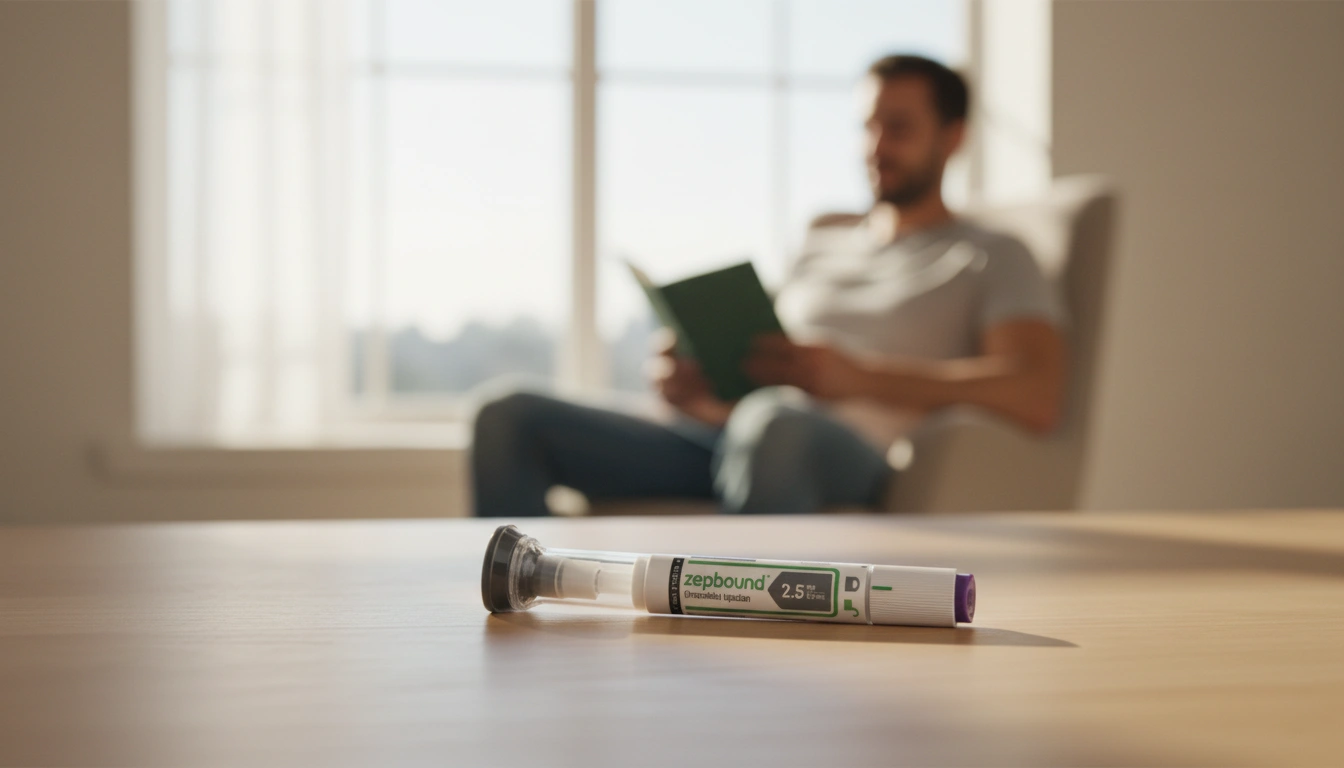
Zepbound is supplied in a prefilled auto-injector pen, making self-administration straightforward. The typical injection sites include the abdomen, thigh, or upper arm. The medication is started at a low dose, usually 2.5 mg once weekly, and gradually escalated every four weeks based on individual tolerance and response. This titration strategy helps minimize potential side effects as the body adjusts to the medication.
Critically, the official prescribing information for Zepbound states that it “can be administered at any time of day, with or without meals.” This flexibility is a key aspect we will explore in detail, as it allows for personalization in scheduling that can significantly impact a user’s experience. Consistency, however, is paramount: taking the injection on the same day each week helps maintain steady medication levels in your body, optimizing its therapeutic effects.
Our commitment to transparent service at TrimRx ensures that our approach remains consistent regardless of dosage changes. We work exclusively with FDA-registered and inspected pharmacies for the shipping of weight loss medications, ensuring your safety and the integrity of your treatment. To understand if Zepbound or other prescription medications like Compounded Semaglutide, Oral Semaglutide, Ozempic®, Compounded Tirzepatide, Oral Tirzepatide, Mounjaro®, or Wegovy® might be right for you, we encourage you to take our free assessment quiz.
The Core Question: Should You Take Zepbound at Night?
The flexibility in Zepbound’s administration schedule—the ability to take it “at any time of day”—is a significant advantage, yet it often prompts the question: should you take Zepbound at night? The short answer, according to current guidelines and the experiences of many individuals, is yes, it is perfectly acceptable to take Zepbound at night. However, the best time for you will depend on a multitude of personal factors, including your daily routine, potential side effect profiles, and how your body responds.
Factors Influencing Timing Decisions
Choosing the ideal time for your weekly Zepbound injection involves a thoughtful assessment of your lifestyle and bodily responses.
Personal Routine and Consistency
The most important factor, regardless of whether you choose morning or night, is consistency. Administering Zepbound on the same day each week, at roughly the same time, ensures stable levels of the medication in your system. This consistency is vital for optimizing its efficacy. For many, a consistent nighttime routine—perhaps before bed or after a certain evening activity—provides a reliable reminder and a predictable window for administration. For others, a morning routine works better. It’s about finding that steady rhythm that integrates seamlessly into your life, reducing the chances of a missed dose.
Potential Side Effects and Their Management
Zepbound, like any medication, can cause side effects. The most commonly reported side effects are gastrointestinal, including nausea, diarrhea, vomiting, constipation, and abdominal pain. These can be particularly disruptive if they occur at an inconvenient time.
- Taking Zepbound at Night: Some individuals opt for evening administration, hoping to sleep through any initial onset of gastrointestinal discomfort. If mild nausea or indigestion typically appears a few hours after injection, taking it before bed might allow these sensations to occur while you’re asleep, potentially minimizing their impact on your waking hours.
- Taking Zepbound in the Morning: Conversely, others prefer morning injections. This allows them to monitor side effects throughout the day and address them while awake, rather than having them disrupt sleep. It might also allow for dietary adjustments or other strategies to mitigate discomfort during the day.
The individual nature of side effects means that what works well for one person might not for another. This highlights the importance of truly personalized care, a cornerstone of our philosophy at TrimRx, where we provide compassionate care that respects every individual’s unique journey.
Meal Timing and Gastric Emptying
Zepbound’s effect of slowing gastric emptying can prolong feelings of fullness, which is beneficial for weight loss. However, if you typically consume large meals late in the evening and take your injection at night, this slowed digestion could potentially lead to increased discomfort or a feeling of heaviness that interferes with sleep. If evening administration is your preference, considering a lighter dinner or eating earlier in the evening might be a helpful adjustment.
Lifestyle and Memory Aids
Your broader lifestyle plays a role. If your mornings are often chaotic and rushed, a calm evening moment might be more conducive to remembering and properly administering your injection. Setting digital reminders or making a note on a calendar can also be invaluable tools to maintain adherence, regardless of the chosen time.
Ultimately, the decision of whether to take Zepbound at night or in the morning is a personal one, best made in consultation with your healthcare provider. Our comprehensive service at TrimRx includes doctor consultations and unlimited support to help you navigate these nuances and build a routine that supports your success.
Zepbound’s Indirect Impact on Sleep: What the Research Suggests
While Zepbound offers flexibility in its administration timing, it’s crucial to address a common concern among users: its potential effects on sleep. Many individuals wonder if taking Zepbound, especially at night, could lead to insomnia or other sleep disturbances. It’s important to clarify the direct scientific evidence versus indirect influences on sleep quality.
No Direct Link to Insomnia
Current clinical trials and the prescribing information for Zepbound do not list insomnia as a direct or common side effect. In fact, some studies involving tirzepatide, the active ingredient in Zepbound, have noted fatigue as a reported side effect, which is the opposite of insomnia. Therefore, there’s no research to suggest that Zepbound directly causes difficulty falling or staying asleep. This is a vital distinction, as many perceptions about medication side effects can be anecdotal and not always rooted in direct pharmacological action.
Indirect Factors Contributing to Sleep Disturbances
Despite the lack of a direct link, some individuals do report experiencing sleep issues while on Zepbound. These disturbances are more likely an indirect result of other effects of the medication or related lifestyle changes. Understanding these indirect factors can help you better manage your sleep hygiene and overall well-being.
Gastrointestinal Side Effects
The most prominent and frequently reported side effects of Zepbound are gastrointestinal (GI) in nature. In clinical trials, a significant percentage of participants experienced:
- Nausea: Up to 29%
- Diarrhea: Up to 23%
- Vomiting: Up to 13%
- Constipation, abdominal pain, and dyspepsia (indigestion) were also commonly reported.
If these symptoms strike at night, they can undoubtedly disrupt sleep. Imagine trying to fall asleep or stay asleep while experiencing stomach discomfort, a frequent urge to use the bathroom, or persistent nausea. These issues, while often temporary as your body adjusts to the medication, can severely impact sleep quality regardless of when Zepbound is taken. Therefore, if nighttime administration leads to these particular side effects, adjusting the timing or consulting your healthcare provider for management strategies becomes crucial.
Hormonal Shifts and Appetite Regulation
Zepbound’s mechanism involves significant shifts in appetite-regulating hormones, such as leptin and ghrelin. These hormones are intricately linked to your body’s circadian rhythm, which governs your sleep-wake cycle and natural hunger cues.
- Ghrelin levels typically peak during the day to stimulate appetite.
- Leptin levels generally rise at night to promote satiety and support restful sleep.
When medications like Zepbound alter these hunger cues and eating patterns, it can, in some cases, indirectly affect the synchronization of these hormones with your circadian rhythm. Irregular meal timing or sudden drastic changes in caloric intake can potentially lead to dysregulation, impacting both energy balance and sleep quality. For instance, suppressed appetite might lead to insufficient calorie intake, which could indirectly contribute to restless sleep for some individuals.
Changes in Blood Sugar Levels (Hypoglycemia)
Zepbound is effective in lowering blood sugar levels, a beneficial effect for individuals with type 2 diabetes. However, in relatively rare instances (about 4.2% in clinical trials for participants with type 2 diabetes), blood sugar levels can drop too low, a condition known as hypoglycemia.
Hypoglycemia can manifest with symptoms that are highly disruptive to sleep, including:
- Tremors or shakiness
- Confusion
- Anxiety or nervousness
- Nighttime awakenings
This side effect is more likely to occur if an individual with type 2 diabetes is also taking other medications that lower blood sugar. Therefore, if you have type 2 diabetes and are considering Zepbound, it is imperative to have a thorough discussion with your healthcare provider about all medications you are currently taking. They may need to adjust dosages of other prescriptions to prevent hypoglycemia, thereby safeguarding your sleep and overall health.
At TrimRx, our focus on results-oriented and personalized care means we prioritize safety. While Zepbound is a powerful tool, understanding these nuances is critical. Our personalized weight loss program includes comprehensive support, from doctor consultations and lab work to unlimited support and shipping with no hidden fees, all designed to ensure you navigate your treatment safely and effectively.
Optimizing Zepbound Timing for Your Lifestyle
Given that Zepbound can be taken at any time of day, the decision often comes down to personal preference and how it best integrates into your life to minimize disruption and maximize adherence. There’s no single “best” time for everyone; instead, it’s about discovering what works optimally for you.
Personal Routine and Adherence
The paramount consideration for any weekly medication is consistency. Choosing a specific day and time each week that you can reliably commit to is more important than whether that time is morning or night.
- Morning Administration: For many, mornings offer a fresh start, and integrating the injection into a morning ritual (e.g., after breakfast, before work) can be an effective strategy for memory and adherence. This also allows for any immediate, mild side effects to manifest during waking hours, potentially making them easier to manage with daytime activities or quick adjustments to diet.
- Nighttime Administration: Conversely, evenings provide a calmer, more predictable window for others. After the day’s obligations are met, taking Zepbound before bed can become a consistent habit. As discussed, some individuals prefer this to potentially sleep through initial gastrointestinal discomfort.
We encourage you to observe your daily schedule and identify the most consistent and least disruptive slot. TrimRx’s emphasis on personalized care means we support you in finding this rhythm. Our free assessment quiz is the first step toward tailoring a plan that considers these lifestyle factors.
Managing Potential Side Effects with Strategic Timing
While Zepbound doesn’t directly cause insomnia, the gastrointestinal side effects can be a significant concern. Strategic timing can play a role in mitigating their impact.
Addressing Nausea and Discomfort
If you experience nausea or stomach upset as primary side effects:
- Morning Dose Considerations: Taking Zepbound in the morning allows you to be awake and responsive to any nausea. You might find that small, frequent meals, staying hydrated, or consuming bland foods can help manage these symptoms during the day.
- Evening Dose Considerations: Some find that taking Zepbound before bed allows them to sleep through the peak onset of nausea or other GI discomfort. This can be particularly beneficial if your side effects are mild and manageable. However, if the discomfort is severe enough to wake you, or if it exacerbates existing sleep issues, a morning dose might be preferable.
It’s crucial to monitor your body’s unique response and communicate any persistent or bothersome side effects with your healthcare provider. Our comprehensive service ensures you have doctor consultations and unlimited support to discuss and adjust your approach.
Considering Gastric Emptying and Meal Timing
Since Zepbound slows gastric emptying, this can influence how you feel after eating.
- Late-Night Meals with Nighttime Zepbound: If you frequently eat large meals late in the evening and then take your Zepbound dose at night, you might experience prolonged fullness, bloating, or even heartburn that could interfere with sleep.
- Recommendation: If you choose nighttime administration, consider adjusting your evening meal schedule. Opt for a lighter dinner, eat earlier in the evening, and avoid heavy, fatty, or spicy foods close to bedtime. This can help alleviate discomfort and support more restful sleep.
The goal is to find a balance where the medication effectively aids weight loss without unduly impacting your comfort or sleep quality. Our results-oriented approach at TrimRx emphasizes not just the medication, but also the lifestyle adjustments that optimize its benefits.
Strategies for Enhancing Sleep Quality While on Zepbound
While Zepbound itself doesn’t directly cause insomnia, optimizing your sleep hygiene and lifestyle choices can significantly counteract any indirect sleep disturbances and enhance your overall well-being and weight loss journey. Sleep is a fundamental pillar of health, and its importance in weight management cannot be overstated.
Establishing a Consistent Nighttime Routine
One of the most powerful tools for improving sleep is to create and adhere to a regular sleep schedule. Your body thrives on routine, and signaling to it that it’s time to wind down can make a profound difference.
- Consistent Bedtime and Wake-Up Time: Aim to go to bed and wake up at roughly the same time every day, even on weekends. This helps regulate your body’s natural circadian rhythm.
- Create a Relaxing Environment: Ensure your bedroom is dark, quiet, and cool. Consider blackout curtains, earplugs, or a white noise machine if needed.
- Wind-Down Rituals: Engage in calming activities before bed, such as reading a book (not on a backlit device), taking a warm bath, listening to soothing music, or practicing mindfulness meditation. These activities help quiet your mind and prepare your body for rest.
- Limit Light Exposure: Reduce exposure to bright lights, especially blue light from screens (phones, tablets, computers, TVs) at least an hour before bedtime. Blue light can suppress melatonin production, a hormone essential for sleep.
Dietary Adjustments and Nutrient Timing
What and when you eat can significantly impact your sleep, especially while taking a medication that affects digestion like Zepbound.
- Lighter Evenings: If you’ve chosen to take Zepbound at night, or if you simply experience GI side effects that linger into the evening, prioritize lighter meals for dinner. Avoid large, heavy, or very rich foods close to bedtime. Foods high in fat take longer to digest and can exacerbate discomfort.
- Avoid Caffeine and Alcohol:
- Caffeine: A powerful stimulant, caffeine can stay in your system for many hours. Consuming caffeine too late in the day can delay sleep onset and reduce the amount of deep, restorative sleep you get. Consider cutting off caffeine intake several hours before bed.
- Alcohol: While alcohol might initially make you feel sleepy, it ultimately leads to fragmented, lower-quality sleep later in the night. It can also worsen sleep apnea and contribute to frequent awakenings. Limiting or avoiding alcohol, especially in the hours before bed, can vastly improve sleep quality.
- Stay Hydrated: Adequate hydration is vital for overall health and can help mitigate some GI side effects. However, try to limit fluid intake close to bedtime to avoid nighttime awakenings for restroom breaks.
The Role of Physical Activity
Regular exercise is a well-known promoter of better sleep.
- Consistent Activity: Incorporate moderate physical activity into your daily routine. This can help reduce stress and fatigue, making it easier to fall asleep.
- Timing Your Workouts: Avoid vigorous exercise too close to bedtime. While exercise promotes sleep, an intense workout can elevate your heart rate and body temperature, leaving you too energized to fall asleep immediately. Aim to complete more strenuous workouts at least a few hours before you plan to go to bed.
Open Communication with Your Healthcare Provider
If sleep disturbances persist or worsen despite implementing these strategies, it’s crucial to talk to your healthcare provider. They can help identify the root cause of your sleep issues, which may include:
- Medication Adjustments: Your provider might suggest adjusting the timing of your Zepbound dose or discuss other strategies if side effects are the primary disruptor.
- Ruling Out Other Conditions: Sleep issues can be indicative of underlying medical conditions, such as sleep apnea, restless legs syndrome, or anxiety. Your provider can recommend further testing or referrals to specialists if needed.
At TrimRx, our comprehensive service is designed to support you every step of the way. This includes doctor consultations and unlimited support to address any concerns, including sleep challenges, that may arise during your weight loss journey. We also offer quick-access supplements like our GLP-1 Daily Support and Weight Loss Boost which can complement your overall wellness and support a healthy metabolism.
The Broader Impact: Why Sleep is Essential for Weight Loss Success
Beyond simply feeling rested, quality sleep plays a profound and often underestimated role in the success of any weight loss journey, including those supported by medications like Zepbound. When sleep is compromised, it can undermine even the most diligent efforts in diet and exercise, directly impacting the very hormonal and metabolic processes that Zepbound aims to optimize.
Hormonal Regulation
Sleep is critical for the balanced regulation of key appetite hormones:
- Leptin: Often called the “satiety hormone,” leptin signals to the brain that you’re full. Insufficient sleep can lead to decreased leptin levels, meaning your brain doesn’t receive strong signals of fullness, potentially causing you to overeat.
- Ghrelin: Known as the “hunger hormone,” ghrelin stimulates appetite. Sleep deprivation can cause ghrelin levels to rise, leading to increased feelings of hunger and cravings, particularly for high-calorie, high-carbohydrate foods.
When these hormones are dysregulated by poor sleep, the appetite-suppressing effects of Zepbound can be diminished, making it harder to adhere to a reduced-calorie diet. Prioritizing sleep directly supports the mechanisms Zepbound targets for effective weight management.
Energy Levels and Physical Activity
Adequate sleep provides the energy necessary for daily activities and, crucially, for maintaining an active lifestyle. When you’re sleep-deprived:
- Reduced Motivation: You’re less likely to have the energy or motivation to engage in regular physical activity, which is a vital component of sustainable weight loss.
- Decreased Performance: Even if you do exercise, your performance may be compromised, leading to less effective workouts and slower progress toward your fitness goals.
Zepbound works best when combined with increased physical activity, and good sleep ensures you have the vitality to commit to this aspect of your plan.
Cognitive Function and Decision-Making
Poor sleep significantly impairs cognitive functions, including decision-making, impulse control, and emotional regulation.
- Food Choices: When tired, individuals are more prone to making impulsive, less healthy food choices and struggling to resist cravings. The brain’s reward centers become more active, making highly palatable foods more appealing, while the prefrontal cortex, responsible for rational decision-making, is less effective.
- Stress Management: Sleep deprivation elevates stress hormones like cortisol, which can lead to increased fat storage, particularly in the abdominal area, and can trigger emotional eating.
By preserving cognitive function through sufficient sleep, you empower yourself to make consistent, healthy choices that align with your weight loss objectives.
Metabolic Health
Chronic sleep deprivation is linked to impaired glucose metabolism and increased insulin resistance, even in individuals without diabetes. These metabolic disturbances can make weight loss more challenging and increase the risk of developing type 2 diabetes. Zepbound aims to improve insulin sensitivity and glucose control, and optimizing sleep works synergistically with the medication to achieve these metabolic benefits.
At TrimRx, we understand that weight loss is a holistic journey. Our personalized weight loss solutions integrate medical science with a deep understanding of overall well-being. This empathetic approach is why we emphasize the importance of sleep alongside medication, diet, and exercise. Our goal is not just weight reduction, but a sustainable transformation towards a healthier life, supported by our comprehensive service that includes doctor consultations, medication, lab work, unlimited support, and shipping.
TrimRx’s Commitment to Your Personalized Journey
At TrimRx, our foundation is built upon a shared vision to help individuals embrace healthier lifestyles. We recognized the immense potential of merging cutting-edge telehealth innovations with effective, science-backed weight loss solutions. Our platform isn’t just a service; it’s a user-friendly and supportive space meticulously designed to provide personalized, medically supervised care, all with the overarching goal of making sustainable weight loss attainable and genuinely tailored to each individual. We firmly believe that the path to sustainable weight loss should be navigated through a blend of rigorous science, profound empathy, and an unwavering transparent approach.
Our brand personality resonates with these core values: we are empathetic, innovative, trustworthy, supportive, results-oriented, and deeply personalized. We understand that every individual’s journey is unique, marked by distinct challenges and triumphs. This understanding drives our commitment to offering compassionate care that respects and honors this individuality, combining advanced medical science with the convenience and accessibility of modern technology.
Central to our ethos is a commitment to transparent service. This means that our comprehensive approach remains consistent, providing unparalleled support and care regardless of any necessary dosage changes in your personalized treatment plan. Furthermore, your safety is our utmost priority. We exclusively partner with FDA-registered and inspected pharmacies for the shipping of all weight loss medications, ensuring that the products you receive meet stringent quality and safety standards. It’s important to clarify that while we partner with these trusted pharmacies for medication delivery, TrimRx itself focuses on providing the telehealth consultations and ongoing support, and does not provide actual medical supervision in the context of the pharmacy’s role.
When considering prescription weight loss medications like Compounded Semaglutide, Oral Semaglutide, Ozempic®, Compounded Tirzepatide, Oral Tirzepatide, Mounjaro®, Zepbound®, and Wegovy®, we emphasize a medically supervised approach. For those interested in these solutions, your journey begins with our free assessment quiz. This essential first step helps us determine your eligibility and craft a truly personalized treatment plan designed to maximize your success and safety. Our comprehensive service encompasses everything you need: expert doctor consultations, the necessary medication, relevant lab work, unlimited support throughout your journey, and convenient shipping, all without any hidden fees. Please note that while branded medications like Ozempic®, Mounjaro®, Zepbound®, and Wegovy® are FDA approved, compounded medications are not. Our partner pharmacies, however, are FDA-registered and inspected, ensuring high standards of quality.
In addition to our personalized prescription programs, we also offer quick-access supplements designed to support your overall wellness during your weight loss journey. These supplements, such as our GLP-1 Daily Support and Weight Loss Boost, are available for immediate purchase and can be a valuable addition to your health regimen, providing immediate support without the need for a quiz.
At TrimRx, we are committed to being your partner in health, providing the tools, support, and expert guidance necessary for a safe, effective, and truly individualized weight loss experience.
Conclusion
The question, “should you take Zepbound at night?” opens a fascinating discussion about personalization in medication adherence and the intricate relationship between timing, side effects, and overall well-being. As we’ve thoroughly explored, Zepbound is a highly effective medication for chronic weight management, offering flexibility in its weekly administration schedule. The official guidance permits taking it at any time of day, emphasizing consistency above all else.
While Zepbound does not directly cause insomnia, its common gastrointestinal side effects, hormonal shifts, and, in rare cases, changes in blood sugar levels, can indirectly impact sleep quality. Understanding these potential indirect effects allows for proactive management strategies, whether through strategic timing, dietary adjustments, or improved sleep hygiene practices. The choice between morning and nighttime administration ultimately hinges on your personal routine, how your body responds, and which schedule best allows you to maintain consistency while mitigating any discomfort.
Remember, achieving sustainable weight loss is a multifaceted journey that extends beyond medication. It encompasses lifestyle adjustments, consistent health practices, and continuous support. Prioritizing quality sleep, managing your diet, and engaging in regular physical activity are all critical components that synergize with Zepbound to enhance its effectiveness and promote your overall health.
At TrimRx, our core mission is to empower you with comprehensive, personalized, and medically supervised weight loss solutions. We believe that with the right support, tailored strategies, and a transparent approach, your health goals are not just aspirations but achievable realities. If you’re ready to take the next step in your weight loss journey and explore how a personalized plan can transform your life, we encourage you to take our free assessment quiz today. Discover if you qualify for our prescription weight loss medications and embark on a path toward a healthier, more vibrant you with the dedicated support of TrimRx. For immediate wellness support, explore our GLP-1 Daily Support and Weight Loss Boost supplements.
FAQ
1. Can I take Zepbound at any time of the day?
Yes, Zepbound can be administered at any time of day, with or without meals. The most crucial aspect is to choose a specific day and time that you can consistently adhere to each week to ensure stable medication levels in your body for optimal effectiveness.
2. What should I do if Zepbound’s side effects disrupt my sleep?
If you experience side effects like nausea or gastrointestinal discomfort that interfere with your sleep, consider adjusting the timing of your injection (e.g., from night to morning, or vice-versa) in consultation with your healthcare provider. Additionally, adopting good sleep hygiene practices, eating lighter evening meals, and avoiding caffeine or alcohol before bed can help improve sleep quality. Always discuss persistent or severe side effects with your healthcare provider for personalized advice and potential adjustments to your treatment plan. Our comprehensive service includes doctor consultations and unlimited support for such concerns.
3. Will Zepbound cause insomnia directly?
No, clinical trials and current research do not indicate that Zepbound directly causes insomnia. Some studies have even reported fatigue as a side effect. However, indirect factors, such as gastrointestinal discomfort, hormonal shifts affecting appetite, or rare instances of low blood sugar, can potentially disrupt sleep for some individuals.
4. How can TrimRx help me manage my Zepbound treatment and overall weight loss journey?
TrimRx offers a comprehensive, personalized, and medically supervised weight loss program. This includes doctor consultations to determine eligibility and tailor your treatment plan, access to prescription medications like Zepbound (shipped from FDA-registered, inspected pharmacies), necessary lab work, and unlimited support throughout your journey. We are dedicated to helping you achieve sustainable weight loss through science, empathy, and a transparent approach, addressing concerns like medication timing and side effect management to ensure your success. We also offer quick-access supplements to further support your wellness.

Transforming Lives, One Step at a Time
Keep reading

How to Get Zepbound in Texas: Your Guide
Getting Zepbound in Texas is straightforward once you know your options. You can get a prescription through a telehealth provider from home, through your…

How to Get Zepbound in California: Where to Start
Zepbound (tirzepatide) is available to California residents through your primary care provider, a weight loss clinic, or a telehealth service that prescribes and delivers…

Stopping Zepbound: Managing the Transition
When you stop taking Zepbound, your appetite returns to pre-medication levels within a few weeks and most people regain a meaningful portion of their…


