Tirzepatide and PCOS: Weight Loss Results and Mechanisms
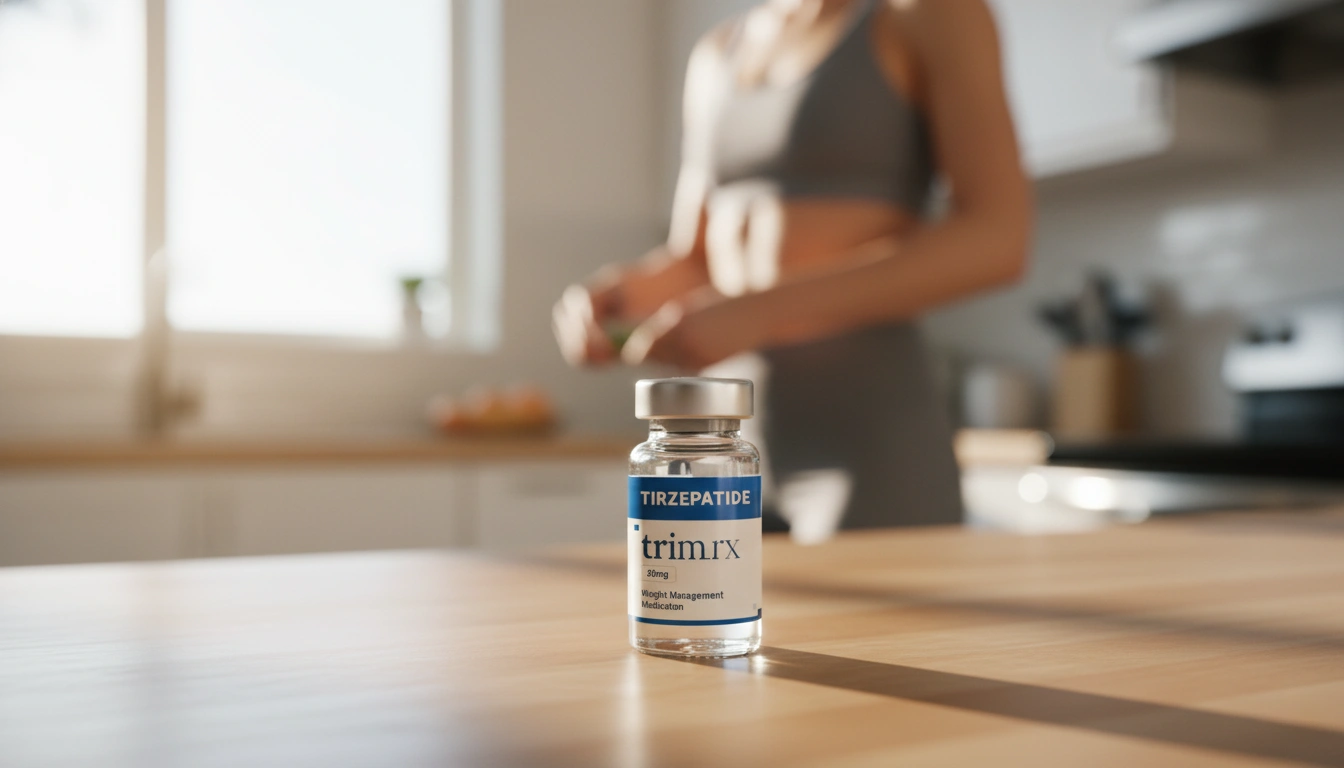
Women with polycystic ovary syndrome have long struggled with weight loss that feels disproportionately difficult compared to what the numbers on paper suggest it should be. That’s not a motivation problem. It’s a metabolic one. Tirzepatide’s dual mechanism addresses several of the underlying drivers of PCOS-related weight resistance in ways that make it a particularly interesting option for this population. Here’s what the current evidence shows.
Why PCOS Makes Weight Loss So Hard
Polycystic ovary syndrome is one of the most common hormonal conditions affecting women of reproductive age, estimated to affect 8 to 13% of women globally. Its hallmarks include irregular or absent menstrual cycles, elevated androgens (male hormones), and the presence of multiple small follicles on the ovaries. But its metabolic dimensions are just as significant as its reproductive ones.
Insulin resistance is present in approximately 70% of women with PCOS, regardless of body weight. When cells don’t respond normally to insulin, the pancreas compensates by producing more of it. Elevated insulin levels then stimulate the ovaries to produce excess androgens, which disrupts ovulation and worsens hormonal imbalance. This creates a self-reinforcing cycle where metabolic dysfunction and hormonal dysfunction feed each other.
Weight gain is both a consequence and a driver of this cycle. Excess adipose tissue worsens insulin resistance, which worsens androgen excess, which makes weight loss harder. Many women with PCOS find that standard caloric restriction produces far less weight loss than expected, partly because of this underlying insulin dysregulation and partly because of other hormonal factors affecting appetite, fat storage, and energy expenditure.
This is exactly the metabolic terrain where tirzepatide’s mechanism becomes relevant.
How Tirzepatide’s Dual Action Targets PCOS Pathophysiology
Tirzepatide activates both GLP-1 and GIP receptors simultaneously, and this combination addresses PCOS-related metabolic dysfunction through several complementary pathways.
GLP-1 receptor agonism improves insulin sensitivity, reduces postprandial glucose spikes, slows gastric emptying to reduce appetite, and promotes satiety through central nervous system pathways. For women with PCOS whose insulin resistance is driving much of their hormonal disruption, this improvement in insulin signaling may do more than just support weight loss. By lowering chronically elevated insulin levels, it may reduce the ovarian androgen stimulation that perpetuates the hormonal imbalance underlying PCOS itself.
GIP receptor activation adds metabolic benefits that pure GLP-1 agonists don’t provide to the same degree. GIP plays a role in fat tissue metabolism and adiponectin regulation, and its activation alongside GLP-1 may contribute to the greater degree of weight loss tirzepatide achieves compared to semaglutide in head-to-head comparisons. For women with PCOS who have struggled to lose weight on other interventions including earlier GLP-1 medications, this additional efficacy could be clinically meaningful.
The connection between PCOS and tirzepatide has emerged as a distinct clinical question from the broader GLP-1 and PCOS literature, precisely because tirzepatide’s dual mechanism may address the insulin-androgen axis more effectively than GLP-1 alone.
What the Research Shows So Far
Direct randomized controlled trial data on tirzepatide specifically in women with PCOS is still limited, largely because the major SURMOUNT trials enrolled broad obesity populations rather than PCOS-specific cohorts. However, several lines of evidence support its potential in this population.
First, the SURMOUNT-1 trial enrolled a substantial proportion of women, many of whom had metabolic profiles consistent with insulin resistance. The weight loss outcomes across the female subgroup were robust, with participants at the highest tirzepatide dose (15 mg) achieving mean weight loss exceeding 20% of body weight over 72 weeks. For women with PCOS whose weight loss has stalled on other approaches, that magnitude of effect is significant.
Second, smaller observational studies and case series have documented improvements in menstrual regularity, androgen levels, and ovulatory function in women with PCOS using GLP-1 medications including tirzepatide. These findings are preliminary but biologically plausible given the insulin-androgen connection described above.
Third, the broader evidence base for GLP-1 medications in PCOS, including research on semaglutide and earlier agents, consistently shows improvements in insulin sensitivity, testosterone levels, and menstrual cycle regularity alongside weight loss. Given tirzepatide’s superior weight loss and insulin sensitization profile, it’s reasonable to expect at least comparable and potentially superior hormonal benefits.
Understanding GLP-1 for PCOS more broadly provides useful context for where tirzepatide fits within the range of available options for this condition.
Hormonal and Reproductive Implications
For women with PCOS who are not trying to conceive, the potential for improved menstrual regularity and reduced androgen excess represents a meaningful quality-of-life benefit beyond weight loss. Symptoms like hirsutism, acne, and irregular cycles that are driven by elevated androgens may improve as insulin levels normalize and weight decreases.
For women with PCOS who are trying to conceive, the picture is more complex. Weight loss and improved insulin sensitivity can restore ovulatory function, which may improve natural fertility. However, improved fertility while on tirzepatide creates an important safety consideration. Tirzepatide is not recommended during pregnancy, and women using it who could become pregnant should use effective contraception. If pregnancy is planned, tirzepatide should be discontinued in advance, with timing discussed with a provider.
This intersects with broader considerations around GLP-1 medications and fertility that women with PCOS planning pregnancy need to understand before starting treatment.
It’s also worth noting that oral contraceptives, commonly prescribed for PCOS symptom management, may have their absorption affected by GLP-1-related changes in gastric emptying. Women taking oral contraceptives alongside tirzepatide should discuss this with their provider, since the interaction is relevant to both contraceptive efficacy and hormonal management.
What Results Look Like in Practice
Consider this scenario: a 31-year-old woman with PCOS, a BMI of 34, and irregular menstrual cycles has tried metformin and caloric restriction with modest results over several years. She starts tirzepatide at 2.5 mg and titrates over six months to 10 mg. Over twelve months, she loses approximately 17% of her body weight. Her fasting insulin levels drop significantly, her testosterone normalizes into the reference range, and her menstrual cycles become regular for the first time in years. Her provider also notes improvement in her lipid panel and blood pressure.
That trajectory is consistent with what the mechanistic and clinical evidence would predict, though individual results vary based on baseline insulin resistance severity, adherence, dietary habits, and other factors.
PCOS Doesn’t Disappear With Weight Loss
It’s worth being clear that tirzepatide is not a cure for PCOS. The underlying genetic predisposition to insulin resistance and androgen excess remains. For many women, symptoms may return if significant weight is regained after stopping treatment. This is one reason the long-term use considerations relevant to how long can you take semaglutide and tirzepatide are particularly relevant for women with PCOS, whose condition is chronic by nature.
Metformin Remains a Common Combination
Many women with PCOS are already taking metformin when they start a GLP-1 medication. The two are generally used together safely, and their mechanisms are complementary. Metformin primarily reduces hepatic glucose production, while tirzepatide addresses multiple additional metabolic pathways. Your provider can advise on whether continuing metformin alongside tirzepatide makes sense for your specific situation.
Exploring Treatment Options
If you have PCOS and have struggled with weight loss despite consistent effort, tirzepatide may offer a mechanism that addresses what’s actually driving your resistance. TrimRx connects you with licensed providers who can review your hormonal history, metabolic profile, and treatment goals. Explore compounded tirzepatide as an option or start your assessment to see whether you’re a candidate.
This information is for educational purposes and is not medical advice. Consult with a healthcare provider before starting any medication. Individual results may vary.

Transforming Lives, One Step at a Time
Keep reading

Starting Tirzepatide While on the Pill: The First Four Weeks
You have your first box and you take an oral contraceptive. There is a labeled instruction that applies to you, and the mistake almost…

Marathon Training on Tirzepatide When You Can’t Fuel
You have a plan on the fridge and a medication that has made eating feel optional. Those two things are in genuine conflict, and…

Paying Cash for Tirzepatide? Don’t Stretch Your Supply
When every vial comes out of your own pocket, the arithmetic is hard to ignore. If a month’s supply costs what it costs, and…


