Tirzepatide and Thyroid Medication: What Patients Need to Know
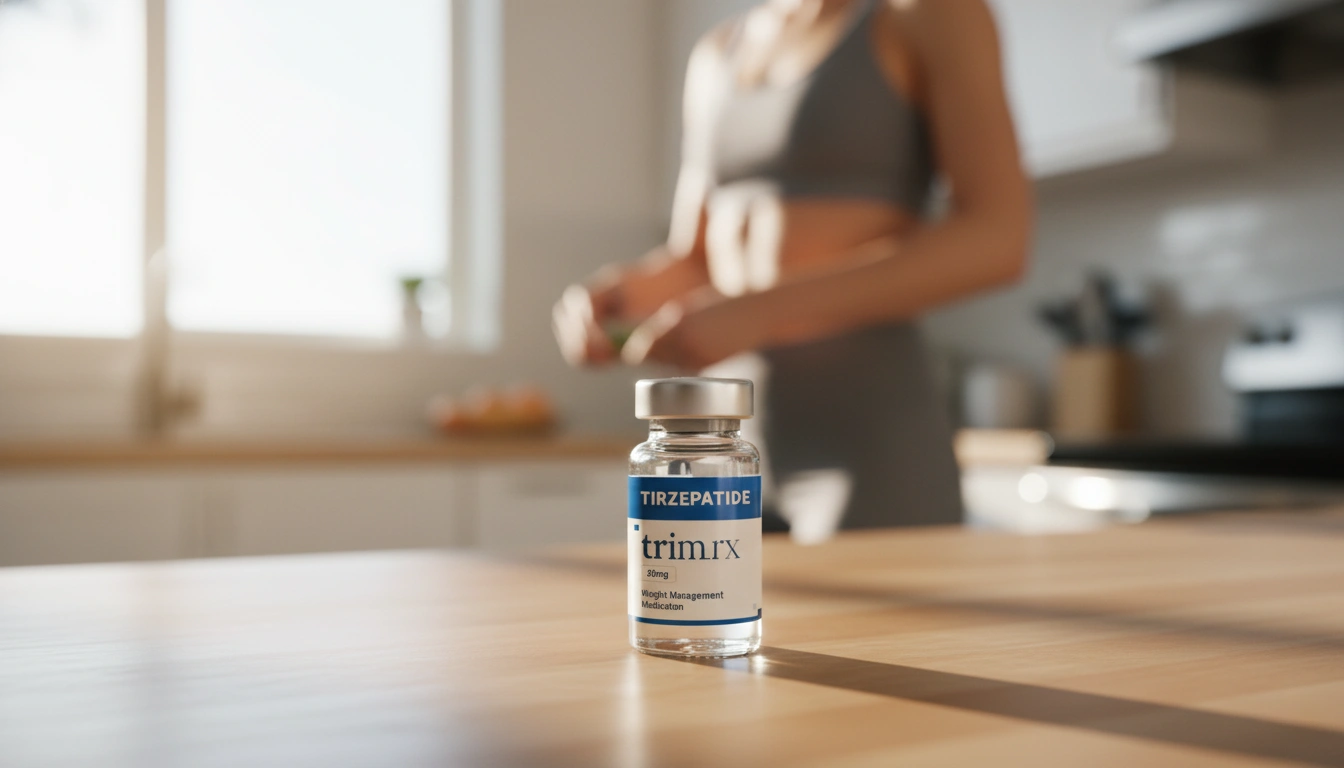
Thyroid conditions and weight struggles frequently go hand in hand. It’s not uncommon for someone managing hypothyroidism with levothyroxine or another thyroid medication to also be exploring GLP-1 treatment for weight loss. If that’s your situation, the question of how tirzepatide and thyroid medications interact is one worth understanding clearly before you start.
The answer involves two separate threads: a practical one about how weight loss affects thyroid hormone needs, and a more specific one about a thyroid-related safety signal in tirzepatide’s prescribing information that patients often encounter and want to understand.
How Each Medication Works
Tirzepatide (Mounjaro for diabetes, Zepbound for weight management) is a dual GIP and GLP-1 receptor agonist injected once weekly. It reduces appetite, slows gastric emptying, improves insulin sensitivity, and produces substantial weight loss in most patients. Its effects build gradually as the dose escalates over several months.
Thyroid medications, most commonly levothyroxine (Synthroid, Levoxyl, or generic equivalents), replace or supplement thyroid hormone that the body isn’t producing adequately. Thyroid hormone regulates metabolism, energy, heart rate, and numerous other physiological processes. Getting the dose right is something providers calibrate carefully using TSH blood tests, and it often needs adjustment over time as a patient’s health status changes.
The Thyroid Cancer Warning in Tirzepatide’s Label
Patients reading the prescribing information for Mounjaro or Zepbound will encounter a boxed warning about thyroid C-cell tumors. This is the same warning that appears on semaglutide products like Ozempic and Wegovy, and it stems from animal studies in which high doses of GLP-1 receptor agonists caused thyroid C-cell tumors in rodents.
The critical context here is that this finding has not been replicated in humans. Rodent thyroid tissue responds to GLP-1 receptor stimulation differently than human thyroid tissue does, and large human clinical trials have not shown an increased rate of medullary thyroid carcinoma or C-cell hyperplasia in patients taking these medications.
That said, tirzepatide is formally contraindicated in patients with a personal or family history of medullary thyroid carcinoma (MTC) or in patients with Multiple Endocrine Neoplasia syndrome type 2 (MEN 2). These are specific, relatively rare conditions. Having hypothyroidism, Hashimoto’s thyroiditis, or taking levothyroxine does not fall into this contraindication. Those conditions involve entirely different thyroid cell types and mechanisms.
If you have a history of MTC or MEN 2, this medication is not appropriate for you, and your provider will make that determination during the intake process. For the vast majority of patients on thyroid replacement therapy, this warning is not a reason to avoid tirzepatide.
Does Tirzepatide Interact Directly With Levothyroxine?
There is no established direct pharmacokinetic interaction between tirzepatide and levothyroxine. They don’t compete for the same enzymes, and tirzepatide doesn’t alter how levothyroxine is metabolized in a clinically meaningful way.
Where an indirect but important interaction does exist is in how tirzepatide affects the absorption of oral medications. Tirzepatide slows gastric emptying, meaning food and medications spend more time in the stomach before moving into the small intestine where absorption occurs. Levothyroxine is particularly sensitive to absorption timing and conditions. It’s typically taken on an empty stomach, 30 to 60 minutes before food, for precisely this reason.
The concern is that slowed gastric emptying from tirzepatide could affect how consistently levothyroxine is absorbed, potentially leading to fluctuations in thyroid hormone levels that aren’t related to your actual thyroid status but rather to absorption variability.
This doesn’t mean you can’t take both medications. It does mean that your levothyroxine TSH levels may need closer monitoring after starting tirzepatide, particularly in the first several months, to make sure your levels remain stable.
How Weight Loss Affects Thyroid Hormone Needs
This is the practical consideration that often gets overlooked in conversations about this combination. Thyroid hormone requirements are partly determined by body weight and metabolic rate. As body weight decreases, some patients find that their levothyroxine dose needs adjustment.
Consider this scenario: a patient with well-controlled hypothyroidism starts tirzepatide and loses 25 pounds over six months. Their previously stable TSH begins to drift out of range, not because their thyroid condition has worsened or improved, but because their body’s hormone requirements have shifted with their weight. Their provider adjusts the levothyroxine dose and things stabilize again.
This kind of recalibration is normal and manageable. The key is making sure your thyroid function is being monitored during active weight loss rather than assuming your previous dose will remain appropriate indefinitely. Most providers managing hypothyroidism will check TSH periodically anyway, but it’s worth flagging that you’re on tirzepatide and actively losing weight so they can time those checks appropriately.
What About Hyperthyroidism or Other Thyroid Conditions?
Patients on medications for hyperthyroidism, such as methimazole or propylthiouracil, face a similar monitoring situation. Weight changes can affect how these medications need to be dosed, and the absorption considerations around slowed gastric emptying apply here as well.
For patients with Hashimoto’s thyroiditis who are on levothyroxine, the combination with tirzepatide is generally approached the same way as for other hypothyroid patients. Hashimoto’s involves the immune system attacking thyroid tissue, and while GLP-1 medications have shown some anti-inflammatory effects in research settings, there isn’t currently enough evidence to predict meaningful changes in Hashimoto’s disease activity from tirzepatide use. Monitoring remains the appropriate approach rather than expecting a specific disease-modifying effect.
Timing and Administration Considerations
Given that levothyroxine absorption is sensitive to timing and gastric conditions, a few practical points are worth keeping in mind. Continue taking levothyroxine on an empty stomach as directed, ideally at a consistent time each day. Don’t take it immediately before or after your tirzepatide injection, though since tirzepatide is weekly and levothyroxine is daily, this is unlikely to be a recurring issue.
If you notice symptoms of thyroid imbalance after starting tirzepatide, including unusual fatigue, changes in heart rate, temperature sensitivity, or changes in weight trajectory that seem inconsistent with your treatment, bring these to your provider’s attention. These symptoms can overlap with common tirzepatide side effects, which makes it worthwhile to check TSH rather than assume one or the other is the cause.
The article on Ozempic and Synthroid covers the same absorption and monitoring considerations for semaglutide patients and is useful parallel reading. For broader context on how hypothyroidism intersects with GLP-1 treatment, the piece on hypothyroidism and weight loss GLP-1 options addresses the condition-specific considerations in more detail.
If you’re managing a thyroid condition and want to explore whether tirzepatide is appropriate for your situation, the tirzepatide product page outlines how TrimRx handles the clinical intake process, including a review of your existing medications and health history.
The Bottom Line
Tirzepatide and thyroid medications can be used together in most patients, but the combination warrants thoughtful monitoring rather than a set-it-and-forget-it approach. The boxed warning about thyroid C-cell tumors applies to a specific and rare subset of patients, not to the general population managing common thyroid conditions. The more relevant considerations are absorption variability with levothyroxine and the likelihood that your thyroid hormone needs will shift as your weight changes.
Start your assessment with TrimRx and include your thyroid medications and history in the intake conversation so the clinical team can evaluate your situation fully.
This information is for educational purposes and is not medical advice. Consult with a healthcare provider before starting any medication or making changes to your current regimen. Individual results may vary.

Transforming Lives, One Step at a Time
Keep reading

How Long Does a FRIO Pouch Keep Tirzepatide Cold?
Around 45 hours per soak, and it can be kept active for weeks by re-soaking every couple of days. That is the headline figure…

What Happens If Your Telehealth Provider Stops Offering Tirzepatide?
Get a copy of your records before the account closes, then transfer to a provider who can continue you. The records step is the…

Why Are My Lips Always Dry on Tirzepatide?
Almost always because you are drinking less than you used to, and you have probably not noticed. Appetite suppression reduces how much you eat…


