Tirzepatide Results at 6 Months: Are You on Track
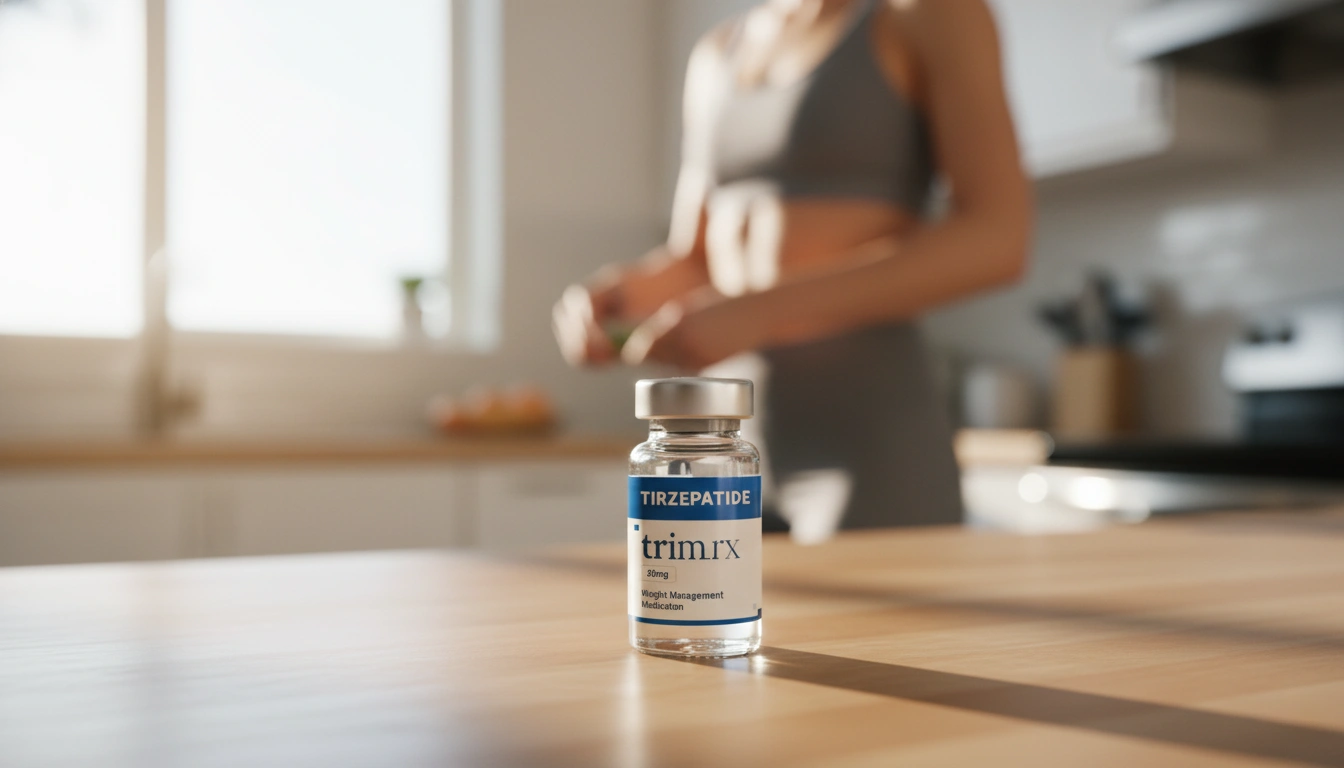
If you’re six months into tirzepatide treatment, you’re likely somewhere between encouraged and impatient. The good news: six months is where the data gets genuinely impressive. Clinical trials show patients on tirzepatide losing between 12% and 20% of their body weight by this point, depending on dose and individual response. If your progress feels slower than expected, there are specific reasons why, and most of them are fixable.
What the Research Shows at Six Months
Tirzepatide, sold under the brand names Mounjaro and Zepbound, works by activating both GLP-1 and GIP receptors. That dual mechanism is what separates it from semaglutide-only medications and drives the stronger average weight loss seen in clinical trials.
In the SURMOUNT-1 trial, participants on the 15mg dose lost an average of about 22% of their body weight over 72 weeks. At the halfway point of roughly six months, most of that progress was already well underway, with patients typically showing 12% to 18% reductions in body weight. Patients on lower doses, 5mg or 10mg, saw results in the 10% to 14% range at six months.
For context, someone starting at 240 pounds on a 10mg dose could realistically expect to be down 24 to 34 pounds by month six. That’s a meaningful range, and where you land within it depends on several factors we’ll get into below. For a week-by-week breakdown of how those results typically unfold, the tirzepatide results timeline covers the progression in detail.
What “On Track” Actually Means
One of the most common concerns patients bring up at six months is that their weight loss has slowed compared to the first few months. This is expected, not a warning sign.
The fastest rate of loss on tirzepatide typically happens between months two and four, once the dose has escalated to a therapeutic level and appetite suppression is fully established. By month five or six, the rate often moderates. The body has adjusted, and weekly losses may be smaller even though progress is continuing.
A reasonable benchmark for being “on track” at six months looks something like this:
- 5mg dose: 8% to 12% body weight lost
- 10mg dose: 12% to 16% body weight lost
- 15mg dose: 15% to 20% body weight lost
These aren’t hard cutoffs. Individual variation is real. But if you’re significantly below these ranges and have been consistent with injections, it’s worth examining a few variables.
What Affects Your Six-Month Results
Dose level matters more than almost anything else. Patients who escalate to 10mg or 15mg consistently outperform those who stay at lower doses. If side effects have kept you from escalating, that conversation with your provider deserves revisiting. GI symptoms that were disruptive in month one are often much more manageable with dose timing adjustments or dietary changes.
Protein intake directly affects body composition. Tirzepatide suppresses appetite broadly, which means some patients inadvertently under-eat protein. When that happens, the body can lose muscle alongside fat, which slows metabolism and affects how results look even when the scale is moving. Patients who hit 100 to 130 grams of protein daily tend to see better body composition outcomes at six months.
Consistency with injections. Missing doses or varying your injection day disrupts the medication’s steady-state concentration. Even occasional lapses can reduce efficacy. Weekly dosing on the same day, give or take 24 hours, keeps the medication working as designed.
Movement. You don’t need a structured gym program. But patients who add 150 or more minutes of moderate activity per week, whether that’s walking, swimming, or cycling, see measurably better results than those who rely on the medication alone.
A Realistic Six-Month Scenario
Let’s say a patient starts tirzepatide at 260 pounds. They begin at 2.5mg, tolerate it well, and escalate on schedule every four weeks. By month four they’re at 10mg. By month six, they’re down 36 pounds, sitting at 224. Their clothes fit differently, their energy is better, and they’ve started a walking routine that’s become a genuine habit.
Now consider another patient who started at the same weight but struggled with nausea between months two and three. They paused escalation at 5mg for six weeks before their provider helped them adjust their injection timing to reduce GI symptoms. By month six, they’re down 22 pounds, which feels slower but is still clinically significant. Both outcomes are real. The difference is largely dose and timing, not the medication failing.
When to Have a Conversation With Your Provider
If you’re at six months and your results feel genuinely stuck, not just slower but flat for multiple weeks, a few things are worth checking. Has your eating pattern shifted? Stress and sleep disruption both affect cortisol and can blunt weight loss even when appetite suppression is working. Has your activity level changed?
If those factors look solid and you’re still not moving, a dose adjustment or a review of other medications that might be interfering could help. You can also look through the common reasons tirzepatide stops working for some patients and what providers typically recommend.
What Comes After Month Six
Six months is not the endpoint for most tirzepatide patients. The SURMOUNT data shows continued loss through 72 weeks, with the largest total reductions happening in patients who stay on therapeutic doses long-term. Many patients transition into a maintenance phase around months nine to twelve, where the goal shifts from active loss to preserving results at a stable dose.
If you’re approaching six months and thinking about what long-term use looks like, or wondering how to keep results after eventually stopping, those are the right questions to be asking now. The Zepbound 3 month results article offers useful context for the earlier trajectory, and tirzepatide weight loss results covers the full research picture.
Six months in, you have real data about how your body responds to this medication. That’s valuable. If you haven’t started yet and want to find out whether tirzepatide is a fit for your situation, start with the intake assessment to connect with a provider who can walk you through your options.
This information is for educational purposes and is not medical advice. Consult with a healthcare provider before starting any medication. Individual results may vary.

Transforming Lives, One Step at a Time
Keep reading

Intermittent Fasting on Tirzepatide: Does It Help or Hurt?
Tirzepatide is already one of the most effective weight loss medications available, producing average losses of 15 to 20 percent of body weight in…

How Long to Lose 30 Pounds on Semaglutide or Tirzepatide
Losing 30 pounds on semaglutide or tirzepatide typically takes four to eight months for most patients, depending on starting weight, dose reached, and consistency….

How Fast Does Tirzepatide Work: Early Signs and Signals
Tirzepatide starts working within the first day or two of your initial injection, but the effects most people are looking for, genuine appetite suppression…


