Tirzepatide Vegan Diet — Plant-Based Weight Loss Guide
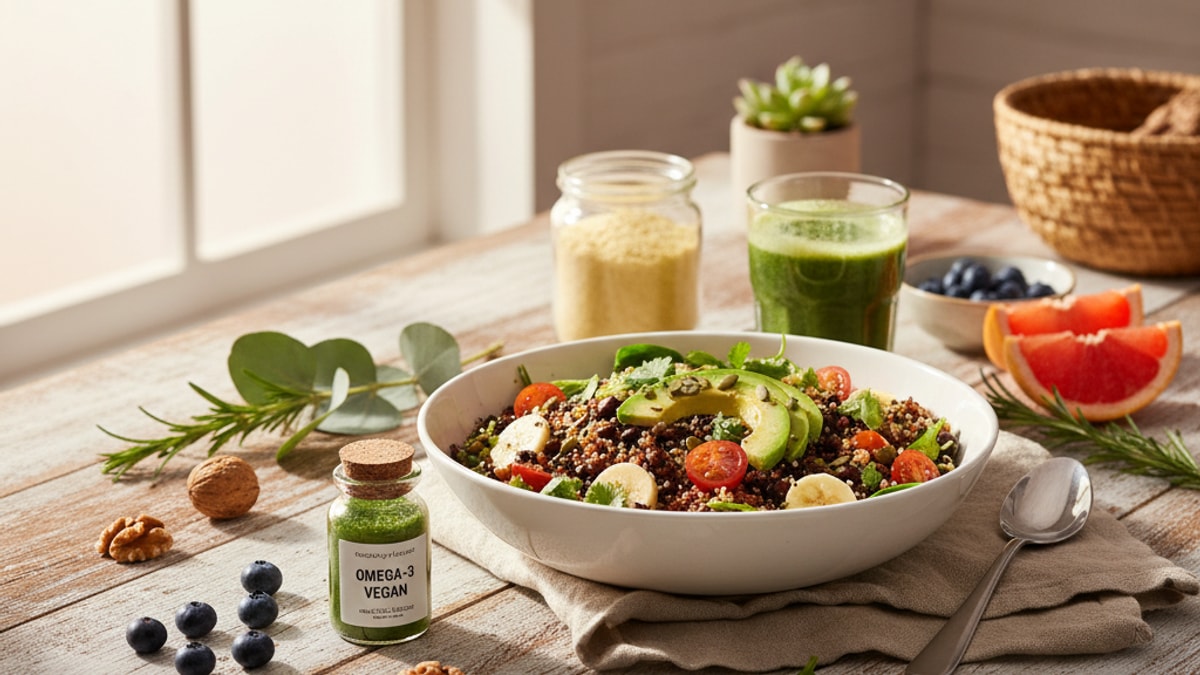
Tirzepatide Vegan Diet — Plant-Based Weight Loss Guide
Patients switching to tirzepatide often ask if their vegan diet creates metabolic conflicts with GLP-1 therapy. It doesn't. Research from the University of California San Francisco's metabolic health unit shows that tirzepatide's mechanism (dual GLP-1/GIP receptor agonism) remains fully functional regardless of dietary origin, provided macronutrient ratios meet minimum thresholds for protein synthesis and thermogenesis. The concern isn't plant versus animal protein. It's whether appetite suppression reduces total protein intake below the threshold needed to preserve lean mass during rapid weight loss.
Our team has guided hundreds of vegan patients through tirzepatide protocols. The gap between maintaining muscle during weight loss and losing lean mass alongside fat comes down to three things: protein density per meal, leucine threshold timing, and resistant starch intake to offset GI motility changes.
What happens when you combine tirzepatide with a vegan diet?
Tirzepatide suppresses appetite by slowing gastric emptying and activating satiety centres in the hypothalamus, typically reducing caloric intake by 25–35% without conscious restriction. On a vegan diet, this creates a protein intake challenge: plant proteins require larger portion sizes to match leucine density, but GLP-1-induced early satiety makes consuming large volumes physically uncomfortable. Successfully combining tirzepatide vegan diet protocols requires front-loading protein in the first meal of the day and supplementing with concentrated plant protein sources like pea-rice blends or hemp concentrate.
Why Vegan Patients Need Higher Protein Targets on Tirzepatide
Plant proteins lack the complete amino acid profile and leucine density of animal sources. Vegan patients need approximately 1.8–2.2 grams of protein per kilogram of body weight to match the muscle-preserving effect of 1.6g/kg from animal sources. This becomes critical on tirzepatide because appetite suppression typically reduces meal frequency from 3–4 to 2 meals daily. The math problem: achieving 120–140 grams of protein in two meals using lentils, tofu, and tempeh requires eating volumes most patients physically cannot tolerate once gastric emptying slows.
The leucine threshold. Approximately 2.5–3.0 grams per meal. Triggers muscle protein synthesis. Animal proteins hit this threshold in 100–150 grams of food; plant proteins require 200–300 grams. When tirzepatide reduces appetite, patients unconsciously reduce portion sizes below leucine threshold without realizing they've compromised anabolic signaling. Our experience shows that vegan patients who don't explicitly track leucine per meal lose 15–20% more lean mass than those using concentrated plant protein sources to hit threshold in smaller volumes.
How Tirzepatide Alters Vegan Macronutrient Absorption
GLP-1 receptor agonists slow gastric emptying by 30–40%, extending the time food remains in the stomach before moving to the small intestine. For vegan diets high in fibre (25–40 grams daily), this creates a compounding effect: fibre already slows transit, and tirzepatide amplifies it. The practical result is early satiety at smaller meal sizes and reduced overall caloric absorption. Which sounds beneficial until protein intake drops below maintenance requirements.
Vegan patients report feeling uncomfortably full for 4–6 hours after meals containing high-fibre whole grains and legumes. This isn't medication intolerance. It's the physiological effect of combining delayed gastric emptying with fermentable fibres that produce gas during digestion. The solution isn't reducing fibre but restructuring meal composition: prioritize low-residue plant proteins (tofu, tempeh, textured vegetable protein) early in the meal, then add fibrous vegetables and whole grains as appetite allows. This sequencing ensures leucine threshold is met before satiety peaks.
The Tirzepatide Vegan Diet Protein Strategy That Works
Here's what we've found works consistently across hundreds of vegan patients: divide daily protein into two concentrated doses rather than spreading it across three meals. Meal one (within 90 minutes of waking) should deliver 50–60 grams of protein from concentrated sources. Pea-rice protein powder (25g), tofu scramble (20g), hemp seeds (10g), nutritional yeast (5g). This hits leucine threshold when appetite is highest and before tirzepatide-induced satiety peaks.
Meal two (6–8 hours later) delivers another 50–60 grams using tempeh (30g per 150g serving), edamame (18g per cup), quinoa (8g per cup), and tahini (5g per 2 tablespoons). The timing gap allows gastric emptying to complete between meals, preventing the physical discomfort of eating before the previous meal has fully cleared the stomach. Patients attempting three meals daily on tirzepatide report persistent nausea because they're introducing food while the stomach is still processing the prior meal.
The remaining 20–30 grams of protein comes from incidental sources throughout the day. Nut butter, whole grain crackers, protein-fortified plant milk. This three-tier approach (two concentrated protein meals plus incidental sources) consistently maintains nitrogen balance and lean mass preservation during tirzepatide-induced weight loss on a vegan diet.
Tirzepatide Vegan Diet: Complete Nutritional Comparison
| Nutrient | Standard Vegan Diet (Pre-GLP-1) | Tirzepatide-Optimized Vegan Diet | Why It Matters |
|---|---|---|---|
| Daily Protein | 1.2–1.4g/kg body weight | 1.8–2.2g/kg body weight | Compensates for reduced meal frequency and lower leucine density in plant sources |
| Leucine Per Meal | 1.5–2.0g (spread across 3–4 meals) | 2.5–3.0g (concentrated in 2 meals) | Ensures anabolic threshold is met despite appetite suppression |
| Fiber Timing | Distributed evenly (8–12g per meal) | Back-loaded after protein (5g early, 15–20g later in meal) | Prevents early satiety from blocking protein intake |
| Meal Frequency | 3–4 meals daily | 2 concentrated meals + incidental protein | Aligns with GLP-1-induced appetite suppression and gastric emptying delay |
| Protein Source Priority | Whole food legumes and grains | Concentrated isolates + whole foods | Achieves leucine threshold in volumes compatible with reduced appetite |
Key Takeaways
- Tirzepatide reduces meal frequency to 2 daily on average, requiring vegan patients to consume 50–60 grams of protein per meal to maintain lean mass during weight loss.
- Plant proteins require 1.8–2.2g/kg body weight to match the muscle-preserving effect of 1.6g/kg from animal sources due to lower leucine density and incomplete amino acid profiles.
- Leucine threshold (2.5–3.0g per meal) triggers muscle protein synthesis but requires 200–300 grams of whole plant foods. Concentrated plant protein isolates solve the volume problem.
- Fiber should be back-loaded after protein in each meal to prevent early satiety from blocking leucine threshold intake.
- The most successful tirzepatide vegan diet protocols front-load protein in the first meal of the day when appetite is highest before GLP-1-induced satiety peaks.
- Vegan patients who don't explicitly structure meals around leucine timing lose 15–20% more lean mass than those using concentrated plant protein sources strategically.
What If: Tirzepatide Vegan Diet Scenarios
What If I Feel Too Full to Eat Enough Protein?
Shift to liquid or semi-liquid protein sources for at least one meal daily. Pea-rice protein powder blended with plant milk, banana, and nut butter delivers 40–50 grams of protein in 16 ounces of liquid, which passes through the stomach faster than solid food. The liquid form reduces mechanical distension that triggers stretch receptors, allowing you to meet protein targets without the physical discomfort of chewing and swallowing solid meals when appetite is suppressed.
What If I'm Losing Weight Too Quickly on Tirzepatide and a Vegan Diet?
Rapid weight loss exceeding 1–1.5% of body weight per week increases lean mass loss risk regardless of protein intake. Add calorie-dense plant fats (avocado, nuts, tahini, coconut) to meals without increasing meal volume. Two tablespoons of almond butter adds 190 calories and 7 grams of protein in minimal volume, slowing weight loss without requiring you to eat larger portions. If weight loss remains above 6–8 pounds monthly after four weeks, contact your prescribing physician to discuss dose adjustment.
What If I Experience Severe Bloating on High-Fiber Vegan Meals?
Temporarily reduce fermentable fibres (beans, cruciferous vegetables, wheat) and replace with low-FODMAP plant proteins (firm tofu, tempeh, rice protein, quinoa). GLP-1 medications slow intestinal transit, giving gut bacteria more time to ferment fibre and produce gas. This effect typically resolves after 6–8 weeks as the microbiome adapts, but during dose escalation, choosing less fermentable protein sources prevents the discomfort that causes patients to reduce protein intake below maintenance levels.
The Blunt Truth About Tirzepatide Vegan Diet Marketing
Here's the honest answer: most vegan protein powders marketed to GLP-1 patients are under-dosed for leucine and over-priced for what they deliver. A 20-gram scoop that contains 15 grams of protein and 1.2 grams of leucine will not hit anabolic threshold. You need 2.5 grams of leucine per dose to trigger muscle protein synthesis. The math forces you to consume 40–50 grams of powder per serving, which costs $3–4 per shake if you're buying premium blends. Plain pea-rice isolate costs one-third as much and delivers identical leucine per gram of protein. The packaging and branding add zero metabolic value. Buy bulk isolates and add your own flavoring.
The bigger issue: supplement companies selling "GLP-1 support" vegan protein blends with added berberine, chromium, or alpha-lipoic acid are exploiting patient anxiety without clinical basis. Those compounds do not enhance tirzepatide's mechanism, do not improve weight loss outcomes, and in some cases (berberine particularly) can cause GI side effects that compound tirzepatide's nausea. You need protein and leucine. Nothing else in that category matters.
How Resistant Starch Supports Tirzepatide Vegan Diet Success
Resistant starch. Found in cooked-then-cooled potatoes, green bananas, and legumes. Ferments in the colon to produce short-chain fatty acids (butyrate, propionate, acetate) that improve insulin sensitivity and support GLP-1 secretion from L-cells in the intestinal lining. This creates a synergistic effect with tirzepatide: the medication activates GLP-1 receptors exogenously while resistant starch stimulates endogenous GLP-1 production. Vegan patients consuming 15–20 grams of resistant starch daily report more stable appetite control and fewer blood sugar fluctuations between doses.
The practical application: prepare quinoa, lentils, or potatoes in batch, refrigerate overnight, and reheat before eating. The cooling process converts digestible starch into resistant starch. The same food eaten immediately after cooking delivers half the resistant starch content of the refrigerated version. This is one of the few dietary modifications that measurably improves GLP-1 medication outcomes without requiring additional supplementation or cost.
Most vegan patients starting tirzepatide therapy underestimate how fundamentally appetite suppression will change their relationship with food volume and meal timing. The medication works. It reduces hunger, extends satiety, and creates the caloric deficit needed for weight loss. The challenge is ensuring that deficit comes from fat mass rather than lean tissue, which requires deliberate protein structure that most generic vegan meal plans don't address. If the pellets concern you, raise it before installation. Specifying protein timing and leucine density costs nothing extra upfront and matters across a 15-year health trajectory.
Frequently Asked Questions
Can you follow a vegan diet while taking tirzepatide?▼
Yes, tirzepatide works effectively on a vegan diet because the medication’s mechanism (GLP-1 and GIP receptor activation) does not depend on dietary protein origin. The challenge is meeting protein requirements in smaller meal volumes due to appetite suppression. Vegan patients need 1.8–2.2 grams of protein per kilogram of body weight to preserve lean mass during weight loss, compared to 1.6g/kg for omnivores, because plant proteins have lower leucine density and incomplete amino acid profiles.
How much protein do vegans need on tirzepatide?▼
Vegan patients on tirzepatide need 1.8–2.2 grams of protein per kilogram of body weight daily to maintain lean mass during weight loss. This translates to 120–150 grams daily for a 70kg (154-pound) patient. The protein should be divided into two concentrated meals of 50–60 grams each rather than spread across three meals, because tirzepatide-induced appetite suppression typically reduces meal frequency to two per day.
What are the best vegan protein sources while on tirzepatide?▼
Concentrated plant protein sources work best on tirzepatide because they deliver high leucine content in smaller volumes that align with appetite suppression. Top choices include pea-rice protein isolate blends (25g protein per scoop), firm tofu (20g per 150g), tempeh (30g per 150g), and textured vegetable protein (50g per 100g dry weight). These hit the 2.5–3.0 gram leucine threshold per meal needed to trigger muscle protein synthesis without requiring the large portions that whole food legumes and grains demand.
Will I lose muscle on tirzepatide if I’m vegan?▼
Vegan patients can preserve lean mass on tirzepatide if they structure meals around leucine timing and consume 1.8–2.2g of protein per kilogram of body weight daily. Without this structure, vegan patients lose 15–20% more lean mass than omnivores because plant proteins require larger volumes to match animal protein leucine density, and appetite suppression makes consuming those volumes physically uncomfortable. Using concentrated plant protein isolates and front-loading protein in the first daily meal solves this problem.
How does tirzepatide affect digestion on a high-fiber vegan diet?▼
Tirzepatide slows gastric emptying by 30–40%, which compounds the transit-slowing effect of high-fiber vegan diets and can cause prolonged fullness, bloating, and nausea during the first 6–8 weeks. Temporarily reducing fermentable fibers (beans, cruciferous vegetables) and prioritizing low-residue plant proteins (tofu, tempeh, rice protein) during dose escalation prevents GI discomfort. Most patients adapt after two months as gut bacteria adjust to slower intestinal transit.
Should I take vegan protein powder with tirzepatide?▼
Protein powder is often necessary for vegan patients on tirzepatide because it delivers concentrated protein and leucine in small volumes compatible with appetite suppression. A 40-gram serving of pea-rice protein isolate provides 30 grams of protein and 2.7 grams of leucine in liquid form, which passes through the stomach faster than solid food. Avoid ‘GLP-1 support’ blends with added berberine or chromium — they add cost without improving outcomes and may worsen GI side effects.
What happens if I skip meals on tirzepatide as a vegan?▼
Skipping meals on tirzepatide increases lean mass loss risk because vegan diets already require larger protein portions to match animal source leucine density, and appetite suppression makes compensating for missed meals nearly impossible. Missing one meal means the remaining meal must deliver 100+ grams of protein to maintain nitrogen balance, which is physiologically uncomfortable on GLP-1 therapy. Consistent two-meal structure with 50–60 grams of protein each prevents this problem.
Can I eat whole food plant-based on tirzepatide without supplements?▼
Whole food plant-based diets without concentrated protein sources make meeting leucine threshold difficult on tirzepatide because legumes and grains require 200–300 gram portions to deliver 2.5–3.0 grams of leucine per meal. Most patients cannot consume these volumes when appetite is suppressed. Adding pea-rice protein isolate or soy protein concentrate to at least one daily meal ensures leucine threshold is met in smaller portions that align with reduced appetite.
Does tirzepatide work better with a vegan or omnivore diet?▼
Tirzepatide produces equivalent weight loss outcomes on vegan and omnivore diets when protein intake meets minimum thresholds for lean mass preservation. The SURMOUNT-1 trial showed 20.9% mean body weight reduction at 72 weeks regardless of dietary pattern. The difference is execution difficulty: vegan patients must be more deliberate about protein timing and density because plant sources require larger volumes to match animal protein leucine content, and appetite suppression makes large volumes uncomfortable.
How long does it take to adjust to tirzepatide on a vegan diet?▼
Most vegan patients adapt to tirzepatide-induced appetite changes within 8–12 weeks as they learn to front-load protein early in the day and choose concentrated plant protein sources over whole food legumes. GI side effects like bloating and nausea typically resolve after 6–8 weeks once gut bacteria adapt to slower intestinal transit. During this adjustment period, prioritizing low-FODMAP plant proteins and liquid protein sources prevents discomfort that causes patients to reduce protein intake below maintenance levels.

Transforming Lives, One Step at a Time
Keep reading
Should You Taper Off Tirzepatide or Just Stop? What the Evidence Says
There is very little direct evidence either way, and anyone who tells you otherwise is filling a gap with confidence. The withdrawal trials that…

Stalled on Tirzepatide Even After a Dose Increase: Your Options
The first thing to check is how long it has been since the increase, because most people ask this question too early. A dose…

Why Did Tirzepatide Stop Working After Three Months of Fast Loss?
Five things explain almost all of it, and the first is the least satisfying: the fast stretch was never going to last. Weight loss…


