Type 2 Diabetes Medications and a New GLP-1: What to Tell Your Doctor
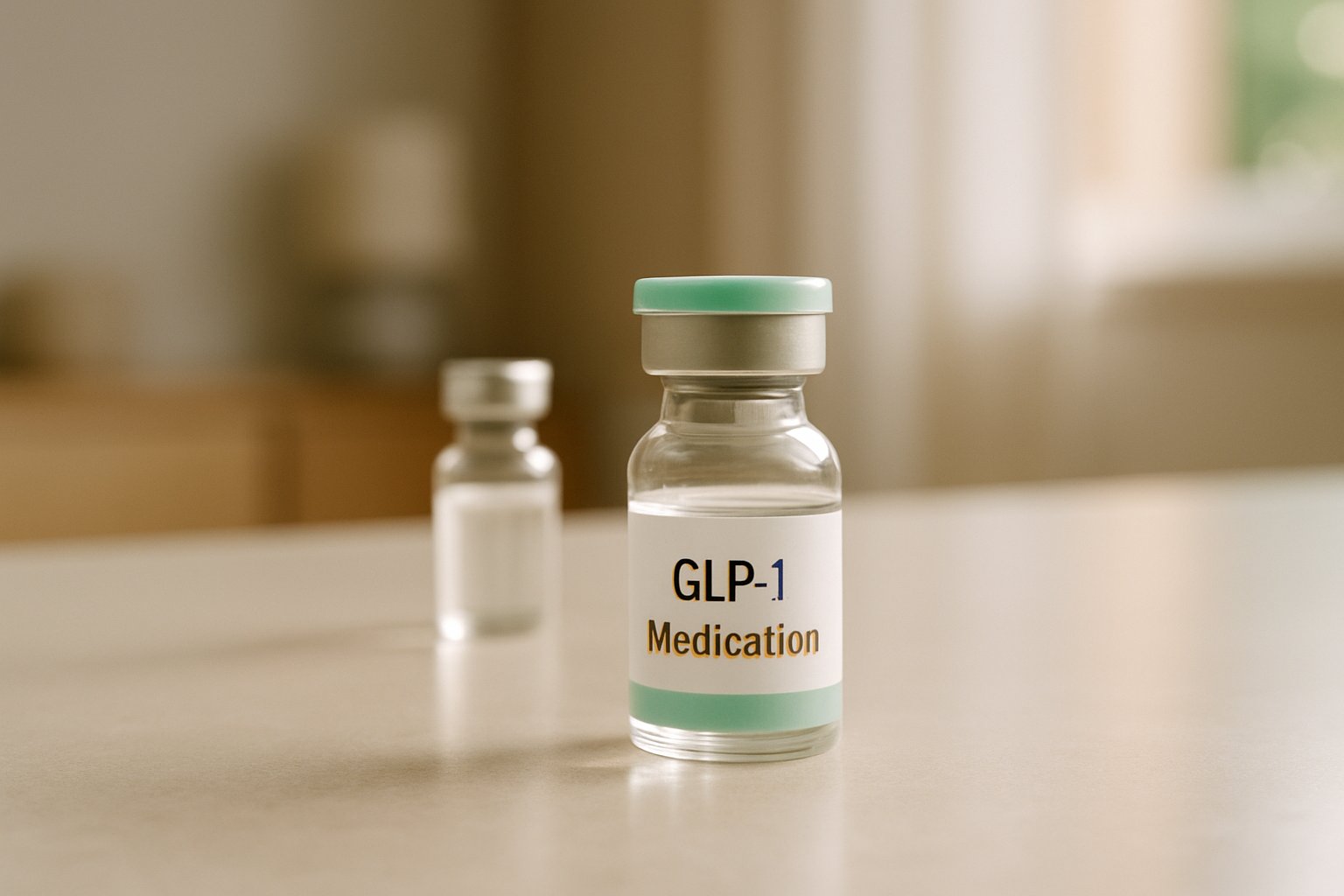
Tell whoever prescribed the GLP-1 exactly what diabetes medications you take, at what doses, before your first injection. That conversation needs to happen first, because some combinations raise the risk of low blood sugar and the doses of your existing medications often need reviewing. This article will not tell you what those adjustments are. Deciding that is your prescriber’s job and it depends on which medications you take, your recent readings, and your overall picture.
If a GLP-1 was prescribed for weight by someone who does not manage your diabetes, that gap is the thing to close today.
Why the combination matters
A GLP-1 lowers blood glucose. So do most diabetes medications. Stacking them can lower it further than intended.
The risk is not uniform across your medication list:
Insulin and sulfonylureas carry the clearest risk. These lower blood glucose regardless of what it currently is, so adding another glucose-lowering agent on top can produce hypoglycemia. Prescribing information for GLP-1 medications flags this, and dose reduction of insulin or sulfonylurea is a common part of starting one.
Metformin is generally continued and is not usually associated with hypoglycemia on its own.
Other classes vary. Some are typically continued, some are stopped because they overlap mechanistically with a GLP-1.
Which category yours falls into is a question for your prescriber, and the answer depends on your specific combination rather than on a general rule.
What to tell them, before the first dose
- Every diabetes medication you take, by name and dose
- Who prescribes each one
- Your most recent A1C and roughly when it was taken
- Whether you monitor your glucose at home, and what your readings have been running
- Whether you have ever had a low blood sugar episode, and what it felt like
- Whether you use a continuous glucose monitor
Point five matters more than people expect. Someone who has had hypoglycemia before generally recognizes it; someone who never has may not know what they are feeling.
Consider this scenario: a patient is prescribed a GLP-1 through a weight management service, mentions “I’m diabetic” on the intake form, and does not list their medications because the form did not obviously ask. Two weeks later they have their first low blood sugar episode at work and do not immediately recognize what is happening. Nothing about that was unusual or careless. The medication list was the thing that would have prevented it, and it was never collected.
Know the symptoms of low blood sugar
Worth being able to recognize before you need to:
- Shakiness or trembling
- Sweating, particularly cold sweat
- A racing or pounding heartbeat
- Sudden intense hunger
- Confusion, difficulty concentrating, or slurred speech
- Irritability or anxiety that appears from nowhere
- Dizziness or lightheadedness
- Blurred vision
If you have a meter, check when you feel these rather than guessing. If you do not, ask your prescriber whether you should have one while you are starting.
Ask them specifically what to do if you have a low, and make sure you have whatever they recommend available before you need it.
What makes this more complicated on a GLP-1
Two things worth knowing.
Appetite suppression means you may eat less than you used to. If your diabetes medication doses assume a certain pattern of eating, eating substantially less changes the arithmetic. This is a reason the review is needed rather than optional.
Some hypoglycemia symptoms overlap with GLP-1 side effects. Nausea, shakiness, and sweating can all appear during early treatment. That overlap is exactly why a meter is more useful than interpretation.
During escalation
Each dose increase changes the glucose-lowering effect, which means this is not a one-time review. Ask your prescriber how often they want to reassess your other medications as your GLP-1 dose goes up, and how often they want glucose readings during that period.
Our guides to semaglutide dose escalation and to the semaglutide starting dose cover what escalation generally involves. The diabetes-specific monitoring sits on top of that and belongs with whoever manages your diabetes.
Get medical care promptly if
- You have a severe low blood sugar episode, particularly one where you needed help from someone else
- You lose consciousness or have a seizure
- You have repeated lows even after a medication review
- You have severe abdominal pain, particularly pain that bores through to your back
- You cannot keep fluids down, which matters more when you take medication affecting your kidneys or glucose
Report any low blood sugar episode to your prescriber even if you managed it yourself. One episode changes the plan.
What not to do
Do not adjust your own diabetes medication doses. Not up, not down, not “just for a while.”
Do not stop metformin or anything else on your own because you assume the GLP-1 replaces it.
Do not start the GLP-1 before the conversation has happened. If your first dose is sitting in the fridge and nobody has reviewed your diabetes medications, wait.
Do not skip meals to enhance weight loss while taking medications that can cause hypoglycemia.
Do not assume your weight management prescriber has your full picture. Ask them to confirm what they have.
When to call
Contact your prescriber before your first dose if your diabetes medications have not been reviewed, after any low blood sugar episode, before each dose increase if you have not agreed a monitoring plan, if you are eating substantially less than you were, or if your home readings have changed noticeably in either direction.
The short version
Adding a GLP-1 to existing diabetes treatment can raise the risk of low blood sugar, particularly with insulin or a sulfonylurea, and existing doses often need reviewing. That review belongs to your prescriber and should happen before your first dose, not after. Learn the symptoms of a low, ask whether you need a meter, and report any episode even if you handled it.
If you want a provider who will take a full medication history before prescribing rather than after, TrimRx includes clinician review alongside treatment.
This information is for educational purposes and is not medical advice. Consult with a healthcare provider before starting any medication. Individual results may vary.

Transforming Lives, One Step at a Time
Keep reading

Do GLP-1s Affect Birth Control Pills? Tirzepatide vs Semaglutide
They are not the same on this, and the difference matters. Tirzepatide carries specific labeled advice about oral contraceptives: switch to a non-oral method…
Can You Take a GLP-1 After Gallbladder Removal? What Changes
Generally yes, and one of the more common risks of this drug class no longer applies to you. GLP-1 medications are associated with an…

Do You Have to Stay on a GLP-1 for Life? What the Evidence Says
The evidence says that stopping usually means regaining, which is a different claim from everyone must stay on forever. That distinction matters, and it…


